
Best Ladder for Home Use is not just another shopping list—it’s a crucial decision for anyone serious about safe and effective home improvement. With recent data showing that thousands of homeowners are still heading to emergency rooms because of ladder accidents, this guide helps you navigate safety, real-world complaints, and critical buying mistakes so you can confidently choose the right ladder for your home projects.
Key Takeaways
- Treat the ladder as a safety tool, not just another purchase; most ladder accidents happen during routine home tasks.
- Understand the unique risks, common pitfalls, and critical features that matter most for durable, reliable home improvement ladders.
- Most guides skip real-world issues—this guide helps you avoid hidden dangers, buyer regrets, and poor long-term performance.
- Why Ladder Safety Matters in YYYY
- Step Ladders vs. Extension Ladders—Which is Best for Home Use?
- Common Problems Buyers Face with Home Ladders
- Must-Have Features for a Safe, Reliable Home Improvement Ladder
- Critical User Concerns Most “Best Ladder for Home Use” Guides Miss
- How to Choose & Care for the Right Ladder for Your Home
- FAQ
Why Ladder Safety Matters in YYYY
Choosing the Best Ladder for Home Use is about safeguarding yourself and your family as much as completing home improvement projects efficiently. Ladder-related injuries remain one of the most common household hazards, even with modern ladder designs. In the most recent reporting, almost 500,000 people visited emergency rooms for ladder injuries, with approximately 300 tragic deaths—an overwhelming 90% of these accidents occurred at home. The good news: serious accidents are down 21% from five years ago, thanks to improved awareness. Yet, these numbers are stubbornly high, mostly due to simple household tasks and overlooked safety lapses. A Home Improvement Ladder should always start with safety as the primary concern, not just height or price.
Step Ladders vs. Extension Ladders—Which is Best for Home Use?
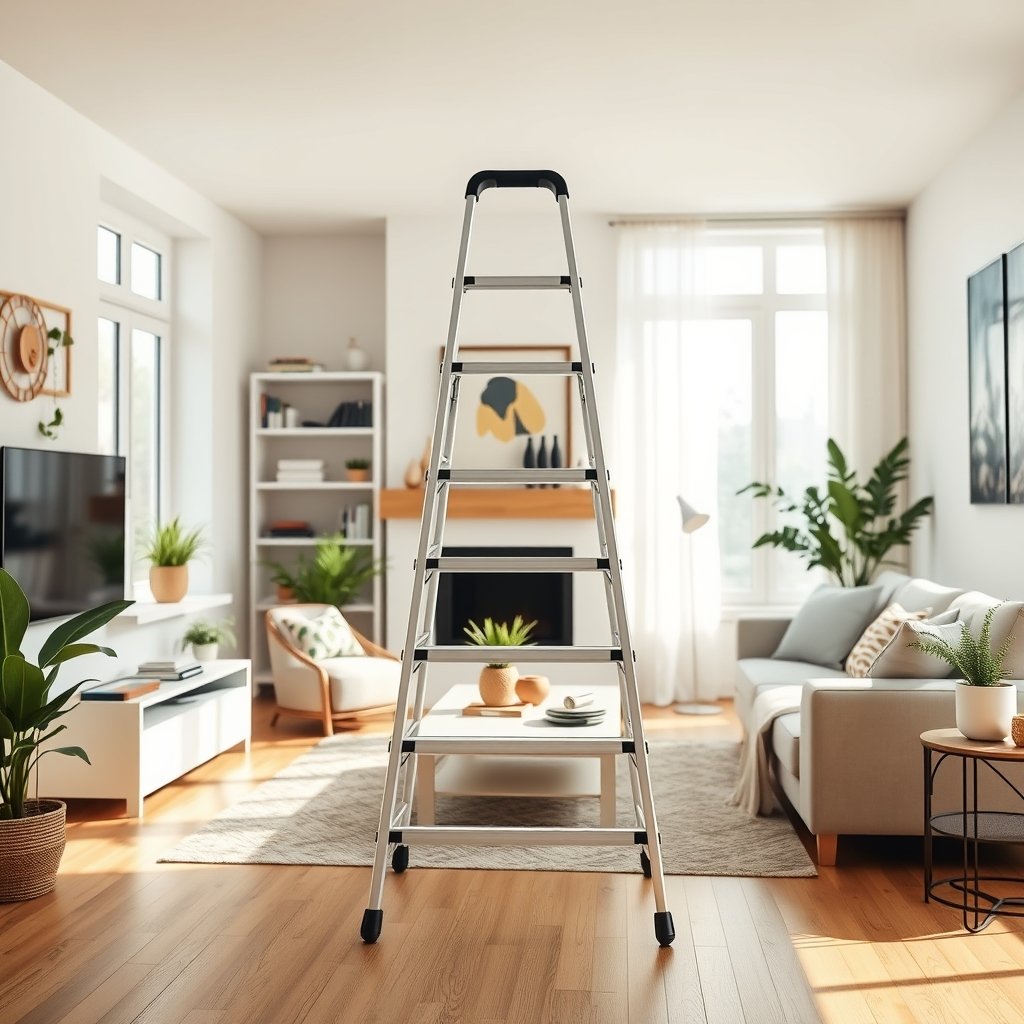
When selecting a ladder, your main choice is between step ladders and extension ladders, each with clear strengths—and risks. Step ladders are self-supporting and work on flat surfaces, making them ideal for indoor tasks like painting, changing light bulbs, or reaching cabinets. Extension ladders are necessary for outdoor work like cleaning gutters or accessing your roof. However, both types can be unsafe if misused or if the wrong type is chosen for the job.
It’s not just about type but about accident risks: extension ladders account for about 40% of ladder accidents, and—surprisingly—most ladder deaths involve ladders ten feet or shorter, likely due to overconfidence during “simple” jobs.
Match your ladder to your regular tasks. For indoor chores, a sturdy, 5- or 6-foot step ladder with wide steps and a reliable tool tray works best. For outdoor projects, a 16–24 foot extension ladder should safely reach standard gutters or 2-story eaves. Don’t just ‘make do’—using the wrong ladder for the wrong job is a top cause of injuries, as detailed by the American Ladder Institute.
Common Problems Buyers Face with Home Ladders
Even the Best Ladder for Home Use can cause frustration—or fail outright—if you overlook these common user complaints. Buyers often discover that:
- Steps start to bend or “walk” (shift) when heavy loads are applied.
- Anti-slip feet and hinges wear out, causing sudden instability.
- Lock mechanisms on telescoping or extension models are unreliable—collapsing unexpectedly or not locking fully.
- Step ladders feel wobbly or uncomfortable during longer DIY tasks, especially at full extension.
- Tool trays are missing or too flimsy to support essential tools or paint cans.
Maintenance isn’t optional. Overseas manufacturers often use cheaper alloys or plastic hinges—meaning even ladders rated for ‘heavy duty’ use can lose strength within a year of regular home projects. More than 2,500 OSHA citations were issued for improper ladder use or maintenance violations recently, showing how easily safety slips through the cracks (read more).
| Issue | Step Ladders | Extension Ladders |
|---|---|---|
| Common Failure Point | Hinges, steps bending, tool tray breaks | Locking mechanism failure, foot slips |
| Top Complaint | Instability on uneven floors | Unsafe at full extension, hard to balance |
| Maintenance Need | Check feet and hinges, clean after paint jobs | Lubricate locks, inspect rails and rungs |
| Real-World Longevity | 1–3 years without care | 2–4 years without care |
Must-Have Features for a Safe, Reliable Home Improvement Ladder
If safety is your goal with any Home Improvement Ladder, prioritize these features in your shortlist:
- Rated weight capacity: Don’t just check user weight—add 20–40 pounds for tools and paint. 300-pound (Type IA) is the reliable minimum for most households.
- Sturdy, wide steps and handholds: Wide treads reduce fatigue and make long DIY sessions safer and more comfortable.
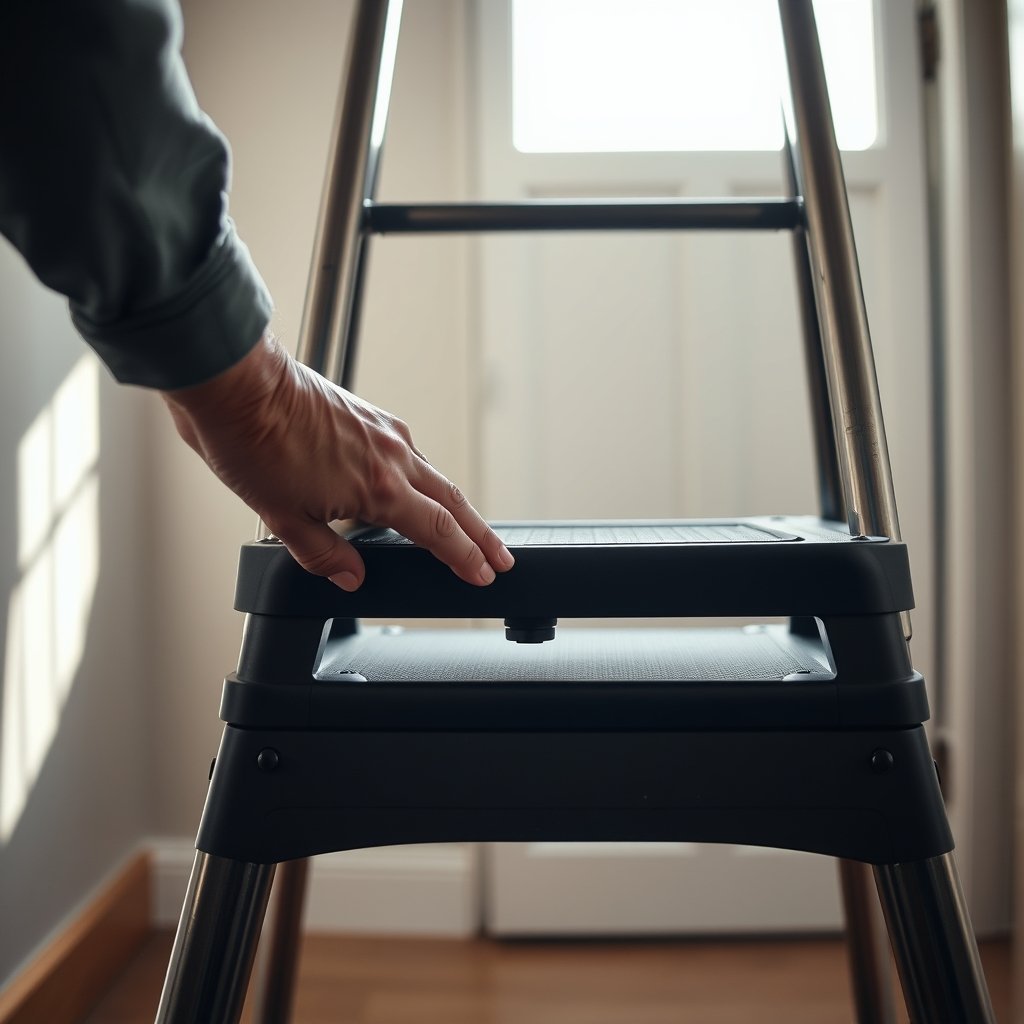
- Industrial-grade hinges and anti-slip feet: These prevent the legs from walking or the ladder from sinking into soft carpet, grass, or soil.
- Reliable lock mechanisms: Especially for extension ladders, locks should have a positive ‘snap’ you can hear and feel—many buyers complain about locks failing quietly over time.
- Proper length and reach: Always buy for the highest job you do regularly—even if it means the ladder looks ‘too big’ for most day-to-day tasks.
- Detachable and stable tool tray: Prevents awkward climbing with tools in hand and helps organize paint, drills, and screwdrivers for efficiency.
Most ladder injuries are traced to improper selection or worn safety features, confirming what the Consumer Reports and USF Health safety reviews have found.
Critical User Concerns Most “Best Ladder for Home Use” Guides Miss
Most buying guides for the Best Ladder for Home Use miss or gloss over buyer complaints that actually matter in real homes. Here’s what they leave out:
- Stability on uneven floors: Wobbly floors, basement sump-pump covers, or patio pavers can cause side-to-side ladder shifts many home improvement guides ignore.
- Comfy, slip-free handholds: Narrow metal rungs become tiring or even blister-inducing during longer jobs—look for wide, soft-grip rails.
- True height selection support: Advice like “get a six-foot ladder” isn’t helpful: you need guidance on matching ladder type and reach to your most frequent home tasks.
- Detailed, realistic maintenance instructions: Cleaning, lubricating, and tightening hardware after every project directly impacts safety and longevity.
- Long-term hinge and lock durability: If you hear squeaking, see wobble, or sense play in the locking system, your ladder may already be unsafe.
Don’t settle for a generic review—use guides that address your home’s real conditions. For more ways to make your home a safer, more functional space, explore our DIY Home Improvement Ideas in this guide.
How to Choose & Care for the Right Ladder for Your Home
Making the safest choice starts with a focused evaluation of your home’s spaces and the kind of projects you tackle most often. Here’s a proven checklist:
- List your most common ladder tasks (indoor painting? outdoor lighting? roof cleaning?).
- Measure the highest spots you need to reach, then identify the minimum required ladder height.
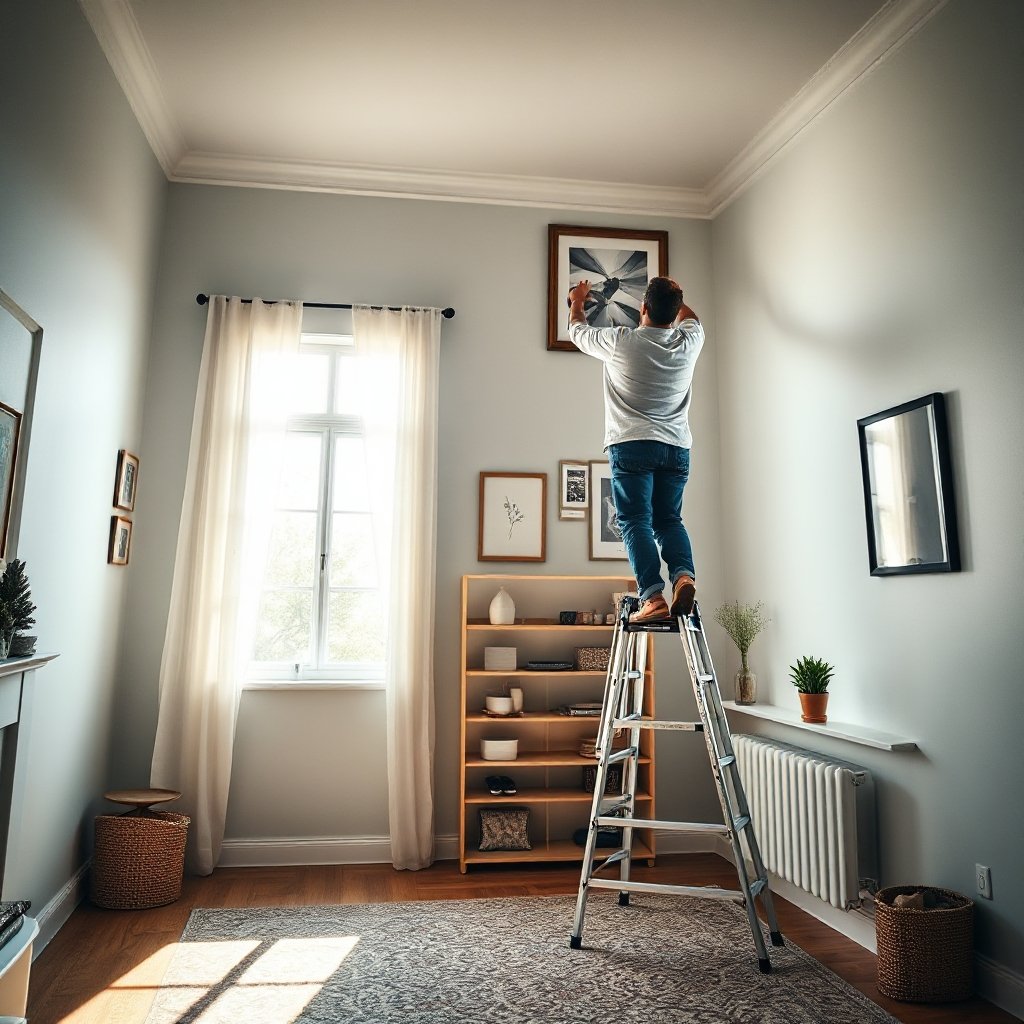
- Choose a ladder type (step or extension) that best matches your environment—remember, sacrificing stability for “just a bit more reach” is the single largest source of home ladder accidents.
- Buy for durability—heavy-duty construction, reinforced rungs, high-quality locks, and robust hinges.
- Inspect locks, feet, and joints before every use. Look for rust, cracks, or wiggle in moving parts and retire the ladder quickly at the first sign of failure.
- After every use, wipe off paint, dirt, or moisture, and store inside to prevent premature wear.
- Revisit ladder safety and maintenance checklists each season. Make it a routine—don’t wait for a near-miss to build better habits.
For more information on creating a safer and well-equipped home, check out suggestions on the best home improvement projects and our in-depth home improvement product reviews.
Choosing the Best Ladder for Home Use is about more than price or promise—it’s about long-term safety and lasting value. Don’t cut corners: review your real-world needs and invest accordingly. Ready to upgrade your safety? Use this guide, avoid the hidden pitfalls, and take the first step toward worry-free home improvement today.
FAQ
How do I know which ladder height is best for my needs?
Measure the highest spot you’ll need to reach, then subtract your maximum safe reach (usually about 4 feet on a step ladder). The ladder should safely let you work without standing on the top rung. When in doubt, choose the next size up for extra safety.
What’s the most important safety check before using my ladder at home?
Always inspect locks and hinges for wobble or play, check that all feet are solidly on the ground, and confirm anti-slip pads aren’t worn. Even a great-quality ladder becomes hazardous if joints or feet are damaged.
Are step ladders safer than extension ladders for most home tasks?
Step ladders are safer for indoor and low-ceiling jobs since they’re self-supporting. Extension ladders are essential outdoors but have a higher accident rate—take extra care with locks, secure footing, and never use them fully extended unless needed.
How long should a good home use ladder last?
With regular care (cleaning, lubricating hinges, and storing indoors), a top-quality home use ladder should safely last 5–10 years. Poor maintenance can shrink this lifespan dramatically—sometimes to just 1–3 years.
What are common maintenance mistakes that lead to ladder injuries?
Ignoring worn anti-slip feet, skipping hinge lubrication, and storing ladders outdoors where joints rust quickly. Set monthly reminders to check your ladder, and replace parts or the ladder immediately if you spot any failure.