
Venlafaxine is one of the most frequently prescribed antidepressant medications today, but many patients—and even clinicians—overlook key 2024 research about its true benefits, side effects, and real-world challenges.
Key Takeaways
- Venlafaxine’s remission rates now clearly outpace SSRIs, but risks like withdrawal from venlafaxine can be uniquely severe and rapid; proper tapering is critical.
- Withdrawal from venlafaxine can be uniquely severe and rapid; proper tapering is critical.
- Genetic factors, age, and economic choices (generic vs branded) all seriously impact outcomes—points most guides ignore.
- What is Venlafaxine?
- How Effective is Venlafaxine? What Do 2026 Clinical Studies Show?
- Common Side Effects and User Experiences
- Understanding Venlafaxine Withdrawal—Why It Hits Harder
- Special Considerations: Genetics, Heart Health, and Age
- Brand vs. Generic Venlafaxine—Does Cost Impact Treatment?
- Tapering, Safety, and Management Tips
- Frequently Asked Questions about Venlafaxine
- Summary: Is Venlafaxine the Right Choice for You?
What is Venlafaxine?
Venlafaxine is an antidepressant medication in the SNRI (serotonin-norepinephrine reuptake inhibitor) class. It is used to treat major depressive disorder, generalized anxiety disorder, panic disorder, and social anxiety disorder. As anxiety and depression rates among adults in the US have increased steadily through 2024, venlafaxine’s role is becoming more prominent.[4]

Unlike SSRIs, venlafaxine blocks the reuptake of both serotonin and norepinephrine. This dual action can offer stronger antidepressant effects for some patients—but it also brings unique side effects, especially when doses are missed or changed too quickly.
How Effective is Venlafaxine? What Do 2026 Clinical Studies Show?
Recent studies have confirmed that venlafaxine provides a higher chance of remission in depression compared to SSRIs or placebo. A 2024 meta-analysis found remission rates of 45% with venlafaxine, 35% with SSRIs, and 25% with placebo.[2] One study showed 36% of patients reached remission at six weeks with venlafaxine, compared to 28% with fluoxetine.[1]
Effectiveness is not just about averages—some individuals may notice improvement within two weeks, while others may need up to eight weeks. Results for anxiety are similar, but real response may depend on genetics, other medications, or health factors.
To further boost adherence, consider combining medication with evidence-based therapy sessions, especially during the first three months. Tracking symptoms with a mood journal or app can help you spot progress and side effects early.
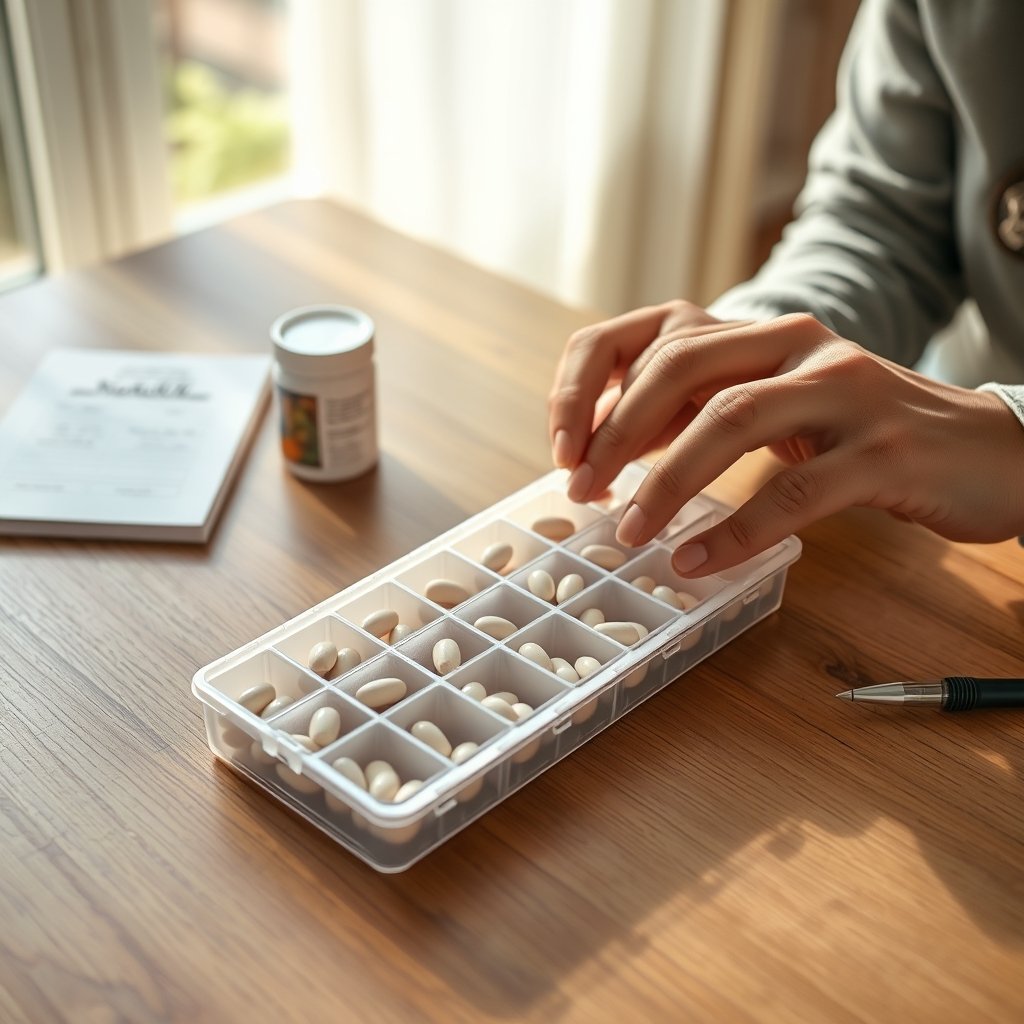
Economic factors also matter. Generic venlafaxine is much less expensive than branded versions, helping patients avoid missed doses due to cost.[4]
For additional wellness strategies (such as creating calming home environments), check out practical guides like bold paint trends for stress relief and bathroom wellness ideas.
Common Side Effects and User Experiences
Venlafaxine can cause a range of side effects—some common, others unique.[6] The most frequent complaints include:
- Headache
- Nausea or upset stomach
- Insomnia or sleep disturbances
- Dizziness or drowsiness
- Dry mouth
- Fatigue (asthenia)
- Increased blood pressure (hypertension)
- Sexual side effects (libido changes, difficulty achieving orgasm)
- Constipation
- Weight loss
- Unusual dreams
Less often, users on forums report sweating, blurred vision, diarrhea, tremor, and anxiety increases. These effects often fade after several weeks but may persist in some cases. If you experience severe side effects, always consult your prescribing clinician before stopping or changing the dose.
For patients seeking ways to create relaxing spaces at home during adjustment periods on venlafaxine, limewash paint colors and adding spa upgrades may offer some non-medication coping options.
Understanding Venlafaxine Withdrawal—Why It Hits Harder
If you miss a dose of venlafaxine, withdrawal symptoms can start in less than a day. This risk is much greater than with most SSRIs because venlafaxine has a short half-life and a strong effect on both serotonin and norepinephrine.[5]
Patients commonly describe withdrawal symptoms such as:
- “Brain zaps” or electric shock sensations
- Dizziness, confusion, or disorientation
- Nausea and sweating
- Nightmares or vivid dreams
- Agitation, irritability, mood swings
- Flu-like symptoms
These symptoms can be severe—even after just one missed dose. Gradual, physician-supervised tapering is the best way to avoid withdrawal problems. For a deeper look at this phenomenon, see this overview.
Special Considerations: Genetics, Heart Health, and Age
New pharmacogenomic evidence shows that how you metabolize venlafaxine (especially through the CYP2D6 enzyme) can significantly alter both your success and your risk for side effects. Slow metabolizers may experience higher drug levels—and more adverse effects—while fast metabolizers may see less benefit.
Venlafaxine can increase blood pressure even at average doses. Regular monitoring is crucial, especially in adults with cardiovascular risk or existing hypertension.[6]
For older adults, dosing should usually start low because sensitivity to both side effects and blood level fluctuations is higher. Children and teens are prescribed this medication rarely and always under specialized supervision, as there are unique risks in pediatric populations.
If you’re redesigning your space to support heart health and lower stress, minimizing noise pollution may help you create a supportive environment.
Brand vs. Generic Venlafaxine—Does Cost Impact Treatment?
With growing numbers of prescriptions in 2024, the economic gap between generic and branded venlafaxine is critical.[4] Generic forms are as effective as the branded product (Effexor XR) for the vast majority of adults, with no major differences in remission rates or side effects.
| Factor | Brand (Effexor XR) | Generic (Venlafaxine XR) |
|---|---|---|
| Monthly Cost (US, 2024) | $200+ | $15-$35 |
| Remission Rates | ~45% | ~45% |
| Adherence Problems | Higher if uninsured | Lower |
If cost is an obstacle, switching to generic venlafaxine is highly recommended to prevent missed doses or abrupt stops that can trigger withdrawal.
Tapering, Safety, and Management Tips
If you decide to stop venlafaxine, never stop it abruptly unless instructed by your healthcare provider. Tapering should be done in small steps over many weeks (or even months). Cut your dose in increments of 10%–20% at intervals of 2–4 weeks, and monitor symptoms closely.[6]
If withdrawal symptoms emerge, pause the taper or increase the previous dose slightly, then resume reduction after stabilization. Some prescribers use split capsules or liquid forms to make tiny dose changes possible.
Keeping a withdrawal symptom diary can help catch early signs of trouble—an approach rarely discussed outside clinical circles but highly recommended.
Also, ask your provider to check blood pressure regularly, review all other medications for potential interactions, and plan for extra mental health support during any dose changes.

Frequently Asked Questions about Venlafaxine
Can I drink alcohol while taking venlafaxine?
It is not recommended. Alcohol can worsen side effects like dizziness, drowsiness, and impaired motor skills. Combining the two may increase depression or anxiety for some users.
Does venlafaxine cause weight gain or weight loss?
Unlike many other antidepressant medications, venlafaxine is more commonly associated with mild weight loss rather than gain. Rarely, some individuals may notice weight gain, but this is less frequent than with SSRIs or tricyclics.[6]
What if I miss a dose of venlafaxine?
Take your missed dose as soon as you remember unless it’s almost time for your next dose. Do not double up. Missing doses of venlafaxine can cause withdrawal symptoms quickly, so aim for consistent daily timing.
Is generic venlafaxine as effective as brand name?
Yes. Multiple head-to-head studies confirm the generic form works as well and is much less expensive. Saving on cost also reduces the chances of skipping doses due to financial stress.
Is venlafaxine safe for older adults or people with heart conditions?
Venlafaxine raises blood pressure in some users. Regular monitoring is advised, and lower starting doses are safer for elderly or cardiovascular patients. Always discuss individual risks with your physician.
Summary: Is Venlafaxine the Right Choice for You?
Venlafaxine can offer faster and higher remission rates than many other antidepressants, but its powerful effects come with real considerations—especially withdrawal, heart health, and economic factors. The latest 2024 data show that being proactive about slow tapering, monitoring side effects, and discussing all options—including generics and personalized genetics—can make a meaningful difference in your treatment experience. Ask your provider to review these topics, especially if you are switching, struggling, or considering stopping venlafaxine.
If you are also exploring ways to upgrade your home wellness environment, you might like inspiration from resources such as minimalist kitchen trends and eco-friendly lawn alternatives.
Ready to make an informed decision? Schedule a thorough conversation with your healthcare provider about the full landscape of risks, benefits, and costs for venlafaxine—don’t settle for surface-level guidance.