

Best Indoor Security Cameras are the backbone of modern home surveillance, but picking the right one in YYYY isn’t simple: privacy trade-offs, real subscription costs, and hidden weaknesses often lurk behind marketing claims.
Key Takeaways
- Indoor security camera adoption keeps growing—over 30% of US homes now own at least one smart camera.
- Not all leading brands treat privacy, local storage, or subscriptions equally—small differences add up fast.
- Common pitfalls include unreliable Wi-Fi and locked features that drive up long-term costs.
- The YYYY Market Snapshot: Indoor Security Cameras on the Rise
- Step-by-Step Guide: How to Evaluate and Choose the Right Indoor Security Camera
- Advanced Analysis & Common Pitfalls: Realities Behind the Reviews
- Conclusion: Choosing the Best Indoor Security Camera for Your Needs
- FAQ: Best Indoor Security Cameras
The YYYY Market Snapshot: Indoor Security Cameras on the Rise
Indoor home cameras have moved from niche tech to mainstream necessity. In YYYY, the global indoor home camera and smart Wi-Fi security camera market was valued at roughly $15 billion, growing at a fast 17% annual rate. Over 30% of US households now use at least one Wi-Fi camera indoors, signaling how important home monitoring and peace of mind have become. Wireless, plug-and-play smart security cameras lead sales, driven by the demand for easy DIY installation and remote access.
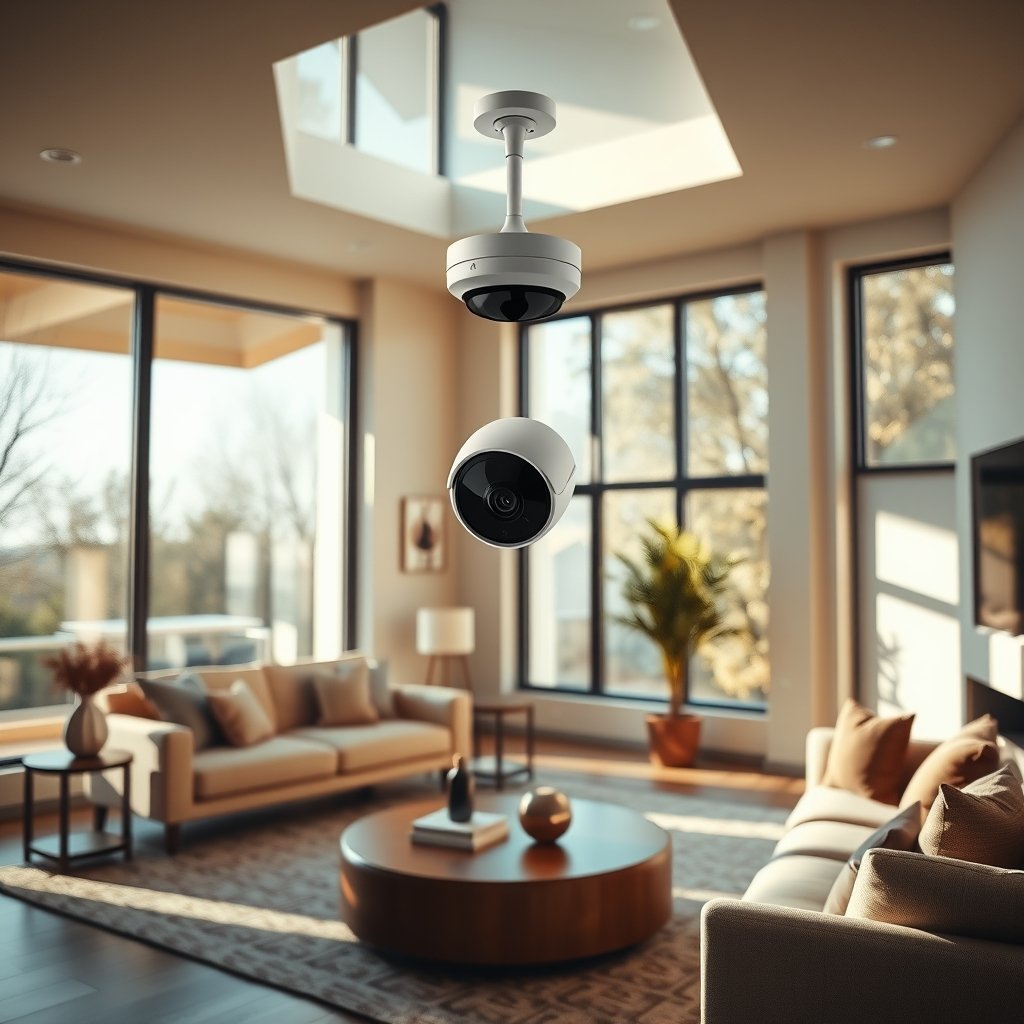
Top brands dominating the market include Google Nest, Amazon Ring, Arlo, Wyze, Eufy (by Anker), Logitech, and Lorex. Each brand pushes unique features—for example, Amazon Ring focuses on ecosystem integration, while Lorex keeps advanced features available without monthly fees.
While adoption continues to accelerate, users now prioritize not just video quality or motion alerts, but privacy protections, subscription transparency, and stable connectivity. For many, indoor cameras are a bridge to full smart home upgrades, as well as added security and convenience for renters and small business owners.
Step-by-Step Guide: How to Evaluate and Choose the Right Indoor Security Camera
Choosing the right indoor security camera in YYYY means looking past brand popularity. Here’s a down-to-earth process for getting reliable, private Wi-Fi cameras—without falling into the subscription trap.
- Identify Your Top Priorities
List what matters: easy local storage, subscription-free access, highest privacy (physical lens shutter), or seamless integration with Alexa, Google, or Apple HomeKit. - Review Local Storage Options
Brands like Lorex and Eufy offer local recording to microSD cards or NVRs, so even if you avoid subscriptions you still keep critical footage. Most Google Nest and Ring cameras require subscriptions for full access to recorded video. - Check Subscription Costs
The “cheapest” camera may cost more after several years of required cloud storage fees. For example, features like motion zones or smart alerts are increasingly locked behind monthly payments. Lorex stands out for keeping features unlocked even without a subscription. - Analyze Privacy Practices
Look beyond marketing claims—does the camera provide end-to-end encryption, or can video be accessed by company staff? Is there a physical shutter? Budget models may lack both.
For deep details, consult reviews focused on actual real-world privacy, not just promises. - Evaluate App Usability and Integrations
Test setup flows and make sure the app supports the local recording settings or notifications you want. If you run a smart home, only a subset of indoor cameras work reliably with Matter, Apple HomeKit, or Google/Alexa routines—always check compatibility lists.
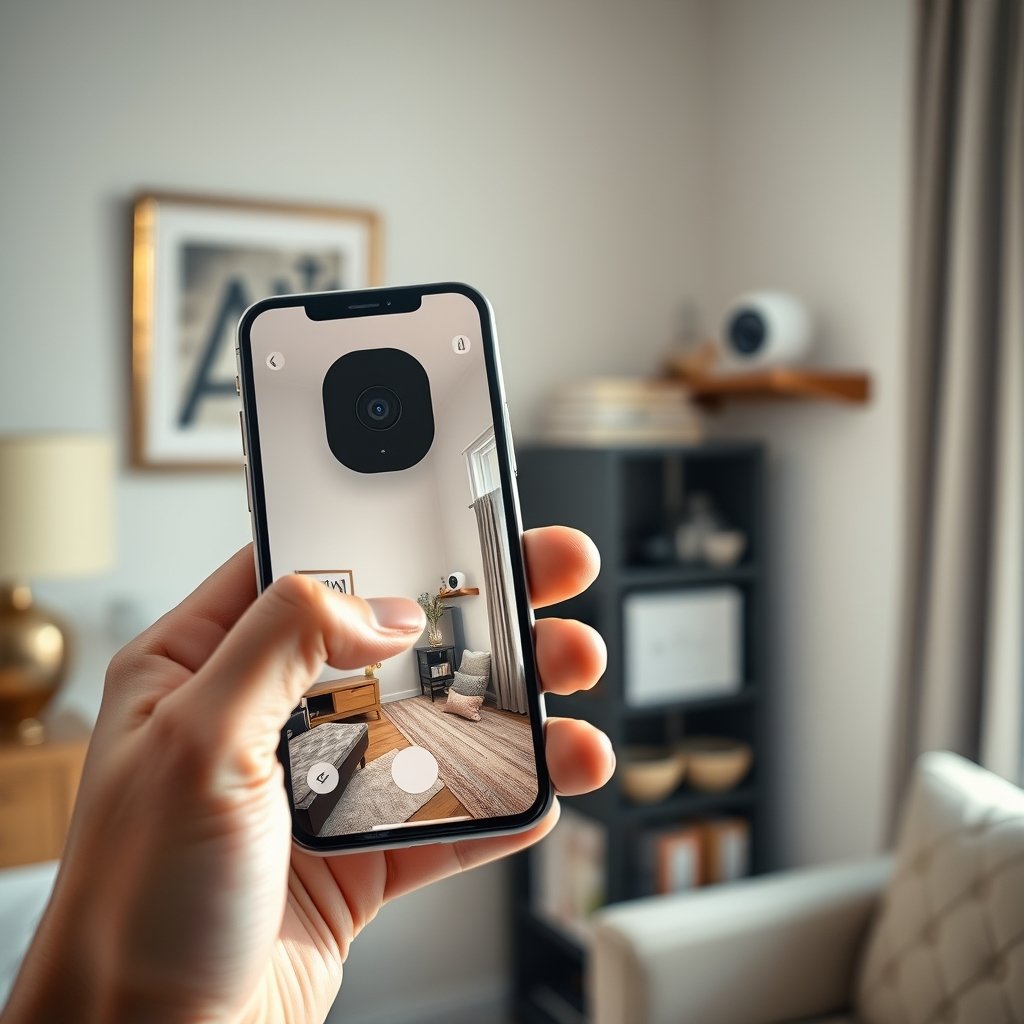
Don’t underestimate the value of community forums or long-term owner reviews for spotting persistent problems—or uncovering clever solutions.
Before you buy, consider connecting your new Wi-Fi camera to a dedicated VLAN or guest Wi-Fi network. This simple approach protects your other devices if a camera is compromised—a critical step, especially with budget models.
If your home is undergoing broader upgrades, see our guides to valuable home improvements or practical DIY upgrades that maximize both comfort and resale.
Advanced Analysis & Common Pitfalls: Realities Behind the Reviews
Owning “the best” indoor security camera isn’t just about specs. The real verdict on smart security cameras only emerges after months of use—when Wi-Fi drops, app glitches, and data privacy gaps crop up. Here are the most common pain points, plus an unbiased comparison across leading brands.
| Brand | Local Recording Without Subscription | Physical Privacy Shutter | End-to-End Encryption | Integration (Matter, HomeKit, Alexa, Google) | Common Complaints |
|---|---|---|---|---|---|
| Google Nest | No | Some (Nest Cam 2nd Gen) | Yes (limited to some models) | Alexa, Google, limited Matter | Subscription required, app bugs |
| Amazon Ring | No | No | Yes (opt-in) | Alexa, some Google, Matter patchy | Connectivity drops, features locked |
| Arlo | Some models | No | Yes | Alexa, Google, limited HomeKit, Matter on select | Subscription lockouts, setup complexity |
| Wyze | Yes (SD card) | No | Partial (not all streams encrypted) | Alexa, Google, limited Matter | Privacy risks, firmware bugs |
| Lorex | Yes (DVR/NVR) | Some models | Varies (review specs) | Alexa, Google, some Matter/HomeKit | Clunky app, initial setup issues |
| Eufy | Yes (SD card/NAS) | Many models | Yes (most models) | Alexa, Google, HomeKit, Matter emerging | Inconsistent cloud features, bug fixes slow |
Sources: Market.US Report, Security.org, Reviews.org
- Wi-Fi reliability is the number one user complaint. Even high-end Wi-Fi cameras can drop offline, go out of sync, or lose connection with cloud apps. Hardwiring or using Wi-Fi mesh can help, but few renters have the option.
- Privacy “buzzwords” rarely match real-life protections. Many budget indoor home cameras lack true end-to-end encryption or physical privacy shutters. Default passwords remain a risk—especially when friends or guests know device access codes.
- Subscription trap: Lorex is nearly alone in letting you keep vital recording features without monthly fees [see independent review]. For most top brands, vital features like rewind, detection zones, or even basic video history are subscription-locked.
- App messes and ecosystem hiccups are rampant. Changing Wi-Fi, updating firmware, or transferring cameras to new phones can be a nightmare on aging platforms. Always double-check compatibility if you run routines with Alexa, Google, HomeKit, or want Matter support.
If you’re tackling a whole-home upgrade, see our deep dive into best home security cameras for outdoor and hybrid options, or learn how preventive home maintenance ties into smarter, safer living.
Conclusion: Choosing the Best Indoor Security Camera for Your Needs
The indoor camera market in YYYY is crowded and complex, but clarity comes from prioritizing what matters most. For privacy-first households or small businesses, seek out indoor home cameras with reliable local storage, physical privacy shutters, and proven app experiences. Don’t let a low upfront price distract from years of necessary subscription fees—Best Indoor Security Cameras should serve your budget and privacy, not exploit them. More than 30% of US households now use indoor security cameras; make sure yours fits your actual needs. Start by assessing your most important priorities—and don’t hesitate to rethink your setup as standards and smart home integrations keep evolving.
Ready to make your home safer and smarter? Compare models carefully, insist on privacy controls, and never skip over real-world user feedback. Then, enjoy genuine peace of mind.
FAQ: Best Indoor Security Cameras
Do I need a subscription for indoor security cameras?
Not always. Brands like Lorex and Eufy offer models that record locally without subscriptions. However, leading brands like Google Nest or Amazon Ring typically lock video history and smart features behind a monthly fee.
Are indoor security cameras safe from hacking?
Security depends on device design and your settings. Enable two-factor authentication, use strong custom passwords, and isolate cameras on a guest Wi-Fi network for best protection. Physical lens shutters add another layer of privacy.
Can indoor cameras integrate with Alexa, Google, or HomeKit?
Most leading Wi-Fi cameras (Ring, Nest, Eufy, Arlo) support Alexa and Google integration. Apple HomeKit and Matter are supported on fewer models—always double-check brand compatibility charts before buying.
What features should I look for beyond video quality?
Prioritize strong privacy (physical shutters, end-to-end encryption), local storage options, usable mobile apps, and integration with your larger smart home ecosystem. Don’t overlook the true long-term cost—including subscriptions.
How reliable are Wi-Fi cameras for renters or small businesses?
Wi-Fi reliability is the top complaint. If you can, use mesh networking or consider models that allow local microSD or NVR recording as a backup for outages. Cloud-only cameras can leave you with gaps in surveillance during downtime.