

### Blog Post:
Home Maintenance Checklist is your secret weapon for avoiding costly repairs and protecting the value of your home. Instead of waiting for something to break, learn how a proactive home maintenance checklist keeps your family safer, reduces stress, and preserves your biggest investment.
Key Takeaways
- Following a detailed Home Maintenance Checklist saves $1,200–$2,000 every year by preventing emergency repairs and helps maintain 0.5–1% more of your home’s resale value.
- Most homeowners miss critical seasonal home maintenance tasks—like dryer vent cleaning, fridge coil vacuuming, and sealing windows—which can lead to major expense and safety risks.
- Setting aside 1–3% of your property’s value for annual preventive maintenance and using memory aids or reminders will protect your home’s longevity and your budget.
- Why Every Homeowner Needs a Preventive Maintenance Checklist
- Creating a Seasonal Home Maintenance Routine—What to Check and When
- The Financial Benefits—Saving Money and Maximizing Home Value
- Most Overlooked Home Maintenance Tasks (and How to Remember Them)
- What Home Inspection Checklists Don’t Tell You (But Should)
- Pro Tips for Effective Home Care and Long-Term Value Protection
- Quick Reference: Your Annual and Seasonal Home Maintenance Checklist
- FAQ
Why Every Homeowner Needs a Preventive Maintenance Checklist
Preventive maintenance goes far beyond the basics. Having a consistent Home Maintenance Checklist transforms reactive repairs into proactive home care. Homeowners who use a checklist typically avoid $1,200–$2,000 in annual emergency repair costs, while also preserving 0.5–1% of their home’s resale value every year (source). It’s not just about fixing problems, but about preserving and even growing your investment—plus, you’ll reduce expensive surprises and buyer’s remorse.

Creating a Seasonal Home Maintenance Routine—What to Check and When
Splitting your maintenance tasks by season helps ensure nothing slips through the cracks, especially the chores most people miss. Research shows that cleaning your dryer vent (overdue for most homeowners), vacuuming fridge coils (1 in 5 never do it), and sealing windows and doors can have the biggest impact on repair costs and safety (NAR).
Here’s a quick breakdown of high-impact seasonal home maintenance:
- Spring: Inspect roof for winter damage, clean gutters, check foundation for cracks, and seal windows and doors against moisture.
- Summer: Service and clean HVAC systems, vacuum refrigerator coils, inspect outdoor faucets, and trim trees away from your roof.
- Fall: Clean gutters and downspouts, test smoke and carbon monoxide detectors, aerate the lawn, check chimney and fireplace.
- Winter: Clean dryer exhaust vent, insulate exposed pipes, check attic for ice dams, and test your sump pump.
Neglecting any of these can turn what would be a quick fix into an expensive emergency down the road. Gutter cleaning, for example, is frequently ignored and leads directly to water damage and insurance claims—both of which hurt your home’s value and your wallet. For year-round remodeling inspiration and budget improvements, check out these practical home improvement ideas.
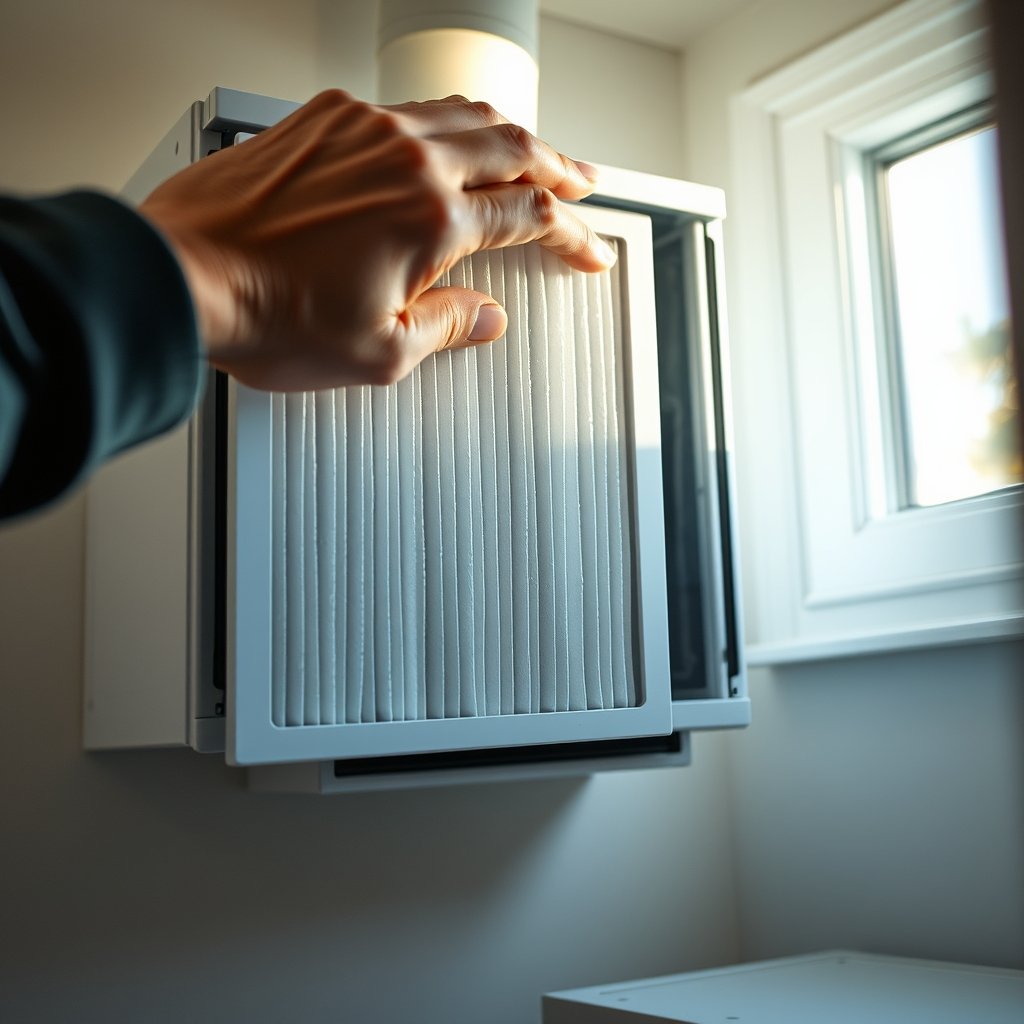
If you’re a first-time homeowner, following a structured schedule also means you’re less likely to face buyer’s remorse. According to a 2024 survey, 78% of homeowners regretted surprise repair costs in their first year. Seasonal routines keep you in control.
The Financial Benefits—Saving Money and Maximizing Home Value
Major expenses rarely come from random bad luck—they result from skipped maintenance. Insurers recommend allocating 1–3% of your property’s value to annual preventive maintenance. For a $500,000 home, that’s $5,000–$15,000 each year, which is far less than a single burst pipe, a foundation crack, or mold remediation (source).
Here’s how a thorough checklist directly affects your bottom line:
- Preserves value: Well-maintained homes sell for 0.5–1% more annually compared to neglected homes.
- Saves money: Homeowners who follow their home maintenance checklist typically avoid $1,200–$2,000 in sudden repairs each year.
- Cuts stress: Maintains comfort and prevents chaos from breakdowns or emergency contractor visits.
- Influences insurance and offers financial leverage: Insurers prefer proactive homeowners and may offer better rates or claim responsiveness.
| Task Neglected | Frequency | Risk/Cost | How to Remember |
|---|---|---|---|
| Dryer Vent Cleaning | Annually | Fire risk, $500–$5,000 | Add reminder during winter holidays |
| Fridge Coil Vacuuming | Annually | Shortens lifespan, higher bills | Pair with spring cleaning |
| Gutter/Downspout Clearing | Each Fall | Water damage, $2,000–$20,000 | After leaves drop, before first frost |
| Furnace/Boiler Check | Pre-Winter | No heat, $300–$8,000 | Schedule after Halloween |
| Foundation Inspection | Spring/Fall | Mold, cracks, $1,000–$50,000 | Coincide with daylight savings |
The bottom line: ignoring maintenance means risking far larger bills later. If you’re budgeting for home projects, see this home renovation costs guide for average project expenses and ROI.
Most Overlooked Home Maintenance Tasks (and How to Remember Them)
The difference between a savvy homeowner and one constantly blindsided by repairs often comes down to knowing which tasks are routinely missed. The biggest offenders include:
- Dryer vent cleaning—most homeowners skip it for over two years: Most homeowners go over two years without cleaning it, increasing fire risk and repair costs. Dryer vent fires cause thousands of claims annually (reference).
- Vacuuming refrigerator coils: Only 20% do it on schedule, which means the appliance runs hotter, wasting energy and needing early replacement.
- Window and door sealing: This spring chore prevents energy leaks and costly rot or mold—but is quickly forgotten.
- Attic and crawlspace checks: Missing these lets small leaks, pests, and hidden water damage spiral into big problems.
You can automate reminders using free or paid apps such as HomeZada, Centriq, or even Google Calendar. Attach QR labels or stickers in your laundry or kitchen to remind you about rare chores (full checklist here).
For more quick-win, DIY tips, explore DIY home improvement projects that help you cross major tasks off this list for less.
What Home Inspection Checklists Don’t Tell You (But Should)
Most home inspection reports flag big issues—but leave out the systems and routines that keep problems from ever happening. Here are three topics missing from almost every typical home care article:
- Dedicated maintenance savings fund: Set up a separate savings account with an automatic transfer of 1–3% of your home’s value per year. This fund smooths out surprise costs and removes guesswork when budgeting (learn more).
- Labeling and inspecting your electrical panel: Clearly mark every circuit breaker, test GFCIs, and review annually. This adds minutes to your checklist, but can prevent hours of frustration during an outage or emergency.
- Foundation and basement moisture management: Routinely check for leaks, seal cracks, and install a dehumidifier if needed. Don’t just react when you see water; make this a habit.
Want a deeper look at how inspection checklists differ from proactive care? See this NAHB resource.
For kitchen-specific hidden issues and how to address them, see our expert article on appliance garage ideas and hidden storage.
Pro Tips for Effective Home Care and Long-Term Value Protection
Homeowners who stick to their maintenance checklist see less stress and greater savings. Here’s how to upgrade your routine:
- Download a free or low-cost home maintenance app for automated task tracking and reminders.
- Create a laminated or framed checklist and hang it in your pantry, garage, or utility room—visual cues work.
- Use “maintenance days” as a family tradition: involve everyone, and make it social. Bribe with pizza if needed.
- Keep a digital home log (spreadsheets or Google Drive folder) to track repairs, warranties, and scheduled maintenance.
- Schedule big tasks around predictable life events—spring break, Halloween, major holidays—so you never miss a season.
Remember—according to insurers, the best strategy is simple: “Setting aside 1–3% of your home’s value annually and sticking to your checklist is the surest way to prepare for whatever homeownership throws your way.” For more inspiration on modern upgrades, see our guides on smart home energy monitors and kitchen innovation for value and efficiency.

Quick Reference: Your Annual and Seasonal Home Maintenance Checklist
- Spring
- Inspect roof and siding
- Seal windows and doors against moisture
- Clean gutters/downspouts (do NOT skip)
- Test sump pump and check basement for moisture
- Summer
- Trim trees/vegetation away from house
- Service and clean HVAC systems
- Pressure wash exterior and deck
- Vacuum refrigerator coils (⭐forgotten task)
- Fall
- Clear gutters and downspouts after leaves have dropped
- Insulate outdoor pipes
- Test smoke/carbon monoxide detectors
- Inspect attic insulation
- Winter
- Clean dryer exhaust vent (⭐most forgotten!)
- Inspect caulking around doors/windows
- Check for ice dams in attic
- Test your home’s heating and replace furnace filters
- Year-Round
- Check foundation/slab and basement for leaks or cracks
- Review your electrical panel—label all breakers
- Keep a digital log of repairs and maintenance
- Maintain your dedicated home maintenance fund
Print this list or download it as a spreadsheet so you stay ahead of the curve. For more detailed project ideas, check out our guide on DIY home improvement and our expert home improvement ideas.
Conclusion
Failing to follow a Home Maintenance Checklist is the fastest way to drain your budget and jeopardize your home’s value. With a practical seasonal approach and some financial planning, you can future-proof your investment, avoid emergencies, and enjoy more peace of mind. Don’t wait until something breaks—start your checklist today, and protect your family and your home’s future.
Ready to get started? Download your checklist, automate reminders, and explore even more value-boosting upgrades with our comprehensive Home Improvement Ideas.
FAQ
How often should I update my home maintenance checklist?
Review and update your checklist at least once a year. Adjust for changes in your home’s systems, climate, or repair needs.
What’s the most critical task most homeowners neglect?
Dryer vent cleaning—most homeowners skip it for over two years, risking fires and expensive repairs. Put an annual reminder on your calendar.
How much should I budget for annual preventive maintenance?
Set aside 1–3% of your home’s value. For a $500,000 home, that’s $5,000–$15,000 per year, which can prevent far larger repair bills and protect resale value.
Can I do most maintenance tasks myself?
Yes, many tasks are DIY-friendly, like gutter cleaning, caulking, and filter changes. For electrical or structural work, hire a professional.
Where can I find more specific maintenance checklists?
For printable, customizable lists and advanced home care guides, see our DIY home improvement value guide and expert project ideas.

[…] more on seasonal schedules, visit our Home Maintenance Checklist for a complete annual home and yard […]
[…] you want more home project streamlining, check out our Home Maintenance Checklist Guide or get ideas for outdoor living spaces that make the most of your yard all year […]
[…] even more home efficiency upgrades, see our guide to Home Maintenance Checklists and Smart Home […]
[…] Competitor articles often skip these steps, but they’re each critical to long-term value and safety. For organized project preparation and ongoing maintenance, download our Home Maintenance Checklist. […]
[…] renters serious about their digital safety, it’s worth connecting with experts or browsing our home maintenance checklist for security-focused […]
[…] For a straightforward, memorable checklist approach, read our complete home maintenance checklist. […]
[…] tailored seasonal advice, check out our home maintenance checklist guide and outdoor living spaces […]
[…] Ready to streamline your next renovation? Download our Home Maintenance Checklist for essential post-project tasks. […]
[…] more about year-round fixes and long-term savings in our Home Maintenance Checklist Guide and get practical, seasonal advice for keeping costly repairs at […]
[…] a home maintenance plan ensures new upgrades stay efficient over time, reducing surprise breakdowns that can add […]
[…] regionally tailored checklists, like our home maintenance checklist, to keep your property optimized for your […]