

### Blog Post:
Doorbell Camera Buying Guide—these four words now define the start of almost every homeowner or renter’s search for better security, convenience, and peace of mind. In this no-nonsense guide, you’ll find a practical breakdown of what actually matters in the video doorbell space in YYYY, especially if you care about privacy, ecosystem fit, and total cost in North America or Europe.
Key Takeaways
- Doorbell cameras are now mainstream—45% of U.S. households use them, but real ownership costs go beyond hardware.
- Subscription fees, privacy compliance, and smart-home compatibility are just as important as image quality in YYYY.
- Many video doorbell guides skip apartment-specific advice or long-term cost breakdowns—this one doesn’t.
- Doorbell Camera Adoption & Market Trends YYYY
- Critical Doorbell Camera Features Explained
- True Cost of Ownership—Subscription Tiers & Storage Compared
- User Complaints & Pitfalls—What Reviews Reveal
- Ecosystem Compatibility and Privacy—Brand-by-Brand Breakdown
- Choosing for Houses vs Apartments—Bandwidth, Access, and Reliability
- Making the Final Decision—Checklist for YYYY Buyers
- FAQ
Doorbell Camera Adoption & Market Trends YYYY
The video doorbell market is booming. In YYYY, global revenue hit approximately $2.66 billion, growing by around 10% yearly. North America leads adoption, with about 45% of U.S. households now using video doorbells (up from 37% recently), while Europe follows closely, albeit with stronger data-privacy regulations. Smart-home convenience, rising package theft, and easier installation have fueled this growth. However, questions about long-term costs, privacy, and reliability are now top of mind for buyers—not just sleek features or 4K video.
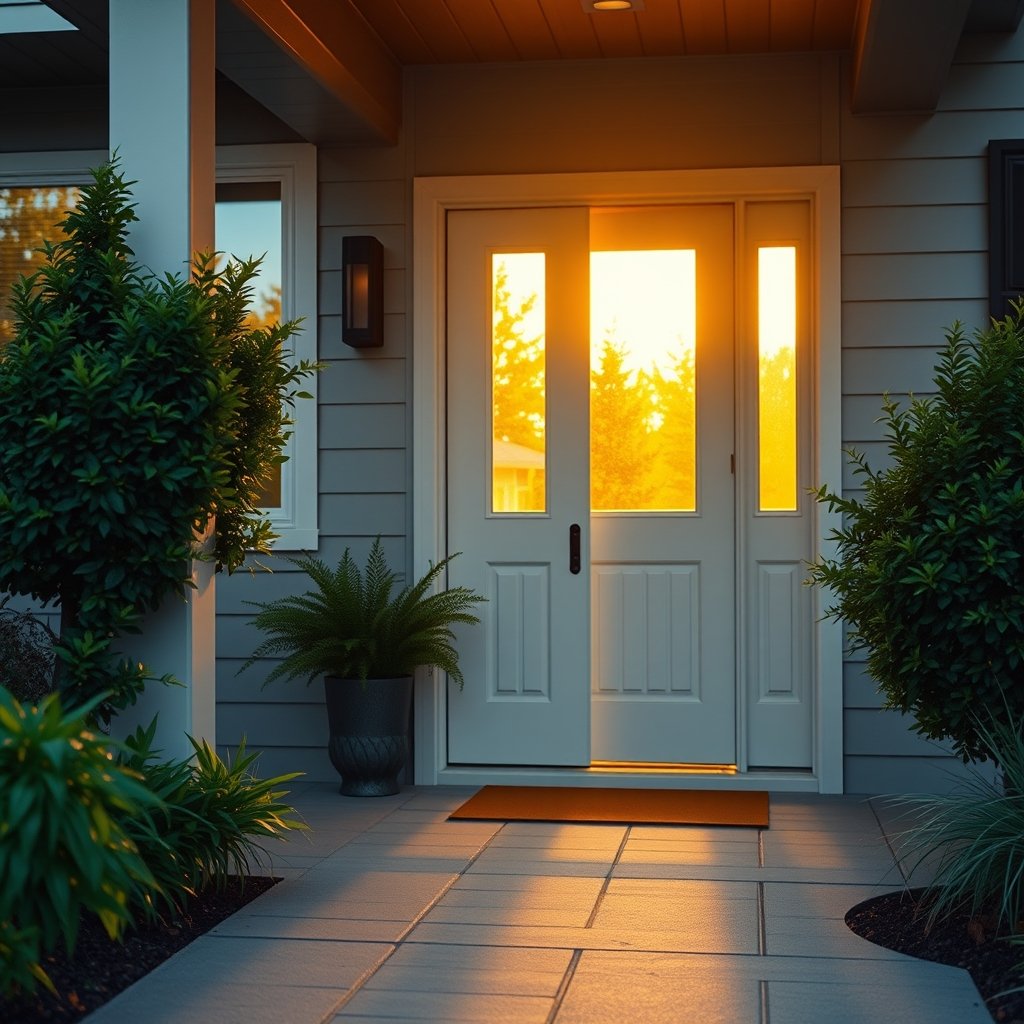
This market shift is even influencing smart home device purchasing trends and security upgrades across both single-family homes and apartments. For anyone considering a new doorbell camera, understanding these trends is essential for making a future-proof choice.
Critical Doorbell Camera Features Explained
Not all doorbell cameras are created equal. Key features in YYYY should drive your decision—not just price or brand:
- Image Quality: Look for at least 1080p resolution, HDR processing, and a wide field of view. Night vision performance separates the best from the rest.
- Motion Detection: The best models distinguish people from vehicles and packages. Top brands like Eufy stands out for offering facial and package detection without ongoing fees, while some competitors lock these features behind paid tiers. Consumer Reports dig deeper into these brand differences, but always validate that what matters to you is standard—not a premium add-on.
- App Usability: Responsive notifications and easy reviewing of clips are crucial. A buggy app is a persistent headache.
- Integration: Amazon Alexa, Google Home, and Apple HomeKit compatibility matter if you want a unified smart-home experience.
- Power Options: Wired models offer reliability and continuous recording, but battery-powered versions suit renters and those with no existing wiring.
- Privacy Controls: App-based privacy zones, encrypted video storage, and explicit GDPR/CCPA compliance are a must, especially in Europe.
- Storage: Choose between cloud (often subscription-required) or local (SD card, home base). Local options reduce ongoing costs and data exposure.
Eufy stands out for offering facial and package detection without ongoing fees, while some competitors lock these features behind paid tiers. Consumer Reports dig deeper into these brand differences, but always validate that what matters to you is standard—not a premium add-on.
Looking for broader camera advice? Our security camera buying guide breaks down indoor and outdoor options with similar rigor.
True Cost of Ownership—Subscription Tiers & Storage Compared
Most video doorbells seem affordable upfront, but costs quickly add up after accounting for paid storage and premium features. Here’s what you need to know:
- Hardware Price: Ranges from $80 to $250+, depending on brand and features.
- Subscription Fees: Most cloud-based storage and advanced AI detection are gated behind monthly subscriptions (roughly $3 to $10/month per device).
- Local Storage: A few brands, such as Eufy and Blink, offer expandable local storage with no ongoing fees.
- Multiyear Cost: Over a typical five-year span, subscriptions can eclipse the hardware price—especially for multi-camera or multi-user households.
- Multi-tenant/Apartment Fees: Some brands charge extra for shared access or multi-unit support.
| Brand | Hardware (USD) | Basic Cloud ($/mo) | Local Storage Option | Key Free Features | Total 5-year Est. ($) |
|---|---|---|---|---|---|
| Ring | 100-180 | 4 (per device) | No | Motion alerts | 340-420 |
| Nest (Google) | 130-230 | 6 (whole home) | No (limited, event-based only) | Streaming, basic alerts | 490-590 |
| Eufy | 120-200 | 0 | Yes (included/homebase) | AI detection, local storage | 120-200 |
| Arlo | 130-200 | 5 (per device) | Yes (but limited) | Basic alerts | 430-500 |
| Blink | 80-120 | 3 (per device) | Yes (with Sync Module) | Motion alerts, local clips | 260-300 |
Real-user complaints almost always mention “hidden” ownership costs. Before you buy, price out five-year storage and feature costs for every brand on your shortlist. For many homes, a no-subscription model—if you can live with local-only storage—is far cheaper long term. For those managing apartment complexes, ongoing fees add up even faster.
For more on cost versus value, don’t miss our deeper home upgrade insights in Best Home Upgrades ROI Guide.
User Complaints & Pitfalls—What Reviews Reveal
Doorbell cameras can improve security, but real-world users report recurring problems, especially in challenging home environments. Here are the most common, based on aggregated reviews and recent breakdowns:
- Connectivity & Wi-Fi: Frequent disconnects or lag in multi-story houses and apartments with thick walls.
- Mobile App Bugs: Slow notifications, unreliable streaming, or unannounced firmware updates that introduce new glitches. One source details limited rollback for problematic updates.
- False Alerts: Many units mistake passing vehicles, shadows, or even insects for people—leading to notification fatigue.
- Battery Life: Wireless models may require charging every few weeks, especially in high-traffic entryways or cold climates.
- Installation Challenges: Mounting on brick, stucco, or old wiring is tricky. Renting? Many landlords prohibit hardwiring.
- Multi-Tenant Issues: In apartments, managing shared app access and bandwidth can be a headache. Some models do not allow for easy guest or multi-user roles without extra fees.
For allied tips on troubleshooting and maintenance, check our resource on best home security cameras and avoid missing simple fixes.
| Pitfall | Impact | Workaround |
|---|---|---|
| Frequent Wi-Fi drops | Missed events, lags, lost recordings | Upgrade router, add range extender, choose wired |
| Firmware bugs / no rollback | Sudden loss of reliability or features | Check community forums, backup before major updates |
| High false alerts | Notification fatigue | Set motion zones, sensitivity, or choose better AI |
| Poor battery life | Frequent recharging, downtime | Pick wired if possible, use Power over Ethernet |
| Install difficulties | Damage, voided warranties, rent refusal | Stick-on/battery models for renters; consider professional install |
High-level guides often miss these day-to-day frustrations, so check recent user reviews—and read installation fine print before you choose your model.
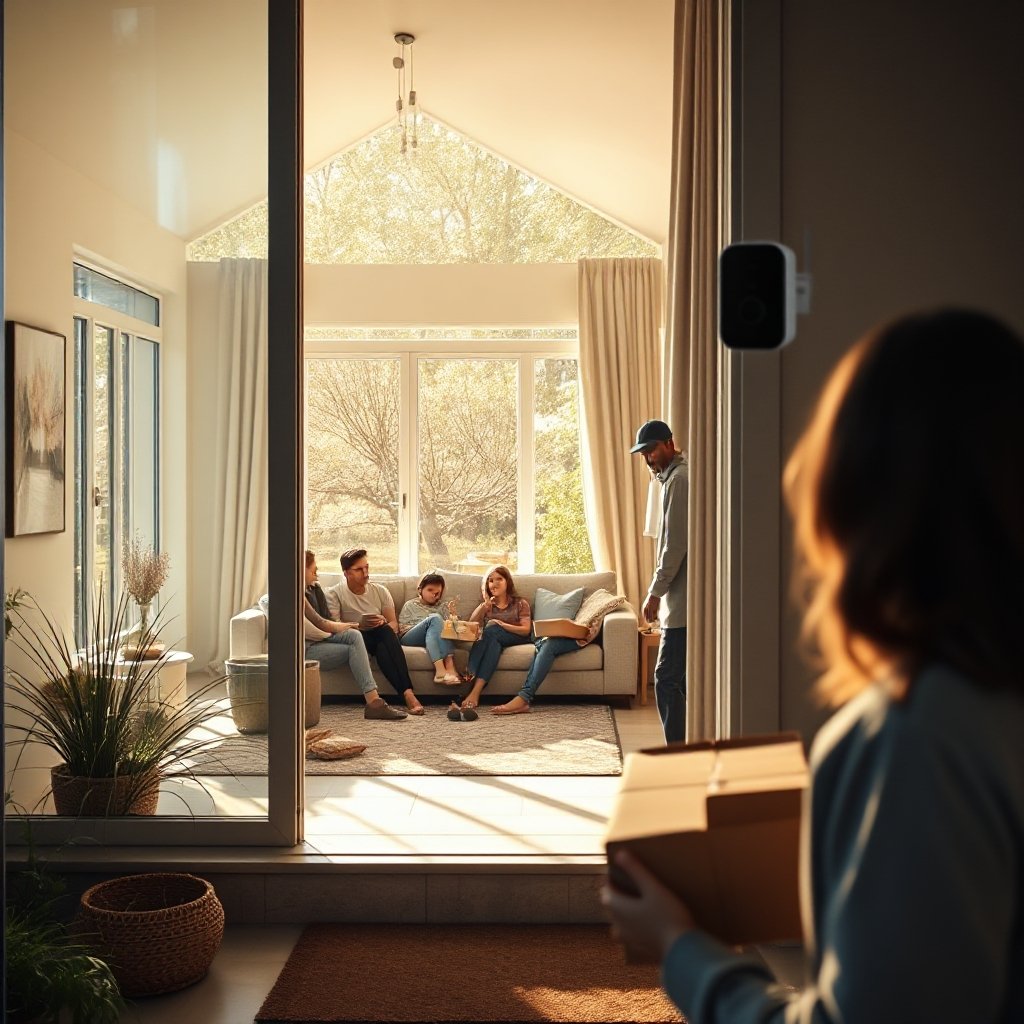
Ecosystem Compatibility and Privacy—Brand-by-Brand Breakdown
For many buyers, privacy and smart-home functionality are dealbreakers. Regulations like GDPR (Europe) and CCPA (California) add an extra compliance layer. Here’s a focused rundown:
- Ring: Deep Amazon Alexa integration, but cloud-centric and privacy concerns linger. Ring is gradually rolling out end-to-end encryption, but not on all devices.
- Nest Doorbell (Google): Google Assistant and Home compatibility, option for multi-user and family management. All cloud recorded; privacy settings evolving, but not always granular.
- Eufy: Supports Alexa and Google; HomeKit Secure Video (some models). Local storage, no default cloud. Privacy-first stance is a big plus, especially in Europe.
- Arlo: Works with Alexa and Google, local storage on base station for some models. Privacy record improving. Subscription needed for full features.
- Tapo (TP-Link): Integrates with Alexa and Google, increasing attention to privacy controls. Some free AI features.
Privacy compliance may impact certain features (like continuous recording or cloud archiving) in Europe versus North America. Always review what data leaves your home and how it’s encrypted. If privacy is your top priority, give preference to local storage models like Eufy or Blink. Pair your doorbell with modern alarm systems for a robust, low-risk setup.
Choosing for Houses vs Apartments—Bandwidth, Access, and Reliability
Not every doorbell camera fits every residence. Here’s how to avoid surprises depending on your home type:
- Single-Family Homes: Wired models are usually reliable, support larger storage, and can leverage existing wiring. Bandwidth is seldom a major issue. Access can be tightly controlled.
- Apartments or Condos: Go wireless to avoid building rules—look for models with strong battery life, Wi-Fi range, and compact footprint. Shared Wi-Fi networks can introduce connection issues and higher false alerts from communal areas. Many wireless cameras also require more frequent charging, especially in busy lobbies.
- Multi-Tenant Buildings: Check if your chosen brand supports multiple users, has guest management, or can handle shared entryways. Some brands now offer management apps designed for landlords and property management companies—saving time for both sides.
Performance data for apartment deployments is under-discussed. Prioritize camera systems with strong Wi-Fi (dual-band if possible), streamlined guest sharing, and robust privacy controls to avoid disputes or data exposure. Interested in maximizing privacy and function in small spaces? See our guide to best furniture for small spaces for a practical companion read.
Making the Final Decision—Checklist for YYYY Buyers
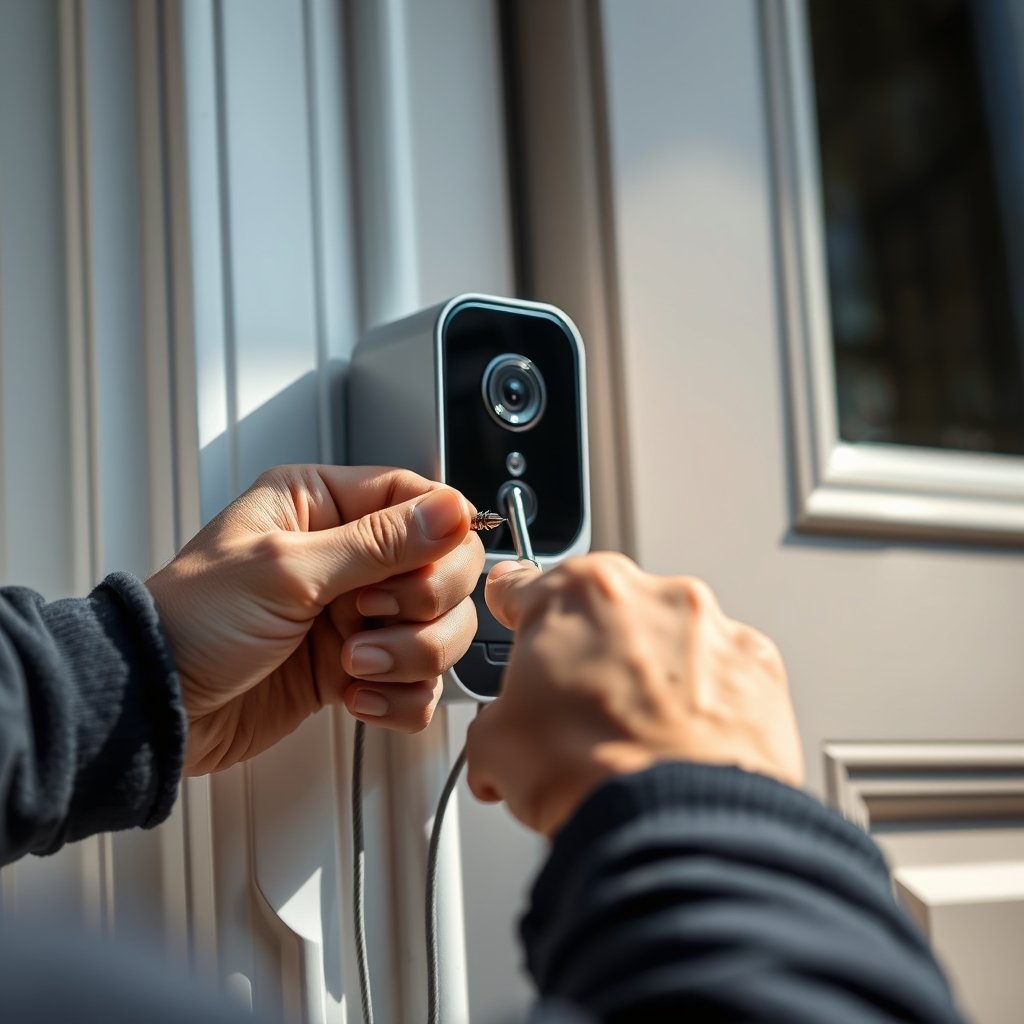
Before you commit, run through this quick checklist tailored to 45% of modern buyers who want a smarter, more personalized approach:
- Budget: Compare five-year cost—not just device price. Factor in storage, subscription upgrades, and any add-ons.
- Critical Features: Prioritize AI detection type (person/package/animal), customizable alerts, and night vision.
- Privacy and Compliance: Is local storage available? Explicit EU/US privacy compliance? Can you control data uploads?
- Smart-Home Ecosystem: Will this work with your Alexa, Google Home, or Apple HomeKit setup?
- Installation Suitability: Renters—look for wireless, removable options. Owners—wired for reliability if possible.
- Shared Access: Need shared home/guest management? This is vital for families and roommates in multi-unit dwellings.
- Support & Updates: Is the app updated regularly? What’s the reliability history for customer service and firmware?
The rapid adoption rate shows that buyers are no longer satisfied with generic recommendations. Tailor your decision using these factors, and circumvent the most common regrets seen on top search results (like hidden costs or complex installs). For ongoing peace of mind, see our home maintenance checklist to ensure your investment stays protected.
FAQ
Do I need to pay for a subscription to use a doorbell camera?
No, not always. Brands like Eufy and Blink offer local storage with no ongoing fees, but major features on Ring, Nest, and Arlo typically require subscriptions to unlock full cloud storage and advanced detection. Always check the storage and features included for free before buying.
Are video doorbells legal everywhere in the US and Europe?
Generally yes, but privacy laws such as GDPR in Europe and CCPA in California require that footage is handled responsibly. Landlords or HOAs may have installation restrictions in multi-tenant buildings, so check local rules first.
Can I install a video doorbell in an apartment?
Yes, but opt for battery-powered, adhesive-mounted models where possible. Hardwiring is not always permitted in rental units, and Wi-Fi coverage can be a challenge in dense buildings. Choose a model with proven wireless performance and easy support for multiple users or guests.
What’s the best brand for privacy-focused buyers?
Currently, Eufy and Blink are excellent for privacy, thanks to robust local storage and minimal default cloud data exposure. Both support encryption and offer advanced AI without mandatory subscriptions.
How do I avoid constant false motion alerts?
Pick models with customizable detection zones and AI-powered alerts that can differentiate people and packages from other motion. Place the camera carefully to avoid busy roads, shared hallways, or reflective surfaces that can trigger unnecessary alerts.
—