
### Blog Post:
Smart Home Security Systems are rapidly transforming how homeowners and renters safeguard their properties in 2026. For anyone weighing the decision to invest, it’s no longer just about buying cameras or alarms—today’s security solutions must deliver real integration, long-term value, and airtight privacy.
Key Takeaways
- More than half of U.S. households now own security cameras have reached majority adoption, with adoption of video doorbells and smart locks increasing fast.
- The best home security systems deliver seamless smart device integration but often come with privacy trade-offs and app frustrations.
- Evaluating ROI, long-term privacy, and cross-device performance is vital before making a smart home security decision.
- Smart Home Security Systems in 2026: Who’s Using What?
- The Smart Home Security Market: Growth, Leaders, and What Drives Adoption
- What Most Reviews Miss: Real-World Frustrations and User Complaints
- Integrating with Your Entire Home: Beyond Standalone Devices
- Security, Standards, and the Future: What’s Next in Smart Home Protection
- Is Smart Home Security Worth It? ROI, Costs, and Buying Considerations
- Frequently Asked Questions
Smart Home Security Systems in 2026: Who’s Using What?
The landscape for Smart Home Security Systems in 2026 has fundamentally shifted. Recent reports show that security cameras have reached majority adoption in the U.S.—52% of households own at least one, while 45% have installed video doorbells. By comparison, only 28% still maintain a traditional alarm system. That translates to around 75 million American homes equipped with some form of video security, and 59 million with smart doorbells.
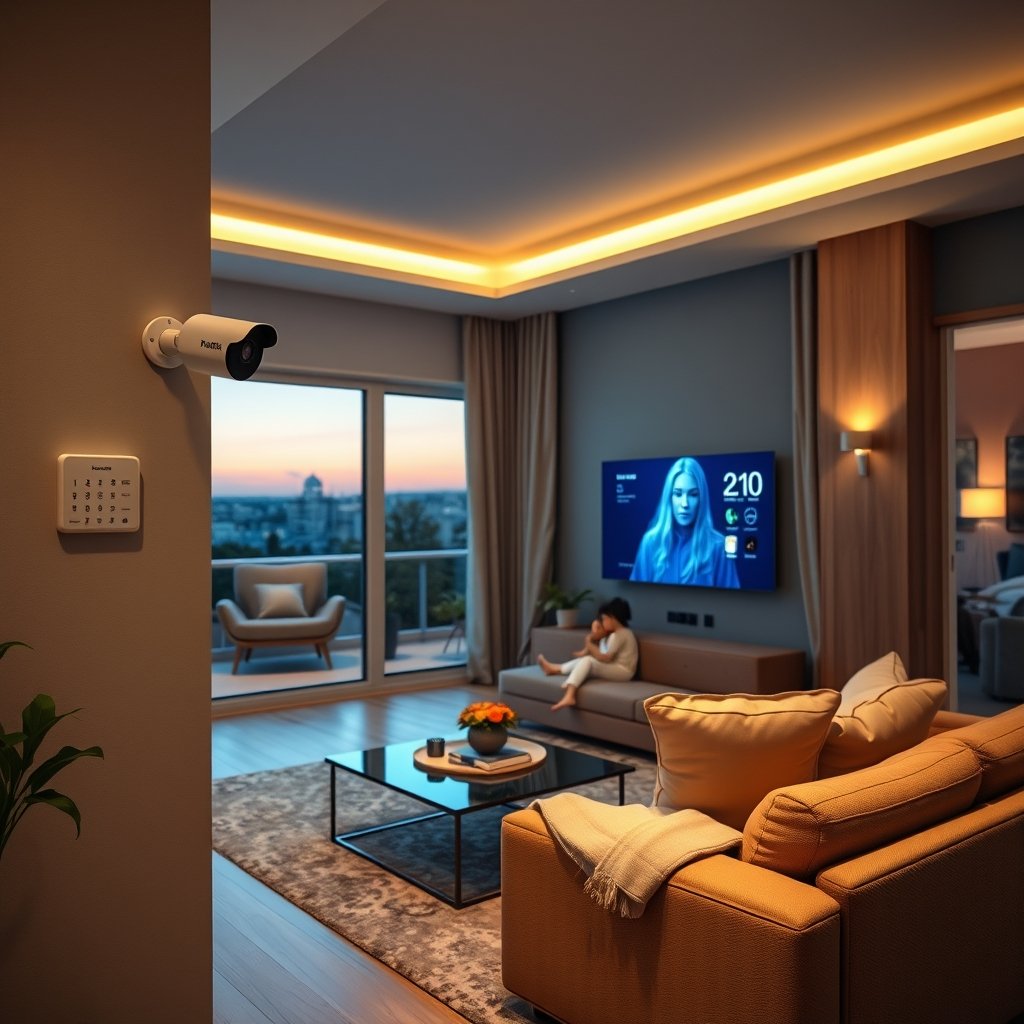
Demographically, tech-forward families in urban and suburban regions are leading this adoption curve. However, regional gaps remain—adoption rates still lag in certain rural and lower-income markets, where upfront investment in security cameras or the latest smart locks can be a barrier. Meanwhile, Asia-Pacific regions, such as Japan and Southeast Asia, are accelerating their own adoption rates due to increased crime and rapid urbanization. For more home improvement context, you can see how tech trends compare with other home improvement trends.
These numbers make it clear: Smart home security is no longer just a premium perk. For more stats, the SafeHome 2026 Home Security Market Report breaks down these trends year over year.
The Smart Home Security Market: Growth, Leaders, and What Drives Adoption
The global market for smart home security has crossed $3.86 billion in 2026 and is forecast to expand by 12-13% annually into the next decade. The U.S. remains the biggest market by far, but Asia-Pacific is catching up quickly. Industry leaders include ADT, Ring (Amazon), Google Nest, SimpliSafe, Vivint, Brinks, and Eufy. Smart cameras remain the largest product segment, followed closely by keyless entry and integrated solutions—especially as tech-savvy homeowners opt for keyless entry and integrated solutions.
What’s fueling the boom? The spike in property crime rates is a leading driver, as is a growing realization that digital solutions can be more reliable and convenient than old-school alarms. Feature-rich devices—think AI-powered motion detection, 24/7 cloud video recording, and app-based instant alerts—are in high demand. Markets like Japan and greater Southeast Asia also show rapid growth, with innovations in smart locks and multi-factor authentication targeting both urban and high-crime areas.
Curious how smart security fits into an overall connected home? Explore other smart home automation trends in energy, lighting, and more.
For deeper financial and competitive breakdowns, external research like the 2025-2032 Smart Home Security Market Forecast provides global projections and regional details.
What Most Reviews Miss: Real-World Frustrations and User Complaints
Despite glowing marketing, real-world users encounter plenty of headaches with video doorbells, security cameras, and smart locks. Privacy and data security loom largest—consumers worry whether their footage is safe from hackers or third-party data brokers. Notification fatigue is another widespread pain point, as many receive constant false alarms from passing cars, pets, or shifting shadows triggering motion sensors.
Connectivity can turn from a convenience to a frustration: spotty Wi-Fi or Bluetooth means missed alerts or unreliable smart lock access. App experiences, even on top-rated brands, are often inconsistent between platforms and updates—leading to user confusion, slow loading times, and frequent troubleshooting. Installation is rarely plug-and-play for true security; some users find hardwiring or double-checking privacy settings daunting, especially in older homes.
Battery-powered cameras and locks promise flexibility, but short battery life leaves many owners replacing batteries far more often than expected. Such installation woes are rarely highlighted in most buying guides. For homeowners aiming for a low-visibility setup, drawing on hidden elements can help—see these minimalist home concealment ideas.
Integrating with Your Entire Home: Beyond Standalone Devices
The true promise—and the main challenge—of Smart Home Security Systems is seamless integration within your broader smart home or IoT setup. Most basic systems work as standalone solutions, but homeowners increasingly expect their security cameras, smart locks, lighting, HVAC, and even appliances to “talk” to one another for maximum value.
Implementing this kind of integration means checking ecosystem compatibility: Will your security camera trigger smart lights on motion? Can smart locks link with your security cameras for automatic arming on exit? Brands like Google Nest and Ring have solid integrations within their own platforms, but linking across manufacturers can be hit or miss.
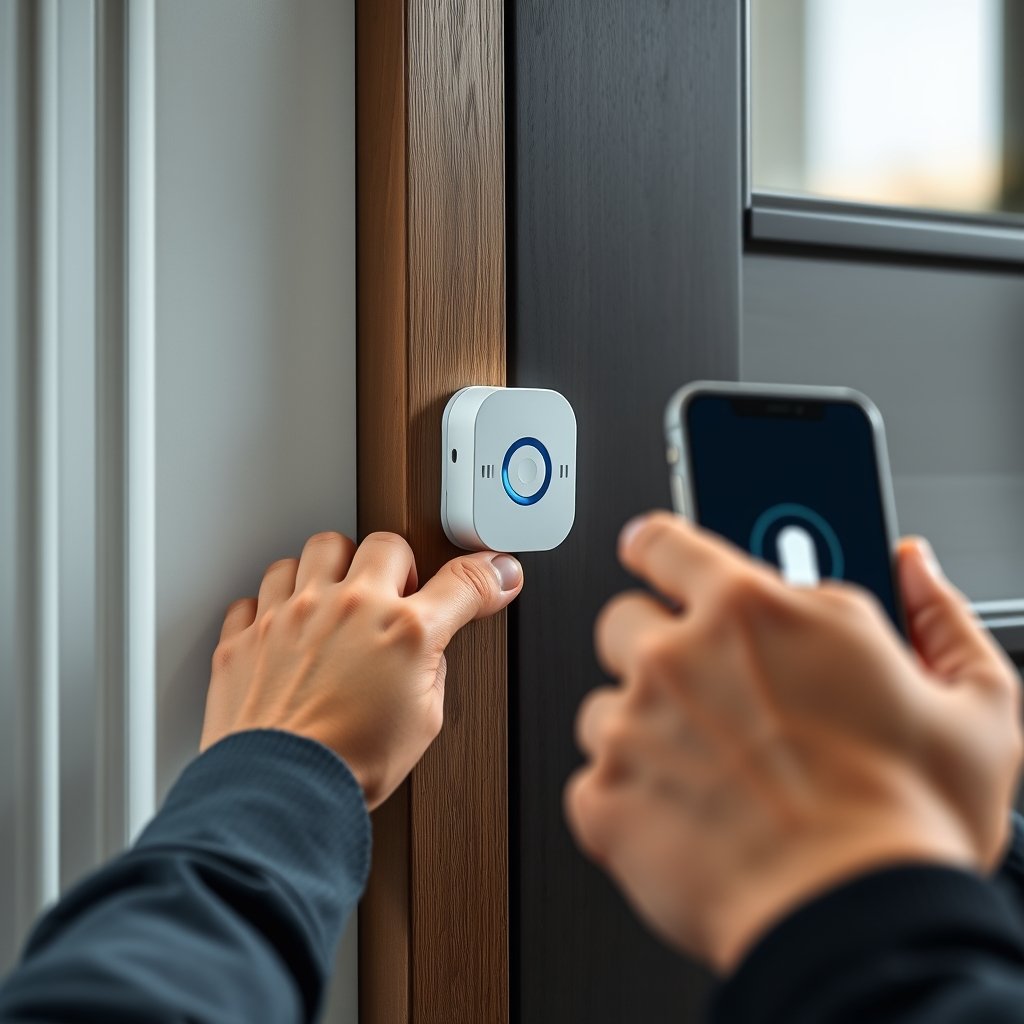
For renters or those who want a low-impact upgrade, consider DIY and wireless systems—but verify that you can export your settings or footage if you move. Integration doesn’t just mean linking gadgets; it’s about a frictionless, reliable workflow that adds peace of mind. For more on future-proof interior upgrades, check out modern home design trends.
Security, Standards, and the Future: What’s Next in Smart Home Protection
With mass adoption comes a new set of challenges—and big opportunities—in cybersecurity, regulation, and sustainability. Major brands are now racing to catch up with evolving data privacy standards, including local video storage, encrypted transmissions, and limited third-party access. Europe leads with regulatory requirements, while U.S. guidelines are catching up but remain fragmented by state. Failure to comply will put both consumers and brands at risk.
Artificial intelligence will revolutionize performance—edge-based analytics already allow security cameras to distinguish between humans, cars, or packages, reducing false alerts by up to 70%. Yet, reliance on constant connectivity or cloud AI also introduces new attack surfaces for hackers, elevating the risk if the underlying platform isn’t secure.
Sustainability is another emerging consideration. With tens of millions of new cameras and smart locks sold each year, the environmental impact of batteries, rare-earth materials, and device disposal is only beginning to be understood. Manufacturers are slowly responding with more energy-efficient products and recyclable packaging. Eco-friendly home upgrades are rising in parallel, and sustainability is expected to become a differentiator for discerning buyers.
For more about the latest hardware and regulatory news, see research such as SNS Insider’s 2026-2035 Smart Home Security Market Report.
Is Smart Home Security Worth It? ROI, Costs, and Buying Considerations
Upfront device costs, monthly fees, installation charges—these all add up. Equipping an average-sized home with Smart Home Security Systems (cameras, video doorbells, smart locks, and app subscriptions) can cost anywhere from $300 to $2,000 initially, plus $10 to $40 monthly for cloud storage or monitoring. High-end systems or professional installs climb higher.
Return on investment is more nuanced. Some insurance companies offer up to 15% discounts for certified smart security, potentially saving $100 or more per year. However, the biggest value for buyers is often peace of mind and the deterrence factor—homes with visible cameras or video doorbells report fewer break-ins and faster police response.
Many guides skip deeper cost-benefit analysis and ignore “hidden” expenses: battery replacements, device upgrades, or unexpected connectivity troubleshooting. Renters benefit from wireless DIY systems, which avoid damage—and can take their investment to the next location. For value-conscious shoppers, weighing upfront vs. recurring fees, device longevity, and ecosystem flexibility is critical. Affordable home upgrades that prioritize long-term savings are a smart parallel strategy.
| Device Type | Avg. Upfront Cost | Monthly Fees | Key Pros | Common Cons |
|---|---|---|---|---|
| Video Doorbell | $90 – $250 | $3 – $9 | Instant alerts, visitor verification | Privacy, subscription add-ons |
| Security Camera | $70 – $400 | $5 – $20 | Live view, deterrence | Battery life, Wi-Fi drops |
| Smart Lock | $100 – $400 | None-$5 | No keys, grant access remotely | Connectivity, install fit |
| Professional Monitoring | $0 – $300 (setup) | $20 – $40 | Guarantees response, no self-monitoring | Recurring costs |
As adoption continues to grow, the savviest buyers approach smart security like any home investment: evaluating both tangible and intangible returns, and assessing device and platform flexibility, privacy policies, and integration strength.
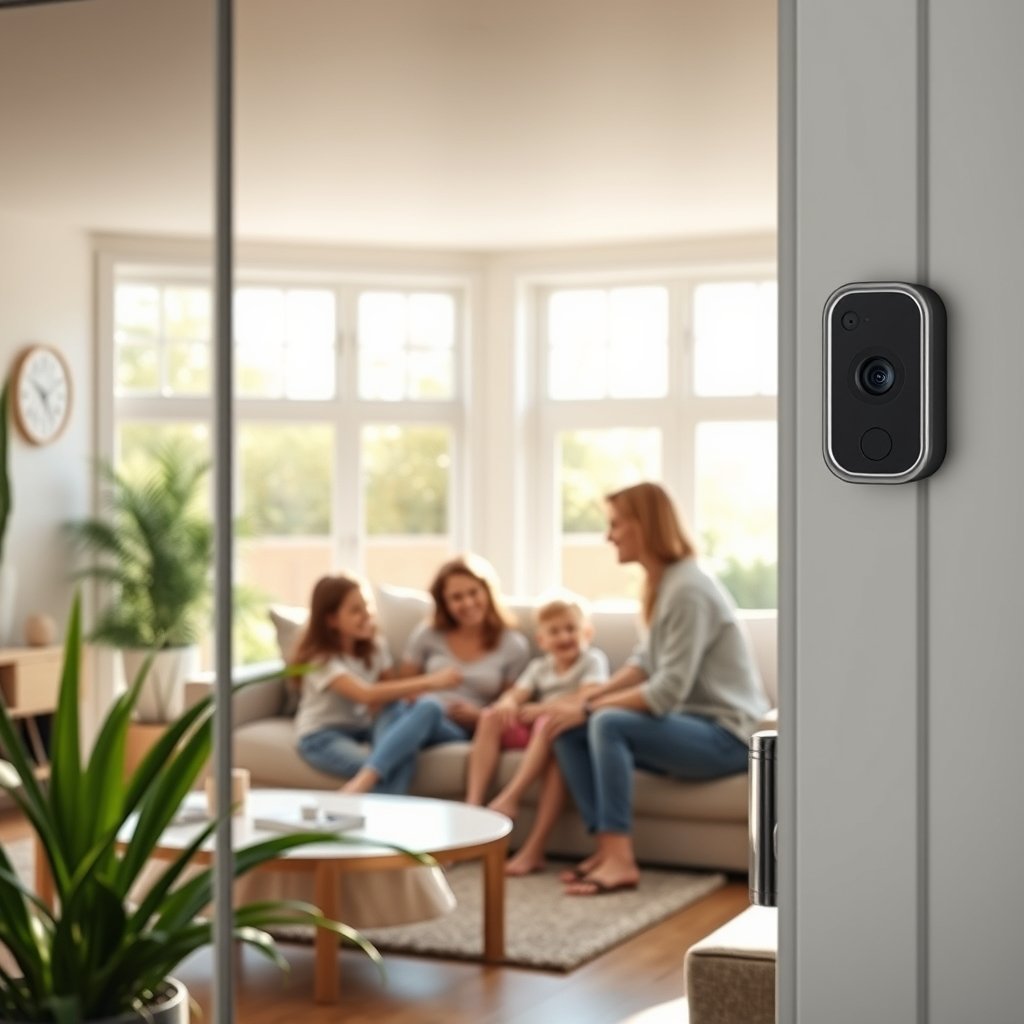
To maximize your ROI, consider pairing security with broader home improvements—from DIY home upgrades to energy monitoring and space organization.
Frequently Asked Questions
Are smart home security systems really more secure than traditional alarms?
Smart systems can be more flexible and responsive, but depend on proper setup and regular updates. Traditional alarms offer simplicity and no internet vulnerabilities, so combining layers can be ideal.
Can I install a smart home security system myself, or do I need a professional?
Most modern systems are DIY friendly, especially wireless models. However, hardwired setups or integrated solutions may require professional installation for optimal results and reliability.
Do smart home security devices impact my home insurance rates?
Many insurers offer discounts for professionally monitored smart security. Check with your provider—proof of device purchase and monitoring service may be required.
Will my smart home security work if the internet is down?
Many systems offer limited local functionality, such as recording to SD cards or triggering physical alarms, but app notifications and remote access generally require an active internet connection.
How can I keep my smart security footage private?
Choose systems supporting end-to-end encryption and consider local storage options. Always update devices, use strong account passwords, and review app permissions regularly.
Conclusion
Smart Home Security Systems have become a mainstream, data-driven necessity for modern homeowners and renters—delivering convenience, deterrence, and peace of mind, but also presenting new challenges in integration, cost, and privacy. Evaluate the whole ecosystem, not just the headline features, and always check for transparent data practices and long-term upgrade paths. Ready to build a safer home? Explore your options, compare systems carefully, and make smart security part of your next upgrade.
Browse the best smart home devices and security picks for 2026 or connect with a home tech professional today.
—