

Home Security Systems have become one of the smartest investments for homeowners across the United States in 2026. With more households adopting smart cameras, alarms, and video doorbells, choosing the right security setup has never been more important. But do these systems truly improve safety, or do they simply create more notifications and ongoing costs? In this guide, you’ll discover data-backed insights, the latest trends, common mistakes to avoid, and practical tips to help you choose the best home security system for your needs.
Key Takeaways
- In 2026, about 65% of US homes use smart home security systems, yet integration and reliability issues persist.
- Homes with smart security experience a 28-30% drop in burglary, but user pain points include false alarms, connectivity, and privacy concerns.
- The best systems offer proven integration, strong data privacy, and robust power/network backup—consider all before buying.
- Home Security Systems in 2026: Adoption Rates and Industry Trends
- Do Home Security Systems Actually Prevent Crime?
- What Owners Love—And Complain About Most
- 3 Critical Factors Most Reviews Overlook (But You Shouldn’t)
- Making the Right Choice—How to Select the Best Home Security Setup for You
- Frequently Asked Questions
Home Security Systems in 2026: Adoption Rates and Industry Trends
Home security systems have rapidly shifted from niche add-ons to what many now consider essential protection for US households. Recent surveys show that as of 2026, approximately 65% of homes have installed smart home security—mainly led by video doorbells now appear in 45% of US homes, smart locks in 30%, and upgraded alarm panels. Video doorbells now appear in 45% of US homes, smart locks in 30%, and wireless sensor-enhanced alarms in 25%.
This represents significant growth versus just a few years prior, with a notable jump in DIY adoption and upgrades to older, “dumb” alarm systems with smart components. The main change in 2024 is not just adoption but integration: households now expect devices like cameras, locks, and alarms to work with voice assistants, mobile apps, and other smart home devices seamlessly.
For homeowners thinking about appliance garages or hidden kitchen storage, this trend toward seamless, integrated home tech reaches beyond security to every room. Security systems must keep pace—not just in features but in how reliably and simply they fit into daily life.
External monitoring services remain common, but many users now blend pro monitoring with self-managed alerts, taking advantage of real-time notifications, smart locks, and video storage plans that were rare or expensive only a few years ago. This evolution means your system can be entirely app-driven or include direct links to law enforcement—however, one size does not fit all homes or lifestyles.
It’s now practical, not just trendy, for renters as well as homeowners. As adoption spreads, the challenge is less about “if” you need a system and more about which layers you need for your risks and habits.
Do Home Security Systems Actually Prevent Crime?
With such high adoption, the next logical question is: do home security systems work? Research from 2026 paints a clearer picture. Houses that use one or more smart security devices see a 28-30% lower rate of burglary compared to homes with no installed security monitoring. That’s a significant difference—especially when you consider that many break-ins happen simply because a house appears unprotected or is easier to access.
Combinations work best. For instance, systems combining video doorbells, smart cameras, alarms, and motion sensors dramatically increase deterrence while reducing false alarms by roughly 15% compared to old legacy setups. The synergy between cameras and motion-triggered alerts, in particular, increases effectiveness: when one device triggers, it corroborates or cancels another’s signal, pushing legitimate alerts forward and filtering out the pet, package, or random animal triggers that plagued early-generation systems.
Reliability matters, though. A setup is only as effective as its weakest link. If your Wi-Fi drops, batteries die, or a poorly configured rule mutes a vital sensor, you can lose critical moments of response. Careful setup, routine testing, and clear coverage zones all make an exponential impact.
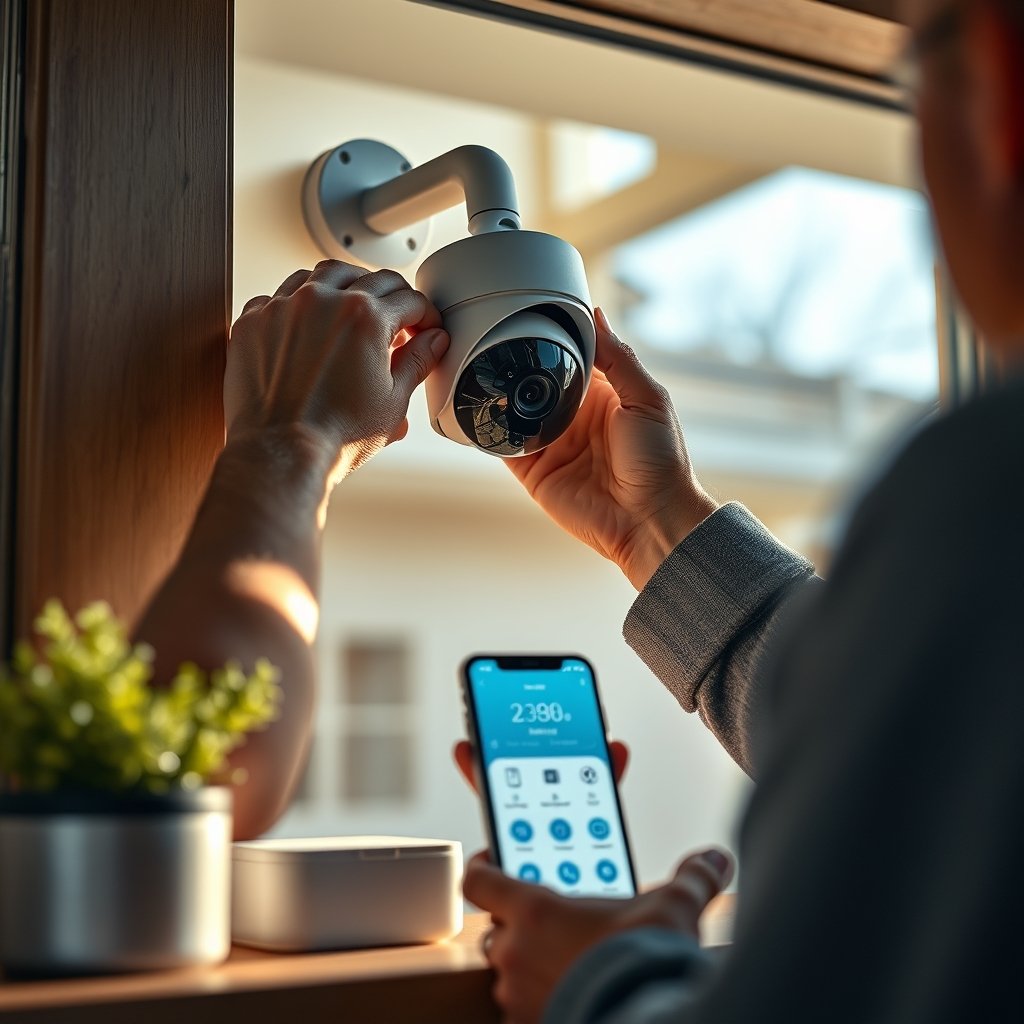
To get the best protection, focus on practical camera placement. Cover main entry points (front/back doors), driveway, and any easily climbed windows. Avoid privacy pitfalls by angling away from neighbor’s property. Change default passwords and enable two-factor authentication across apps for the strongest first-line defense.
If you are exploring broader smart home setups, see how security pairs with other smart home devices to save time and build a safer, more convenient routine.
What Owners Love—And Complain About Most
Just as quickly as US households adopt smart home security, new frustrations emerge. The most common issues aren’t about break-ins—they’re about how these systems work on a daily basis.
- False-motion triggers: Pets, passing cars, swaying tree branches, or wildlife often set off smart security cameras and home alarms, leading to alert fatigue and, eventually, ignored notifications.
- Connectivity problems: Wi-Fi or Bluetooth dropouts delay critical alerts or disconnect devices from the broader system. If your Wi-Fi goes out or slows during storms, monitoring can become unreliable.
- Battery performance: Many battery-powered Smart Security Cameras and locks require frequent recharging or swapping. This can leave gaps in protection—and often happens at the most inconvenient times.
- Data privacy fears: Concerns about cloud storage, data breaches, or the exposure of live camera feeds or access logs persist, as media reports highlight vulnerabilities or mishandled updates.
- Setup frustrations: Non-intuitive apps, inconsistent firmware updates, and difficulty integrating devices from different brands still frustrate even tech-savvy consumers.
According to a 2024 survey, the most cited consumer grievances are frequent false-motion or animal triggers, intermittent Wi-Fi/Bluetooth connectivity delays, short battery life, worries over data privacy and cloud breaches, and cumbersome setup or updates. As systems add new features, complexity can rise—sometimes making things less secure or reliable than old-school solutions.
Here’s a direct comparison:
| Feature | Smart Security (2024) | Legacy Alarms |
|---|---|---|
| Burglary Reduction | 28-30% lower compared to unprotected | 10-15% lower from signage alone |
| False Alarms | ~15% fewer when using camera/motion combo | High, esp. with simple motion sensors |
| Setup Usability | Can be complex (multiple apps), some easy kits available | Simple, but less flexible/customizable |
| Connectivity/Persistence | Depends on Wi-Fi, power, cloud | Wired, less prone to outages, fewer features |
| Privacy Controls | Need careful settings, regular updates | Minimal; data not stored online |
| User Complaints | App/connection issues, battery, integration quirks | False alarms, limited response |
Before you install, ask how much troubleshooting and learning you’re ready to take on. Not all systems—or brands—are equally intuitive or secure. If you plan major home improvement anyway, this could be the opportunity to run power or Ethernet for more reliable devices or to work with an installer who understands both tech and home construction.
For more hands-on DIY tips and reliability strategies, check out our resources for DIY home upgrades that boost function and peace of mind beyond just security.

3 Critical Factors Most Reviews Overlook (But You Shouldn’t)
Most home security system reviews focus on easy wins—camera resolution, app scores, installation. But in practice, three deeper issues drive long-term satisfaction, reliability, and actual security:
- Integration: Can your smart locks, cameras, and sensors all work smoothly with your broader smart-home ecosystem? For example, can your alarm trigger lights, or will voice assistants arm/disarm your system securely? Cross-brand compatibility is a must for most homes.
- Data Privacy and Cybersecurity: Are video feeds, access logs, and alarm signals properly encrypted in transit and storage? How often does the vendor update firmware and publish transparency reports? If you value data privacy, research the provider’s recent security record and understand your options for store footage locally and opt out of unnecessary cloud storage, and always enable two-factor login protection. Several big cloud breaches in recent years have prompted households to demand better guarantees and clearer settings.
- Infrastructure Reliability: Can your security monitoring continue during power or network outages? Battery backups for hubs and alarms, cellular alerts, and redundant connections should be considered if you live in an area with storm risks or unreliable utilities.
According to industry data: “The three most critical sub-topics: seamless device integration with smart-home platforms, robust privacy/cybersecurity for video/access logs, and infrastructure reliability for continuous, rapid-response monitoring.”
For a deeper understanding, the Home Security Tech for Peace Of Mind report offers useful context on how smart security now extends into every aspect of daily living—and why solid integration and security backups are non-negotiable for modern homes.
Want to avoid future headaches? Prioritize these factors along with device specs, warranties, and monthly costs when shopping for a new or upgraded system.
Interested in broader smart home energy use and automation? See our guide to the best smart home energy monitors to complement your security approach.
Making the Right Choice—How to Select the Best Home Security Setup for You
Home Security Systems continue to evolve, offering homeowners better protection, smarter automation, and greater peace of mind than ever before. The best system is one that fits your home, budget, and lifestyle while providing reliable monitoring, strong privacy protection, and dependable backup features. Before making your purchase, compare features carefully, read recent user reviews, and choose a solution that you can easily maintain. With the right home security system, you’ll enjoy improved safety and confidence for years to come.
1. Assess Your Risk and Layout: Do you need coverage for entrances and detached garages, or will a simple camera and smart lock suffice? Apartment residents may focus on one main door and a hallway view, while larger homes should cover outbuildings and side entries.
2. Vet Privacy and Data Protection: Before buying, check how your chosen system handles video, user logs, and app security. Ask if you can store footage locally and opt out of unnecessary cloud storage, and always enable two-factor login protection.
3. Plan Integration from the Start: If you already use home assistants or automated lighting routines, select devices that integrate natively; avoid “walled gardens” that might block future automation or voice control.
4. Anticipate Reliability Issues: Consider backup batteries, cellular failover, and hardwired options for any security monitoring that may be mission-critical (like elderly care or high-value property). Check that the system sends offline alerts so you’re never unaware of an outage.
5. Choose for Simplicity (When in Doubt): More features aren’t always better. Systems that are easier to arm/disarm and update will get used—and maintained—far more reliably. If setup seems confusing, look elsewhere or seek professional help.
Always read recent user reviews and look for confirmed fixes to issues reported in 2022-2023 (such as battery drain or app lag). If a product still has many new complaints about the same flaws, it’s often best to wait or look for alternatives.
Thinking of improving other areas of your home? Explore home renovation and maintenance guides to coordinate upgrades without costly overruns or rework.
Summing up: choose a system that matches your lifestyle, is proven to reduce break-in risk, and solves—not creates—daily hassles. Testing devices before full install, keeping firmware up-to-date, and maintaining physical security habits (locking doors, checking alerts) ensure your new tech delivers the peace of mind you’re looking for.
Frequently Asked Questions
Are home security systems worth it for renters?
Yes, especially as most modern Smart Security Cameras, alarms, and smart locks are wireless or peel-and-stick. Renters can secure entrances and monitor packages without modifying property or signing long contracts.
Will my home insurance give a discount for installing a security system?
Many insurers offer small discounts for verified home security systems—usually 3-10% off annual premiums, but requirements and savings vary.
What can cause a loss of coverage or monitoring?
Wi-Fi outages, power failures, low batteries, and lapsed cloud subscriptions are the biggest risks. Choose systems with battery backup or cellular connections for higher reliability.
How often should I test or update my system?
Test all devices monthly and update apps/firmware as soon as patches are released. This maintains performance and helps prevent breaches or glitches.
What privacy steps should I take after installing smart security devices?
Change all default passwords, enable two-factor authentication, use local storage if possible, and review cloud/app privacy settings frequently.
—
[…] give high marks to modern Home Security Systems for their reliability and convenience. Real-time alerts, clear footage, and the ease of checking in […]