

### Blog Post:
Smart home energy monitor adoption is exploding in 2026 as homeowners look for proven ways to cut utility bills, but the reality isn’t as simple as saving a few dollars every month. This guide goes beyond hype—sharing fresh ROI stats, honest user reviews, and the crucial strategies big-box guides tend to ignore.
Key Takeaways
- Smart home energy monitors typically save homeowners 5–15% on electricity, with a 200–300% ROI over 3 years.
- Common frustrations: Wi-Fi issues, inaccurate readings, tricky installation, and glitchy mobile apps.
- Few guides address smart tariff integration, long-term behavior tracking, or the risks of sharing continuous energy data.
- Why Smart Home Energy Monitors Are Booming in 2026
- Do Smart Energy Monitors Really Save Money? The Numbers That Matter
- Real Homeowner Experiences—The Good and the Frustrating
- 3 Hidden Considerations Everyone Overlooks in Energy Monitoring Guides
- Making the Most of Your Smart Home Energy Monitor
- FAQ: Smart Home Energy Monitor
Why Smart Home Energy Monitors Are Booming in 2026
In 2024, the global smart home energy monitor market topped $2 billion, surging at an impressive 17% annual growth rate[8]. Spiking utility costs have nudged energy-conscious homeowners in the US and UK to seek out home energy monitors for two big reasons: tracking down waste and outsmarting rising bills. Residents want real-time data, smarter control, and technologies that let them act on what they learn.

Modern monitors now lead the smart energy device pack—beating out smart thermostats and lights—as the top upgrade for those interested in home efficiency. According to market reports, brands like Siemens and Schneider have rushed to deliver interconnected systems that visualize whole-home energy—and, increasingly, even pair with solar panels[1]. But before you buy in, it pays to get real about what these devices can (and can’t) deliver.
Do Smart Energy Monitors Really Save Money? The Numbers That Matter
Tired of unclear claims? Here’s what recent field studies and meta-analyses show about electricity usage monitor savings:
- 5–15% lower electricity use is typical after installing a whole-home monitor[3].
- Payback time: Almost always within 12–36 months, depending on your home’s baseline energy habits and utility rates.
- ROI: Calculations suggest a 200–300% return within 3 years for most households, even higher if you own a larger home or use above-average power.
What drives these savings? The main effect is behavioral: seeing your own power spikes is a shock, and most people quickly find a few big wasters—like an old fridge, block heater, or inefficient always-on devices. From there, it’s possible to make smarter decisions: use automation, upgrade specific appliances, or shut down culprits with smart plugs.
Real-life tip: Pairing your electricity usage monitor with other energy saving devices—like smart thermostats or solar-ready modules—lets you track net consumption and optimize based on time of day rates.
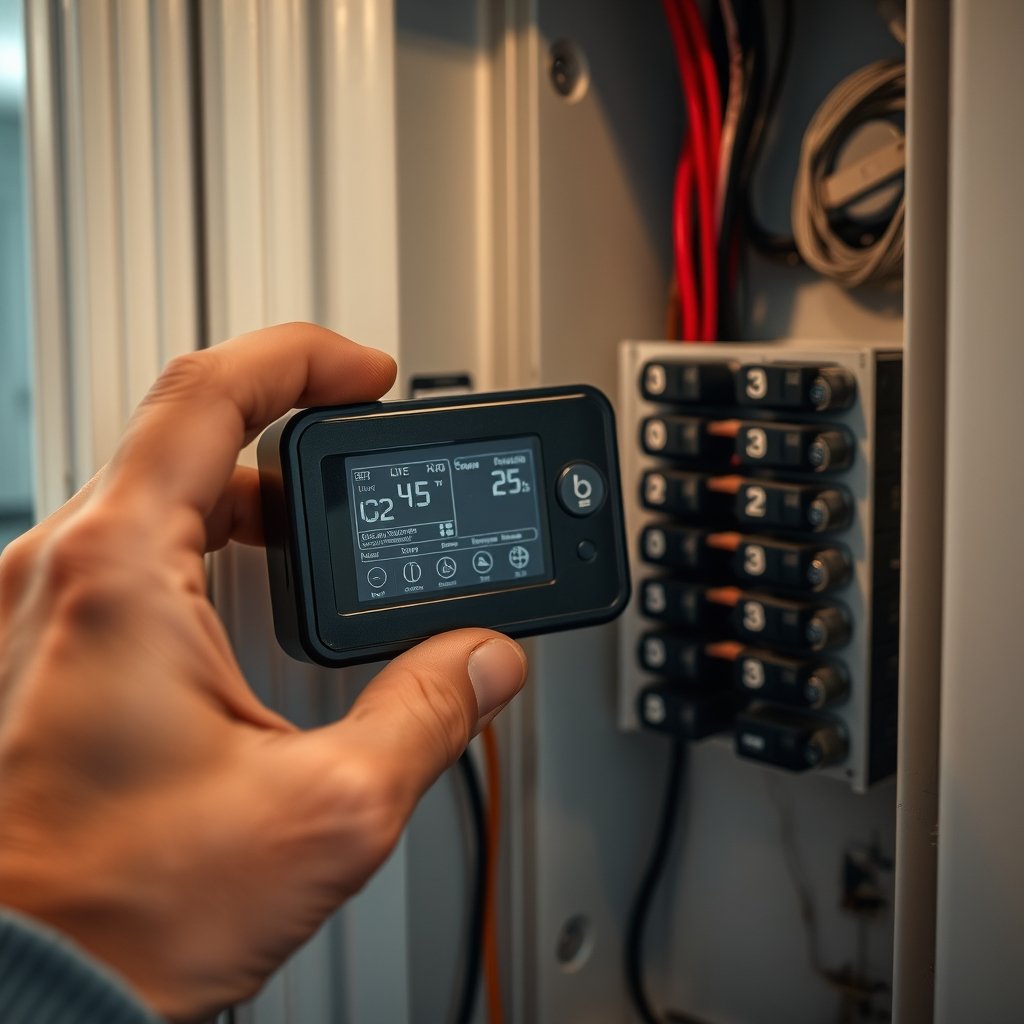
If you’re renovating, upgrading appliances, or planning a new kitchen, consider combining your smart home energy monitor with minimalist kitchen design strategies. Lowering appliance clutter and choosing high-efficiency devices multiplies the monitor’s value.
Real Homeowner Experiences—The Good and the Frustrating
No technology is magic, and real users are candid about both the wins and the headaches. Here’s what honest reviewers say about today’s most popular home energy monitors:
| Benefit | Common Frustration | Pro User Tip |
|---|---|---|
| Pinpoints major waste sources, appliance by appliance (Palmetto). | Spotty Wi-Fi or app disconnects—especially if your router is far from the panel. | Install a Wi-Fi repeater near the electrical panel to reduce data dropouts. |
| Helps verify solar production and net energy flow. | Inconsistent app readings versus your utility bill. | Run monthly manual meter comparisons and recalibrate if discrepancies persist. |
| Encourages behavior changes through real-time feedback. | Panel-level installs can be complex if you have an older or crowded electrical box. | hire a licensed electrician for initial install—especially for submetering or whole-panel monitors. |
| Supports energy saving habits and can set actionable goals. | Mobile apps are often buggy or slow to sync after software updates. | Check app reviews for update history—stick to brands with frequent, transparent fixes. |
Unfiltered complaints also highlight slow or non-existent customer support and a lack of transparent privacy policies around your continuous household data[6]. Before committing, spend some time in user forums or Reddit threads to see real installation and support stories—these heavily impact long-term satisfaction for cost-focused energy upgrades.
If your kitchen layout is tight or you want to streamline daily use, also explore space-saving cabinets that combine hidden appliance storage with access to outlet circuits you want to monitor.
3 Hidden Considerations Everyone Overlooks in Energy Monitoring Guides
Most big brand guides skip three critical issues that can make or break your home efficiency investment:
- Integration with modern tariffs: Not all electricity usage monitors work with time-of-use or demand-response rates. If your utility bills vary by time or peak events, ensure your monitor displays real-time cost, not just kilowatt hours.
- Tracking long-term behavior: Real-world savings come from habit shifts. Does your device offer month-over-month comparisons and actionable recommendations? Many apps provide only basic daily graphs, leaving major trends invisible.
- Data privacy and security: Most smart home energy monitors send usage data to the cloud. Few brands are upfront about how long they store your home info, who it’s shared with, or how account breaches are handled. Always read their privacy commitments before installation.
These overlooked areas can majorly impact both savings and peace of mind—especially as smart energy tracking becomes a permanent fixture of connected homes. If you’re updating wall finishes or considering new wiring, you might combine your installation with limewash paint for a fresh, efficient look that adds real resale value, too.
Making the Most of Your Smart Home Energy Monitor
Ready to maximize your investment? Here’s how to get the most from any smart energy tracking device:
- Choose the right device: Research compatibility with your panel, desired features, and check honest user reviews, just like you’d compare designer home lighting before buying.
- Streamline installation: Unless you’re replacing an outlet-level plug, hire a pro for panel-level installs. It’s safer, quicker, and avoids headaches down the line.
- Integrate with home ecosystem: Connect your monitor to smart plugs, thermostats, or APIs to automate waste reduction. Some brands let you control appliances remotely based on real-time data.
- Monitor, set goals, and act: Use your monitor’s app or desktop interface to set energy goals, schedule reports, and create custom alerts for high-use events like running a dryer or space heater.
- Revisit and adapt: Check monthly summaries. Look for new patterns—what worked, what didn’t? Use this data to plan future upgrades, or to argue for energy-smart appliances in a butler’s pantry or kitchen remodel.

Don’t forget, the best savings come over time. Keep an eye on seasonal shifts, run occasional manual meter audits, and revisit your app’s update notes for new features and bug fixes. For outdoor areas, efficient setups paired with covered patio ideas can minimize summer cooling costs—which you’ll now see displayed in black and white, not just in your monthly bill.
Conclusion
Smart home energy monitors have moved beyond hype, delivering real savings, actionable data, and often a 200% ROI (or more) for proactive homeowners. Yet to avoid frustration, you’ll need to look past flashy marketing: install thoughtfully, demand privacy transparency, and plan for a learning curve. Whatever your goals—whether optimizing an appliance garage or upgrading your whole home—using a smart home energy monitor brings efficiency, control, and clarity to your energy use. Ready to take control? Compare devices, get installation done right, and harness the data for ongoing savings.
FAQ: Smart Home Energy Monitor
How much can I really save with a smart home energy monitor?
Most homeowners report 5–15% electricity savings, with ROI of 200–300% over three years. Actual results depend on your starting habits, local rates, and how proactively you respond to usage insights.
Is installation complicated or dangerous?
Outlet-level models are easy, but whole-home or panel-installed monitors usually need a licensed electrician for safe, code-compliant setup—especially in older homes.
Do smart energy monitors work with solar panels or time-of-use plans?
Many do, but not all—check product specs for solar readiness and tariff integration. This helps track net usage and react to fluctuating utility prices.
How accurate are energy monitors versus my utility bill?
Good models are usually within a few percent, but accuracy drops if your Wi-Fi is unstable or the wiring is old. Always cross-check app data with your bill monthly, especially after updates.
What about privacy—who can see my household’s usage?
Most brands upload your data to the cloud. Read their privacy policy: some anonymize or never share, while others may sell or retain data for years. Choose devices with clear policies and strong app security.
—

[…] energy efficiency early—tools like a smart home energy monitor make it easier to track and manage usage as your new luxury bathroom comes on […]
[…] with other smart technologies. You can read more about hidden kitchen storage trends and energy monitoring devices for in-depth, actionable […]
[…] Want to monitor savings in real time? Consider a smart home energy monitor. […]
[…] you value future-proof tech or need to expand with new smart home systems down the line, keep these factors in mind as you […]
[…] energy use. Smart cameras, when plugged in 24/7, add to your baseline energy load. See our guide on smart home energy monitors for ways to track and minimize this hidden […]
[…] For more on pairing security with smart energy savings, see our Smart Home Energy Monitor Guide. […]
[…] Want to maximize your home’s value and security? Smart devices also pair perfectly with energy monitors—see how with this handy guide to smart home energy monitoring. […]
[…] those seeking to make their homes even more connected and efficient, consider adding a smart home energy monitor for complete […]
[…] Integrate with lighting and energy monitors so your system works with your routines. See how smart home energy monitors can tie in. […]
[…] For a look at complementary smart home upgrades focused on energy efficiency, explore this energy monitor guide. […]
[…] DIY installations now outpace professional ones (49% vs. 42%), but mixing brands without a plan risks headaches with software updates and ecosystem support. See how smarter upgrades impact your home’s energy profile in our energy monitor guide. […]
[…] smart lock battery dies on a freezing night. True compatibility with energy monitoring devices like smart home energy monitors is another underexplored consideration if you’re building a wider connected […]
[…] thermostat upgrade with other high-ROI home improvements such as smart insulation, or real-time energy monitoring. Homeowners with older systems, multiple zones, or vacation properties will benefit […]
[…] real-time energy use from your fans and AC—quantifying actual ROI before and after your upgrade. Check out our smart home energy monitor guide for top picks. 🔥 Hacks & Tricks: Install ceiling fans with reversible motors. In summer, […]
[…] swapping or if water quality dips.[6] Thoughtful integration with smart energy monitors—see our smart home energy guide—offers additional peace of mind for tech-forward […]
[…] energy costs and attract future buyers. These upgrades are quick wins, especially partnered with an energy monitor for tracking […]