

### Blog Post:
Interior Painting Tips can make the difference between a stunning DIY transformation and a disappointing mess. If you want a pro-level finish without the professional price, the right strategy, tools, and paint color ideas matter more in 2026 than ever before.
Key Takeaways
- Avoid rookie mistakes by prepping surfaces, choosing the right paint finishes, and investing in quality painting tools for best results.
- Stay on trend with 2026’s top paint color ideas — earthy greens, muted blue-greens, and warm neutrals—but always test colors in your actual lighting.
- DIY wall painting is achievable for first-timers, but details like primer, roller quality, and careful budgeting separate a stylish room makeover from a regretful redo.
- Avoiding the Most Common Interior Painting Mistakes
- Choosing the Right Paint Finish and Color for Your Space
- Trending Paint Color Ideas for 2026
- Must‑Have Painting Tools for a Successful Room Makeover
- Budgeting Your Interior Painting Project: 2026 Cost Guide
- Conclusion
- FAQ
Avoiding the Most Common Interior Painting Mistakes
Every year, homeowners set out with good intentions and a bucket of paint—only to face smudges, streaks, patchy walls, or color separation within weeks. The root cause of most issues: skipping key interior painting tips like proper prep, using the wrong roller, or not testing paint samples on your actual wall.
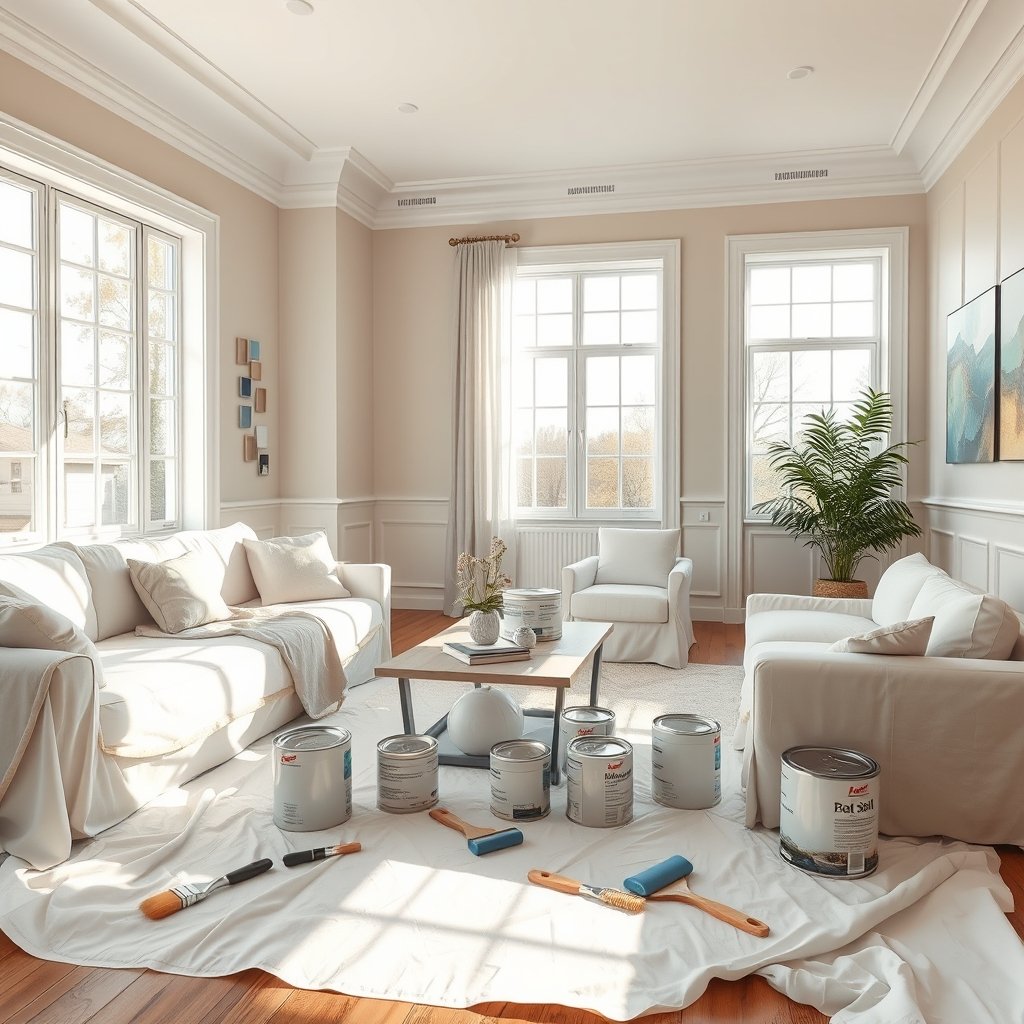
Here’s what consistently ruins DIY wall painting projects—and how to avoid them:
- Overloading your brush or roller: More paint isn’t better. Overloading creates drips and uneven coverage. Instead, load lightly, tap off the excess, and apply thin, even coats (source).
- Skipping primer: If you paint directly on drywall, stains, or repaired patches, expect blotchy, dull results. Primer seals and smooths the surface, ensuring better paint adhesion and a professional finish (source).
- Using cheap or incorrect painting tools: Bargain brushes shed bristles and create streaks. The wrong roller nap leaves lint or texture, especially on smooth walls.
- Ignoring lighting: The same color can look warm beige in the morning and sickly yellow at dusk. Failing to view paint swatches in your room’s changing light leads to disappointment.
- Not waiting between coats: Trying to touch up or roll over drying paint causes visible marks, uneven sheen, and peeling.
- Choosing paint colors without context: A color that’s trending online might clash with your flooring or furnishings, or feel garish as lighting shifts through the day.
These mistakes waste paint and cause frustration—yet each is absolutely avoidable with a little know-how and discipline.
For those who want to take paint confidence further, check out professional dos and don’ts for choosing paint.
Choosing the Right Paint Finish and Color for Your Space
To truly get a stylish, durable finish, you need to balance aesthetics with practicality. Start with two strategies: the science of paint finishes, and the art of color choice.
- Matte/Flat Finish: Forgiving on imperfect walls, but marks easily. Best for low-traffic rooms (bedrooms, ceilings).
- Eggshell/Satin: Slight sheen, more washable. Ideal for living rooms, dining areas, and hallways.
- Semi-gloss/Gloss: Reflective and extremely durable. Use for kitchens, baths, doors, or trim—but imperfections stand out.
Remember, paint finishes are about both function and aesthetics. High‑gloss makes old walls look even more beat up, while an all-matte room can feel flat and dull.
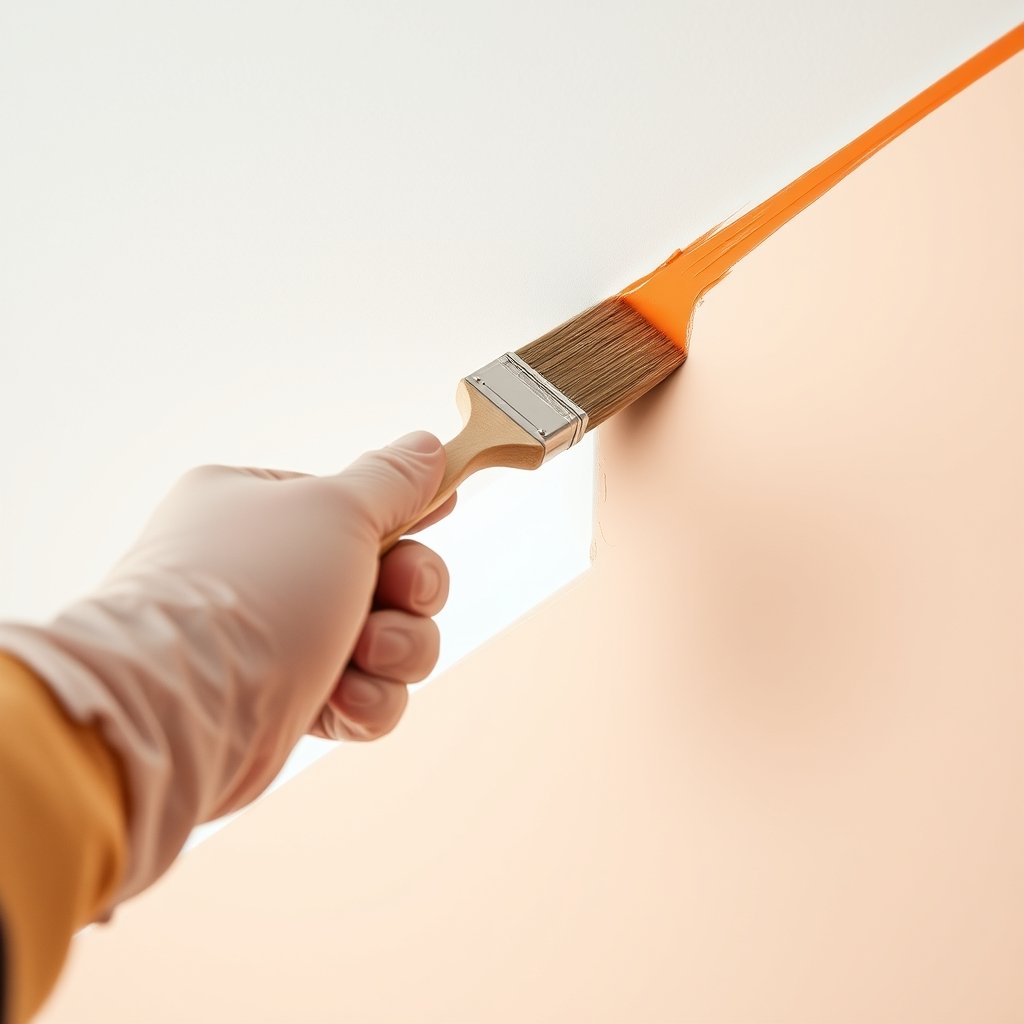
Color is equally personal and strategic. In 2026, homeowners are excited by paint color ideas that feel fresh but also timeless. But beware: many regret jumping on a trend without considering room lighting (cool north-facing rooms can kill warm hues) or their home’s permanent features—like flooring and cabinetry.
- Test swatches on every wall: Light in corners can be totally different from by the window.
- Use color-matching tools: These help match a vibe or favorite decor item instead of relying on memory or phone screens.
- Remember the flow: Pick colors that coordinate from room to room for a cohesive, non-jarring design.
Pro designers say the top regret is chasing what’s “hot” rather than investigating what fits your unique light and layout (source).
For a bold approach, check out color drenching techniques to create stunning, monochromatic room makeovers.
Trending Paint Color Ideas for 2026
Stuck on which colors actually work in real living spaces? In 2026, the best room makeovers balance nature-inspired calm, timeless character, and comforting warmth.
- Earthy greens – Reconnect your space to nature for a tranquil, cozy effect.
- Muted blue-greens like “Sea Salt” – Calming, restorative, and universally flattering. A top pick from Sherwin-Williams.
- Warm neutrals: Soft beige, subtle creams, and gentle taupe anchor any style and never go out of fashion.
- Deep charcoals & dramatic near-blacks: Fantastic for accent walls or built-ins.
- Subtle pastels and jewel tones: Soft blush, distracted lavenders, or understated sapphires add color that won’t soon look dated.
Color trends are about inspiration—not blind copying. Always view a “trend” with your flooring, trim, and daylight in mind before buying gallons.
If you want your whole home to look modern and intentional, try layering color with limewash paint or explore how designers integrate space-saving cabinets to highlight bold wall hues.
Pro designers note: Bold color drenching or monochrome walls are especially hot in 2024. This look, achieved with careful paint consistency and matching trim, can transform even ordinary spaces on a DIY budget (source).
Must‑Have Painting Tools for a Successful Room Makeover
Forget plastic two-packs of paintbrushes at the checkout counter. The right tools set you up for real, lasting success—especially if your room makeover involves high walls, crisp edges, or textured surfaces.
- High-quality angled brush: Crucial for clean cutting along trim and tight corners. Brands like Purdy excel (expect to spend $10-$15).
- Correct roller nap: Use 3/8″ nap for smooth walls, 1/2″ for lightly textured ones.
- Reliable primer: Ensures even color and blocks stains.
- Sturdy roller frame with extension pole: Reduces ladder work and fatigue.
- Painter’s tape: Choose low-tack tape for clean edges with minimal residue.
- Drop cloths: Canvas is best—plastic can be slippery.
- Sanding block or fine-grit sandpaper: Smooths walls for a flawless finish.
- Sturdy ladder: For safe access to high spots and ceiling lines.
- Paint tray with scraper: Keeps roller loads light and even; a scraper extends tray life and skips waste.
Expect to invest $50-$100 in quality tools for a mid-sized room, plus consumables (source). The payoff is less frustration and years’ longer paint life.
Want to go beyond paint? Complement your refreshed walls with on-trend additions like a statement chandelier or shop smarter at your local home improvement center.
Serious about DIY upgrades? Explore curated power tool advice in our best power tools guide.
Budgeting Your Interior Painting Project: 2026 Cost Guide
One of the fastest ways a DIY paint project blows up is by underestimating both paint and tool costs. Here’s a 2024 breakdown for a standard 12-by-15 foot room:
| Item | Low-End Cost | High-End Cost | Notes |
|---|---|---|---|
| Paint (2 Gal, Quality Brand) | $50 | $110 | Low-cost paint may need 3+ coats, erasing savings |
| Primer | $15 | $30 | Essential for cover & adhesion |
| Roller Frame + Roller (2) | $10 | $20 | 3/8″ nap for smooth walls |
| Angled Brush | $8 | $18 | Quality = better edge control |
| Painter’s Tape | $6 | $12 | Low-tack for clean lines |
| Drop Cloths | $5 | $20 | Canvas is reusable |
| Misc (Sanding, Tray, Pole, etc.) | $10 | $30 | Don’t forget ladder access |
| Estimated Total | $104 | $240 | Skimping on quality can cost more in the long run |
Buying the cheapest paint or tools often means needing more coats and wrestling with patchy or uneven walls. If you want to splurge, invest in premium brushes and rollers—you’ll reuse them for years and get a genuinely professional result.
For more ways to get the most value from your DIY investments, don’t miss our practical home improvement ideas for 2026.
Conclusion
Interior painting success in 2026 is about blending smart prep, on-trend but timeless color choices, and the best possible tools your budget allows. With these interior painting tips, even first-time homeowners can avoid the most common mistakes and achieve long-lasting, beautiful results. Ready to give your room a fresh start? Invest a little extra upfront and enjoy professional-looking walls for years.
FAQ
What is the best paint finish for a living room?
Eggshell or satin finishes work best for living rooms. They are easy to clean and reflect just enough light for a soft, classic look.
How do I estimate how much paint I need?
Measure your room’s total wall square footage, subtract window and door areas, and divide by the paint’s coverage (usually 350-400 square feet per gallon). Add extra for surfaces needing two coats or if using lighter colors over dark ones.
Can I skip primer if my walls look clean?
Skipping primer risks poor adhesion, uneven color, and patchy spots—especially on repaired areas. Using primer always leads to smoother, more professional results.
What’s the biggest rookie mistake in wall painting?
Overloading your brush or roller with paint. It leads to drips, streaks, and a patchy finish. Always use thin coats and let each coat dry fully.
Where can I find more DIY project inspiration?
Check out our DIY Home Improvement guide for actionable tips across your whole house.

[…] Fresh interior/exterior painting ($1,200–$2,500): 70–80% ROI. Instantly refreshes any space. For color trends and step-by-step tutorials, check out our interior painting guide. […]