

Pocket door cabinets are transforming high-function kitchens by maximizing storage and maintaining sleek lines, but the reality behind their rise involves more than just eye-catching aesthetics.
Key Takeaways
- Pocket door cabinets are now included in approximately 10% of 2026 kitchen remodels, with pocket pantry doors found in 12% of projects—almost doubling since 2022.
- Hardware failures and track misalignment top user complaints, but advanced solutions like soft-close gear systems and metal reinforcement offer real durability gains.
- Adopting pro-grade installation tips and regular maintenance ensures pocket cabinet longevity, especially in smaller urban kitchens or rentals.
- The Rise of Pocket Door Cabinets in Kitchen Design (2026)
- Step-by-Step Guide: Installation & Modern Pocket Cabinet Ideas
- Advanced Analysis & Common Pitfalls
- Conclusion
- FAQ: Pocket Door Cabinets
The Rise of Pocket Door Cabinets in Kitchen Design (2026)
Pocket door cabinets have moved from fringe trend to a measurable staple in today’s kitchen cabinet trends. According to the National Kitchen & Bath Association, nearly 10% of all kitchen renovations in 2024 have integrated pocket door cabinets, while pocket pantry doors feature in approximately 12%—a significant jump from only 7-8% in 2022. This uptick aligns with homeowners’ desires for space-saving solutions and more multifunctional storage, especially in high-density housing, small city apartments, and rental units.
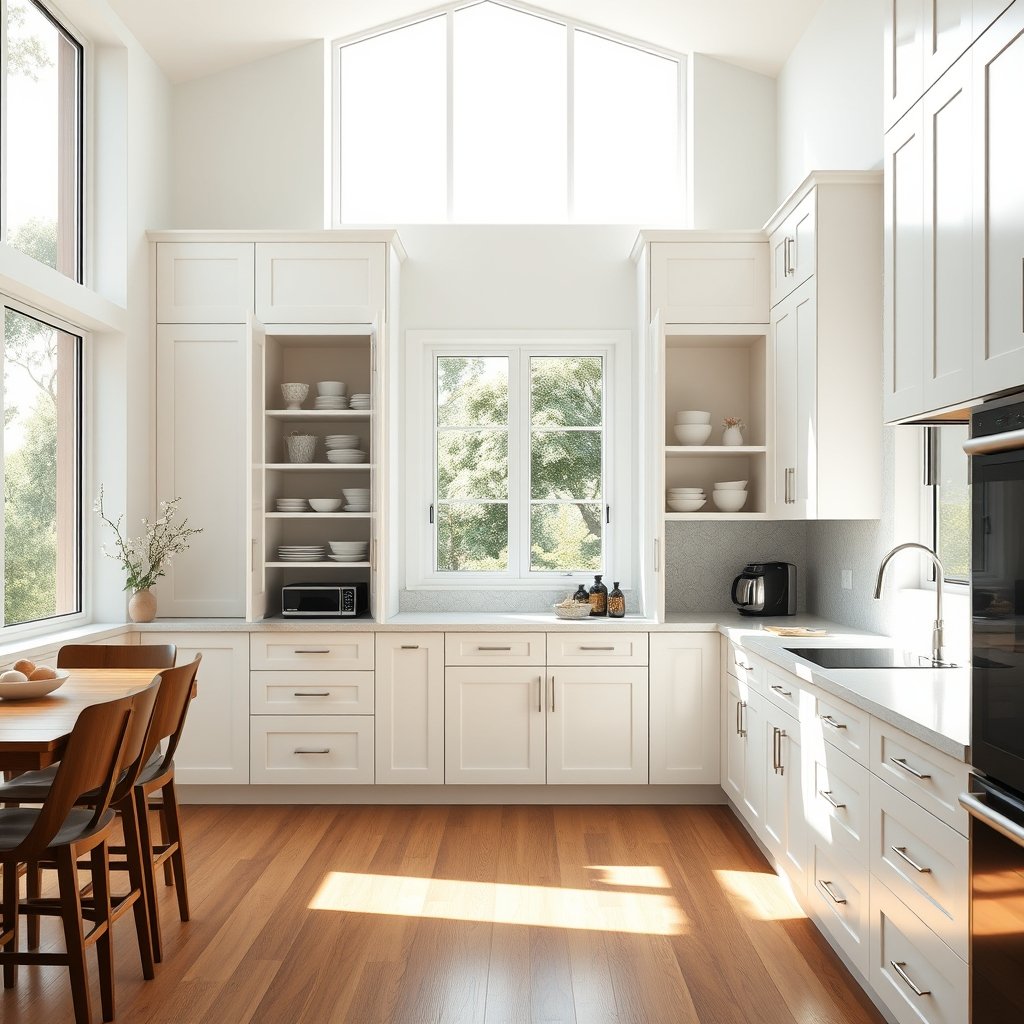
What’s fueling this rise? With kitchens increasingly tasked to hide clutter and double as workspaces or social hubs, homeowners are seeking seamless cabinetry, hidden appliance storage, and minimalist lines. Pocket door cabinets deliver these results: doors slide fully out of the way, allowing access to everything from pantries to coffee stations without competing for footprint with walkways or adjacent cabinet drawers. This trend is especially pronounced in new builds and thoughtful invisible kitchen renovations.
But the sharp rise in adoption hasn’t come without new challenges around durability, user experience, and installation. Before you commit, it’s worth understanding both their benefits and limitations.
Step-by-Step Guide: Installation & Modern Pocket Cabinet Ideas
Installing pocket door cabinets or upgrading an existing pantry with pocket doors requires precision, the right materials, and an eye for both aesthetics and function. Here’s a concrete guide to get it right, with ideas for making the most of your space.
- Plan the space. Measure your cabinet run, confirming both the outer widths and the inner depth required for the pocket. The pocket’s size must accommodate the full thickness of the door when open.Compare flipper doors to pocket doors here.
- Reinforce the cabinet frame. Standard boxes flex too easily. Upgrade to side panels with a ¾-inch plywood or MDF core, and include internal metal stiffeners if possible. This reduces future warping.
- Choose quality hardware. Select a modern soft-close, gear-driven system with anti-sag support and adjustable tracks. Avoid basic cable-roller types, which are cited in most user complaints online.
See typical hardware problems and fixes. - Assemble and mount hardware. Carefully follow manufacturer specs. Install tracks securely with at least three points of anchoring per side. Test the rollers and adjust the height to maintain even reveal gaps along the door edge.
- Install the doors and test in/out action. Cycle each door 10-20 times, checking for snag points, noise, or resistance. Adjust roller height and stops as required.
- Upgrade for convenience. Consider adding motorized or sensor-activated soft-close systems for appliance garages or pantry doors. These are costlier, but pay huge dividends in rental kitchens or homes with accessibility needs.
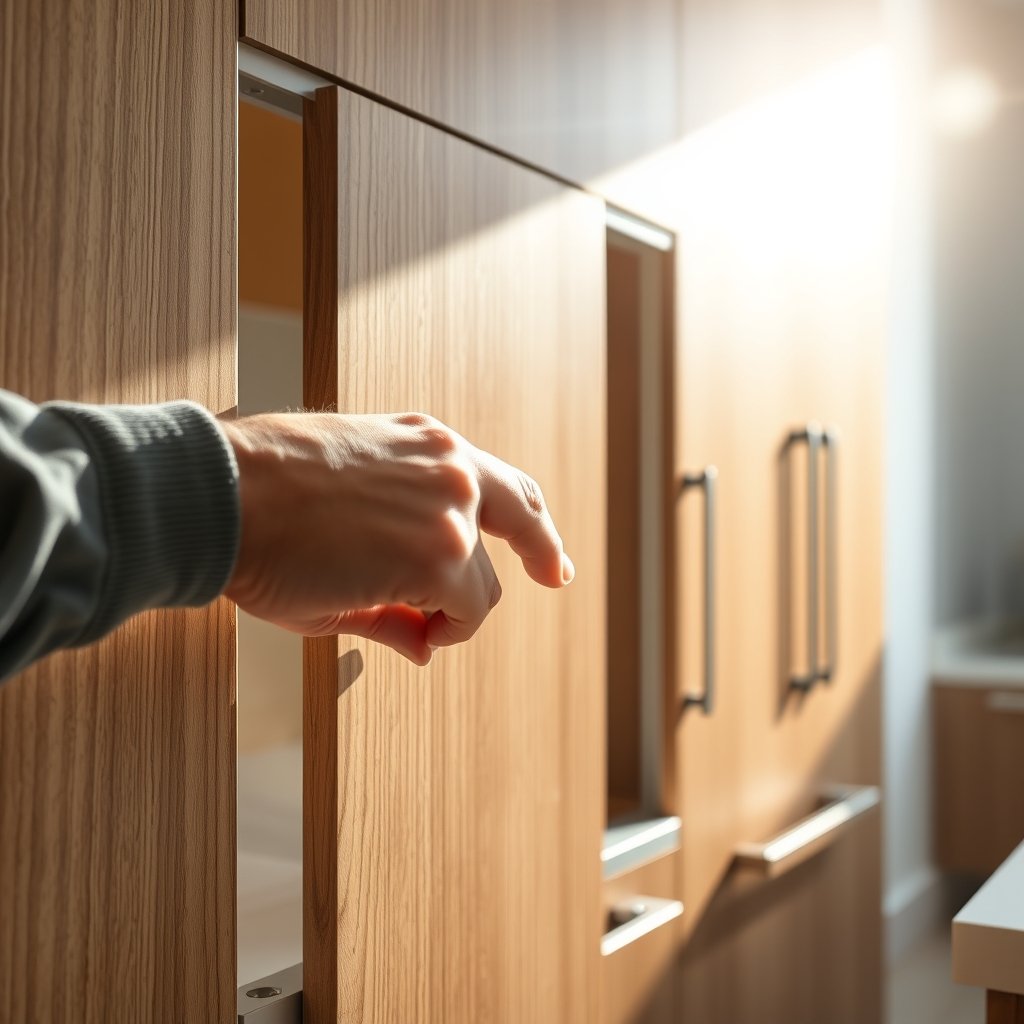
For more inspiration and practical layouts, see these real-life kitchen cabinet ideas and explore concealed coffee stations, appliance garages, or full-height pantry pockets.
When designing for very tight kitchens, consider pairing pocket door cabinets with concealed kitchen appliances and countersunk handles to further reduce visual clutter and keep access unimpeded.
Advanced Analysis & Common Pitfalls
Despite their modern appeal, pocket door cabinets often create headaches for homeowners and installers. Here’s a realistic breakdown of pitfalls to consider before selecting this solution, even as pocket cabinet ideas become more popular:
| Issue | Root Cause | Solution |
|---|---|---|
| Premature roller/cable wear | Low-quality hardware, frequent use | Upgrade to gear-driven soft-close hardware |
| Noisy or rattling operation | Improper track installation, cabinet flex | Reinforce sidewalls, level bases, adjust tracks |
| Locking and door alignment issues | Weak magnetic or mechanical stops | Spec units with cam-lock or stop-and-lock mechanisms |
| Cabinet frame warping over time | Under-thickened panels, insufficient bracing | Use ¾-inch ply or furniture core, add internal metal; schedule routine maintenance |
| Retrofitting limitations | Space behind cabinet, fixed electrical outlets | Plan for pockets in advance. For existing setups, flipper doors work better (compare styles) |
Crowdsourced reports via homeowner forums routinely cite these common frustrations: roller misalignment, doors falling off track during cleaning, difficulty achieving a truly flush fit when doors are retracted, and insufficient robustness for homes with children or heavy daily use. According to Houzz kitchen renovation discussions, “hardware durability and usability, especially premature wear of cable-type rollers, noisy or rattling operation, limited locking options, and misaligned rollers and warped cabinet frames” are the most persistent homeowner complaints.
Despite the drawbacks, three advanced cabinet strategies are now redefining what’s possible:
- Integrated rack-and-pinion or gear-driven hardware with concealed stop-and-lock cams, which virtually eliminate sag and clicking sounds.
- Heavy-duty boxed construction with metal stiffeners, isolating the track from any cabinet flex or movement.
- Pre-engineered modular units with sensor-triggered opens and soft-close motors, which remove the manual handling factor and ensure longer-lasting tracks.
These advanced ideas are still rarely specified in standard projects despite the clear need for more resilient pocket door cabinets.
Pocket pantry doors, in particular, win points for making pantries “walk-in without the swing,” but require even heavier reinforcement due to taller, often solid-core doors. They’ve been lauded in trend guides such as DodiHome’s pocket door explainer, and featured in innovative designs like appliance garages documented by Corner Renovation.
Conclusion
Pocket door cabinets are a smart solution for the design-driven, high-function kitchen—especially when combined with pro-grade hardware, reinforced cabinets, and routine maintenance. Space-saving and visually streamlined, their popularity in 2026 is set to climb further as more homeowners demand both style and real storage utility.
For anyone pursuing a kitchen remodel, understanding the realities behind installation and upkeep ensures your new pocket door cabinets stay smooth and resilient for years to come. Ready to explore more minimalist kitchen design trends? See how invisible kitchen concepts and hidden appliance garage ideas can further maximize your space—or contact a local cabinetmaker for custom solutions.
Take the next step: Explore hidden kitchen storage ideas to blend your pocket cabinet seamlessly into your new kitchen.
FAQ: Pocket Door Cabinets
Are pocket door cabinets suitable for small kitchens?
Yes. Pocket door cabinets are ideal for maximizing clear floor space in small kitchens and open-plan apartments. They eliminate the swing radius of traditional doors, making tight layouts more usable.
How long do pocket door cabinet mechanisms typically last?
With high-quality, gear-driven hardware and regular track adjustment, they can function smoothly for a decade or longer. Cheaper cable systems may wear out in 2-5 years if used daily.
Can an existing swing-door cabinet be retrofitted with pocket doors?
Retrofitting is complicated. Unless the cabinet was designed with adequate pocket depth and structural reinforcement, it’s usually easier to replace the whole cabinet or opt for flipper doors.
How do I keep my pocket door pantry running quietly?
Regularly check and clean the tracks, lubricate rollers, adjust door heights, and consider upgrading to soft-close, gear-driven mechanisms for minimal noise during operation.
What is the most common maintenance need for pocket door cabinets?
The most frequent task is adjusting roller height and tightening hardware, particularly as tracks and sidewalls can flex over time. Annual inspection is recommended for best results.

[…] hide clutter elsewhere in the home? Design-savvy readers should explore appliance garage ideas or pocket cabinet solutions for a seamless look beyond just […]
[…] 💡 Pro Tip: Run extra electrical lines and outlets before drywall—future-proof for countertop appliances, under-cabinet lighting, or charging zones. It’s far cheaper and cleaner to wire early. 🔥 Hacks & Tricks: Choose a pocket door or sliding door for your hidden pantry entry. It saves space, makes traffic flow smoother, and preserves a minimalist kitchen look. More clever space-saving tips in our guide to pocket door cabinets. […]
[…] or spaces where you want elegant, soft movement on the walls. In places like a hardworking pocket pantry or kids’ rooms, consider high-quality primers or densifiers for extra longevity. If you’re a […]
[…] eco-friendly design (even indoors), consider reviewing minimalist kitchen design tips and space-saving cabinet trends for sustainability inspiration throughout the […]
[…] your kitchen layout is tight or you want to streamline daily use, also explore space-saving cabinets that combine hidden appliance storage with access to outlet circuits you want to […]
[…] Touchless fixtures and digital controls: From sensor faucets to voice-activated mirrors, smart tech doubles hygiene and user experience, making your spa bathroom truly future-ready. For example, learn more about the value of integrated storage and seamless design in our post on pocket door cabinets. […]
[…] you’re also after hidden kitchen storage or want to integrate features like appliance garages or pocket door cabinets into your island’s […]
[…] the high-traffic zones—like kitchens with space-saving cabinets—these mistakes become costly and hard to fix. For those set on DIY, consider starting with a […]
[…] trends. For inspiration on kitchen storage upgrades, browse hidden kitchen storage ideas and latest pocket cabinet ideas for a fresh project […]
[…] organized medication storage, see how space-saving strategies work in practice by reading about pocket door cabinets and minimalist home […]
[…] work. For modern kitchen upgrades, many homeowners also now incorporate hidden kitchen storage and space-saving cabinetry which can improve both function and appeal without major […]
[…] bids and ask hard questions about what is not included. For flexible, space-saving cabinetry, these pocket door cabinet ideas can modernize your kitchen without triggering excessive demo […]
[…] Insulation hacks? Blown-in cellulose and spray foam retrofits often work best for old homes with oddly-shaped cavities or inaccessible spaces. If your kitchen feels drafty, complement insulation work with concealed appliance strategies to minimize energy loss. For more space-saving yet efficient solutions, consider pocket cabinet ideas. […]
[…] inspiration on how this could fit a whole-home approach, check out invisible kitchen storage and flexible cabinet ideas for a more practical, less cluttered […]
[…] for more space saving tips? Explore our in-depth guides on appliance garage ideas or check out space saving cabinets for your kitchen as […]
[…] modern and intentional, try layering color with limewash paint or explore how designers integrate space-saving cabinets to highlight bold wall […]
[…] for hiding beds, bowls, and supplies. For inspiration, see strategies in hidden kitchen storage and space saving cabinets—both lend themselves to stylish pet zones in living spaces and […]
[…] both aesthetics and everyday use, layering in practical storage is a must. Explore the latest pocket cabinet ideas and minimalist kitchen design solutions for kitchens, and consider statement lighting following […]
[…] avoid—these pitfalls in later sections, or discover additional storage strategies with our Pocket door cabinets […]
[…] those designing compact workspaces, peruse our best furniture for small spaces picks or explore pocket cabinet ideas for cleverly hidden […]
[…] for more ways to maximize storage with your filtration system? Explore pocket door cabinets or additions like a butler’s pantry for seamless organization and maintenance […]
[…] flexible storage or want to nail kitchen ROI, consider options like hidden kitchen storage or space-saving cabinets that maintain minimalist appeal and help minimize visible clutter—two features buyers […]
[…] or organizers ($300–$1,200) add coveted capacity to closets, kitchens, or garages. For ideas, try space-saving cabinets or garage organization […]