

### Blog Post:
Best Power Tools in 2026 are reshaping how homeowners and DIY enthusiasts select, use, and maintain their tool kits—combining advanced performance with smart tech integration and true long-term value.
Key Takeaways
- Power tool buying in 2026 goes beyond specs—longevity, battery tech, and ecosystem compatibility are now top priorities for DIY users.
- Most power tool complaints trace back to battery life, overheating, and real-world durability—brands rarely answer all durability and integration questions up front.
- The best power tools deliver a mix of proven reliability and future-ready features such as cross-brand battery systems and smart analytics—ideal for smart home renovations and ambitious projects.
- 2026 DIY Power Tool Market: What’s Changed and What Matters
- Top-Rated Power Tools and Kits for Every Home Project
- Most Common Problems: Real User Complaints About Cordless Drills & Woodworking Tools
- Unanswered Questions: What Buyers Need That Brands Don’t Always Address
- Power Tool Ecosystems: Integration, Analytics, and the Smart Home
- How to Choose the Best Power Tool or Kit for Your Needs (Buyer’s Guide)
- Frequently Asked Questions About Power Tools in 2026
2026 DIY Power Tool Market: What’s Changed and What Matters
The past year transformed the DIY power tool landscape. With a global value of $39.5 billion, the market is being pushed forward by homeowners and DIYers, not just professional trades. The residential segment is growing at an impressive 8.15 percent CAGR, outpacing professional sectors and highlighting a demand for reliable, innovative, and user-friendly DIY power tools.
Brand loyalty matters even more now. DeWalt leads the pack with 16 percent of total unit sales, closely trailed by Ryobi and Craftsman, each with around 8 percent market share. When it comes to retail, Home Depot accounts for 28 percent of unit sales and about 30 percent of the dollar share—it’s the main destination for tool hunters. Notably, 15 percent of Home Depot’s $40.2 billion Q3 revenue came directly from online purchases, a trend reinforced by shoppers relying on digital research and product reviews. Lowe’s is also strong, with 20 percent dollar share.
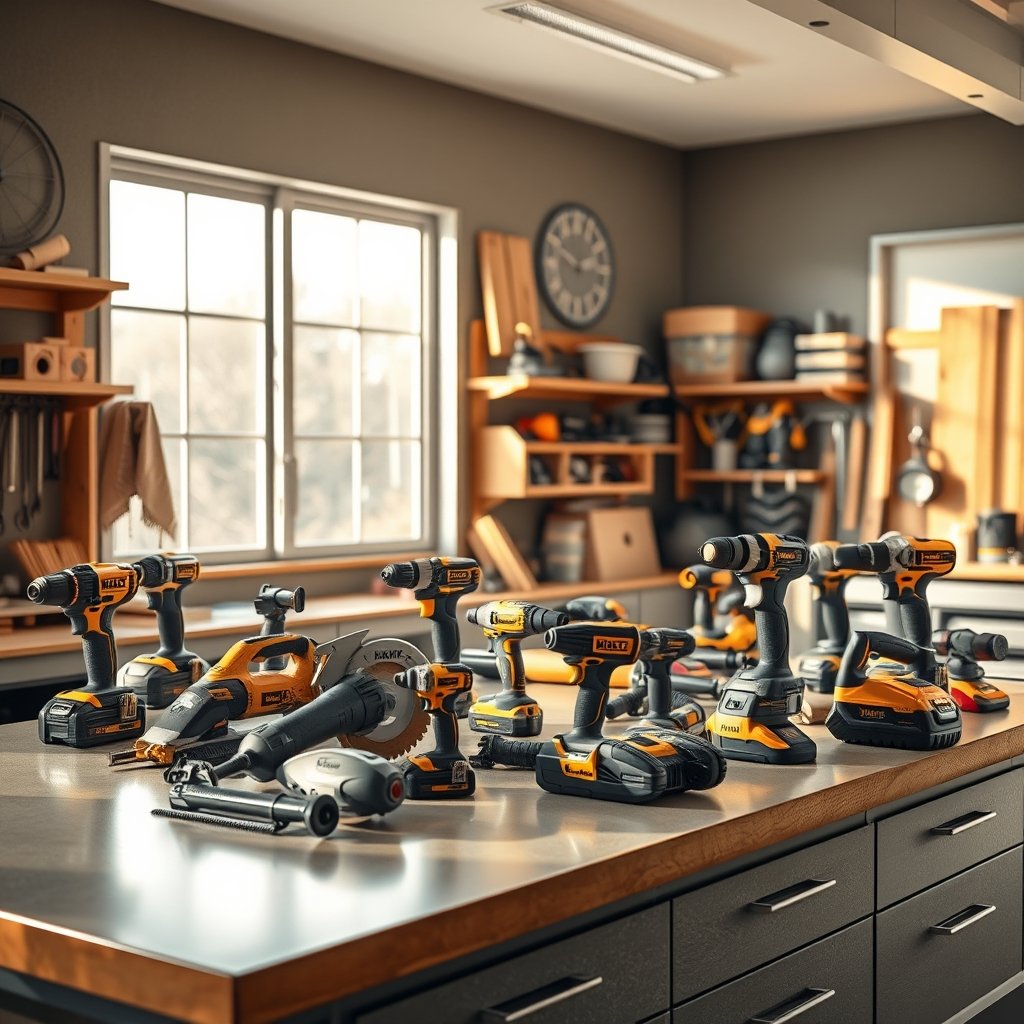
For homeowners demanding longer-lasting batteries, higher torque, and seamless integration with smart home tech, the best power tools now bridge the gap between professional performance and true consumer convenience. The wider market—and buyer priorities—are shifting faster than ever, so keeping up with current trends is key.
Looking into home upgrades or new DIY projects? You may also want tips on home improvement ideas that boost value and DIY project options for beginners.
Top-Rated Power Tools and Kits for Every Home Project
The surge in tool kits and cordless drills isn’t just marketing—over 68 percent of all US power tool sales in 2026 were cordless electric, showing that buyers value both convenience and power.[4] When it comes to top-rated picks, DeWalt, Ryobi, and Craftsman are favorites for versatility and reliability, dominating both unit and dollar sales. But focusing on best-sellers without real-world context misses the mark.
Lab-tested results confirm that the best cordless drills—like the DeWalt DCD701F2 and Makita FD07R1—perform well on torque and speed, but true user satisfaction often comes down to battery life and lasting durability.[8] For tool kits, buyers gravitate to brands that offer system-wide compatibility, such as batteries that fit several tool types and come with rapid chargers, reducing long-term costs.
Another overlooked aspect is warranty. Ryobi, for example, offers attractive warranty programs, making them a solid pick for cautious buyers who want assurance beyond year one. If you’re uncertain which drill or kit suits your needs, consult hands-on reviews like those from TechGearLab, or engage with tool communities who drill hundreds of holes and push batteries to their performance limits.
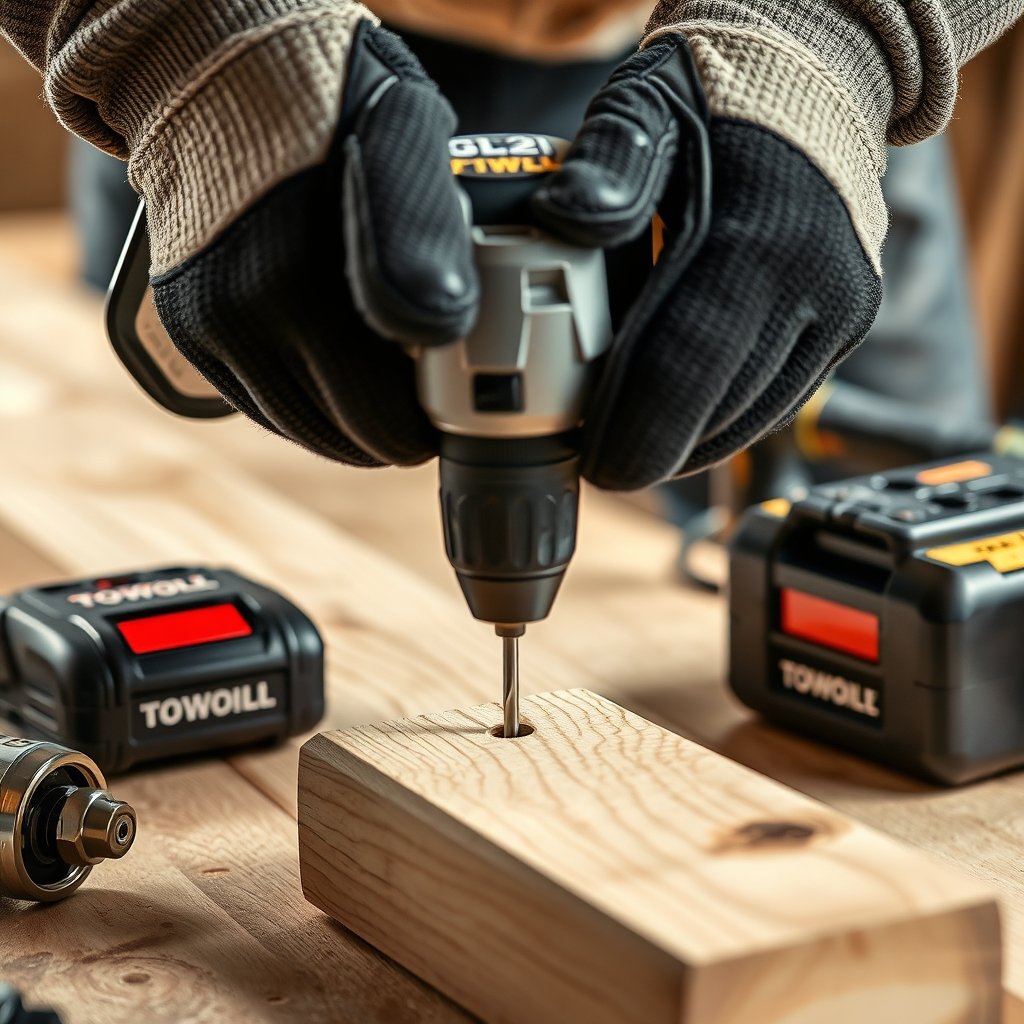
It’s also smart to tie your tool kit to your broader home improvement strategies, from spa-inspired bathroom upgrades to full kitchen remodels.
- DeWalt DCD701F2: Compact, reliable, and speedy. Ideal for both new and seasoned DIYers eyeing multiple projects.
- Makita FD07R1: Lightweight, outperforms its size, and comes with two batteries plus a rapid charger.
- Ryobi Cordless Kits: Best for warranty value and cross-tool expansion (especially homeowner-grade lines).
- Craftsman V20 Kits: Good mix of price, utility, and upgrade paths.
For more ideas on upgrading your home for efficiency, check out our Smart Home Energy Monitor Guide for tips on monitoring and saving electricity as you work on your next big project.
Most Common Problems: Real User Complaints About Cordless Drills & Woodworking Tools
The most frequent complaints DIYers face with cordless drills and woodworking tools come down to a handful of stubborn issues—many of which are overlooked until daily use shows their impact:
| Problem | Details | Which Tools |
|---|---|---|
| Short Battery Life / Power Drop | Batteries draining faster than advertised, especially under sustained loads; more common in older tool designs or extreme temperatures. | Cordless drills, impact drivers, circular saws |
| Overheating | Prolonged use causes motors to overheat; can result in burning odors, automatic shutdowns, or even burn marks on casings. | Drills, sanders, planers |
| Vibration & Squealing | Unusual vibration or high-pitched squeal when running at full speed, signaling possible bearing wear or motor issues. | Woodworking tools, jigsaws, drills |
| Motor Stalls / Loss of Torque | Motors stalling or losing torque during hard jobs; sometimes from aging batteries, sometimes internal wiring. | Drills, routers, impact drivers |
| Premature Chuck & Bit Wear | Early wear on chucks or bit holders, resulting in wobbly bits and accuracy losses—usually quick to show on cheaper tool lines. | Cordless drills, woodworking tools |
For deeper troubleshooting, check out common power tool problem guides. Knowing these issues before you buy will help you quiz sales staff, interpret warranty terms, and avoid early tool burnout.
Unanswered Questions: What Buyers Need That Brands Don’t Always Address
No matter how detailed the sales pitch, most brands still dodge three questions that can define years of tool ownership:
- How does torque and battery runtime hold up under long, heavy usage? Lab specs rarely match real duty cycles. After months, does your drill still perform on full charge, or does it stall halfway through demanding jobs?
- What’s the long-term battery lifespan and eco-impact? Lithium-ion batteries lose capacity over hundreds of cycles—and few brands publicize their recycling programs or battery durability data. These questions matter if you’re planning years of reliable home repairs.
- How open is the ecosystem for cross-brand battery/charger compatibility and updates? Most brands claim exclusive advantages, but adapters (and occasionally third-party batteries) can bring relief, while firmware updates and diagnostics are rarely mentioned until you run into trouble.
These points are not trivial: with the residential DIY segment outpacing pros (8.15 percent CAGR through 2031), buyers demand clarity about long-term costs and future compatibility.[6] If a tool doesn’t answer these, it’s worth asking on forums or checking owner reviews before investing.
Power Tool Ecosystems: Integration, Analytics, and the Smart Home
Choosing home repair tools purely by price or brute power is outdated. Today’s best power tools offer “ecosystem” advantages: batteries and chargers designed for multiple tool types—even across brands in some cases—and tight integration with smart home or IoT platforms.
This trend matters. If your drill, saw, and sander all run on the same battery, you simplify maintenance and lower costs over the long haul. Some brands are now marketing cloud-based usage analytics, remote maintenance alerts, and firmware update tools so DIYers can spot problems before failures occur.
Consumers now want their tool’s battery and charging system to play well not only with “family” products, but also third-party brands and smart platforms. Remote monitoring, energy use analytics, and automatic performance logs can help you decide when to recharge, replace, or tweak settings for top efficiency. This tech-forward approach means your tools can age with your home improvements, rather than become outdated in a few project cycles.
Already planning deeper home tech upgrades? See our guide on the best smart home devices to make sure your power tool investments mesh with upcoming automation trends.
How to Choose the Best Power Tool or Kit for Your Needs (Buyer’s Guide)
Here’s a step-by-step process to confidently choose your next power tool or kit—making use of current trends, user complaints, and ecosystem advances:
- Map out your project needs: For heavy work or outdoor projects, prioritize torque and rugged build. For typical indoor repairs and assembly, focus on compact size and light weight.
- Pick a kit that ensures battery flexibility: System-wide batteries with rapid chargers are worth extra up front. Brands with two or more compatible batteries bundled together add lots of value.
- Check long-term warranty terms: Some manufacturers offer far better support and battery guarantees—for instance, Ryobi’s one-for-one battery swaps and DeWalt’s three-year limited warranty.
- Research user complaints: Look up real user reports on battery life, overheating, and chuck/bit wear—especially for the outdoor and woodworking tools you’ll use hardest.
- Assess future compatibility: Will your chosen tool work with your next purchase? Adapters and software upgrades are becoming more mainstream—check for cross-brand options and how your kit could interact with smart home platforms.
- Balance up-front price with lifespan: Often, spending a little more at the start yields bigger savings as you avoid frequent replacements and mismatched chargers or batteries.

Still undecided? Explore our recent coverage of home renovation tips and energy-efficient home upgrades for more insight into picking the right tool investments for long-term savings and ease of use.
Frequently Asked Questions About Power Tools in 2024
Are cordless drills as powerful as corded models?
Most new cordless drills deliver comparable torque and speed to corded today—especially in top brands like DeWalt or Makita. However, corded still wins in continuous heavy-duty situations since there’s no battery drain or risk of overheating.
What’s the ideal warranty for power tool kits?
Look for at least two or three years of coverage on both the tool and batteries. Brands like Ryobi offer extended battery replacement, while DeWalt’s limited three-year warranty covers defects with good support. Always register your kit to activate extended coverage.
Can I mix and match batteries or chargers between brands?
Officially, most brands still discourage mixing. But with the right third-party adapters, top brands’ batteries—such as DeWalt and Makita—sometimes work with each other. Proceed carefully: this can void your warranty, so only use with non-critical jobs.
How does buying power tools online compare with in-store?
Online shopping now represents 15 percent of Home Depot’s tool sales, driven by access to detailed product specs, buyer reviews, and how-to videos. For hands-on comparison, though, in-store may still be best when testing weight, ergonomics, and feel.
How can I extend battery life in my DIY tools?
Keep batteries out of extreme heat or cold, never fully deplete before charging, and periodically balance charge if your charger supports it. Using slower charge cycles (if time allows) can also reduce long-term battery wear.
—

[…] you’re upgrading, consider adding a quality power tool or two for yard jobs—faster edging and leaf clean-up saves you time for critical grass […]
[…] adjustments—combined with smart lawn equipment—will get you most of the way there. Focusing on consistency over perfection protects your lawn […]
[…] adjustments—combined with smart lawn equipment—will get you most of the way there. Focusing on consistency over perfection protects your lawn […]
[…] beginner’s guide to DIY home improvements, and look into quality tool selection in our 2024 best power tools roundup—better tools mean better prep and fewer […]
[…] outdoor furniture remain homeowner essentials—explore standout options in our comparison of top-rated power tools and DIY pergola […]
[…] Power drill (can be rented for single projects—find top picks here) […]
[…] Cordless drill/driver sets (most recommended in independent tool reviews) […]
[…] hands-on homeowners, explore DIY home improvement tips or consider top-rated tools for easy maintenance. Curious about modern kitchen trends that hide clutter and boost resale? Our […]
[…] just as much. Every DIYer or serious home renovation enthusiast needs to know how even the best power tools behave under real stress. For example, the DeWalt DCD701F2 weighs barely over 2 lbs bare and runs […]
[…] Homeowners who want straightforward, practical advice should always read recent owner reviews and check for recall alerts before buying. For more on reliable power tools for your outdoor needs, see our lineup of 2024’s best power tools. […]
[…] your outdoor living and cleaning projects? Explore tips for outdoor living spaces or compare top power tools for DIY around the […]