
Pet-Friendly Home Improvements are rapidly redefining what a stylish, practical American home looks like—especially in 2026, where nearly half of homeowners factor their pets into major upgrade decisions.
Key Takeaways
- Pet-focused designs in home remodeling are trending fast, with $25–30 billion spent yearly on pet-friendly upgrades in the US.
- The best pet-proofing blends safety, style, and solutions to overlooked problems like odors, escape risks, and smart tech integration.
- Ditch basic checklists—truly pet-friendly home improvements need targeted materials, acoustic controls, custom storage, and seamless indoor-outdoor transitions.
- Why Pet-Friendly Home Improvements Matter in 2026
- Pet Safe Home Essentials: What Homeowners Want and Struggle With
- Flooring and Furniture Choices That Really Withstand Pets
- Next-Level Pet-Proofing: Overlooked Solutions That Make Life Easier
- How to Design with Both Style and Pet Safety in Mind
- Final Checklist and Pro Tips for a Truly Pet-Friendly Home
- FAQ: Pet-Friendly Home Improvements
Why Pet-Friendly Home Improvements Matter in 2026
In 2026, the remodeling world is talking about pets more than ever. Data shows that 48% of US homeowners now prioritize pets when planning remodels. Out of the projected $451–463 billion home improvement market, up to $30 billion centers on pet-friendly home improvements and pet-proofing upgrades (source).
Trends like “barkitecture” turn homes into functional spaces for both people and pets—with built-in dog washing stations, feeding nooks, and dedicated pet zones. More than four in five renovating pet owners even work with designers to tailor their spaces. It’s clear: remodeling without your pets in mind is a missed opportunity for comfort, safety, and resale value.
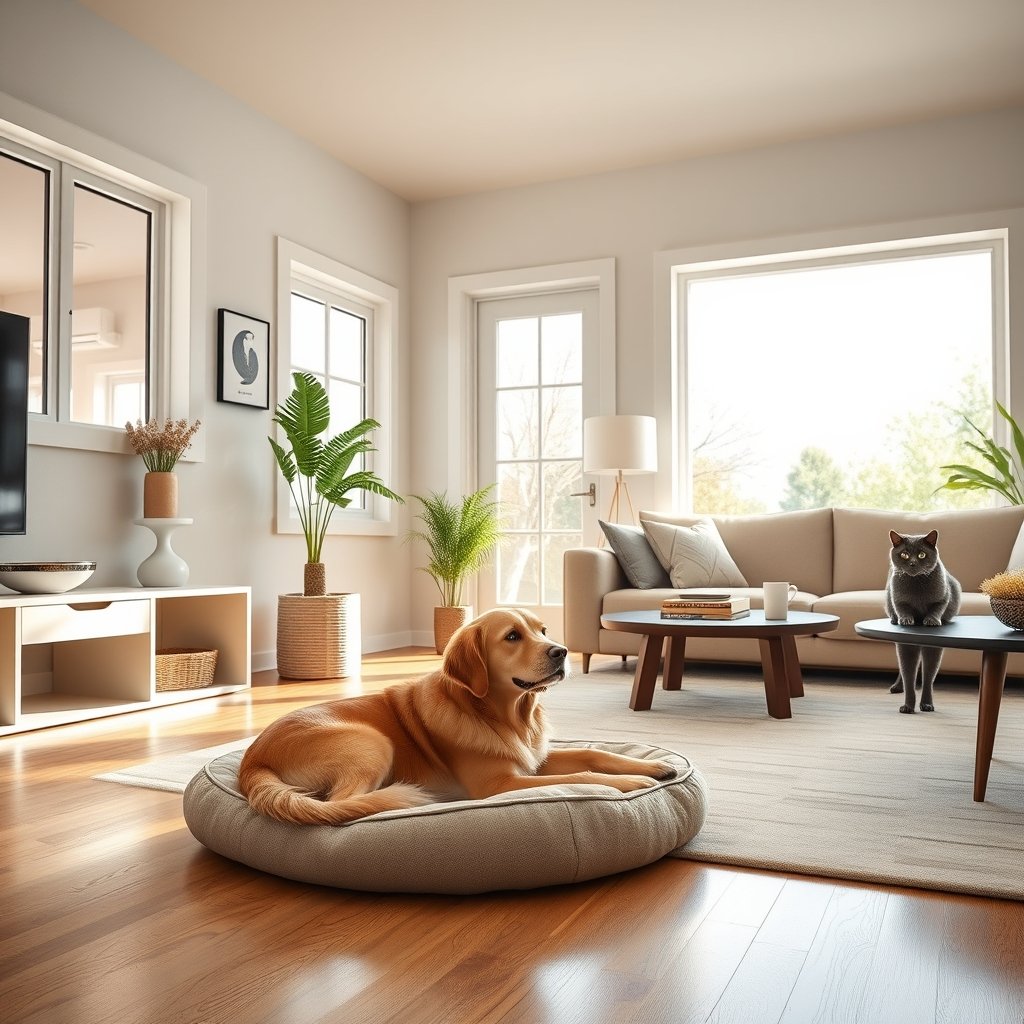
Pet Safe Home Essentials: What Homeowners Want and Struggle With
Owning pets drives very specific home challenges. The biggest daily headaches? Constant fur and hair, tracked dirt and mud, and the ongoing hassle of organizing pet supplies. But pet proofing goes far deeper.
Homeowners consistently struggle with:
- Flooring that scratches, stains, and absorbs odors—especially carpet, hardwood, and tile
- Furniture damaged by chewing, clawing, or moisture
- Unsafe or slippery surfaces (risking pet injuries)
- Exposed cords, toxic household plants, and hidden hazards
- Unsecured windows, doors, and screens that open the door to escapes
Pet safe home design means tackling these from the start—using practical materials, smart design layouts, and clever storage. According to the American Humane Society, overlooking details like cleaning supply storage, vent safety, and plant toxicity can put pets at risk.
And don’t forget the human angle: organizing food, toys, leashes, and beds can easily spiral into daily chaos without an intentional plan. Smart, stylish upgrades solve both pet and people pain points.
Flooring and Furniture Choices That Really Withstand Pets
Most flooring marketed as “pet-friendly” still causes issues. Carpets trap fur and hold stains. Traditional hardwood gets scratched. Tile can be slippery and cold.
Homeowners should prioritize:
- Luxury vinyl plank (LVP) and tile: Looks great, resists scratches, fully waterproof, easy to clean
- Ceramic and porcelain tile: If choosing tile, go for textured, matte finishes to help with grip
- Engineered hardwood with strong finish layers: Better than solid wood, but only if you want the look
- Low-pile, stain-resistant area rugs: Anchor spaces and provide pet comfort without harboring hair
When it comes to furniture, durability matters. Look for:
- Tight-weave performance fabrics that resist claws, stains, and moisture (think outdoor-rated upholstery inside)
- Removable, washable cushion covers
- Metal, wood, or composite furniture legs that pets can’t chew
Many homeowners opt for custom furniture or built-in benches with integrated storage—great for hiding beds, bowls, and supplies. For inspiration, see strategies in hidden kitchen storage and space saving cabinets—both lend themselves to stylish pet zones in living spaces and mudrooms.
Lastly, avoid furniture with easily pulled threads, open shelving near pet-height, or toxic finishes. Timeless, durable pieces cost more initially but pay off in years of mess-free living.
Next-Level Pet-Proofing: Overlooked Solutions That Make Life Easier
The future of pet-proofing goes way beyond basic barriers and washable throws. In 2024, top homeowners are investing in smarter, healthier, and more sustainable systems for both pets and people:
- Smart pet tech: Automated feeders, remote water fountains, health sensors, and connected cameras help monitor and care for pets even when you’re away (source).
- Acoustic mitigation: Sound-absorbing panels or strategic drapery control noise from barking, meowing, or running paws—especially in open layouts or multi-pet homes.
- Sustainable materials: Bamboo flooring, recycled-rubber mats, and eco-friendly paints reduce environmental toxins and withstand serious wear.
- Odor-control ventilation: Advanced air purifiers and targeted exhaust fans (in mudrooms or laundry zones) keep air fresh beyond basic cleaning.
- Smart storage: Integrated cabinetry for food, grooming tools, toys, and leashes reduces clutter. Borrow ideas from walk-in pantry concepts and garage organization for tailored pet supply storage.
- Indoor-outdoor transition spaces: Durable entryways, pet-friendly mudrooms, and decks allow for messy play without tracking everything inside. Add water-resistant seating and easy-to-clean finishes.
Content often overlooks these solutions, yet research shows they yield happier pets, cleaner homes, and greater long-term value (source).
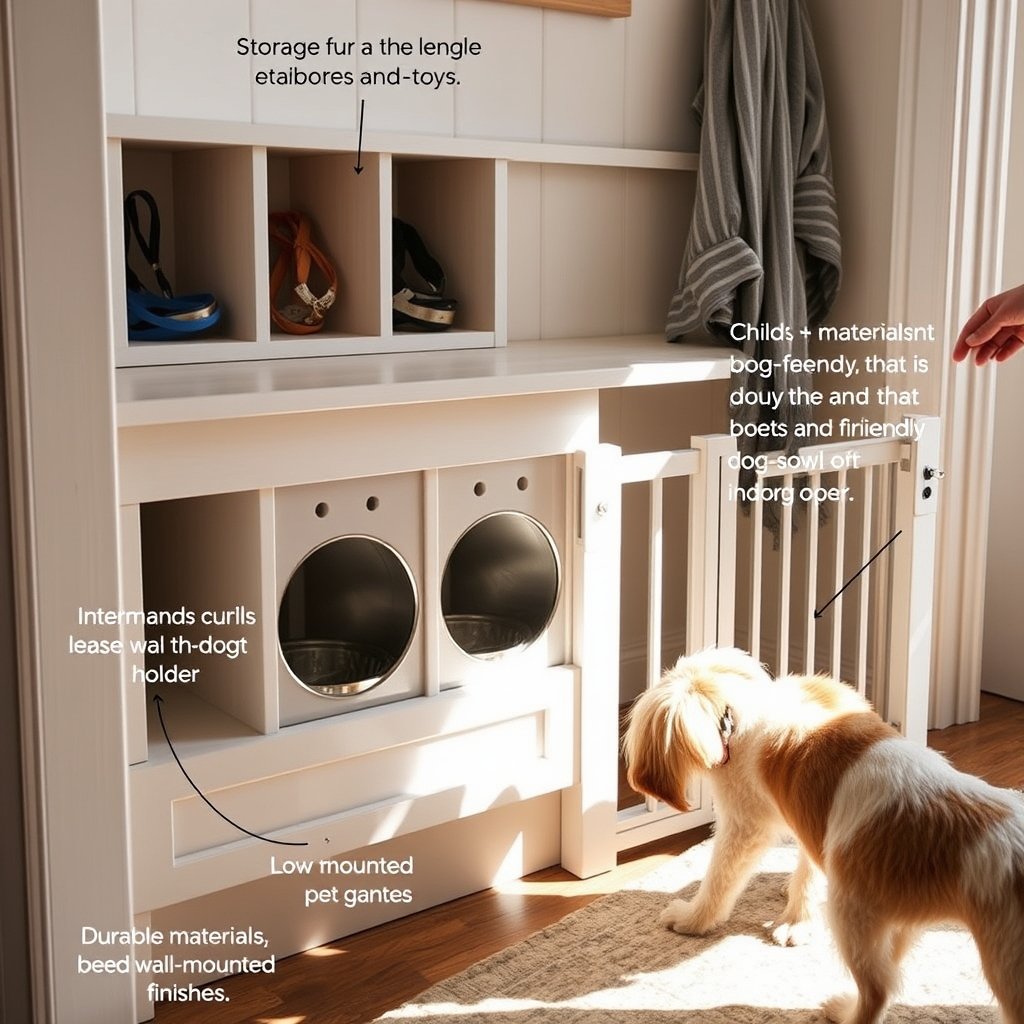
Popular upgrades now include climate-controlled pet “nooks,” under-stair cubbies for beds, and in-floor pet doors leading to secure “catios” or fenced play areas. In open-plan homes, creative uses of modern lighting help keep walkways and pet spaces safe, while color-drenching techniques can disguise fur much better than basic white paint (see guide).
How to Design with Both Style and Pet Safety in Mind
It’s no longer enough to add a pet bed and call it a day. The best pet-friendly home improvements seamlessly blend style and practical pet-proofing for all rooms:
- Floor-to-ceiling strategy: Non-slip flooring, staggered furniture heights, pet-safe finishes, and strategic area rugs build safety into the bones of each room.
- Concealed storage: Use secret cabinets, appliance garages (see hidden kitchen storage ideas), and built-in drawers to minimize clutter and hazards.
- Color and material choices: Opt for tones that hide fur and stains. Durable paint finishes—like those found in limewash paint—mask scratches and wear.
- Pet-safe wiring and lighting: Hide wires, choose LED fixtures over hot bulbs, and avoid floor lamps that easily tip.
Remember, more than four in five pet-focused homeowners use professional designers (source). Experts help balance cohesive style with custom pet needs—think vent placement for air quality, or multi-pet home layouts that improve flow and reduce accidents. If going DIY, prioritize both current needs and future-proofing: pets age just as people do, and what works for a puppy might not suit a senior dog.
For even more targeted ideas, check out our guide on modern home improvement ideas.
Final Checklist and Pro Tips for a Truly Pet-Friendly Home
Ready to take action? Use this room-by-room checklist and expert advice to ensure your home is truly pet safe, stylish, and convenient.
| Room/Area | Top Pet Safety Upgrades | Style & Function Boost |
|---|---|---|
| Entry/Mudroom | Non-slip LVP flooring, leash/towel hooks, in-floor drains for washing | Stain-resistant benches, hidden basket storage, wipe-down wall finishes |
| Kitchen | Locked cabinet for pet food, concealed feeding station, trash cans with lids | Pocket cabinets, color-matched pet bowls, built-in shelves |
| Living Room | Scratch-proof upholstery, washable rugs, secure windows and cords | Designer lighting, curved furniture for comfort, color drenching |
| Laundry/Bath | Secure cleaning products, gated areas for drying pets, anti-slip tiles | Statement tiles, floating shelves for supplies, spa-inspired finishes |
| Backyard/Deck | Fenced play zones, durable decking, water access | Clover lawns, integrated shade pergolas, seamless access via pet doors |
- Do a walk-through at pet level to spot hidden hazards: loose cords, tippable objects, small gaps
- Create a dedicated cleaning station with storage for wipes and vacuum
- Rotate beds, toys, and blankets to keep pets excited and spaces fresh
- Double-check outdoor transitions for escape risks and use outdoor living upgrades suited for pets
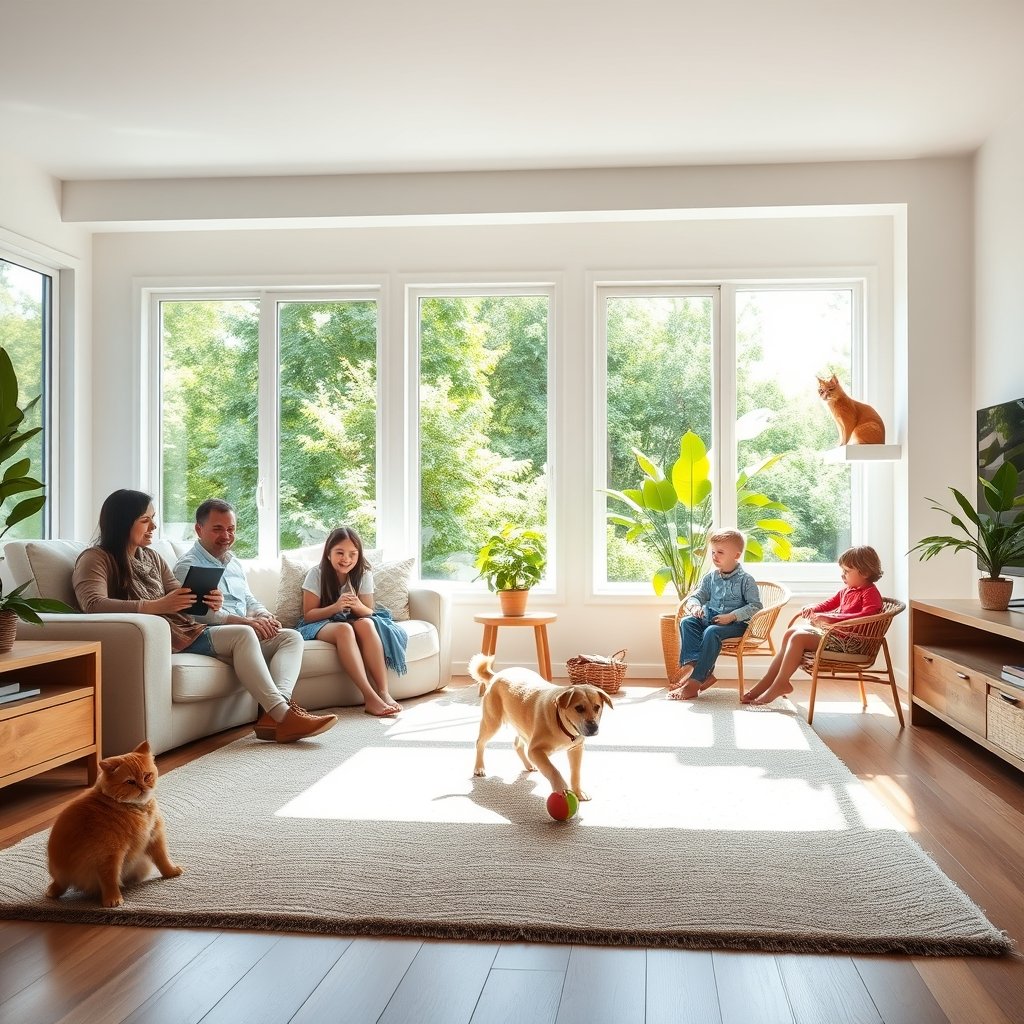
Expert tip: Two-thirds of US households now have pets, so these improvements not only make daily life easier, but increase resale value and buyer appeal (source).
FAQ: Pet-Friendly Home Improvements
What is the most important pet-friendly home improvement?
Flooring upgrades make the biggest difference. Choose durable, scratch-proof, and water-resistant options like LVP or textured tile to withstand pet traffic, accidents, and messes.
Are pet-friendly improvements good for home resale value?
Yes. With two-thirds of US households owning pets, features like secure yards, washable finishes, and built-in pet zones appeal to a broad range of buyers and can boost marketability.
How do I keep my home stylish without sacrificing pet safety?
Blend concealed storage, modern washable fabrics, color-drenching paint techniques, and durable finishes throughout. Avoid clutter by using integrated cabinetry and modular furniture for toys, beds, and supplies.
What design details do pet owners often overlook?
Ventilation for odor control, smart storage, acoustic mitigation, safe lighting/wiring, and indoor-outdoor transitions are frequently missed but critical for long-term comfort and health.
Where can I get more ideas for pet-friendly upgrades?
Browse our guides on home improvement ideas or outdoor living spaces for more inspiration.