
Smart Home Security Systems are transforming how homeowners safeguard their families and properties—but hidden costs, privacy concerns, and tech headaches keep many buyers from making confident choices. This in-depth guide reveals what most “best” lists conveniently overlook, so you can invest smartly in 2026.
Key Takeaways
- Over 75% of U.S. homes now use smart security devices, but true ownership costs and privacy risks are rarely disclosed up front.
- Real-world struggles include Wi-Fi dropouts, missed alerts, confusing subscriptions, and concerns about how your data is handled.
- The best home security system for your family is one that fits your budget, respects your privacy, and works seamlessly with your other smart devices.
- 2026 Smart Home Security Systems Adoption—The New Normal?
- Security Cameras, Doorbells, & Smart Locks—What Users Actually Struggle With
- The Best Home Security Systems: What Every Reviewer Misses
- The Real Price Tag: Subscriptions and Hidden Ownership Costs
- Privacy & Security: Are Your Smart Devices Really Protecting You?
- Will It All Work Together? Navigating Compatibility and Interoperability
- Quick-Compare Table: 2026’s Top Smart Home Security Systems
- Final Recommendations: Choosing the Right System for Your Home and Budget
- FAQ
2026 Smart Home Security Systems Adoption—The New Normal?
Smart Home Security Systems have become the new standard across the U.S. and much of the world. In 2026, 52% of American homes own at least one security camera, while 45% use a video doorbell. Overall, more than 75% of households have adopted at least one smart security device. The global user base is soaring past 360 million, with a projected 422 million connected homes by year-end [source]. Traditional alarm systems have dropped to just 28% penetration, signaling a massive shift toward interconnected devices that combine convenience, proactive monitoring, and real-time alerts.
Security Cameras, Doorbells, & Smart Locks—What Users Actually Struggle With
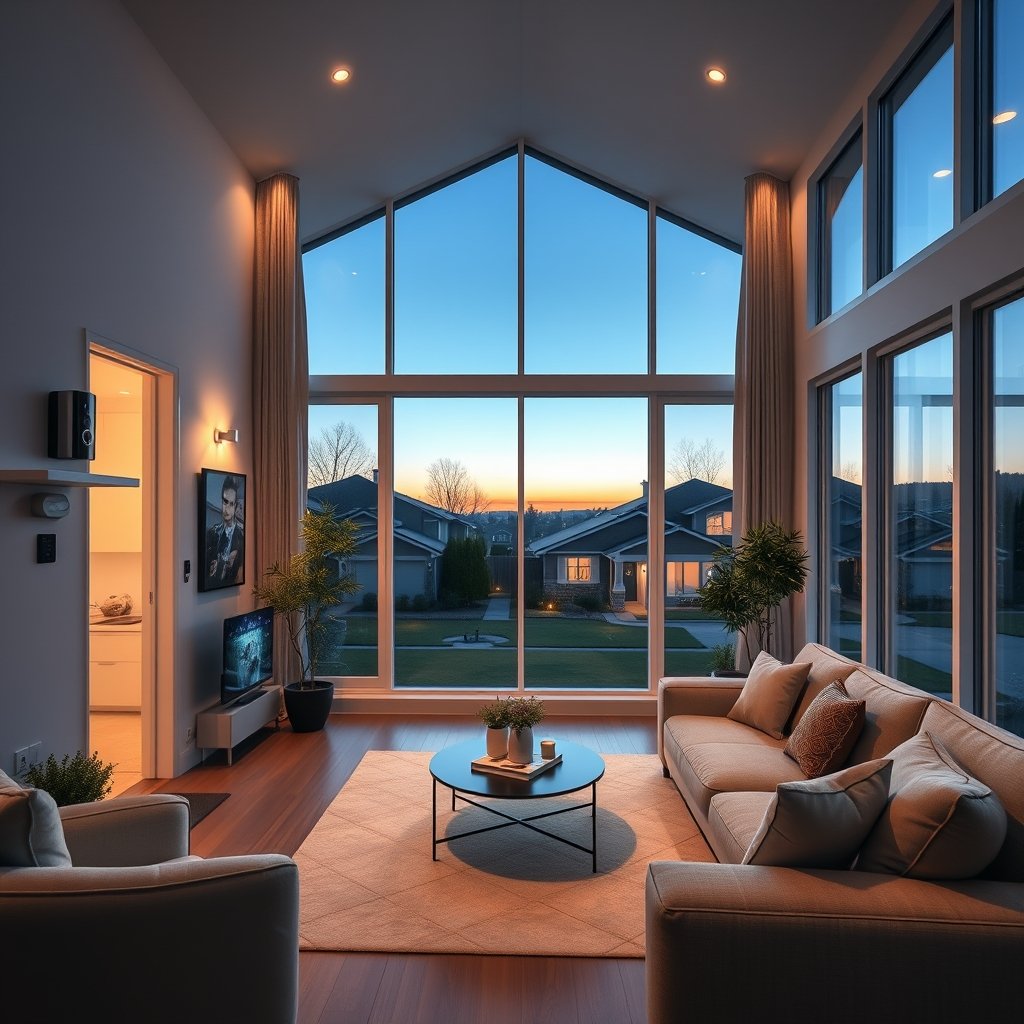
Despite rising adoption, homeowners often discover smart security is far from “set it and forget it.” The daily reality? Missed alerts due to Wi-Fi glitches, relentless false positives (pets, blowing leaves), unreliable battery life, night vision that’s a letdown, and finicky app interfaces. For video doorbells, slow or inconsistent notifications can mean you miss visitors—or suspicious activity altogether.
Smart locks, meanwhile, present their own frustrations. Users report dead-battery lockouts, frustrating Bluetooth or Z-Wave pairing issues, buggy firmware updates, and—most concerning—persistent anxieties about hacking or poor data privacy. According to a 2026 SafeHome.org study, these real hassles are the main reason some homeowners stick with old-school mechanical systems or only partially upgrade their homes.
The Best Home Security Systems: What Every Reviewer Misses
Most “Best Home Security Systems” guides focus on surface features—like resolution, detection zones, or companion apps. But these rankings often leave out what matters most in the long run:
- Total cost of ownership: Subscription fees, required cloud storage, professional monitoring, and support contracts quickly pile up, sometimes doubling or tripling initial investment.
- Privacy and data protection: Few reviews rigorously investigate whether footage is end-to-end encrypted, what third parties can access your data, or how a breach could impact your personal security.
- Platform and ecosystem compatibility: As standards like Matter emerge, integrating multiple devices from different brands becomes possible—but not all “top” systems play well together, creating expensive headaches if you ever want to switch or expand.
For a more comprehensive look at smart home integration, see our guide on smart home devices and how they work with security systems.
The Real Price Tag: Subscriptions and Hidden Ownership Costs
The sticker price of a smart security system rarely tells the whole story. Many features—like 30-day video storage, AI-powered alerts, or sharing access with family—require mandatory monthly or yearly subscriptions. A 2026 market report projects the average revenue per American smart home will hit $294.94 by 2028 [source], driven largely by recurring service charges.
Even “no-fee” options often push out essential features into paid tiers. Plus, battery and hardware replacements, mounting accessories, and proprietary cables add up over time. Before you buy, map out the true 5-year cost for both hardware and subscriptions. If you’re considering other valuable home upgrades, check out our guide to affordable home upgrades.
Privacy & Security: Are Your Smart Devices Really Protecting You?
Smart security cameras and smart locks promise peace of mind, but their privacy guarantees are often paper-thin. A leading concern for 2026 buyers is how device makers handle data—who stores your footage, whether it’s encrypted end-to-end, and how exposed you are if company servers are breached. In fact, “concerns about data privacy and hacking” remain the most common grievances for smart lock owners [source].
Look for brands with transparent data policies, support for two-factor authentication, and open statements on third-party integrations. Privacy isn’t just about marketing lingo—it can mean the difference between real security and a potential vulnerability. For more on seamless home tech that offers both function and privacy, explore ideas from our invisible kitchen feature.
Will It All Work Together? Navigating Compatibility and Interoperability
Adding one camera may be easy. Linking three brands of sensors, a doorbell, a smart lock, and environmental detectors without a tangled mess? That’s where many buyers regret their ecosystem choices. As standards like Matter slowly roll out, cross-brand compatibility is getting easier—but not fast enough.
Before you commit, confirm which hubs, voice assistants, or integrations your top picks will support. Don’t assume that “works with Alexa” means full compatibility, or that adding devices later will be straightforward. If future-proofing matters to you, prioritize open platforms and robust Matter support. For more tips on maximizing your home’s connectivity, check our smart home energy monitor guide.
Quick-Compare Table: 2026’s Top Smart Home Security Systems
| Model | Initial Cost | Recurring Cost (Yearly) | Key Features | Privacy Score* | Matter or Major Ecosystem Support |
|---|---|---|---|---|---|
| Ring Alarm Pro (Kit) | $249 | $100 | Cameras, sensors, Wi-Fi 6, cellular backup | Medium | Alexa, limited Matter |
| SimpliSafe (8-piece) | $279 | $191 | Battery backup, easy DIY, environmental sensors | Medium-High | Alexa, Google, no Matter |
| Google Nest Secure | $399 | $60-120 | Seamless Nest integration, app-based alerts | High | Google, some Matter |
| Abode iota | $329 | $80-200 | HomeKit support, pro monitoring, Z-Wave | High | Alexa, Google, HomeKit, Matter soon |
| Wyze Home Monitoring | $99 | $60 | Affordable, basic sensors, video add-ons | Low-Medium | Alexa, Google, no Matter |
*Privacy Score reflects relative transparency, data storage practices, encryption, and independent audit availability in 2024.
Final Recommendations: Choosing the Right System for Your Home and Budget
With Smart Home Security Systems now in over 75% of U.S. households, buyers should look well beyond up-front price tags. Focus on your total 3-5 year cost, not just the hardware. Insist on clear, documented privacy protections and avoid brands who can’t answer data questions directly. Whenever possible, choose devices that support robust interoperability standards like Matter—so you aren’t boxed in by one company as your needs evolve.
If you’re tackling other projects to boost your home’s value, our home improvement ideas and renovation checklist offer practical guidance. For the best Smart Home Security Systems, the right choice will balance safety, privacy, and flexibility—so you can protect what matters without constant worry. Want expert, unbiased tips for picking your next system? Start by mapping your needs, setting a clear budget, and demanding privacy and interoperability up front.
FAQ
What hidden costs should I expect with smart home security systems?
Expect ongoing subscription fees for video storage, professional monitoring, and feature upgrades. Plan for future costs including battery or part replacements. Carefully compare monthly and annual charges before committing to a system.
Are all smart home security devices compatible with each other?
No. Most brands work best within their own ecosystem, and even “Works with Alexa/Google” labels can have limitations. Look for Matter or HomeKit support for better cross-brand compatibility.
How can I protect my privacy with security cameras and smart locks?
Choose devices with end-to-end encryption, transparent privacy policies, and support for two-factor authentication. Avoid products with unclear data-handling practices or lax security audits.
Do I need a subscription to use all features?
In many cases, yes. Full video history, person detection, and “smart” AI alerts often require a paid subscription. Some basic features work free, but high-value capabilities are gated behind fees.
What’s the best way to compare different smart home security systems?
Don’t focus solely on camera specs. Instead, compare total cost of ownership, privacy protections, and compatibility with your existing smart home devices. Use the comparison table above as a starting point.