
### Blog Post:
Smart Home Security Systems are no longer futuristic gadgets—they are changing how millions protect their homes right now. But as adoption soars in 2026, real questions remain about privacy, cost, and whether everything really works together as promised. Here’s what every smart, privacy-conscious homeowner or renter needs to know before buying or upgrading a security system today.
Key Takeaways
- Smart home security systems now protect over 60% of U.S. households, but user frustrations with privacy, hidden fees, and device compatibility are on the rise.
- Security cameras lead in adoption, while smart locks are the fastest-growing device segment thanks to easy integration and keyless access.
- In 2026, the biggest threats are not just burglars—cyberattacks on smart home products are surging, making cybersecurity and transparency essential.
- Smart Home Security Systems in 2026: Key Trends & Adoption
- What Devices Are Most Popular? Cameras, Doorbells, and Locks
- What Makes (and Breaks) a Smart Home Security System? Insights from Real Users
- Privacy and Cybersecurity: The Unspoken Dealbreaker
- Seamless Integration: How Well Do Security Systems Play Together?
- Costs, Fees, and Subscription Models: What You Need to Know
- The Bottom Line: How To Choose the Best Home Security System in 2026
- FAQ
Smart Home Security Systems in 2026: Key Trends & Adoption
The adoption of smart home security systems has reached a new high in 2026. According to industry data, 61% of U.S. households now use a smart security system, and the global smart home security market is projected to climb from $32.46 billion in 2026 to $61.97 billion by 2029, at an impressive annual growth rate of 13.81%.
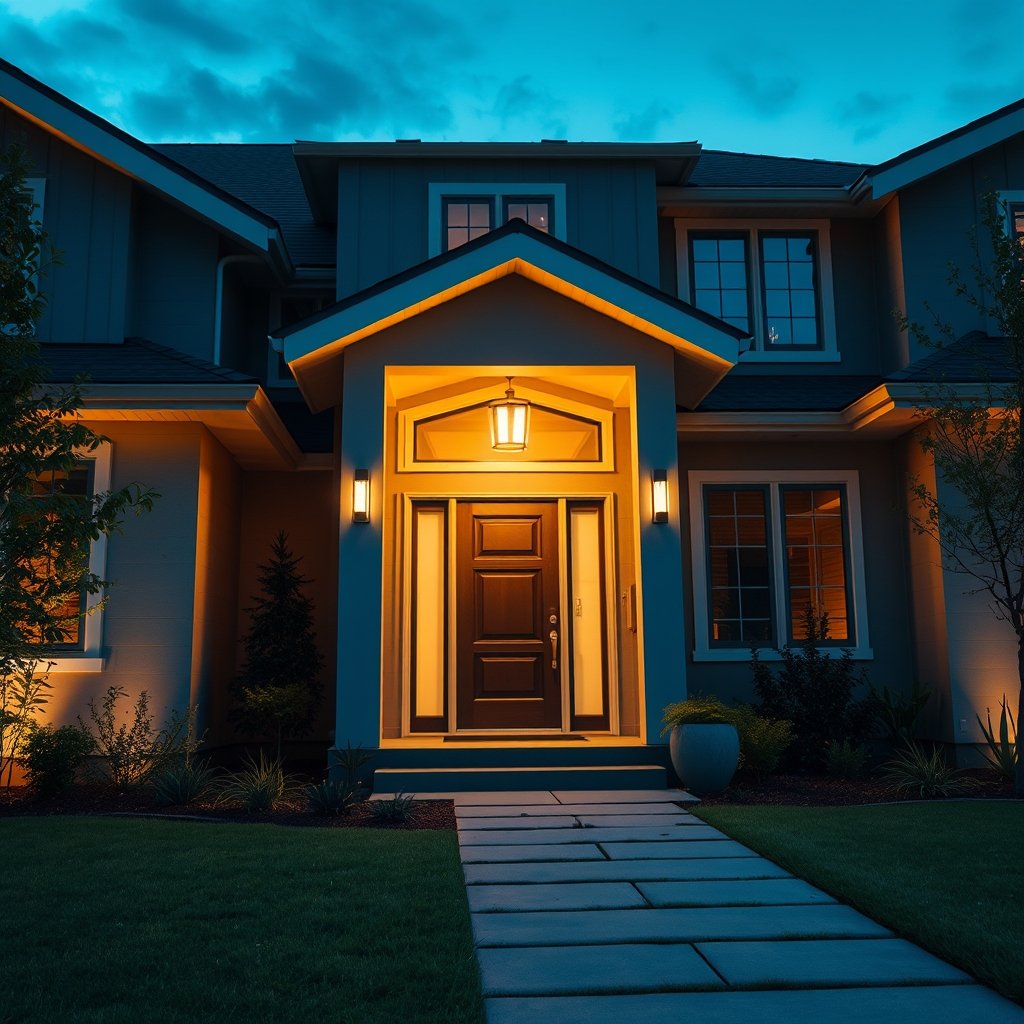
Several factors fuel this surge. Remote monitoring, AI-driven alerts, and smartphone control are now household expectations. Homeowners see lower insurance costs and real-time peace of mind as clear benefits. But as the market expands, concerns around privacy, true cost transparency, and if devices from different brands “just work” are growing too.
Consumer tech is evolving fast. If you care about home value, convenience, or are simply security-conscious, it’s essential to understand what’s driving adoption—and where frustration still runs high.
What Devices Are Most Popular? Cameras, Doorbells, and Locks
When it comes to device popularity, security cameras have become the default backbone of almost every modern setup. Over 50% of U.S. households own at least one camera—and 45% now have smart video doorbells for added entryway vigilance, according to SafeHome’s annual report.
smart locks are emerging as the fastest-growing segment. Their popularity is due in part to their seamless “keyless” entry and one-tap app unlocking, as reported by SNS Insider. These locks let users grant access to guests or service providers temporarily—a win for both convenience and security. This surge connects to the broader desire for home automation, where devices feel like one smooth ecosystem, not a patchwork.
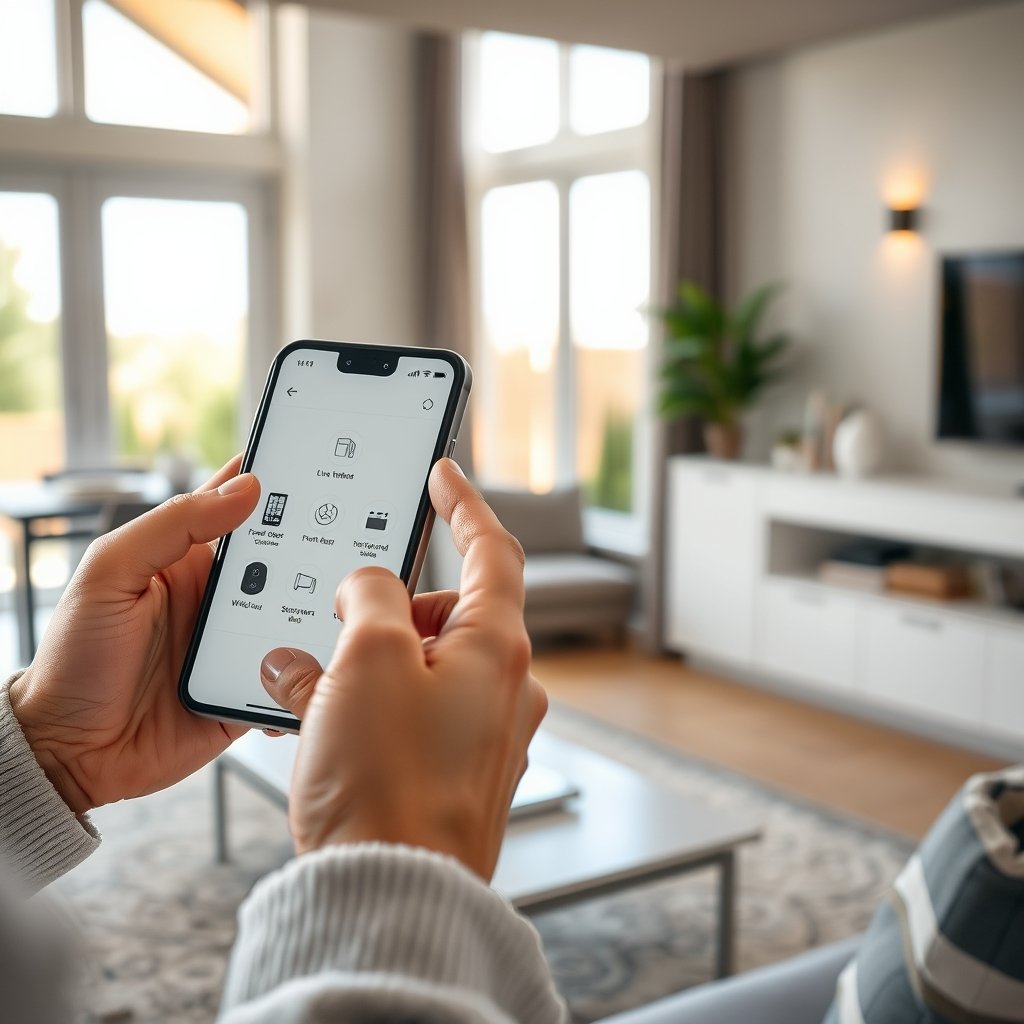
If you’re new to the space or upgrading, don’t forget about combining basic sensors—like entry and glass-break sensors—that quietly do the heavy lifting alongside visible cameras and locks. Most users start with cameras, but quickly find value in layering these additional protections.
What Makes (and Breaks) a Smart Home Security System? Insights from Real Users
System adoption is growing, but user satisfaction isn’t keeping pace. Here are the most cited frustrations according to user reviews and independent research:
| Complaint | Root Cause | Real-World Impact |
|---|---|---|
| Installation difficulty | Poor directions, overly technical setup | Long install times, more returns |
| Connectivity issues | Wi-Fi instability, device placement | Missed events or false-alarms |
| Frequent false-alarms | Lack of AI detection or tuning | Users disable or ignore alerts |
| Privacy concerns | Cloud storage, unclear data policies | Reluctance to use video or mics |
| High costs | Subscription creep, surprise fees | Abandonment or system downgrades |
| Poor interoperability | Brand lock-in, limited integrations | Smart home “silos”; app overload |
For a deeper dive on smart device compatibility and how to streamline your connected home, check out our guide to smart home devices.
Privacy and Cybersecurity: The Unspoken Dealbreaker
Many buyers worry less about thieves—and more about who’s watching the watchers. In 2024, cyberattacks on smart home products jumped by 124%, with security cameras and smart locks frequent targets (Fortune Business Insights).
Manufacturers are responding with two-factor authentication, encrypted video streams, and privacy “shutter” modes. But not all brands are equal in timely security updates or data transparency. Always review a brand’s privacy policy and check if software gets regular (automatic) security patches. Don’t assume your data is private just because a device is “smart.”
For homeowners and renters serious about their digital safety, it’s worth connecting with experts or browsing our home maintenance checklist for security-focused tips.
Seamless Integration: How Well Do Security Systems Play Together?
A top complaint in 2024 is app overload and poor device integration. Most shoppers want smart home security systems that work with Google Home, Alexa, or Apple HomeKit—and hate logging into three different apps for one “system.”
Progress is being made: In September 2026, ADT fully integrated its system with Google Home, allowing direct voice commands, camera viewing, and whole-home automation (Data Bridge Market Research). When shopping, check not only what devices work together, but which integrations are native (direct) versus relying on clunky third-party “bridges.”
If you want a home where your locks, lights, and cameras truly communicate, prioritize open ecosystems and regular updates. Our related guide on seamless home upgrades offers easy ways to blend technology and design without clutter.
Costs, Fees, and Subscription Models: What You Need to Know
Price is no longer just about the device in the box. Many of the best home security systems now rely on monthly or annual subscription to unlock vital features like cloud video storage, AI alerts, or emergency dispatch. Users increasingly cite high up-front costs—or surprise charges months later—as real dealbreakers.
A recent analysis found that by 2026, cloud-managed security subscriptions will outpace traditional device ownership, with cloud adoption up nearly 40% year over year (Coherent Market Insights).
Common cost traps include:
- Free plans that omit core features (no video review or alerts)
- Device “bundles” that require paid add-ons for smart locks or more zones
- Bills that swell with each new camera or user account—often not clearly advertised at checkout
Before purchasing, tally both the hardware and ongoing subscription fees, and always ask about cancellation policies.
Want a deeper look at budget-friendly options? See our breakdown of affordable home upgrades that prioritize true value.
The Bottom Line: How To Choose the Best Home Security System in 2026
Choosing the best home security system in 2026 is not about picking the most expensive bundle or chasing every new feature. It’s about matching real-life needs to reliable privacy, smooth integration, and clear, honest pricing.
- Start with privacy: Read privacy policies, require two-factor authentication, and prefer brands with a history of frequent software updates.
- Go for integration: Select systems that natively support your preferred smart platform (Google/Alexa/HomeKit) and play nicely with your lights, locks, and hubs.
- Price check the whole life cycle: Factor in up-front costs and all subscription fees. Walk away from providers that lack transparency or force subscriptions for basic features.
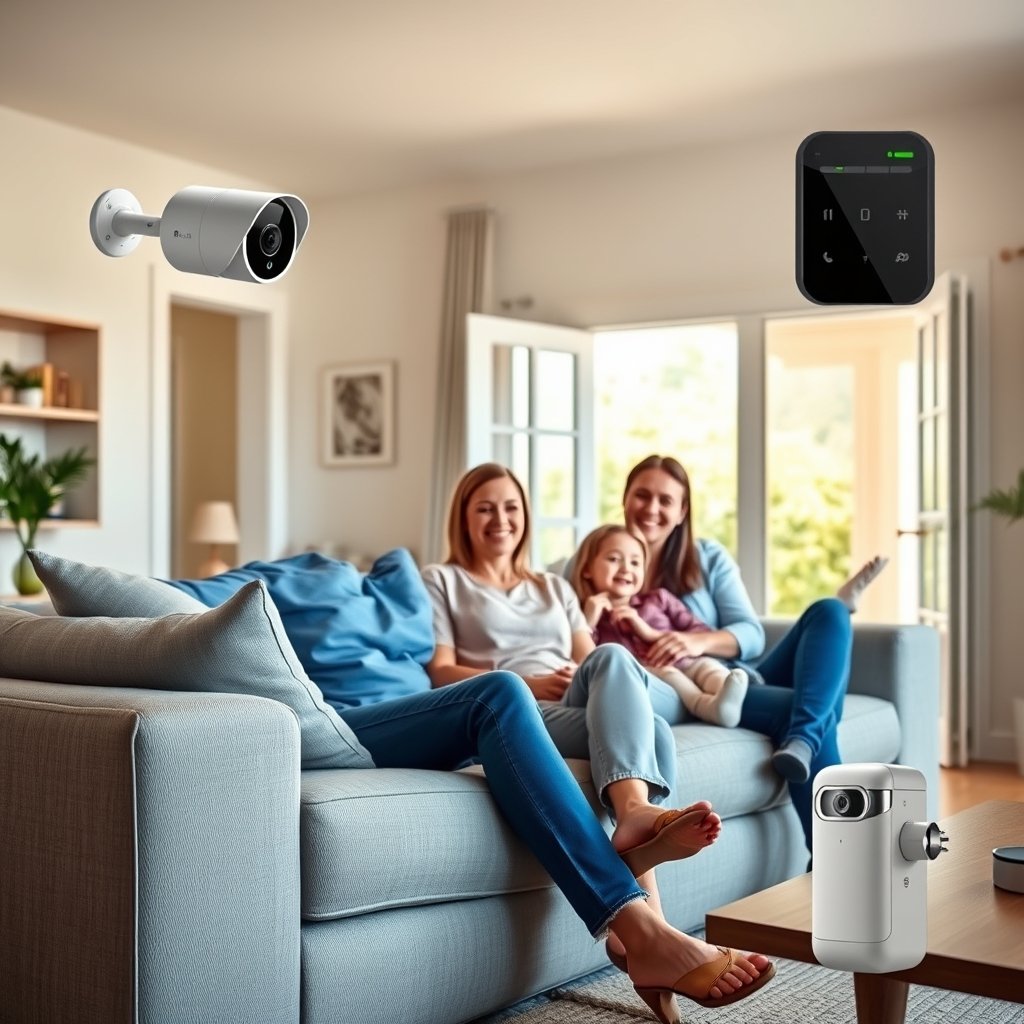
- Camera first, then locks and bells: Cameras should anchor your system, with smart locks and video doorbells next for both keyless control and deterrence. Entry sensors and panic buttons can be valuable, but focus on seamless basics first.
As you evaluate smart home security systems, use our guides on projects that add value and energy-efficient upgrades to make your home safer, smarter, and more comfortable—all at once.
Peace of mind is worth it. Compare brands, ask questions, and demand clarity: your security, privacy, and wallet all deserve it.
FAQ
Are smart home security systems worth it in 2026?
For most homes, yes. They offer real-time alerts and visual deterrence, which insurance companies now recognize with discounts. However, value depends on choosing a system with clear privacy protections, upfront costs, and good integration—avoid overpaying for unused features or locked-down apps.
How do I make sure my security cameras are private?
Pick cameras with local storage options or end-to-end encryption. Use two-factor authentication, regularly update passwords, and always review a brand’s privacy policy. Some brands offer privacy shutters or manual power cuts for added protection.
Can smart locks be hacked?
Technically, yes, any smart device is a target. To lower risk, pair locks with trusted apps, require two-factor authentication, keep firmware updated, and avoid sharing “guest” codes without limits. Some brands offer alert logs so you always know who accesses your home.
Is professional monitoring worth the cost?
It depends: if you travel or want instant dispatch, monitoring can be valuable. But if you mostly stay home or have reliable neighbors, self-monitoring with strong alerts may be enough—saving hundreds in fees annually.
Do smart home security systems work in apartments and rentals?
Yes, many smart locks and cameras are designed for renters, requiring no permanent wiring or drilling. Always ask your landlord and ensure you can easily remove or reset devices if you move out. Battery-powered options are especially renter-friendly.