

### Blog Post:
Best Cordless Drills have evolved so much in 2026 that choosing the right model now means weighing actual power, runtime, and comfort against hyped-up specs and overlooked annoyances. If you’re a committed DIYer or home renovator, real performance differences and user experience quirks matter far more than brand marketing. Below, you’ll get a no-nonsense, data-driven breakdown of 2026’s top contenders and learn which flaws and must-have features serious buyers should prioritize.
Key Takeaways
- 2026’s leading cordless drills deliver vastly different torque, speed, and runtime – see the direct stat comparison before buying.
- Users consistently complain about comfort and battery runtime issues, especially under heavy load. Don’t ignore these pain points.
- Advanced features like USB-C charging, digital torque feedback, and ergonomic handles are still missing in most models—but can transform your experience.
- 2026’s Best Cordless Drills: Direct Performance Comparison
- Power and Durability: What Matters Most in 2026
- Real-World Flaws: What Users Complain About Most
- Under-Served Features: What Reviews and Brands Still Miss
- Which Cordless Drill Should You Buy for DIY and Home Renovation?
- Frequently Asked Questions About Cordless Drills in 2026
2026’s Best Cordless Drills: Direct Performance Comparison
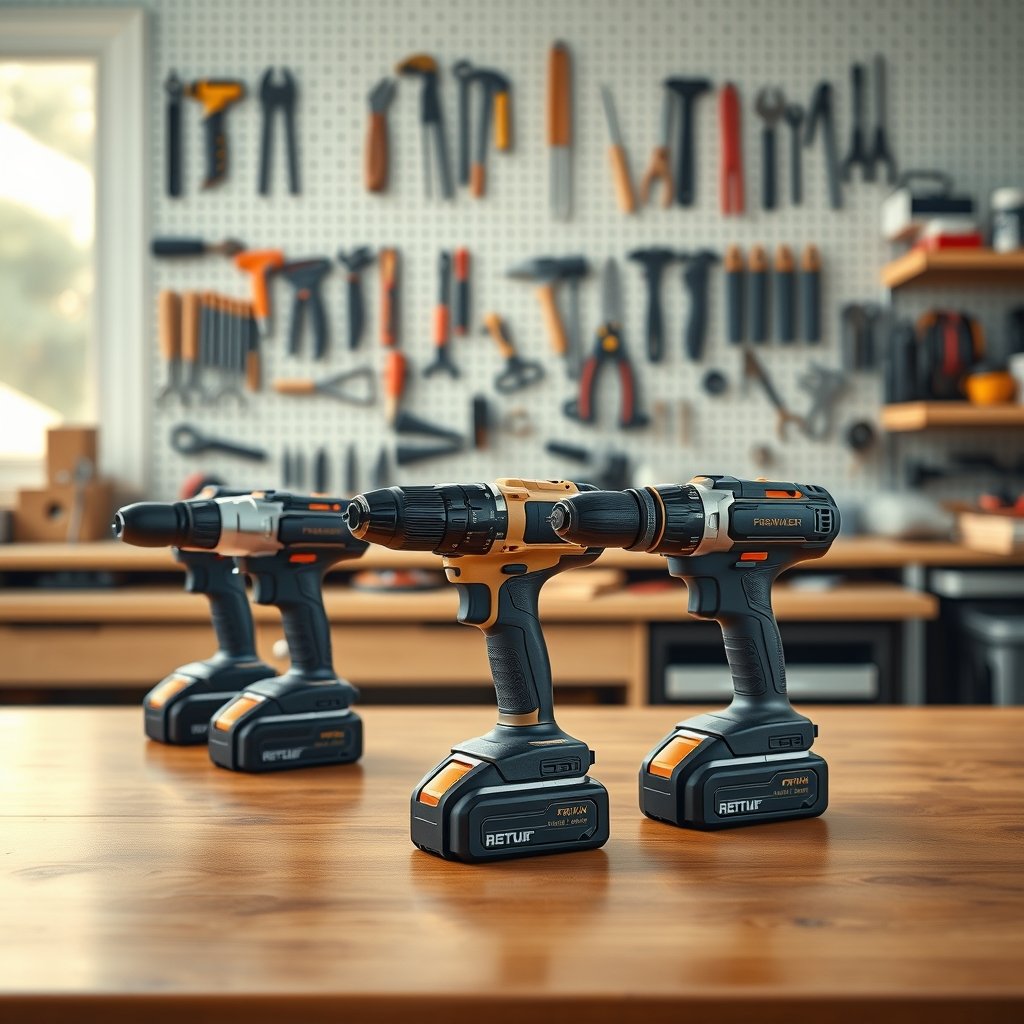
Choosing the Best Cordless Drills isn’t about sticking to familiar names anymore—it’s about the numbers and what they actually mean for renovation or DIY projects. The real story is shown side by side, where weight, torque, speed, and runtime draw clear lines between premium models and crowd-pleasing kit alternatives.
| Model | Max RPM | Max Torque (in-lb) | Hammer Rate (bpm) | Weight (bare) | Runtime (max battery) | Key Feature |
|---|---|---|---|---|---|---|
| Milwaukee M18 2904 | 1,300 | 265 | 34,400 | 1.8 lb | 5 hr (5.0 Ah) | Auto-stop safety, lightest pro drill |
| Makita 40V XGT GPH01 | 2,600 | 1,250 | 39,000 | 3.7 lb | 4 hr (4.0 Ah) | Extreme speed & torque |
| DeWalt DCD701F2 | 1,850 | 265 | – | 2.0 lb | 3.5 hr (4.0 Ah) | Compact best for tight spaces |
| Ryobi 18V One+ HP PBLHM102 | 700/2,150 | 850 | 34,400 | 3.1 lb | 2.5 hr (8.0 Ah) | Best value/DIY system |
| Ingersoll Rand D5241 | 1,800 | 1,100 | 28,000 | 3.5 lb | N/A | 4-year warranty/industrial ratings |
What separates these drills isn’t just numbers. The Milwaukee M18 2904 leads with the best power-to-weight ratio and a unique auto-stop safety, while the Makita 40V XGT GPH01 dwarfs others in outright torque and speed—a boon for renovation pros. DeWalt’s compact DCD701F2 fits into places too tight for its rivals, and Ryobi’s HP Hammer Drill punches above its price with a dual-speed range perfect for adaptable home tasks. Ingersoll Rand’s D5241 is the heavy-duty beast for those wanting shop-level toughness for home use, thanks to its industrial pedigree and rare four-year warranty.
For more detailed drill comparisons and up-to-date reviews, you can check out the exhaustive head-to-head charts at Pro Tool Reviews and rigorous consumer field tests at Popular Mechanics.
Power and Durability: What Matters Most in 2026
Speed and torque still reign supreme, but the context—how a drill handles fatigue, awkward jobs, and all-day runtime—matters just as much. Every DIYer or serious home renovation enthusiast needs to know how even the best power tools behave under real stress.
For example, the DeWalt DCD701F2 weighs barely over 2 lbs bare and runs up to 1,850 rpm. Despite its small size, it soldiers through up to 3.5 hours on a 4.0 Ah pack. The Ryobi HP Hammer Drill impresses with 850 in-lb torque and a flexible two-speed mode. If your projects are mixed—think framing, drywall, furniture assembly—the ability to adapt to both delicate jobs and full-bore driving is crucial.
Durability is about more than the outer shell—it’s about electronics and smart cooling. Some drills (like the Ingersoll Rand D5241) handle sustained hammering jobs and constant bit swaps with less risk of internal meltdown or jammed switches. Look for tools with brushless motors and explicit heat protection systems.
When considering your next home renovation tool or making a DIY upgrade, verify that the manufacturer’s platform allows battery sharing across multiple devices. Milwaukee and DeWalt both shine here, with battery ecosystems that fit dozens of tools, not just drills. See Wirecutter’s long-term drill reviews for real-world accounts.
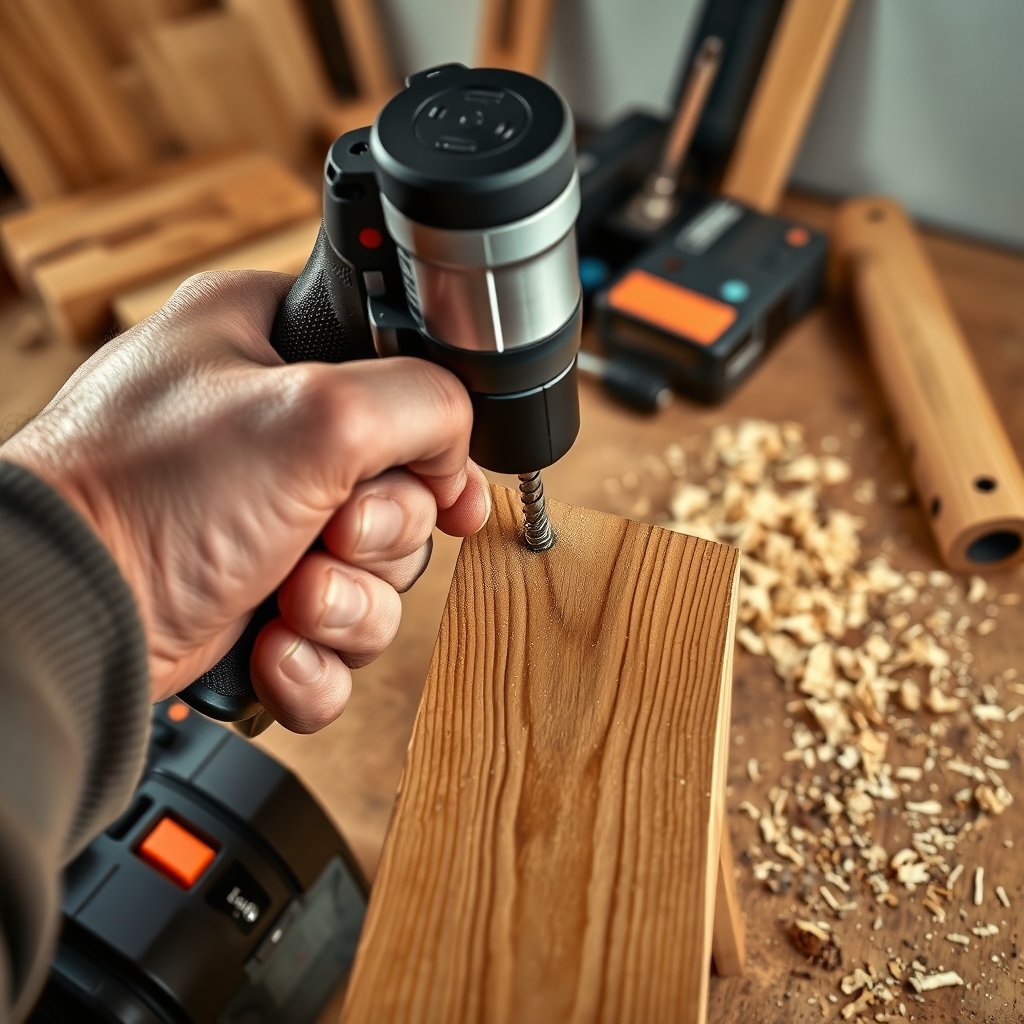
The bottom line? Regardless of stats, regular home renovators will benefit most from cordless drills balancing weight, heat management, and battery platform compatibility. Don’t shortchange runtime or comfort—if it feels too heavy now, it’ll be unbearable overhead by the end of a long weekend.
Real-World Flaws: What Users Complain About Most
No Power Tool Review is complete unless it deals with the actual headaches that owners face—especially those doing repetitive, high-stakes DIY projects around the house. The most persistent complaints in current negative user feedback are:
- Inconsistent battery runtime—especially with prolonged hammer-drilling or driving large lag screws.
- Trigger issues—some models have triggers that are awkwardly placed or “sticky,” leading to hand fatigue over time.
- Overheating and cutouts—when the motor or electronics get too hot, many drills will cut power abruptly, stalling your project.
- Chuck wear or slippage—heavy-duty jobs can cause cheaper chucks to loosen, making bit retention unreliable for overhead or deep drilling.
- Poor ergonomics—drills that look great on paper often prove too bulky or unbalanced for fine or overhead work.
Consumer experience from CNET reviews underscores these frustrations, often noting that all the power in the world won’t matter if you can’t comfortably use the drill above chest height or keep your wrist straight on tough jobs.
Durability ratings and feedback on brands like Ingersoll Rand highlight the fact that industrial heritage counts if you want a drill that won’t wear out after a single large renovation.
| Common Flaw | Impact | How to Spot or Avoid |
|---|---|---|
| Battery drains early in hammer mode | Interrupts extended tasks | Test demo models; always carry a backup battery |
| Stiff or misaligned trigger | Hand/wrist fatigue, especially with gloves | Check in-store; online reviews highlight models to avoid |
| Motor overheating/shutdown | Unexpected downtime | Prefer brushless and industrial-rated tools |
| Chuck slips with heavy bits | Dangerous when used overhead | Test bit retention in store or opt for all-metal chucks |
If you’re tackling renovation and want more DIY tools guidance, review our best home improvement tools roundup and home-use focused product reviews to see which models have solved (or failed) these reliability problems.
Under-Served Features: What Reviews and Brands Still Miss
With all the focus on headline stats, three truly game-changing features for DIYers and home renovators are still flying under the radar. When comparing cordless drills for purchase, keep an eye out for these:
- USB-C rapid charging and Real-Time Battery Gauges: Few drills natively support USB-C rapid charging—meaning you miss out on universal, fast recharges using your laptop adapters or power banks. Real-time battery indicators are essential to avoid surprise dead batteries in the middle of demanding jobs.
- Digital Clutch with Torque Feedback: The majority of models still rely on old-school mechanical clutches. Only a few premium options offer digital torque readouts, which help prevent overtightening or underdriving in sensitive applications. For projects with delicate materials, this can mean the difference between smooth assembly and wrecked screws.
- Adaptive Grip and Handle Customization: Whether you have large hands, need to work overhead, or share tools among household members, adjustable grip/handle shell systems reduce fatigue. The industry still lags here, but DIYers rate such features as top priorities for any project over an hour long.
If leading reviews ignore these functions, take it as a cue to dig deeper before buying. For in-depth tool system and ergonomics analyses, explore our home improvement tips guide and look out for comparison tests that actually measure user comfort.
Which Cordless Drill Should You Buy for DIY and Home Renovation?
Here’s where the stats and real-world experience meet. If you’re focusing on power above all else for jobsite-level renovation, the Makita 40V XGT GPH01 and Ingersoll Rand D5241 are outstanding—with the latter boasting industrial durability and a standout four-year warranty.
For lightness, comfort, and frequent home DIY, Milwaukee’s M18 2904 wins on power-to-weight, adds safety features like auto-stop, and works seamlessly across Milwaukee’s broad M18 tool line.
- Get Makita or Ingersoll Rand if you face repeated heavy jobs or need maximum raw torque.
- Choose Milwaukee M18 for the best blend of all-day comfort and platform flexibility.
- Ryobi HP Hammer Drill offers remarkable value and battery life for moderate budgets, especially if you want a single battery ecosystem for the entire garage.
- DeWalt DCD701F2—go this route for tight spaces and occasional, compact work.
For a deeper home-renovation perspective and more hands-on DIY tools recommendations, see our posts on remodeling project best practices and the top home improvement projects for the current year.
Don’t let marketing hype drive your choice. Focus on features and durability that really matter for years of DIY and renovation. The Best Cordless Drills are the ones that fit your hand, your project mix, and your need for reliable, transparent battery power.
Ready to invest in a drill that won’t leave you frustrated mid-project? Compare the top contenders above, look for those essential overlooked features, and don’t settle for less comfort or control than you deserve.
Frequently Asked Questions About Cordless Drills in 2026
Which cordless drill offers the best battery compatibility for homeowners with multiple tools?
Milwaukee M18 and DeWalt’s 20V MAX platforms both allow the same batteries to be used across dozens of tools—meaning you can expand your DIY arsenal without buying a new battery for each device.
Is torque or speed more important for home use?
For most DIY users, torque is more crucial when driving large fasteners or drilling into tough materials, while higher speed helps with quick drilling in softer materials. Choose a drill with a two-speed gearbox to cover both needs.
What’s the most common user complaint with today’s cordless drills?
Persistent gripes include inconsistent battery runtime, especially under heavy hammering, and uncomfortable triggers or grips that cause fatigue on bigger jobs.
Are extra features like USB-C charging and digital torque readouts worth it?
Yes, especially if you do long or precision-heavy sessions. USB-C charging gives flexibility and fast top-ups, while digital torque helps prevent mistakes on delicate tasks.
How long does a typical high-end cordless drill last under regular DIY use?
With basic care, models from Milwaukee, Makita, or Ingersoll Rand often last five years or more, especially those with brushless motors and solid warranty coverage.
—