

DIY Home Repairs are one of the smartest ways new homeowners and renters cut living costs in 2026, but knowing exactly what to tackle and how much you’ll really save makes all the difference—especially when you’re just starting out. You’ll find real stats, no-nonsense tips, and the beginner repair guides most blogs skip in this super practical, mistake-proof guide.
Key Takeaways
- DIY home repairs in 2026 save the average homeowner $1,200–$1,500 a year—about 30% vs. hiring pros (source).
- 45% of beginners mess up at least one project; knowing common mistakes and using step-by-step guides dramatically reduces costly errors.
- Three crucial beginner repairs—like replacing a toilet flange, cleaning HVAC coils, and swapping to a GFCI outlet—are rarely explained elsewhere but can save hundreds in pro fees.
- How Much Can DIY Home Repairs Really Save You in 2026?
- The Most Common Beginner Mistakes—and How to Avoid Them
- 3 Essential Repair Guides Every Beginner Needs (That Pros Tend to Hide)
- Quick-Start Toolkit: What You Really Need (and Don’t) for DIY Success
- When to Tackle It Yourself—And When to Call a Pro
- Frequently Asked Questions
How Much Can DIY Home Repairs Really Save You in 2026?
Doing your own home repairs is more than just a confidence boost—it’s a serious money-saver. In 2026, the average US homeowner or renter who takes on routine repairs themselves pocketed about 30% of their potential costs compared to hiring the job out. That’s a real-world annual savings of $1,200 to $1,500, mainly because labor for a typical pro runs $1,200–$1,500 a year (see data), while you can often buy the same materials for just $200–$300.
Where do these savings come from? Most home maintenance involves simple fixes that don’t require specialized skills: patching drywall, resolving minor plumbing issues, changing outlets, or cleaning HVAC filters. When you hire a professional, you’re paying heavily for labor and overhead, while DIY means you only pay for parts and (sometimes) a tool or two.

Yet, smart DIY doesn’t mean jumping in blind. Some repairs have hidden risks and costs—project creep, surprise tool needs, or mistakes leading to even costlier redos. That’s why focusing on realistic savings, using clear guides, and learning what you can vs. should do matters. For more tips on choosing projects that boost ROI, see these home improvement projects.
The Most Common Beginner Mistakes—and How to Avoid Them
If you’re nervous about tackling DIY home repairs, you’re not alone. In fact, 45% of beginners report totally botching at least one project, and four-fifths admit to at least one major error (source). Most of these mishaps boil down to the same rookie slip-ups:
- Underestimating how long a repair will actually take
- Starting with the wrong (or missing) tools
- Skipping prep steps like shutting off water or electricity
- Poor measurements—or not measuring at all
- Lack of cleanup or securing fasteners
Want more ways to save yourself from costly mistakes? Explore these home improvement mistakes to avoid—they apply to all experience levels.
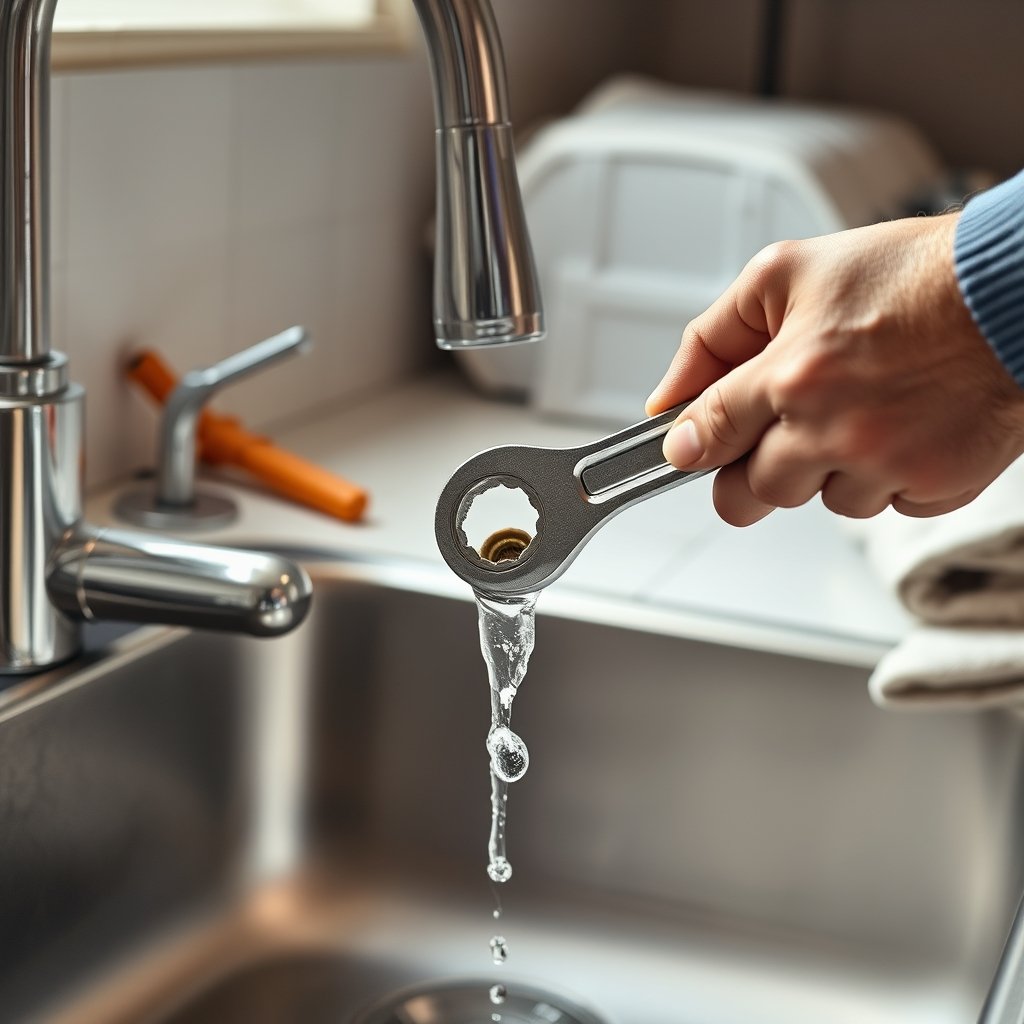
Finally, never rush. Most mistakes happen when you skip prep. Make a printed or digital checklist and physically confirm each prep step—especially for anything electrical or involving water.
3 Essential Repair Guides Every Beginner Needs (That Pros Tend to Hide)
While most lists cover patching drywall or fixing leaky faucets, there are three intimidating but hugely valuable beginner DIY projects that hardly ever get clear, step-by-step coverage:
- Replacing a Toilet Flange and Wax Ring
Failure here causes leaks, wobbling toilets, and bad odors. A good guide should cover removing the old flange, prepping the floor for a tight seal, installing a new wax ring, and leak testing before final tightening. This is rarely covered in detail, yet pros typically charge $200+ for what is often a one-hour job. - Cleaning and Servicing a Central-Air HVAC Filter and Evaporator Coil
A dirty HVAC filter or coil reduces both air quality and system efficiency, yet is simple to address with clear instructions. Most sources only cover filter changes, but learning to access and carefully cleaning the evaporator coil can save $150+ per service call—even more in warm climates. Leak and moisture checks are crucial here, too. - Safe Swapping of a Standard Outlet for a GFCI
Replacing a regular outlet with a GFCI (Ground Fault Circuit Interrupter) increases safety near water. This project intimidates beginners because it involves wiring and code compliance. Time spent understanding breaker checks, proper wiring, and official testing protocols pays off in safety and dollars saved.
Comprehensive, visual walkthroughs for each of these are hard to come by, but they are absolutely within reach for first-timers. For more step-by-step tutorials, see our detailed DIY Home Improvement guide and explore hundreds of extra repair projects here.
Quick-Start Toolkit: What You Really Need (and Don’t) for DIY Success
Beginner DIY doesn’t require a truck full of tools. Here’s a realistic toolkit checklist tailored to the most common home maintenance and easy home repairs:
- Adjustable wrench
- Screwdriver set (Phillips and flat-head, plus stubby and long versions)
- Tape measure and bubble level
- Utility knife
- Hammer plus finishing nails
- Headlamp or portable work light
- Channel-lock pliers
- Needle-nose pliers
- Power drill (can be rented for single projects—find top picks here)
- Voltage tester (non-contact for electrical work)
- Putty knife and sandpaper
- Caulk gun and a tube of all-purpose caulk
- Painter’s tape (also great for labeling wires or pipes)
- Latex gloves and small drop cloth
Tip: Rent or borrow specialty tools for rare jobs—don’t buy until you’ve used something twice. Local hardware stores and some libraries even offer tool-lending programs. If you’re wondering which projects make sense to buy for, check our Home Maintenance Checklist for seasonal must-dos.
Want to build skills before doing it live? Watch step-by-step guides on YouTube from trustworthy brands (Lowe’s, This Old House), and ask at your local hardware store—they often know which parts will save a DIYer hassle. For ideas on affordable upgrades that don’t need power tools, check our list of affordable home upgrades.
When to Tackle It Yourself—And When to Call a Pro
Not every repair is truly DIY, especially when safety or expensive systems (like gas appliances) are involved. Use this three-part framework to decide:
- Safety First: If the repair involves gas lines, complex electrical panels, or heights you’re not equipped for, call a licensed pro. Examples: rewiring breakers, pressure-testing gas pipes, or repairing roofing after a major leak.
- Budget Realism: If a botched repair could cause thousands in water or fire damage—think main water shutoff, foundation cracks, or major leaks—get at least a pro estimate before trying it yourself. Remember, amateur errors cause most expensive callbacks (stat).
- Time, Confidence, and Motivation: If you’re rushing, tired, or not interested in learning, even simple repairs become mistakes. Pause, research, and call for help if anything feels outside your comfort zone.
| Repair Type | DIY? | Estimated Savings | When to Call a Pro |
|---|---|---|---|
| Patching holes in drywall | Yes | $100–$250 | Large or structural cracks |
| Leaky faucet repair | Yes | $75–$200 | Behind-wall leaks, corroded pipes |
| Toilet flange/wax ring replacement | Yes, with step-by-step guide | $200–$275 | Severe rot or subfloor damage |
| GFCI outlet swap | Yes, if comfortable with wiring | $100–$175 per outlet | No power, wiring confusion |
| HVAC coil cleaning | Yes, for filter and light debris | $150–$300 | Internal blockages, coolant issues |
| Gas appliance repair | No | N/A | Always |

Above all, the best DIYers are honest with themselves. Plan ahead, use detailed guides, and get multiple opinions if you’re uncertain. If you ever feel stuck, don’t hesitate to reach out—sometimes the smartest financial move is knowing when to hand it off.
Frequently Asked Questions
How much can beginners actually save doing home repairs themselves?
Most new DIYers in 2026 keep $1,200–$1,500 in their pocket per year, around 30% less than what they’d spend hiring out every small job. The bulk of this savings comes from avoiding high labor costs for basic repairs (stat).
What tools do I need for my first DIY home repair?
You’ll get far with a basic toolkit: screwdrivers, adjustable wrench, bubble level, hammer, tape measure, power drill (can rent), and a voltage tester. Start with these essentials and expand as you take on more projects. See our toolkit and checklist for details.
What repairs should beginners avoid?
Steer clear of anything with gas lines, major electrical panels, heights, or structural repairs. These carry safety, legal, and insurance risks. When in doubt, start with plug-and-play projects, and read up on common DIY mistakes here.
Is it better to rent, borrow, or buy tools?
For most first-time projects, borrow or rent specialized tools to stay on budget. Buy high-quality basics that you’ll use often, like a screwdriver set or a level. Libraries or hardware stores sometimes offer tool-lending programs as well.
Where can I find reliable, step-by-step guides for DIY home repairs?
Explore our DIY Home Improvement guide for proven, beginner-friendly projects. National resources such as Family Handyman offer hundreds of visual step-by-step guides. For in-person help, local hardware store experts can answer questions.
Conclusion
DIY home repairs are not only budget friendly, they’re a real-world path to self-reliance and smarter spending in 2026. From patching drywall to major savings like swapping out outlets or servicing HVAC, you’ll bank an extra $1,200–$1,500 per year by picking the right projects and following clear, step-by-step guides. Remember, using detailed instructions—and being honest about your skills—is what separates a money saver from a costly mistake. Ready to start? Grab your checklist, pick a project for this weekend, and put your new skills to use with our expert-tested DIY Home Repairs collection.

[…] For deeper insight into what you can safely tackle vs. what to outsource, review our DIY repair guide. […]
[…] expensive, even dangerous, mistakes. For reliable, beginner-friendly walkthroughs, resources like DIY home repairs for beginners are a better place to start than random social videos. Don’t hesitate to cross-check multiple […]