

Best Electric Screwdriver picks are more advanced than ever, but choosing the right cordless tool in YYYY comes down to more than just power specs—it’s about comfort, reliability, and features that actually solve real DIY problems.
Key Takeaways
- The best electric screwdriver models in YYYY deliver high torque, fast USB-C charging, and ergonomic comfort that minimizes hand fatigue for both DIYers and pros.
- Key overlooked features like adjustable clutches, LED lighting, and robust bit sets make a real difference in long-term satisfaction and precision work.
- Avoid common pitfalls by understanding real-world complaints around battery capacity, torque consistency, and bit durability—focus on match-for-task specs.
- What Makes the Best Electric Screwdriver in YYYY?
- Step-by-Step Guide: How to Choose and Use a Cordless Screwdriver
- Advanced Analysis & Common Pitfalls: What Reviews Miss
- Conclusion: Your Next Steps
- FAQ: Best Electric Screwdriver
What Makes the Best Electric Screwdriver in YYYY?
Todays cordless electric screwdrivers have evolved, offering more power and precision for DIYers and hobbyists. The best electric screwdriver models now feature robust lithium-ion batteries that can run up to 2 hours, high torque outputs of 300–325 in-lb for heavy-duty jobs, and USB-C fast charging that gets you back to work in around 60–90 minutes. But specs are just the start—comfort and real-world reliability are where many screwdrivers disappoint. DIYers today want lighter bodies (under 2.5 lb), smart features like variable speed triggers, and better lighting. Unfortunately, many “top” picks still miss these crucial details.
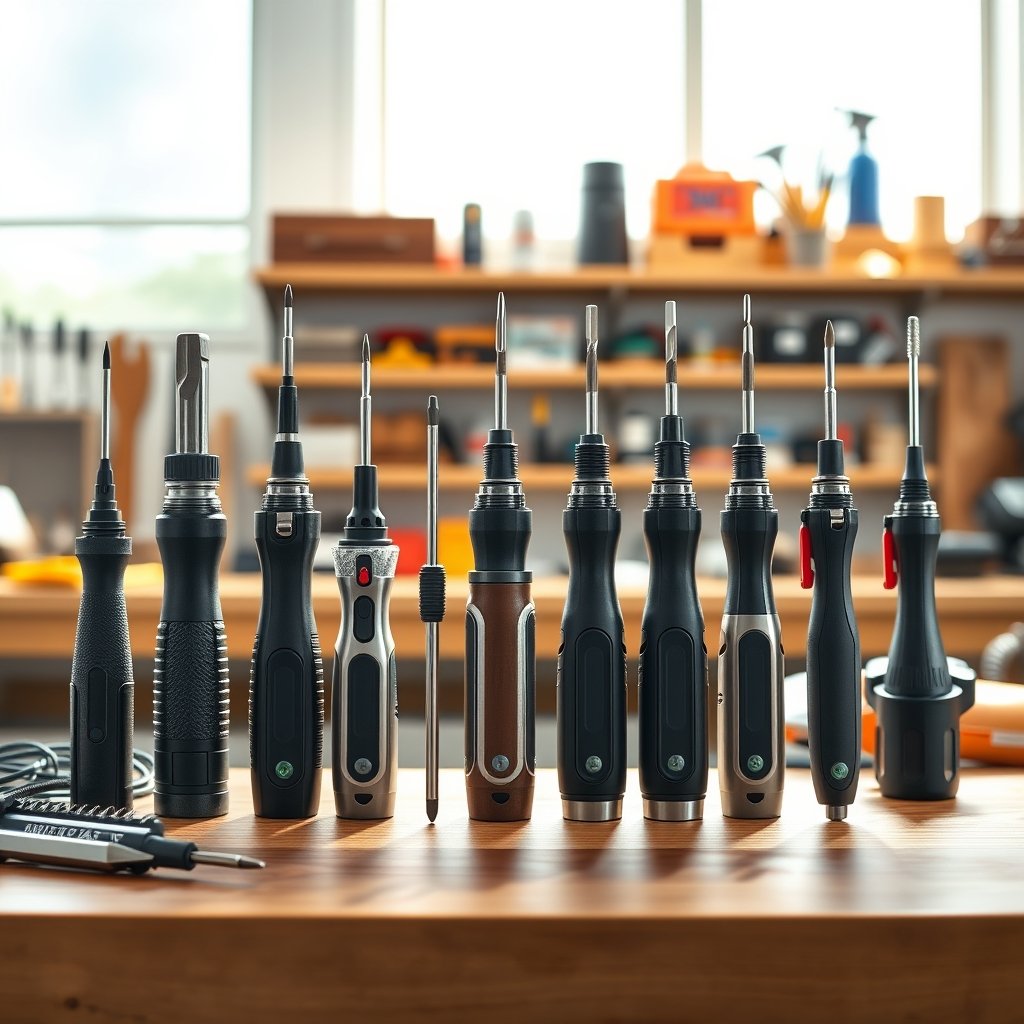
Tool fatigue, awkward grips, and short-lived bits impact real users more than flashy voltage numbers. That’s why our recommendations weigh hands-on comfort and durability as much as pure power—because a tool is only as good as its performance on the job.
Step-by-Step Guide: How to Choose and Use a Cordless Screwdriver
Making the right cordless screwdriver choice means focusing on your real projects and understanding which specs will serve you best. Here’s how to do it:
- Match Voltage and Torque to Your Task.
- 4–5 V models: Best for electronics and precision work.
- 7–12 V models: Great for furniture, drywall, home repairs.
- Reference your typical tasks and don’t over-buy: more power adds weight and cost you may not need.
- Consider Ergonomics and Weight.
- Look for rubberized, contoured grips, smart trigger placement, and total weight under 2 lb for comfort in longer sessions.
- Check Battery Specs and Charging.
- Choose lithium-ion packs with USB-C charging for fast, universal recharges; check for battery indicators.
- Models like the Fanttik E1 Max recharge in under 90 minutes and are ideal for portable use (source).
- Prioritize Essential Features.
- Adjustable clutch/torque settings, variable speed, brushless motors, magnetic bit holders, and LED ‘ring’ lights are must-haves.
- Avoid bargains without proper clutch settings—they risk overdriving screws and damaging your workpiece.
- Test Fit and Bit Compatibility.
- Confirm your chosen DIY screwdriver accepts standard 1/4″ bits or comes with an adapter for flexibility.
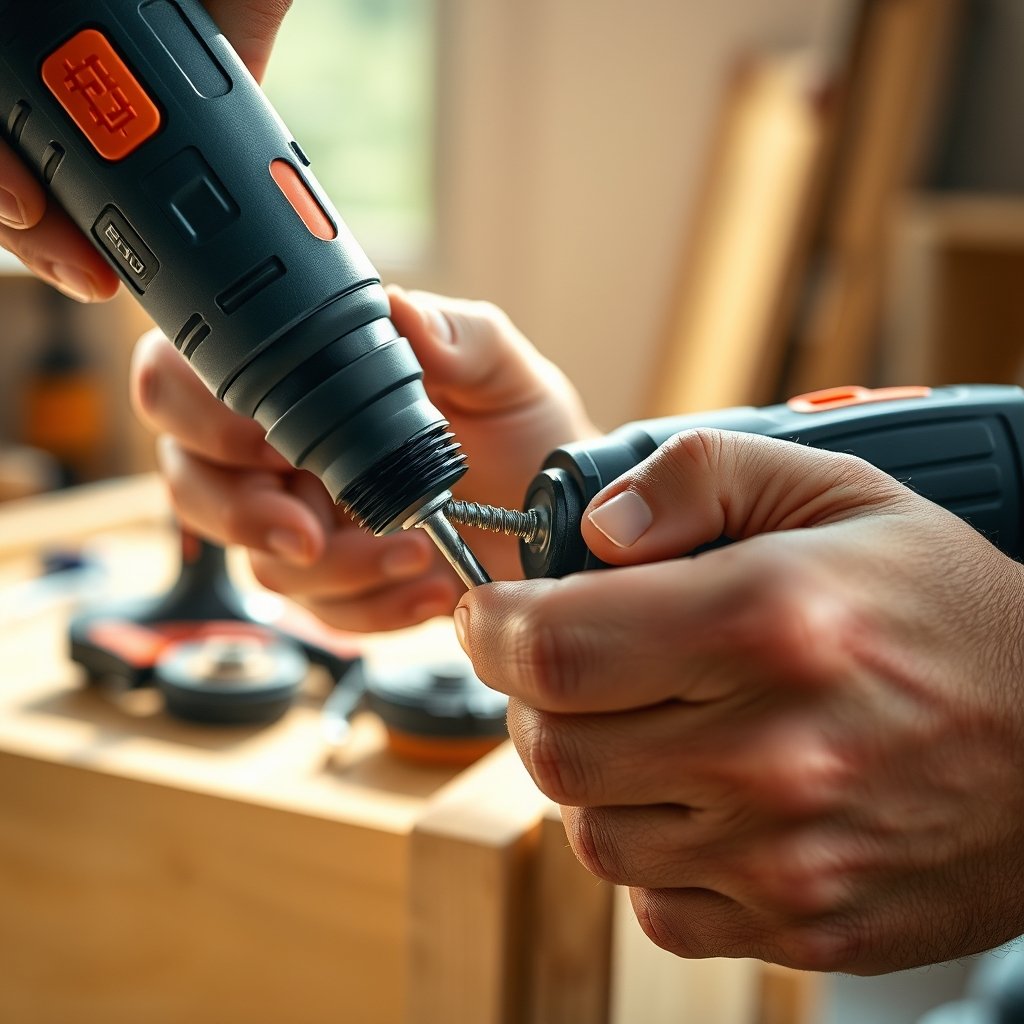
For light repairs, cordless electric screwdrivers with precision speed (RPM), lightweight bodies (under 1.5 lb), and extended bit sets work best. If you’re assembling larger furniture, look for torque above 40 in-lb and a handle design that lets you apply downward pressure without strain. For more on matching tools to tasks, check out our full Best Power Tools Guide.
Don’t forget storage: A DIYer is only as organized as their toolbox. Many of the compact magnetic storage for bits or custom cases that fit easily on shelving.
Advanced Analysis & Common Pitfalls: What Reviews Miss
Even the best-reviewed electric screwdrivers disappoint when real-world stressors are ignored. Our research synthesis highlights where most users get tripped up, so you don’t have to.
| Common Problem | What Causes It | How to Avoid |
|---|---|---|
| Inconsistent or Low Torque | Undersized motors, marketing hype on voltage instead of torque, no clutch. | Pick models with real-world torque ratings and adjustable clutches—don’t buy based solely on “V” numbers. |
| Rapid Battery Loss/Slow Charging | Small, low-quality batteries, no battery indicator, non-USB charging. | Choose screwdrivers with name-brand lithium-ion batteries, USB-C charging, and clear charge indicators. |
| Hand Fatigue/Uncomfortable Design | Heavy, unbalanced bodies, slick or narrow handles. | Stick to models under 2 lb, with soft-grip rubber and ergonomic triggers. |
| Fragile or Stripped Bits | Cheap steel or poor fit, lack of magnetic holder. | Invest in S2 or “impact-rated” bits; use magnetic holders and never force screws with wrong tips. |
| Poor Lighting/Visibility | Tiny single LEDs, or shadows from side placement. | Opt for models with full LED halo rings or adjustable lights—test in a dark space before buying if possible. |
One area that’s almost always glossed over? Battery care. Even robust 12 V lithium cells wear out if left discharged or exposed to temperature swings. Store your tool charged, and recharge after every use. Here’s an in-depth look at home maintenance practices that can improve tool longevity.
Remember—bit quality matters as much as motor quality. Always use the right bit for the job and keep a spare set handy. Many users end up with stripped screws not because of low power, but due to poor bit fit or wobble. Refer to this cordless screwdriver expert guide for more side-by-side reviews.
Still struggling with garage clutter? See our garage organization strategies to ensure your tools are always in reach and ready.
For homeowners balancing weekend renovations with daily fixes, the right tool upgrades can make all the difference.
Conclusion: Your Next Steps
The best electric screwdriver isn’t just about raw power—it’s about ergonomic design, reliable battery life, and task-matched features that simplify your projects. Look for models with adjustable torque, fast charging, comfortable grips, and robust bit sets. Avoid cheap bundles that won’t last, and pay attention to the pitfalls outlined above. Invest once and get a tool you can trust for years. Ready to upgrade? Shop smart and add the best electric screwdriver to your kit today—your hands (and your next project) will thank you.
Want more in-depth DIY advice? Explore our DIY home improvement guide and discover the tools top renovators use daily.
FAQ: Best Electric Screwdriver
What is the ideal torque for a cordless electric screwdriver?
For general household and furniture assembly, look for at least 30–40 in-lb. For heavy tasks like drywall, 200–325 in-lb. Precision jobs like electronics require less than 5 in-lb. Always match the tool’s torque to your project needs.
How long do batteries last on the best electric screwdriver models?
Most quality models offer 1–2 hours of continuous use per charge. Look for lithium-ion batteries with USB-C charging and clear battery indicators for low-hassle recharge cycles.
What’s the difference between brushless and brushed motors?
Brushless motors are more efficient, last longer, and run cooler than brushed types. They also deliver more consistent torque and require less maintenance, making them ideal for both heavy-duty and frequent use.
How do I extend the lifespan of my electric screwdriver?
Charge batteries after each use, store in a dry moderate area, clean and lubricate the chuck, and regularly inspect bits for wear. Proper use of clutch settings avoids overloading the motor and stripping fasteners.
Are expensive screwdrivers really worth it for occasional DIYers?
If you only use the tool a few times yearly, a midrange model with proven durability and basic clutch control is often enough. For frequent users or those tackling varied tasks, investing in top-tier features provides comfort and value long-term.