

Best Home Security Cameras are no longer a luxury—they’re a must-have for protecting your home in YYYY. With break-ins and porch thefts on the rise, smart buyers now demand technology that works all day, every day, in real-world conditions. This unbiased guide cuts through marketing jargon so you know exactly what features to look for, which models stand out this year, and what common pitfalls to avoid before you buy.
Key Takeaways
- Over half of U.S. homes now have security cameras—wireless, smart features, and outdoor durability are top priorities.
- Common user complaints revolve around wireless connectivity issues, night vision struggles, and confusing integration with other devices.
- For the best results in YYYY, look for flexible power options, advanced AI detection, and seamless voice assistant compatibility.
- 2024 Trends—How Home Security Cameras Became Essential
- Types of Home Security Cameras—What’s Right for You?
- Key Features for YYYY—What Actually Matters
- Real User Pain Points—Problems Cameras Don’t Solve
- Comparing Top Contenders—Which Cameras Stand Out and Why
- Features You Didn’t Know You Needed (But Should Demand)
- Final Recommendations—Choosing the Best Security Camera for Your Home
- FAQ: Best Home Security Cameras
2024 Trends—How Home Security Cameras Became Essential
In the past few years, the adoption of home security cameras has exploded—today, approximately 52% of U.S. households use at least one, up from 42% just a year prior. This is more than just a short-term spike; video security has become a true necessity, with wireless and smart cameras making up the bulk of new installs. Research shows that about 60 to 65% of cameras sold are wireless, and 51% are classified as “smart”—meaning they connect to apps, offer AI-driven alerts, or work with voice assistants. This shift is driven by the need for both convenience (DIY, no messy wiring) and robust real-time monitoring, alongside an increased focus on packages and outdoor areas where traditional alarms fall short.
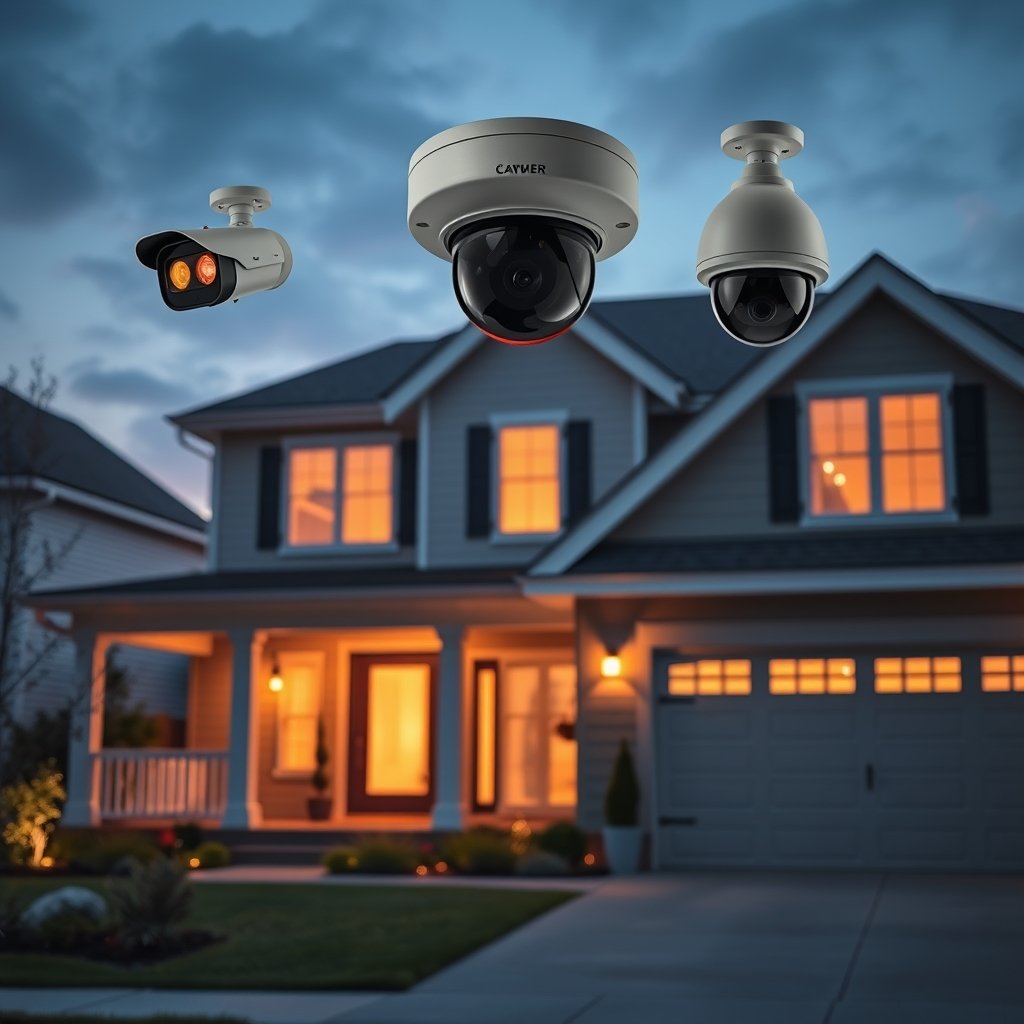
Wireless models, in particular, have democratized home security—renters and homeowners alike can install these cameras in minutes, often moving them as needs or layouts change. Smart home integration is no longer optional; it’s expected. Whether you’re monitoring deliveries, checking up on pets, or securing exterior doors and driveways, the best home security cameras give you an instant window into your world, directly from your phone or smart display.
Types of Home Security Cameras—What’s Right for You?
The variety of home security cameras in YYYY can feel overwhelming, but it all boils down to five main types:
- Indoor Cameras – Small, discrete, perfect for keeping tabs on pets, kids, or entryways from inside.
- Outdoor Cameras – Designed for weather resistance and wide-angle views; 63% of users install at least one outdoors.
- Wireless (Wi-Fi) Cameras – DIY-friendly, easy to relocate, accounting for nearly 65% of camera sales.
- Smart Cameras – Offer real-time mobile alerts, cloud recording, voice controls, and “smart zones” detection (for smarter notifications).
- Wired Cameras (PoE, Hardwired) – Less common in new installs due to complexity, but they provide rock-solid power and connectivity, ideal for large properties or where maximum reliability is a must.
Almost all top brands now offer battery-powered wireless outdoor security cameras for ultimate placement flexibility, but these can face reliability issues in harsh weather or if Wi-Fi signal is weak. Security.org’s camera guide breaks down mounting, power options, and usability for new shoppers.
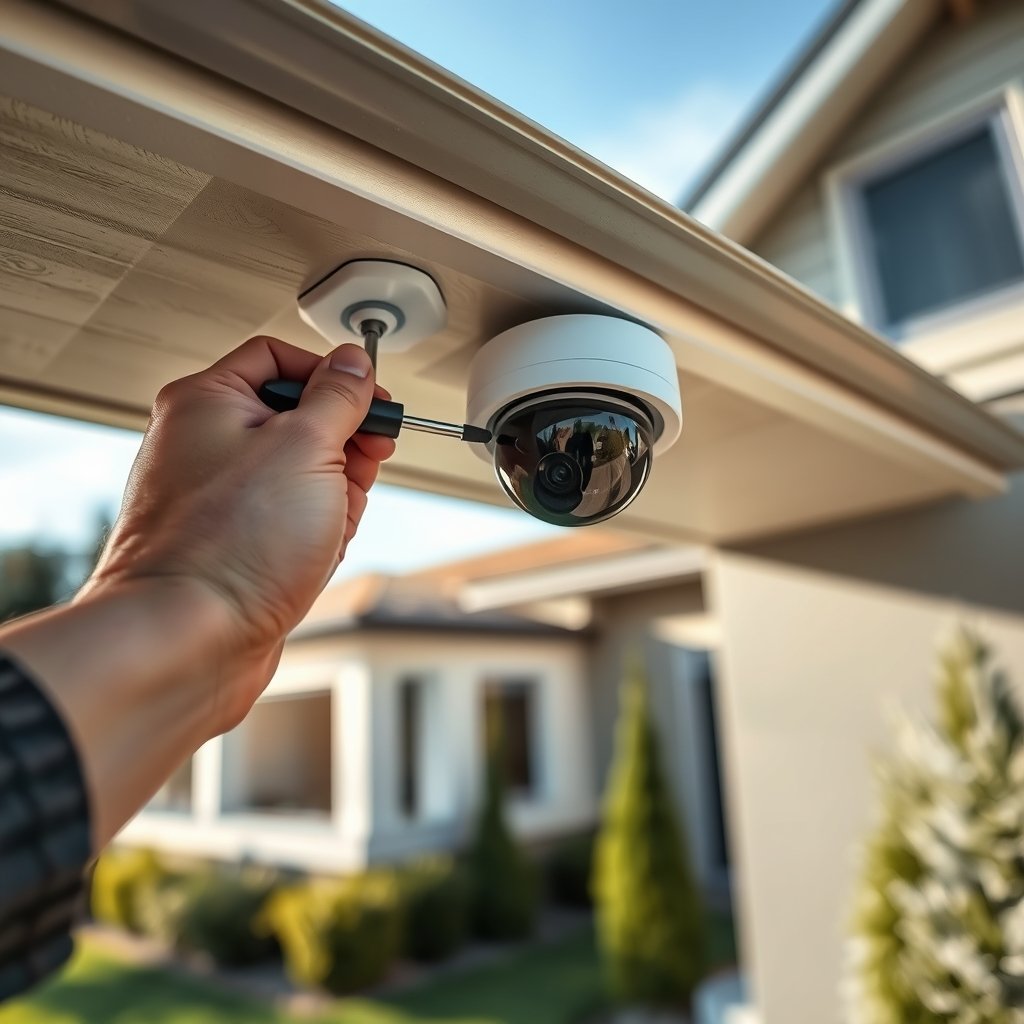
Wireless smart cameras are the go-to choice for most American homes now, but don’t ignore outdoor mounting tips—use proper waterproof housings and avoid pointing cameras straight into sunlight, which can cause glare and false motion alerts. Wired models are better suited to new construction or large estates, but a hybrid approach—wired for main entryways, wireless for odd angles or temporary setups—offers the best balance for many households.
Key Features for YYYY—What Actually Matters
Ignore flashy marketing. When evaluating smart cameras and wireless cameras, these features should be non-negotiable in YYYY:
- High Resolution Video: 2K (1440p) or 4K (2160p) is the current gold standard. Anything below 1080p is outdated and will struggle with facial detail or license plates. Camera reviewers consistently warn: steer clear of 720p options.
- Dependable Power: Flexible options (rechargeable battery + Power over Ethernet/USB plug) mean fewer outages and less maintenance. Power is a top pain point for wireless cameras.
- Advanced AI Motion/Person Detection: Cameras now distinguish between people, pets, and vehicles. Systems without AI trigger endless false positives—look for “smart detection” in product specs with adjustable motion zones.
- Smart Home Integration: Full compatibility with Alexa, Google Assistant, or Apple HomeKit ensures live streams and alerts are accessible in your ecosystem. Partial or clunky integrations are still common in cheaper brands.
- Night Vision and Weatherproofing: At least 30 feet of infrared (IR) or color night vision and IP66/IP67 rating for outdoor cameras. Without this, your camera may fail when you need it most.
For more on integration, see our guide to smart home devices.
Market research confirms these are top requirements among real buyers. Bonus: Features like continuous 24/7 recording (NVR/DVR supported for wired, cloud/SD for wireless) add peace of mind, though they may incur extra costs.
Real User Pain Points—Problems Cameras Don’t Solve
Before buying any wireless camera or outdoor security camera, consider the most common complaints from thousands of verified users:
- Connectivity Headaches: Wireless cameras often struggle with Wi-Fi range, thick walls, or crowded networks. Even top brands suffer outages if placed too far from a router.
- Battery Drain and Charging Hassles: Outdoor placements with frequent motion events (e.g., near a busy street) may require recharging every few weeks—far more often than manufacturer marketing suggests.
- Weather and Night Vision Problems: Cheap outdoor cameras fog up, freeze, or lose sensitivity during heat waves or storms. Night vision often fails in poorly lit yards—causing blank recordings or ghostly, blurry images instead of useful evidence.
- False Alarms: Without advanced AI, outdoor cameras trigger constant notifications from headlights, passing cars, or animals—making you tune out real alerts.
- Storage and Privacy**: Low-cost models may force monthly subscriptions for video recordings, or worse, risk cloud data privacy breaches. Always check where your footage is stored and how it’s encrypted.
Most buyers underestimate ongoing costs (batteries, cloud storage, premium detection features) and overestimate a camera’s ability to deter professional burglars. Cameras help, but aren’t a substitute for good locks or systems. See our home maintenance checklist for full security coverage.
| Pain Point | Wireless Cameras | Wired Cameras | Smart Cameras |
|---|---|---|---|
| Connectivity | Can lose signal, especially outdoors | Rock solid, but hard to install or move | Relies on Wi-Fi, cloud up-time |
| Power Source | Battery drains fast with high activity | 24/7 power, but needs wiring | Depends on brand, some only battery |
| Night Vision | Varies—can struggle in bad weather | Usually strong, better infrared | AI can filter out false events if offered |
| Storage Costs | Cloud fees can add up | No monthly fee for local storage | Most require paid subscription for full features |

Comparing Top Contenders—Which Cameras Stand Out and Why
Based on market share, feature sets, and expert reviews, here’s how YYYY’s best home security cameras stack up. These are the brands that dominate discussions, but none are perfect—here’s where they shine and where they still fall short:
| Model | Type | Resolution | AI Detection | Power | Smart Integration | Key Weakness |
|---|---|---|---|---|---|---|
| Arlo Pro 5S 2K | Wireless Outdoor | 2K | Strong | Battery + Solar | Alexa, Google | Cloud storage fee |
| Wyze Cam OG | Wireless Indoor/Outdoor | 1080p | Moderate | USB-C | Alexa, Google | Limited integration; no HomeKit |
| EufyCam 3C | Wireless Outdoor | 4K | Strong | Battery + Solar | Alexa, Google, HomeKit* | Questionable HomeKit support |
| Ring Spotlight Cam Pro | Wireless Outdoor | 1080p | Moderate | Battery/Plug-in | Alexa | No Google; cloud fees required |
| Nest Cam (Battery) | Wireless Indoor/Outdoor | 1080p | Strong | Battery + Magnetic Charge | Google Assistant | Limited Alexa/Apple support, cloud fees |
*HomeKit support varies by software update and region.
Notice a pattern? Despite strong specs, many models still lack reliable wired backup, robust AI across all detection types, or fully seamless smart home integration. Compare more features with our deep dive into best home improvement products.
Features You Didn’t Know You Needed (But Should Demand)
Most top-10 lists recycle the same big brands and generic selling points—here are three critical features that could actually make or break your daily experience:
- Reliable, Flexible Power (Battery + Solar + PoE Option): Having swappable batteries or a plug-in backup sounds dull, but it means far fewer maintenance interruptions. Hybrid power models often pay for themselves in battery savings and peace of mind.
- Advanced AI-Powered Motion Zones: Look for cameras that let you tailor which regions trigger alerts and can tell a package from a passing squirrel. Smart zones and person/vehicle distinction eliminate most false alarms.
- Effortless Voice Assistant Integration: Cameras should work natively with the big three (Alexa, Google, Apple HomeKit)—not via third-party hacks or after-hours setup. Instant voice-access to live view or quick arm/disarm boosts both speed and security.
Read more about maximizing hidden tech features in our invisible kitchen guide—the same trend toward seamless, “invisible” security is happening in camera ecosystems.
For buyers focused on valuable home upgrades, investing in a camera with these functions represents a smarter long-term move—especially when paired with robust home automation tools.
External experts point to these same requirements as game-changers in the latest market reports.
Final Recommendations—Choosing the Best Security Camera for Your Home
In YYYY, more than 74.9 million U.S. households now trust security cameras to protect their homes—even as many buyers struggle to pick between options. For most people, the best home security cameras balance high-resolution video, reliable power, and practical smart features without locking you into expensive subscriptions. If you’re mainly concerned with indoor monitoring or pets, an affordable wireless smart camera may suffice. For full home and outdoor coverage, opt for a camera with flexible power (ideally hybrid battery/PoE), customizable AI detection, and integration with your preferred voice assistant. Don’t skimp on night vision if your yard is poorly lit.
Ready to make your home safer? Use this checklist and the side-by-side comparison above to select the Best Home Security Cameras for your setup—then revisit our home improvement ideas to make the most of your investment.
FAQ: Best Home Security Cameras
What’s the single most important feature for outdoor cameras?
Look for at least 2K resolution, strong weatherproof ratings (IP66 or higher), and long battery life, supported by reliable night vision for year-round use.
Do I need a subscription for recording and alerts?
Most brands require a cloud subscription for smart notifications and event storage. However, some models offer local SD or NVR recording with limited features for free.
Can I use wireless cameras if my Wi-Fi is weak?
It’s possible, but you’ll need a mesh Wi-Fi system or Wi-Fi extenders. For remote corners, consider a wired camera for consistent coverage.
Are smart cameras safe from hacking?
Choose reputable brands with end-to-end encryption and strong privacy controls. Always update firmware and use unique passwords.
What about integrating with other smart home devices?
Most premium cameras work with Alexa, Google Assistant, or Apple HomeKit—just verify compatibility before buying. Check our recent smart home devices guide for integration tips.