

Best TV Stand options in YYYY are more advanced, stylish, and practical than ever—if you know what to look for and how to avoid common buying mistakes.
Key Takeaways
- The strongest market trends for modern TV stands are minimalist floating designs, neutral finishes, and modular storage.
- Most shoppers regret missing out on cable management and durable adjustable shelving when selecting a TV stand.
- Comparison by price tier and feature set is essential—few competitor guides offer this level of actionable detail.
- What Makes a TV Stand the “Best” in YYYY?
- YYYY Market Trends for TV Stands and Entertainment Centers
- Modern TV Stand Designs: What’s Trending Now?
- Most Common Complaints with Popular TV Furniture
- How to Choose the Right TV Stand for Your Space and Needs
- Comparison Table: Best TV Stand Options by Budget & Feature
- Sustainability and Build Quality: What’s Changing in YYYY?
- Final Tips for a Long-Lasting, Stylish Entertainment Center
- Frequently Asked Questions
What Makes a TV Stand the “Best” in YYYY?
The “best” TV stand in YYYY is defined by more than just its looks. Buyers demand clean minimalist lines, strong and stable construction to support 55-inch and larger smart TVs, and intelligent features like adjustable shelving, dedicated cable-management systems, and modular storage that suit ever-evolving AV setups. Functionality and design combine—floating and wall-mounted designs lead the modern TV stand segment, with buyers consistently prioritizing sturdy, flexible shelving and space-saving modular features over oversized, traditional entertainment centers. According to recent industry research, floating and wall-mounted designs lead the modern TV stand segment, with buyers consistently prioritizing sturdy, flexible shelving and space-saving modular features over oversized, traditional entertainment centers.
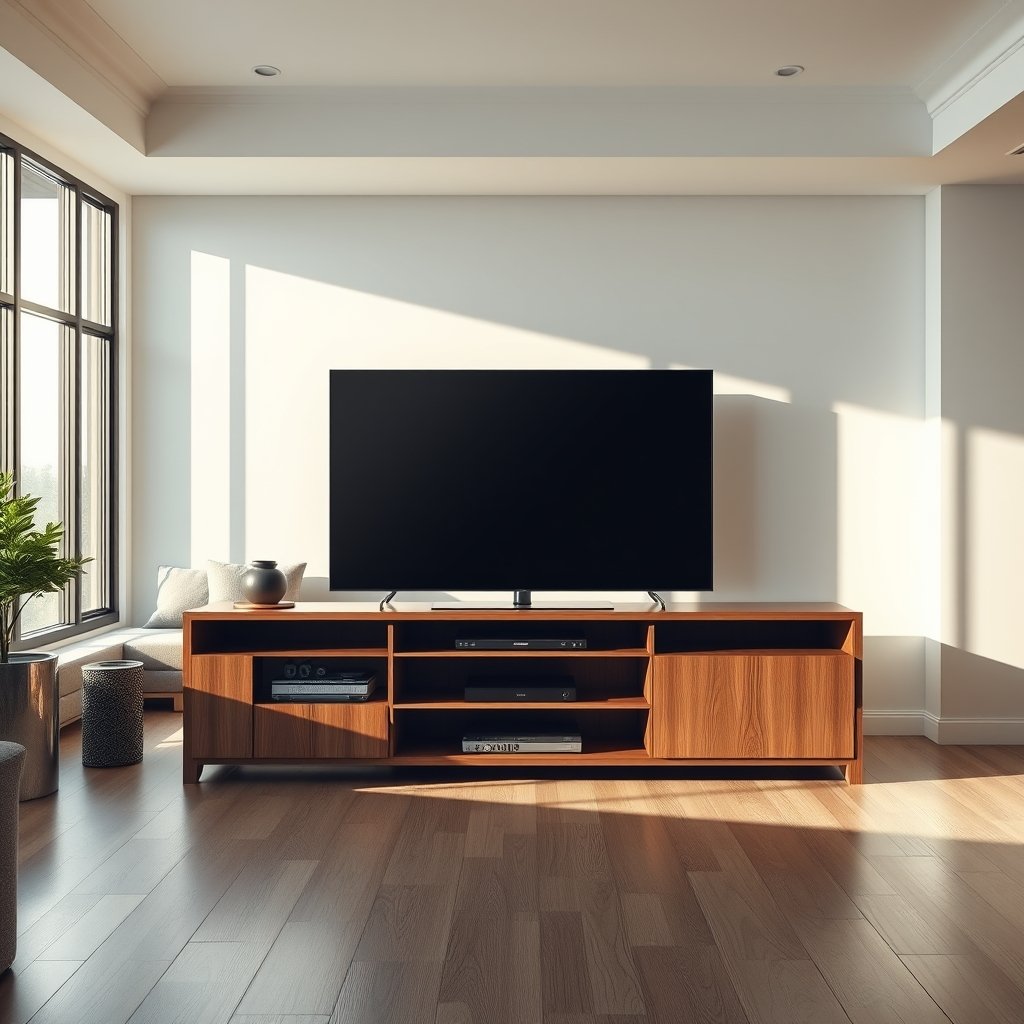
YYYY Market Trends for TV Stands and Entertainment Centers
The modern TV furniture landscape is evolving fast. With the average TV size rising above 55 inches, homeowners are investing more in stands that serve as an aesthetic focal point and practical storage. Recent data pegs the global TV stand market at approximately $14.8 billion with a forecast to reach $24.6 billion by 2034—an impressive 5.8% annual growth. Entertainment centers now represent over 32% of all TV furniture sold (industry report), fueled by streaming, gaming, and smart-home expansion. There’s also a clear shift toward online purchasing: eCommerce platforms like Amazon and partnerships with stores like Walmart now drive leading brands’ sales, including Walker Edison and BDI. If you’re comparing options, consider how these rising trends shape both price and availability.
Modern TV Stand Designs: What’s Trending Now?
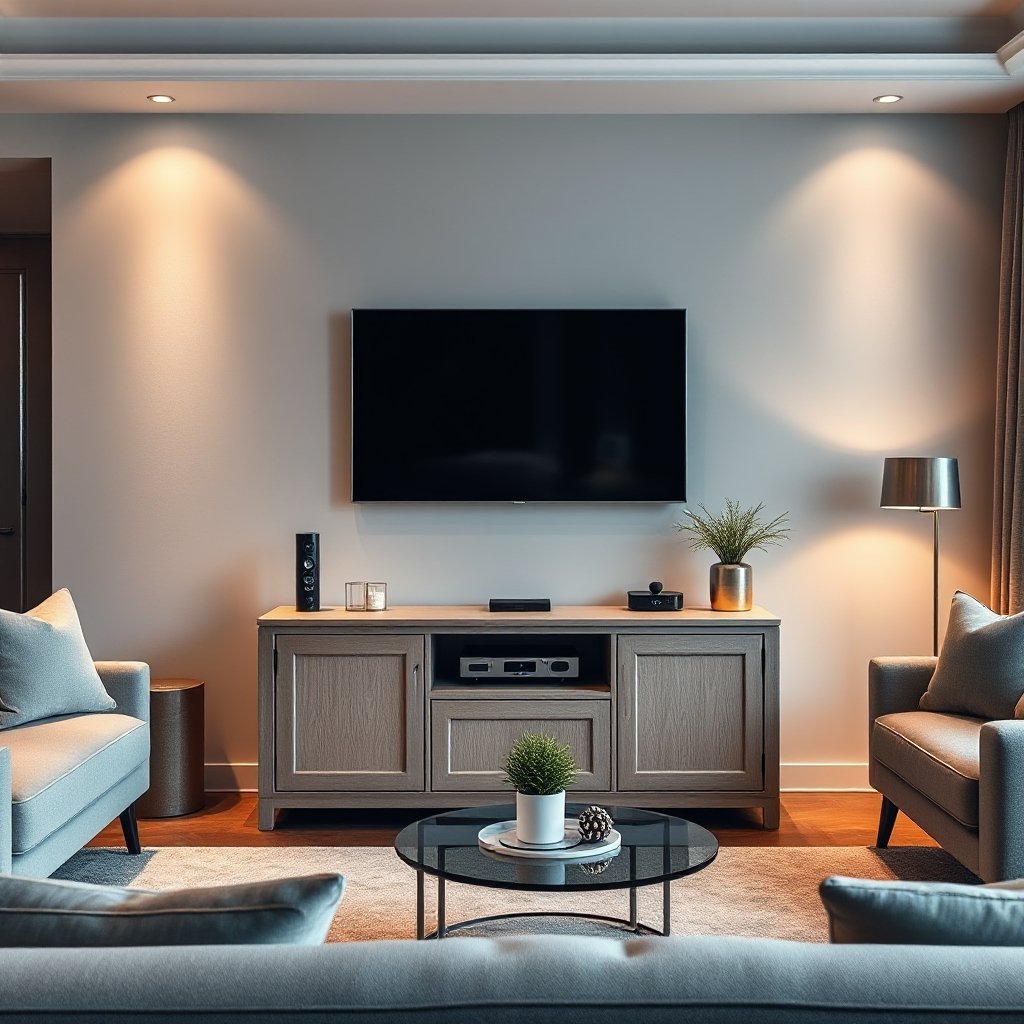
Modern TV stands increasingly utilize mixed materials such as powder-coated steel, smoked glass, and sustainable engineered woods. Wall-mounted and floating units are especially hot—this segment is expanding at 7.9% CAGR according to recent reports (source). Neutral tones like white, walnut, black, and warm oak remain the dominant finishes. Brands such as BDI and Walker Edison headline the movement, pairing smart cable management with highly adjustable storage cubbies and shelving. For renters, modular and open-frame TV furniture makes it easy to change layouts or take your setup with you. Before settling on a trend, consider how your space needs could change in the next 2–3 years.
Most Common Complaints with Popular TV Furniture
Despite the improvements, modern entertainment centers present recurring buyer headaches that are still too easily overlooked in guide articles:
- Difficult or incomplete bag-of-parts assembly, often with vague instructions
- Poor cable management or none at all, leaving electronics exposed and cluttered
- Insufficient stability—wobble or bowing under larger 55-inch or heavier TVs
- Limited or inflexible storage/modular cubbies
- Low-quality finishes that chip, scratch, or stain quickly
- Lack of adjustable shelving or ergonomic height customization
Reviewers on major retail sites and social platforms echo these issues, particularly at the sub-$400 price point. Assembly quality remains inconsistent, especially for imported models. If you’re buying online, look for clear third-party assembly reviews and owner-posted images, not just product glamour shots. If you plan to upgrade your gaming system or soundbar soon, verify the stand will adapt or support extra weight and wiring upgrades.
How to Choose the Right TV Stand for Your Space and Needs
Follow these proven steps to select the right modern TV stand for both your room and lifestyle.
- Room mapping first: Outline your available space, including window and outlet placements. If you’re considering a wall mount, check for hidden studs and plan for bracket hardware before buying.
- TV size and weight: Select stands specifically rated for your TV’s weight and base width. It’s safer to overshoot than risk instability—especially with kids or pets.
- Storage requirements: Inventory your media components—soundbars, consoles, streaming boxes, even board games—to ensure there’s enough closed and open storage. Choose modular or adjustable shelving for maximum flexibility.
- Material durability: For heavy TVs, opt for solid wood or strong steel frames. Particleboard models are more likely to sag over time.
- Cable management: Look for routed channels or built-in cable covers. Open-shelf designs can result in “cable spaghetti” unless you implement accessory add-ons.
- Ergonomics: Aim for a stand height where a third of your TV’s screen is at seated eye level—ideally 42–48 inches from the floor in most living rooms.
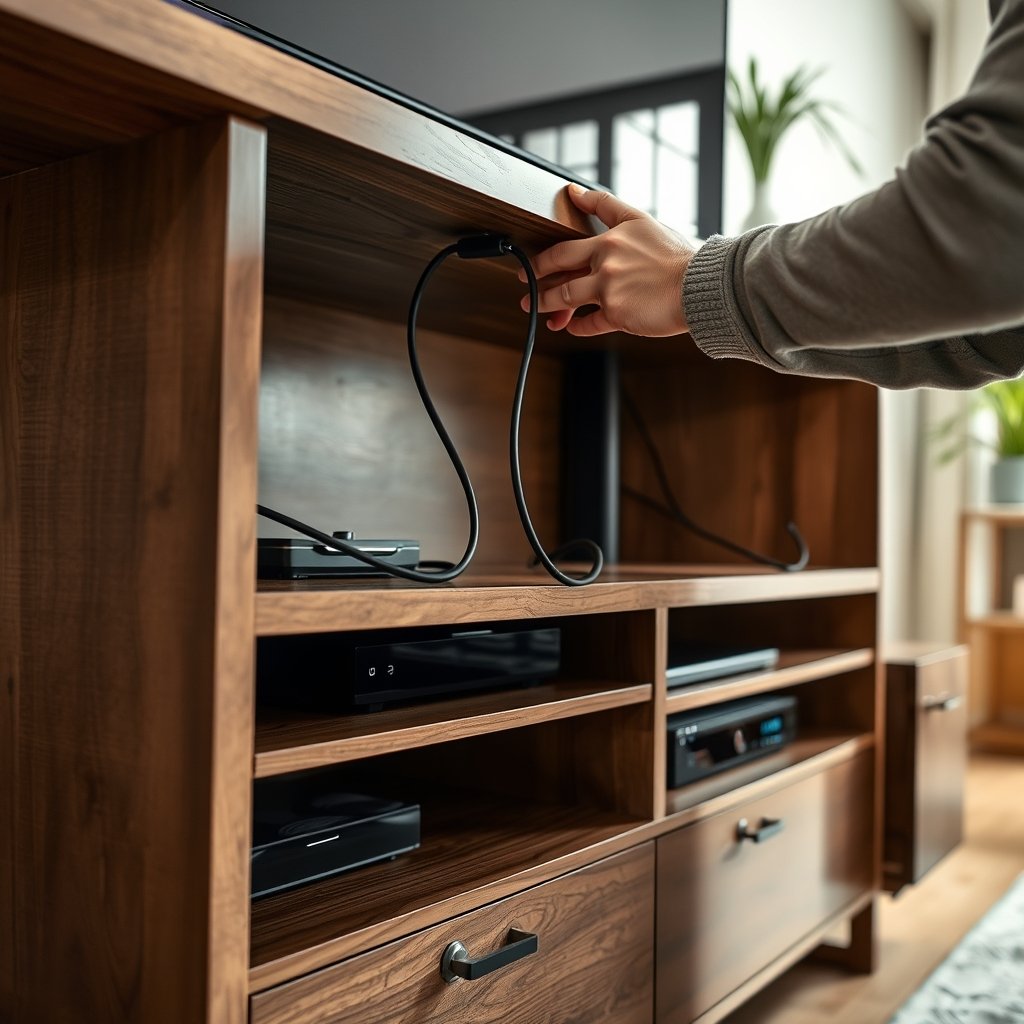
Even leading “best TV stand” lists overlook the importance of long-term cable concealment and the need for true adjustability. Also, don’t be afraid to mix-and-match modular pieces if a single entertainment center feels limiting. For more smart storage concepts, see our guide on hidden kitchen storage—many ideas can work for multipurpose living spaces.
Comparison Table: Best TV Stand Options by Budget & Feature
Unlike most competitor write-ups, here is a real feature-by-feature comparison for top-rated modern TV stands—aligned by leading needs of today’s homeowners:
| Model / Brand | Price Range | Storage Type | Cable Management | Adjustability | Design Finish | Support for 55”+ TVs |
|---|---|---|---|---|---|---|
| Walker Edison Modern Farmhouse | $200 – $300 | Open & Cabinet | Routed Holes, Back Channel | Adjustable Shelves | White Oak, Grey Wash | Yes |
| BDI Corridor SV | $1900 – $2700 | Vented, Modular Storage | Integrated System | Highly Adjustable | Walnut, Charcoal, White Oak | Yes |
| IKEA BESTÅ Wall-mounted | $130 – $399 | Closed & Modular | Hidden Cord Channels | Modular Config | White, Black, Custom | Yes (Wall Secure) |
| South Shore Agora | $250 – $350 | Closed Cabinets | Standard Cutouts | Minimal | Rustic Oak, Pure White | Yes |
| Furinno JAYA Simple | $40 – $75 | Open Shelves | Basic Holes Only | None | Black, Espresso | Up to 55” |
Pro tip: Use this data, not just Amazon star ratings, to match your priorities and budget. For small spaces, also check our guide to compact furniture.
Sustainability and Build Quality: What’s Changing in YYYY?
Eco-friendly practices are now entering the mainstream of TV furniture design. Brands like IKEA are spotlighting recycled materials and offering resale on preowned TV stands (see report). Look for brands that disclose recycled content or carbon impact. Also, more stands are being designed for tool-free disassembly, which means you can move or repurpose them instead of sending them to landfill. In the long run, investing in a higher-quality TV stand with solid materials is more sustainable than buying a cheap model every few years—saving money and reducing waste. If you’re focusing your entire space on sustainability, explore our guides to eco-friendly living and low-impact interior finishes.
Final Tips for a Long-Lasting, Stylish Entertainment Center
Modern entertainment centers and the best TV stand models share key long-term success features: modularity for evolving equipment, robust adjustable shelving, and real cable management, all paired with a neutral modern look. Buyers consistently cite long-term durability and integrated, flexible storage as their favorite features in top-rated models.
Before you order, double-check assembly support and consider your next 3–5 years of tech upgrades and room layouts. More ideas and pitfalls to avoid are detailed in our guide to home improvement mistakes and our list of best home improvement upgrades for the living room.
Frequently Asked Questions
What size TV stand do I need for a 65-inch TV?
For a 65-inch TV, choose a stand at least 57–60 inches wide and deep enough for your TV’s base. Always verify the stand is rated for your model’s weight.
How important is cable management in a TV stand?
Cable management is crucial for safety, aesthetics, and access to power. Look for stands with routed cable channels, back panels, or covers—especially with wall-mounted units.
Should I choose a floating or floor TV stand?
Floating or wall-mounted stands maximize floor space and create a modern look but require careful installation and wall reinforcement. Floor stands are easier to assemble and move but take up more footprint.
Are expensive TV stands more durable?
Higher-end TV stands use stronger materials and quality finishes, typically lasting longer without sagging or chipping. Budget models can still work well if you’re careful with weight and choose reinforced construction. For small spaces, modular options are ideal—see our compact furniture guide.
How can I make an affordable TV stand look high-end?
Add stick-on LED strips, swap standard knobs for designer pulls, and consider applying contact paper in trendy finishes like walnut or marble. Strong cable management and open shelving upgrades also help.