

### Blog Post:
Home Improvement Mistakes continue to haunt homeowners in 2026, costing far more than most expect and threatening to derail even the best-planned remodeling or DIY projects.
Key Takeaways
- Hiring unlicensed or unverified contractors is the top regret, often leading to legal and financial nightmares.
- Failing to budget for hidden costs and not setting aside a contingency almost guarantees expensive overruns.
- Poor planning—like skipping permits, ignoring resale value, or missing functional details—can result in costly do-overs.
- The High Cost of Home Improvement Mistakes in 2026
- Step-by-Step Guide: Prevent Costly Home Improvement Mistakes
- Advanced Analysis & Common Pitfalls
- Conclusion—Your 2026 Roadmap to Smarter Renovation
- FAQ: Home Improvement Mistakes
The High Cost of Home Improvement Mistakes in 2026
Today’s home improvement landscape is riskier than ever for homeowners. Costs for labor and materials remain high, supply chain issues persist, and more DIYers are taking on complex projects without expert backup. According to the Leading Indicator of Remodeling Activity (LIRA), homeowners spent $463 billion on renovations in Q1 2026. But even with all this investment, 92% still had outstanding repairs, and 86% delayed projects due to financial strain.
[Source]
[More Data]

For homeowners planning major renovations, avoiding the most common home improvement mistakes is essential. Missteps can cost thousands, tank a home’s value, or even cause legal headaches. The stakes are high—especially if you cut corners or rush the planning phase.
If you’re looking for smart home upgrades, see our guides on valuable home improvement ideas and energy efficient improvements to get more from your remodel.
Step-by-Step Guide: Prevent Costly Home Improvement Mistakes
Most expensive renovation mistakes fall into three buckets: skipping professional help, failing to budget for hidden costs, and neglecting detailed planning. Here’s a realistic guide for tackling each phase like a pro:
1. Vet and Hire Licensed, Insured Contractors
Never work with unlicensed or uninsured contractors. Even if they come recommended, always verify their state license, insurance, and references. Use your state’s contractor licensing board, ask for proof of insurance, and check past project galleries. Skipping this step is the top regret for both big and small projects across the country. For specialty work like electrical or plumbing, always hire a specialist—many projects require permits or inspections for code compliance.
2. Build a Granular, Line-Item Budget (With Contingency)
Start with a room-by-room or project-specific line-item budget. List every material, tool, fixture, labor fee, and permit. Research recent prices—plan for 2024 price volatility. Always allocate 20-30% extra for surprises (hidden rot, out-of-stock finishes, permit fees, unknown wiring or plumbing). This “cushion” distinguishes successful remodels from budget blowouts.
[See Survey Data]
3. Map Out Permits, Functions, Storage, and Resale
Before any demolition or material purchase, outline the project’s precise goals:
- Which permits are required by your city or HOA?
- How will the flow, scale and function improve after renovation?
- Will you maximize storage, or are you risking open floor plan overload?
- Does your design align with future resale value?
Neglecting any of these steps results in costly do-overs and major regret. For more on kitchen storage solutions, explore these appliance garage ideas and trending pocket cabinet ideas.
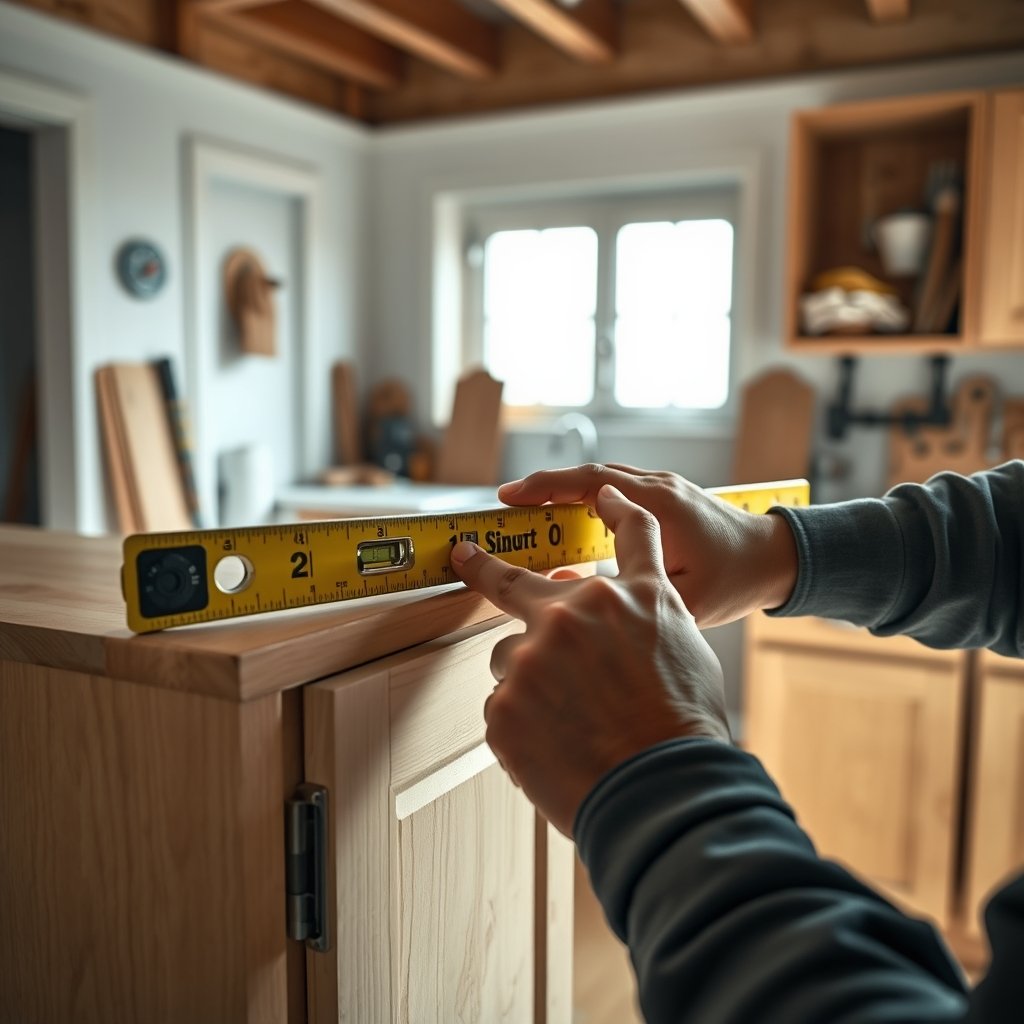
4. Avoid DIY Disasters—Know When to Call in Pros
Save DIY for painting, basic flooring, or cosmetic upgrades. Electrical, plumbing, and structural changes should always be inspected or managed by qualified licensed professionals. Homeowner forums and Reddit posts are littered with regrets over uneven tilework, mismatched paint sheens, and catastrophic plumbing errors.
See pro-approved painting techniques and flooring installation advice here.
5. Don’t Ignore Storage and Daily Function
Many renovations focus on aesthetics and ignore livability. Homeowners most often regret projects that sacrifice storage or leave family routines disrupted. If your kitchen lacks enough pantry space, look at butler’s pantry ideas for inspiration.
Advanced Analysis & Common Pitfalls
Let’s dig deeper into the specific home improvement mistakes homeowners regret most in 2024, with real stats and scenerios.
| Mistake | Outcome | Avoidance Tactic |
|---|---|---|
| Hiring unlicensed/unchecked contractors | Shoddy work, failed inspections, liability for accidents | Always verify license and insurance, check past work, demand a contract |
| Not budgeting for hidden costs | Project stalls, ballooning costs, incomplete renovations | Add 20-30% contingency, research permit/material fees |
| Skipping required permits | Fines, forced tear-outs, issues when selling | Ask town/city for permit list before starting |
| DIY electrical/plumbing mishaps | Safety hazards, failed inspections, leaks or fire risks | Hire licensed pros for all major systems |
| Ignoring storage and layout functions | Annoying daily routines, less usable space, buyer turnoffs | Map out storage and flow before work begins |
| Sacrificing resale value for personal taste | Lower appraisals, less market interest | Consult pros, avoid niche extravagances |
These errors keep appearing year after year in homeowner surveys and forums. For more statistics and real regrets, visit the Bluefield Group’s research on design mistakes and check out real confessions on Reddit.

Conclusion—Your 2026 Roadmap to Smarter Renovation
The costliest Home Improvement Mistakes in 2026 all come down to skipping steps or rushing major decisions. By creating a thorough, line-item budget with contingency, vetting every contractor, and planning deeply for permits, storage, and resale, you avoid the headaches that derail most renovations. Research-driven strategies protect your investment and create a home you’ll be proud of for years.
Ready to start your next remodel with confidence? For more renovation advice, explore our renovation planning checklist or upskill with this guide to DIY improvements that add real value.
Avoid at least one common home improvement mistake, and you could save thousands while protecting your home’s value. Don’t risk it—take action now!
FAQ: Home Improvement Mistakes
What is the most expensive home improvement mistake homeowners make?
Hiring unlicensed or unverified contractors is often the most expensive misstep. It can lead to shoddy work, failed inspections, lawsuits, and repair costs that quickly exceed any initial savings.
How much should I add as a contingency in my renovation budget?
Experts and recent surveys agree that a 20-30% contingency fund is standard to cover “hidden” or surprise costs in any remodeling project.
What types of projects should always be handled by professionals?
Anything involving electrical, plumbing, or structural changes needs a licensed professional. Risks include code violations, serious safety issues, and failed municipal inspections.
Can ignoring permits affect my ability to sell my home?
Yes. Work done without proper permits can delay or derail a sale. You may be forced to remove or redo unpermitted renovations at your expense and risk lower offers from buyers.
What interior design mistakes do homeowners most regret?
Lack of storage, poor layout planning, going overboard with open floor plans, and ignoring scale and proportion are frequently cited regrets. See more at Bluefield Group’s 2026 report.
—