
### Blog Post:
Best Raised Garden Beds are the backbone of thriving backyard vegetable gardens, but the ideal solution depends on more than just curb appeal. Real-world gardeners weigh tradeoffs like rot, warping, or high costs against long-term performance and innovative features. If you want high harvests with less hassle—and a modern touch—this deep dive reveals what the top lists skip.
Key Takeaways
- Material choice directly affects longevity, price, and maintenance in raised garden beds—especially for first-time buyers.
- Innovative features like modular layouts, breathable panels, and integrated watering are rarely reviewed but can transform your gardening experience.
- The best raised garden bed for your backyard is one that matches your climate, style, and commitment to maintenance.
- Why Raised Garden Beds Are Essential for Modern Backyard Gardening
- Common Durability and Maintenance Complaints with Popular Materials
- Material Showdown: Cost vs. Lifespan for Wood, Metal & Composite Beds (YYYY)
- What Reviews Miss: Innovative Raised Garden Bed Ideas and Custom Solutions
- How to Choose the Best Raised Garden Beds for Your Needs
- Real-World Examples & Creative DIY Raised Garden Bed Ideas
- Frequently Asked Questions
Why Raised Garden Beds Are Essential for Modern Backyard Gardening
Backyard gardening has surged among homeowners seeking fresher produce and more self-reliant living. Vegetable garden beds, especially raised designs, play a critical role in this movement. Why? They deliver higher yields, enable precision soil control, and streamline day-to-day maintenance.
Pest control is also easier with raised beds. Narrow beds make it possible to add simple frames for frost or pest netting, protecting crops without complicated setups. The contained planting areas also allow for denser crops, which suppresses weeds and supports efficient watering.
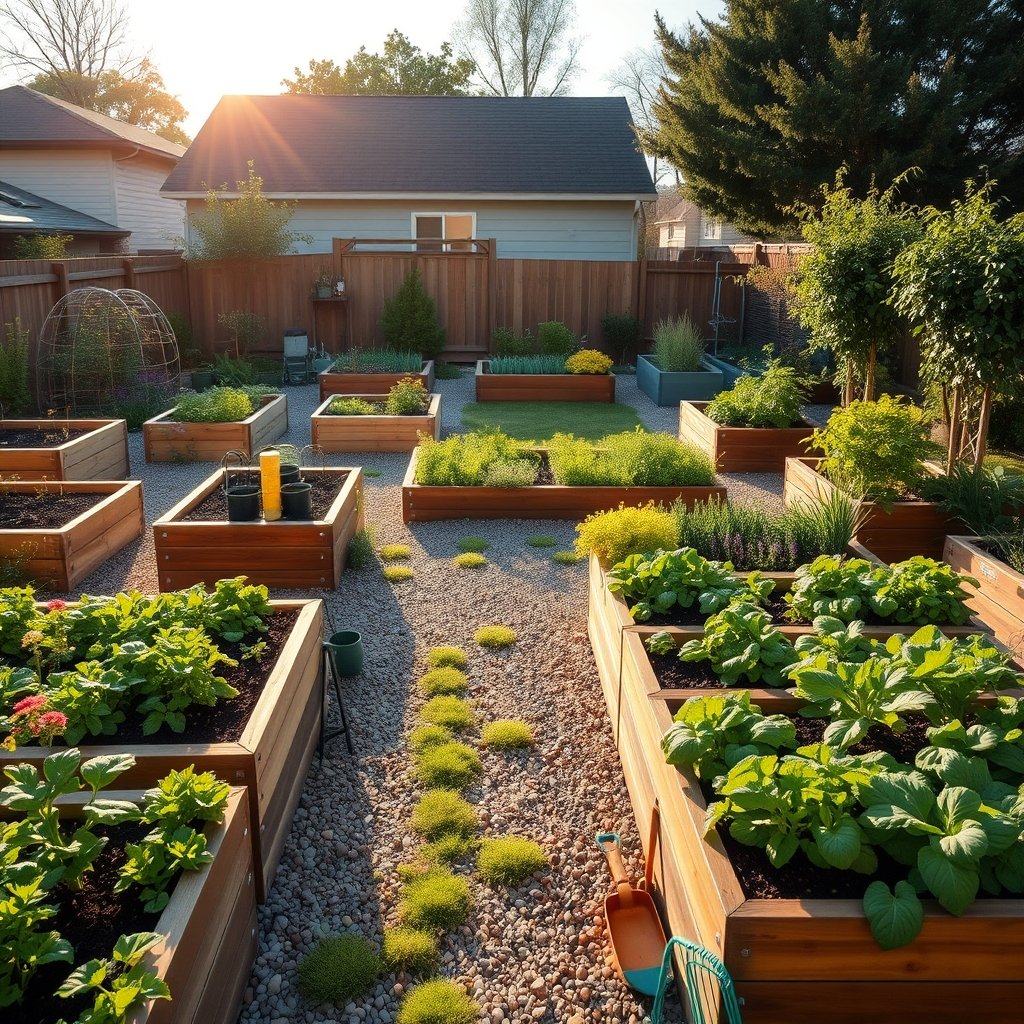
For homeowners in urban or suburban settings, raised garden beds solve common soil quality problems and help you make the most of limited space. Investing in raised beds is a proven step toward a productive and resilient home garden.
Common Durability and Maintenance Complaints with Popular Materials
Many articles gloss over long-term frustrations real gardeners experience. Even the top-rated cedar vegetable garden beds eventually rot, warp, or splinter. Untreated pine beds sometimes fail within 6 to 8 years, and cedar—while better—rarely lasts more than 20 years without regular sealing or paint attention.
Metal beds (like galvanized steel) often impress for their longevity but introduce new headaches. In full sun, metal can overheat, potentially drying soil too quickly and stressing your plants. These kits also carry a higher upfront price, sometimes exceeding $300 for a single 4×8 bed, and their industrial aesthetic doesn’t suit every landscape or taste.
Composite options or fabric beds resolve some complaints, but each has tradeoffs worth noting. Fabric beds tend to sag and degrade rapidly. Some composite kits, such as GreenBed, last 20–25 years and are nearly maintenance-free, but their cost can reach $2,470 for premium designs. If low maintenance is a priority, be prepared for a higher initial outlay.
Material Showdown: Cost vs. Lifespan for Wood, Metal & Composite Beds (YYYY)
The choice of materials for your backyard vegetable garden beds can define both your annual workload and your decade-long investment. Here’s how the most popular options stack up—real numbers, real tradeoffs.
| Material | Average Cost (per linear foot or per kit) | Expected Lifespan | Maintenance Needs | Notable Issues |
|---|---|---|---|---|
| Cedar Wood | $3–5 per linear foot | 15–20 years | Annual sealing/stain for max lifespan | Eventual rot, splits, may warp in wet/dry cycles |
| Galvanized Steel | $0.50–1 per linear foot $200–300 per 4×8 kit |
20+ years | Usually none | Can overheat soil in full sun, aesthetic not for all |
| Composite (e.g. GreenBed) | $120–250 per linear foot $495–2,470 per 4×8 kit |
20–25 years | Minimal | Highest initial cost, limited color/style options |
| Untreated Pine | Lowest initial cost | 6–8 years (often less) | May need sealing, high replacement frequency | Rapid decay, sustainability issues |
| Fabric Beds | Under $100 per bed | 2–5 years or less outdoors | Replace fabric after weathering | Collapse, lack of support, quick degradation |
For a deep price-longevity analysis, check out this comprehensive comparison guide.
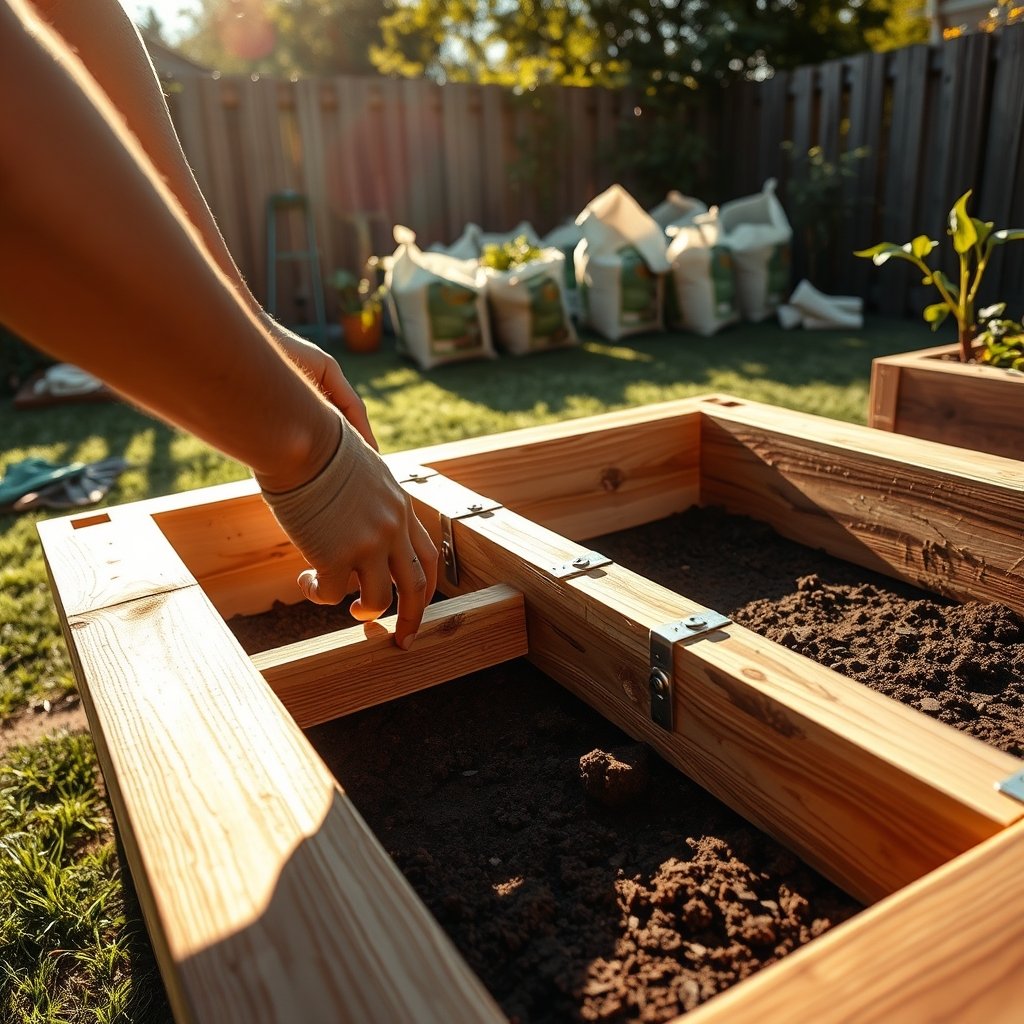
If you want a low-maintenance modern bed with the look of wood and the strength of metal, hybrid kits (galvanized sides with cedar or composite frames) are emerging as a sweet spot.
What Reviews Miss: Innovative Raised Garden Bed Ideas and Custom Solutions
So many “best” lists miss out on creative and practical innovations shaping backyard gardening in YYYY. If you’re tired of basic boxes, consider these upgrades:
- Modular and Custom Shapes: L-shaped, U-shaped, stepped, or even tiered beds increase harvest in awkward corners and make maintenance easier. Brands like Vego and Birdies offer modular metal kits, while products like Durable GreenBed have notable customizable configurations.
- Hybrid Materials: Galvanized panels with wooden or composite frames blend warmth with toughness.
- Integrated Irrigation: Some kits feature built-in drip irrigation channels for water efficiency and plant health. Adding simple soaker hoses or connecting to smart watering systems (learn more about the best garden hoses here) can cut labor dramatically.
- Breathable Sidewalls: Kits like GreenBed use panels that support airflow—reducing soil compaction and root disease risks.
- Sustainable/Eco Materials: Recycled plastics and composites now closely mimic real wood but are inert, non-toxic, and ultra-durable.
It’s worth noting that building a raised garden bed doesn’t have to cost a lot. Creative use of recycled lumber or metal, stone edging, or even brick can make custom solutions accessible to nearly any budget.
How to Choose the Best Raised Garden Beds for Your Needs
What’s “best” changes based on your climate, gardening style, and the time you want to spend on maintenance. Here’s a step-by-step guide to an informed buy:
- Define Your Priorities: List “must-have” features: longevity, aesthetic, eco-friendliness, cost, or low maintenance.
- Assess Material Fit:
- If you want classic looks: Cedar remains popular, but expect to recoat/seal annually for longest life. Modern composites—while pricier—can offer a similar finished look with zero maintenance (see GreenBed kits).
- If you prefer industrial/modern: Galvanized steel is long-lived and can bring a contemporary edge to backyard gardening.
- For budget builds: Untreated pine or upcycled materials keep costs low but plan for rebuilding in a few years.
- Think About Size & Shape: L-shaped, U-shaped, and split-level layouts expand planting options—especially for small or odd-shaped spaces. Modular beds let you grow or rearrange as your needs change.
- Check for Advanced Features: Want even less work? Look for kits with pre-fitted irrigation, breathable panels, or rodent screens built in.
- Compare Costs Over Time:
- Cedar: $3–5 per linear foot for 15–20 years
- Galvanized steel: $200–300 for a full kit, 20+ years with little upkeep
- Composite GreenBed: $495–2,470 per 4×8 kit, virtually maintenance-free for 20–25 years, nontoxic
The upfront hit for composite kits can pay off with fewer replacements and almost no care over decades.
- Order Smart or Build at Home: Bulk buy kits for discounts or source reclaimed materials for a custom project. If you’re handy, explore DIY guides and local resources (DIY home improvement tips).
With these steps, you can match your garden to the best home upgrades for both productivity and property value.
Real-World Examples & Creative DIY Raised Garden Bed Ideas
Gardeners on a budget or seeking a unique landscape touch have more options than ever. Here are some proven Raised Garden Bed Ideas that push style and functionality in backyard gardening:
- Hybrid Metal-Wood DIY Build: Combine corrugated steel panels with wood corner posts for strength and warmth. This approach minimizes rot (as soil isn’t in direct contact with the wood) and cuts replacement costs. Internal braces or cable ties add rigidity.
- Stepped/Tiered Beds: Use old bricks, stones, or cinder blocks to create multi-level beds—ideal for sloped yards and maximizing sun in tight spaces.
- Salvaged Material Beds: Repurpose untreated hardwoods, recycled composite decking, or even stone for eco builds. See more creative solutions here.
- High-Rise or Vertical Beds: For patio or balcony gardening, lightweight elevated beds or vertical garden walls save floor space and can be built using pallets or modular panels.
- Permanent Stone Beds: Stones or brick retainers are expensive up front but outlast nearly every other option with minimal maintenance required.
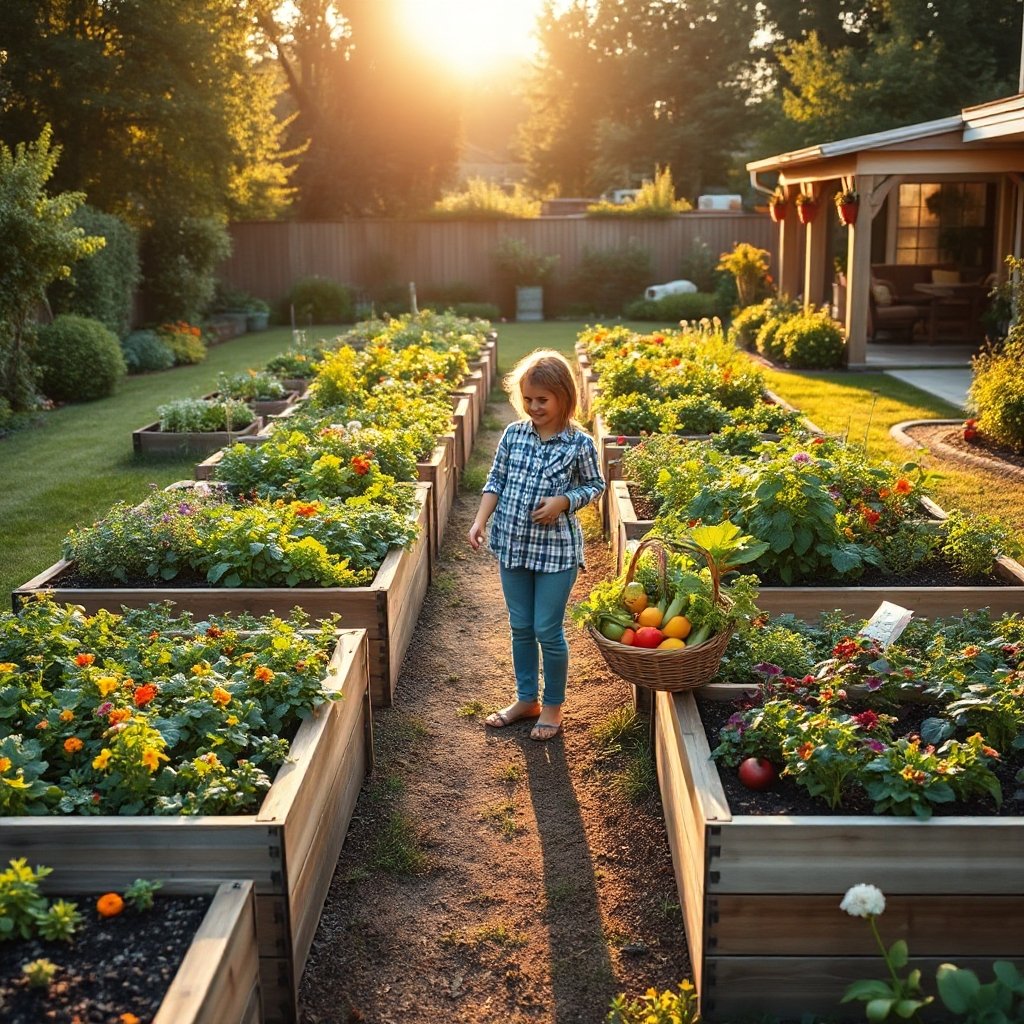
Don’t underestimate DIY: with the right plan, even a beginner can build garden beds that outperform many commercial kits in both durability and looks. For step-by-step project inspiration, check out these proven DIY projects or explore outdoor living upgrades for outdoor space synergy. Need clever watering? Here’s a guide to top garden hoses to pair with your raised beds.
Frequently Asked Questions
What is the most durable material for raised garden beds?
Composite beds, especially from brands like GreenBed, are the most durable—lasting 20–25 years with nearly no maintenance. Galvanized steel options also perform well, with a typical lifespan of 20+ years.
Do metal raised garden beds overheat plants?
Metal beds can heat up rapidly in direct sun, which may dry out soil and stress roots, especially in hot climates. Locating them in partial shade or mulching heavily helps minimize temperature spikes.
How often do wooden vegetable garden beds need maintenance?
Cedar beds should be sealed or stained annually for maximum life. Untreated pine will require even more frequent attention due to fast rot and decay. Plan on checking for warping or splintering each season.
Are DIY raised garden bed ideas worth the savings?
Absolutely. DIY builds let you customize size, shape, and materials. Salvaged lumber, stone, or hybrid metal-wood beds often outperform budget retail kits and let you control costs more directly.
Can I add modern features (like irrigation) to a basic kit?
Yes. Most basic raised garden bed kits are compatible with simple irrigation upgrades, such as drip lines or built-in soaker hoses. Some high-end composite kits include these features standard.
Conclusion
Making the right investment in the Best Raised Garden Beds pays off with higher yields, less maintenance, and a more enjoyable experience year after year. Don’t settle for the first kit you see—use this guide to compare real-life tradeoffs, modern innovations, and creative Raised Garden Bed Ideas. Ready to upgrade your backyard gardening for good? Start now—your harvest (and your future self) will thank you!
—