

DIY Home Improvement Projects are seeing a major shift this year, with more homeowners tackling upgrades on their own to save money, boost value, and have greater control. But data shows there are as many regrets as rewards. If you want improvements that truly deliver on ROI, satisfaction, and long-term function, you need to plan smarter—and avoid the pitfalls that most guides gloss over.
Key Takeaways
- DIY home improvement projects deliver strong satisfaction and ROI, but only with realistic planning and awareness of common pitfalls.
- Most popular, value-boosting DIY upgrades are achievable on weekends—think paint, tile, curb appeal, and fixture swaps.
- Omitting budgeting, timeline tracking, and code compliance is the #1 reason DIY projects go off the rails or cause lingering regret.
- DIY Home Improvement Projects in 2026: Trends, Benefits & Pitfalls
- What Projects Deliver the Best ROI?
- Where DIY Projects Go Wrong: Top Regrets and Mistakes
- 3 Essentials Every DIY Guide Is Missing (But You Need to Know)
- Takeaway Checklist: A Smarter Approach to Your Next DIY Home Upgrade
DIY Home Improvement Projects in 2026: Trends, Benefits & Pitfalls
The DIY home improvement landscape has never been more dynamic. Homeowners aged 28 to 55—especially Millennials and Gen X—are increasingly choosing to execute upgrades themselves. Why? Over half cite cost savings, and a full 71% report feeling satisfied with their completed home projects this year [source].
Yet the movement goes deeper than money. It’s about flexible timelines, hands-on control, and customizing results to actual lifestyle needs. Weekend warriors are driving the boom in easy to intermediate complexity projects: interior painting, fixture swaps, affordable outdoor improvements, smart tech installs, and organizational upgrades.
Hybrid approaches are growing, too—many are blending DIY with targeted pro help for tougher jobs like electrical or structural work. The catch? While satisfaction rates remain high, regret and project overruns are stubbornly persistent.

What Projects Deliver the Best ROI?
If you want upgrades that truly add value—and that you can finish on a couple weekends—focus on proven DIY renovation ideas. Data shows the following deliver the highest ROI for typical homes this year:
- Interior painting: Fresh color remains the single best cost-to-impact ratio upgrade, with up to 70% of your spend returned in home value. Learn techniques in our Interior Painting Tips guide.
- Tile backsplashes, deep cleaning, and fixture upgrades: Swapping out lighting, outlets, faucets, or scrubbing floors can create buyer appeal and day-to-day value. These budget-friendly DIY upgrades are realistic even for beginners.
- Curb appeal projects: Installing a new garage door or modern exterior door may return an eye-popping 268% of investment this year [MarketWatch/Fixr data]. Landscaping, pressure washing, and painting front steps contribute big returns, too.
- Smart home devices: Adding smart thermostats, lighting, or cameras not only modernizes but also reduces monthly bills. See smart home device recommendations.
- Closet/garage organization: Practical space expansion (like garage shelves or closet systems) boosts daily usability and perceived home value. Discover more ideas in our Garage Storage Solutions guide.
On the flip side, major flooring projects, drywall repair, or room expiration often yield regret due to technical complexity or hidden expenses [source]. Stick to projects you can realistically finish with your current skill set. For more value-adding upgrades, see these home improvement ideas.
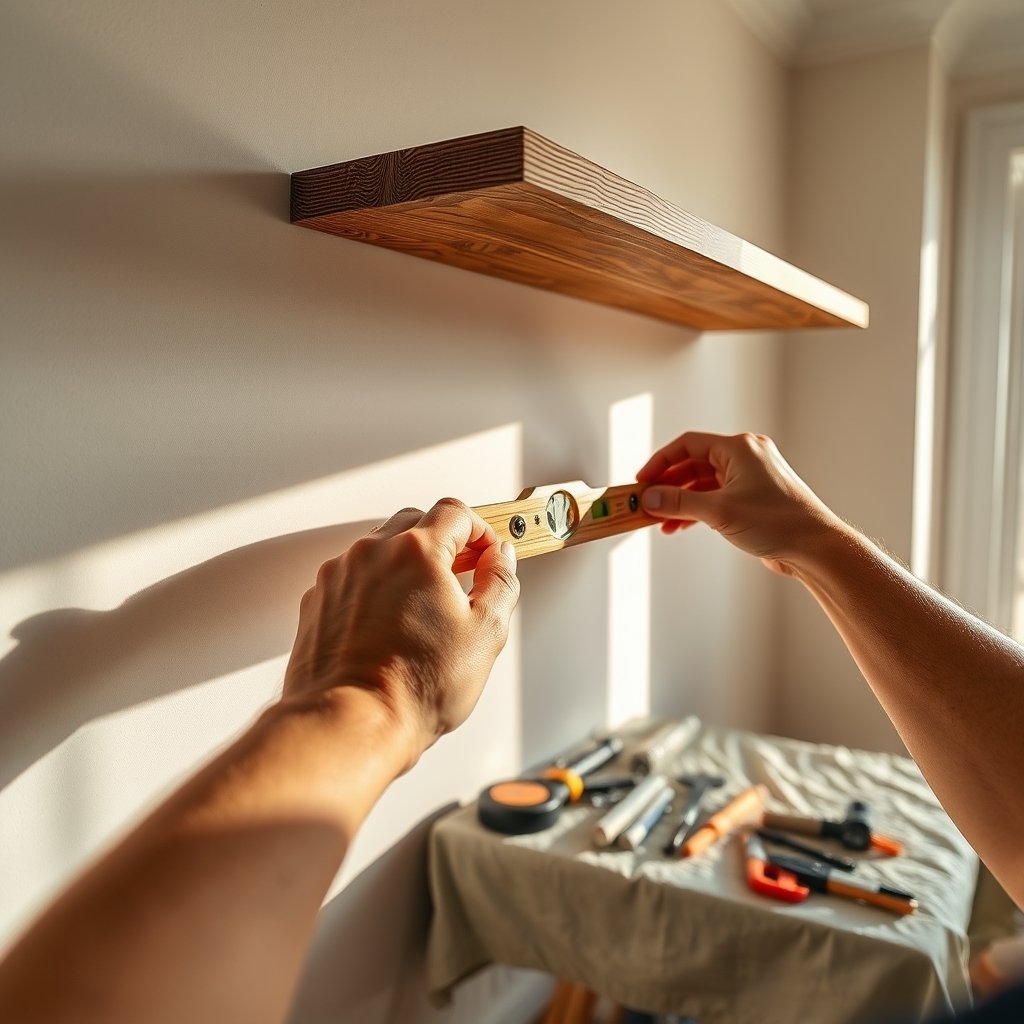
To get the best results, break big projects into single-room or single-surface tasks you can fully complete in 1-2 weekends. For example, painting one bedroom—including prep, finish, and clean up—before moving to the next avoids burnout and half-finished spaces.
Finally, always focus on upgrades buyers will notice (front curb, kitchens, bathrooms, smart features). Ignore projects that won’t improve daily use or future resale value. Discover the best home improvement projects by ROI for a fresh set of weekend ideas.
Where DIY Projects Go Wrong: Top Regrets and Mistakes
Enthusiasm is great, but the data is clear: 74% of homeowners say they regret at least one aspect of their DIY home improvement projects [Clever Real Estate].
The most common sources of regret?
- Blowing the budget: 24% spend more than they expected, often due to underestimating material needs or hidden prep steps.
- Project drag: 22% find projects take far longer than planned. Unfinished rooms—especially kitchens and bathrooms—are a top source of frustration.
- Technical mistakes: Botched floor installation, uneven drywall finishing, poor cabinet fit, and bad caulking are notorious. For advanced jobs, mistakes in electrical and plumbing can create expensive safety hazards [Pro Property Services].
- Code violations and missed permits: Many skip required steps, only to pay later during inspection or resale.
| DIYers (Homeowners) | Contractors |
|---|---|
| 42% exceeded the budget | 53% exceeded the budget |
| 32% had major delays | 46% had major delays |
| 74% reported regrets | (Not reported) |
The numbers show you can outperform the pros on cost and timelines—but only if you avoid classic planning and execution mistakes. For a practical list of mistakes (and how to avoid them), check out common home improvement mistakes.

3 Essentials Every DIY Guide Is Missing (But You Need to Know)
Generic DIY advice skips the real sources of regret. For the best DIY home improvement projects, you need three things every weekend warrior and first-timer should have—yet most guides leave out:
- Customizable budgeting spreadsheet: Tracking line items for every tool, finish, and supply can slash your risk of overruns. Download our home renovation checklist and budget tool, or create your own in Google Sheets with columns for “need,” “have,” “cost,” and “actual.”
- Post-project ROI calculator: The only way to know if your DIY upgrades paid off is to assess value after completion. Plug before/after photos and spend into a simple ROI calculator or get an online estimate. Consider referencing this value-improvement guide.
- Safety/code-compliance checklist: From GFCI outlets to smoke alarms, many upgrades come with local requirements. Missing these can cause inspection fails—or worse, safety risks. Use a checklist for each room or review essential maintenance tasks before starting.
Most online lists don’t flag these must-haves, yet they’re the backbone of successful, regret-free DIY—especially if you want your improvements to outlast this year’s trends.
Takeaway Checklist: A Smarter Approach to Your Next DIY Home Upgrade
Want to succeed with your next DIY upgrade or weekend project? Follow this battle-tested, data-driven approach:
- Start with a single, targeted goal: one room, surface, or feature at a time.
- Build a detailed budget—including 10-20% contingency for surprise costs.
- Use a project timeline (even a paper calendar works) and plan tasks for 1-2 weekend bursts—don’t spread tasks across multiple unfinished areas.
- Cross-reference all work with a safety/code checklist. Don’t skip permit research, even for “minor” upgrades.
- Track every supply and tool before you start so you’re not scrambling for missing parts in the middle of your project. For tools, see our best home improvement tools list.
- Take before/after photos and run your upgrade through a post-project ROI checker to see if your sweat equity paid off.
Remember: This year, only 32% of DIYers faced project delays, compared to 46% for contractors—so DIYers, when informed, can outperform the pros on both cost and timelines [source].
For a practical list of affordable, high-ROI projects, visit our affordable home upgrades roundup.
Frequently Asked Questions: DIY Home Improvement Projects
Which DIY home improvement projects give the highest return on investment?
Interior painting, curb appeal projects (like new garage or entry doors), modern lighting and fixtures, and smart home device installations are top-ranked for ROI this year. For full details and value estimates, see our ROI improvement ideas.
What DIY mistakes do homeowners regret most?
Common regrets include spending more than planned, project delays, and technical errors (like bad measurements, poor drywall finishing, or electrical mishaps). Skipping a budget and not double-checking code compliance are leading causes. More info on common pitfalls is outlined in our mistakes guide.
How can I keep my weekend project on schedule?
Break your project into small, quickly completable tasks and prep all materials in advance (including tool rentals or supplies). Use a simple timeline, and avoid starting multiple rooms at once. Find practical weekend ideas in our beginner project guide.
Do DIY home improvements really save money compared to hiring a contractor?
Yes, on average, homeowners who do-it-themselves exceed budget less often (42% vs. 53%) and experience fewer major delays. However, this assumes you plan carefully and avoid major technical errors. See the comparison data in the main article above.
What planning resources should every DIYer use before starting a project?
Essential resources include a customizable spreadsheet budget, an itemized project supply list, a code/safety checklist, and a basic ROI calculator. Downloadable tools and sample checklists are provided in our home renovation checklist.