

Best Sofa for Small Living Room should be top of mind for anyone trying to make every square foot count without sacrificing comfort or style. With floor plans shrinking in urban apartments and eco-conscious design going mainstream, making the right sofa choice is more crucial than ever—and, if you get it wrong, you might spend years stuck with a sagging, awkward piece you regret.
Key Takeaways
- The best sofa for small living rooms maximizes space, adapts to multiple uses, and keeps sustainability in focus.
- Major pitfalls: low seat heights, cushion sag, and cheap construction—know how to spot and avoid them.
- Smart buyers weigh daily comfort, multipurpose functionality, and long-term durability before clicking “buy.”
- 2024 Trends: What Defines the Best Sofa for a Small Living Room?
- Top Designs & Space-Saving Features to Consider
- Real Buyer Experiences: Common Complaints with Small Living Room Sofas
- Beyond Seating—How to Integrate Sofas in Multipurpose Small Spaces
- Durability and Eco-Responsibility: What’s Missing From Most Sofa Guides
- Quick Comparison: Top-Rated Small Living Room Sofas for YYYY
- Buying Checklist: What to Ask Before You Buy
- FAQ
2024 Trends: What Defines the Best Sofa for a Small Living Room?
What sets the best sofa for a small living room apart in YYYY? It comes down to three things: efficient size, flexible design, and sustainable materials. As living rooms shrink in new builds and rent rises in every major city, apartment dwellers and small-home owners now demand a sofa that’s less “statement piece,” more “smart workhorse.” According to the latest market data, compact sofas—especially those with a width under 80 inches, slim arms, built-in storage, and modular configurations—are more popular than ever. Durable, eco-friendly options are climbing fast too, with recycled polyester upholstery and FSC-certified frames gaining traction. Average sofa prices have increased about 18 percent since 2021, driven by the shift to convertible sofa-beds and modular sectionals that serve more than one purpose.
These statistics aren’t abstract: over 35 percent of all small-space furniture purchases were made online last year, showing just how hungry buyers are for solutions that fit modern life. But before you add anything to cart, you need to balance visual footprint, day-to-day function, and the long-term impact of your choice.
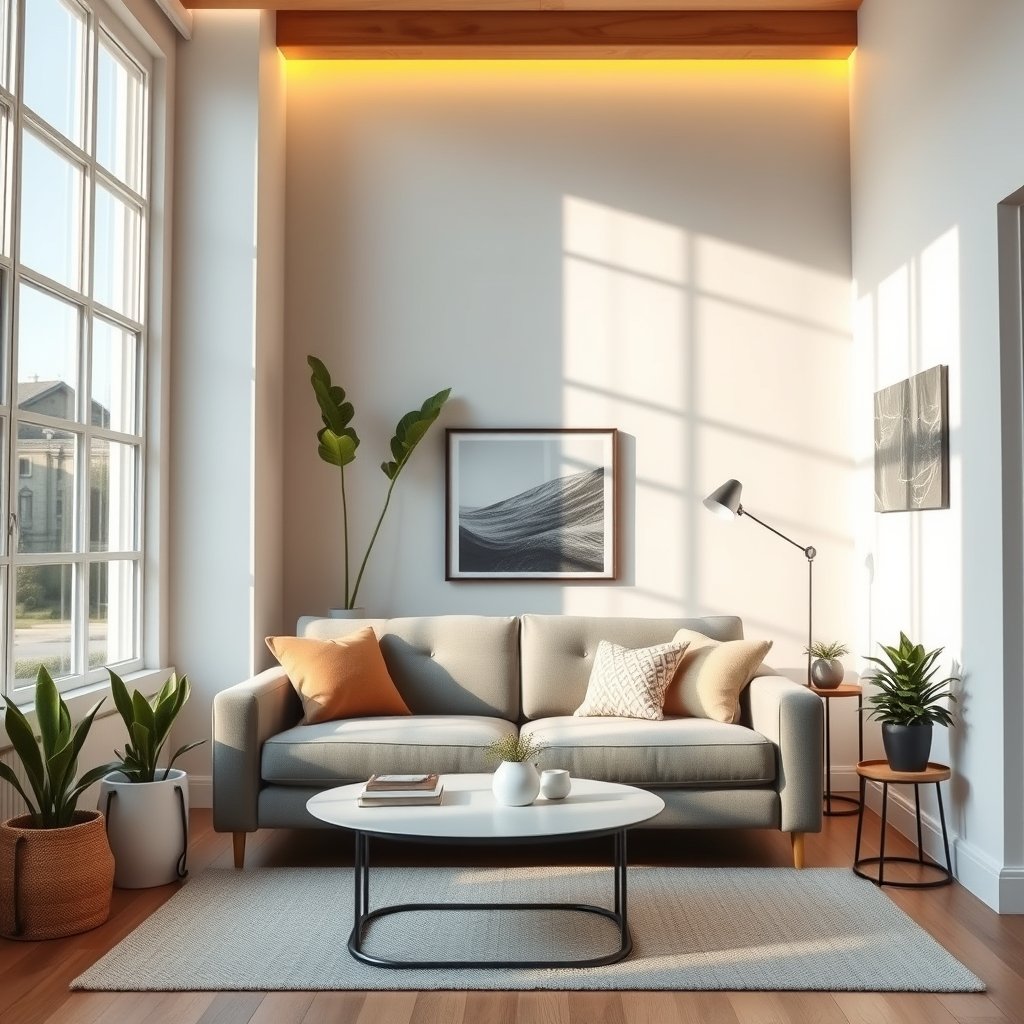
Top Designs & Space-Saving Features to Consider
Not all small sofas are created equal. If you pick just any two-seater, you might end up with something that either dominates your space or lacks real function. Here’s what actually works for small living rooms and urban apartments:
- Slim-Armed Sofas: Arms under 5 inches wide free up precious seating and floor space. Narrow or scooped arms give a full-size experience in a compact footprint.
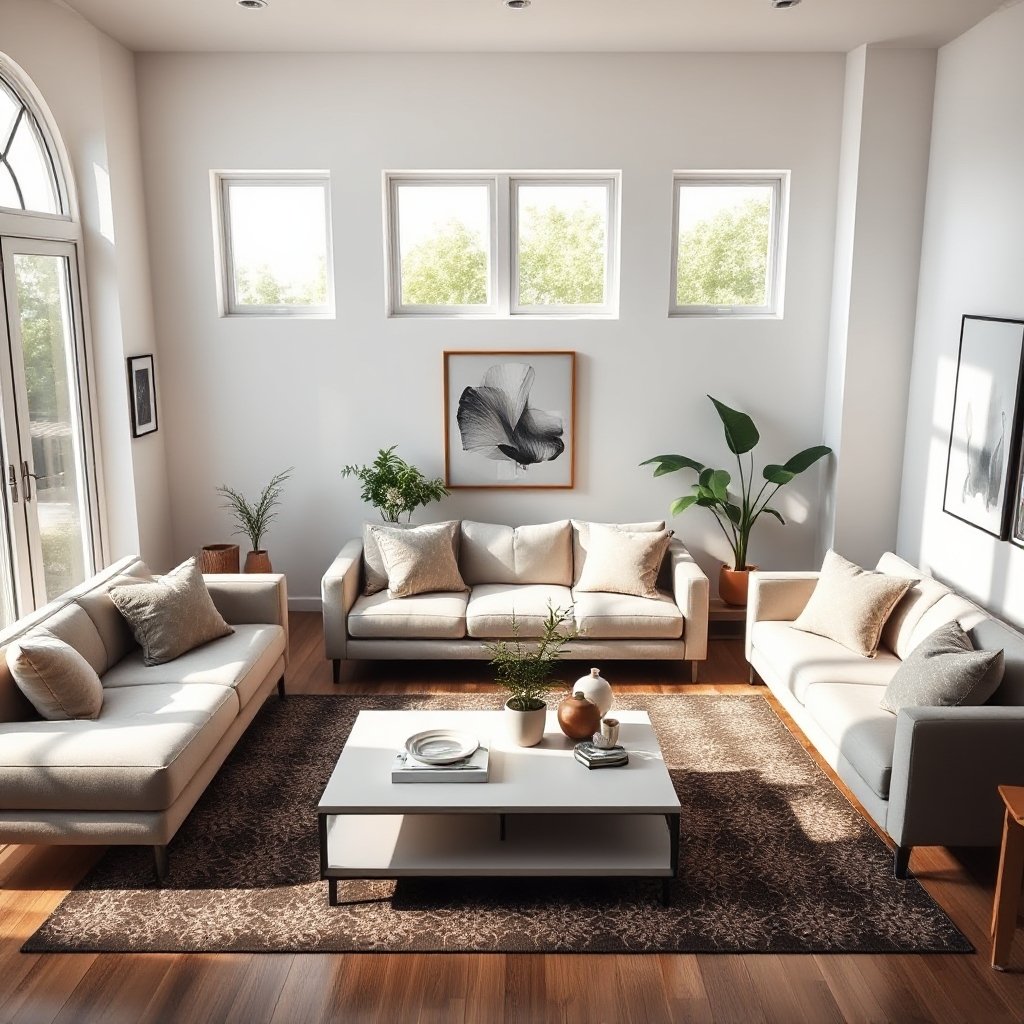
- L-Shaped Sectionals: A small L-shaped sectional can squeeze into a corner, offer more seats, and serve as a subtle room divider. Models under 80 inches wide are trending.
- Sofas with Exposed Legs: Raised, leggy silhouettes let light and air circulate underneath, visually “lifting” your room and making it feel bigger.
- Hidden Storage: Ottomans, lift-up seats, or chaise storage banish blanket and pillow piles, giving clutter nowhere to hide.
- Sofa Beds: Convertible sofa-beds with easy-to-use mechanisms maximize square footage for overnight guests or movie nights.
- Eco-Friendly Materials: Choose upholstery made with recycled fibers or robust natural weaves, and frames sourced from renewable or recycled woods.
The majority of trending three-seat “small living room sofas” now land beneath the 80-inch width mark and center on modularity—so sections can be moved, swapped, or expanded as your needs change. Low backrests, subtle arm designs, and “floating” legs remain a staple for creating roomier sightlines.
For more smart ways to maximize small living rooms, check out our companion guide to best furniture for small spaces.
Real Buyer Experiences: Common Complaints with Small Living Room Sofas
Even when a sofa looks perfect online, real buyers often hit the same snags after a few weeks or months. In recent years, thousands of small living room sofa reviews have cited the following pain points:
- Low or Deep Seats: While trendy, low seats and deep cushions can be tough on knees and backs—especially when standing up. Many regret buying a sofa that’s a “struggle to get out of.”
- Cushion Sag: Cheaper foam or down-alternative fillers compress quickly, causing that “sinking” feeling. Returns due to sagging are surging across major retailers.
- Noisy or Poorly Finished Frames: Creaks, squeaks, or seams that split after a few months signal rushed manufacturing and lower durability. Not every compact sofa holds up to regular use or impromptu naps.
According to one buyer cited on this review, guests sometimes need help standing from ultra-low sofas—a major disadvantage for anyone with mobility issues or frequent visitors.
If you want a long-lasting investment, avoid low seat heights (aim for at least 17 inches from the floor), check return rates and real customer photos, and push for in-depth warranty transparency.
Browse our living room furniture trends to sidestep these pitfalls.
Beyond Seating—How to Integrate Sofas in Multipurpose Small Spaces
Your living room is rarely just a lounge. It’s likely your home office, guest room, gym, or hobby cave. The best small living room sofa isn’t just for Netflix—it adapts on demand. Since the pandemic, demand for multipurpose “apartment furniture” has exploded. Here’s how to choose for true versatility:
- Choose Convertible Models: Sofa-beds, futons, and daybeds quickly swap between seating and sleeping. The mechanism should be smooth and simple—a clunky fold-out can make you regret your pick on the first guest stay.
- Think Modular: Look for modular small living room sofas with moving ottomans, chaise extensions, or backrest options that create new room layouts at will.
- Embrace Storage: Storage chaises or lift-up seats keep home office gear, kids’ toys, and workout bands hidden during the day.
- Plan Cord Management: Pick models with clearance beneath for charging cables or devices.
Compact sofas with these features can instantly transform a studio or one-bedroom. For a holistic redesign, explore hidden kitchen storage to keep other rooms just as clutter-free as your lounge.
Durability and Eco-Responsibility: What’s Missing From Most Sofa Guides
Most “best sofa for small living room” lists skip two key concerns—how long your seat will actually last, and whether it’s eco-friendly from start to finish. Durable construction isn’t about marketing claims. It’s built on independent testing, lengthy warranties, and real-world repair or claim data.
Look for:
- Long Warranty Periods: A sofa built to last should carry at least a 5-year frame warranty and 2–3 years on cushions. Ask about actual claim rates.
- Robust Joinery & Components: Kiln-dried hardwood frames and reinforced joints outlast particleboard or stapled builds.
- Transparent Materials: Demand info on recycled- or upcycled-content percentages in upholstery and filling. Many nod to “eco” in descriptions but don’t back it with data.
- End-of-Life Strategy: Ask if and how you can recycle or rehome the sofa later.
Leading brands like IKEA have pledged 100% renewable or recycled materials in coming years—“greenwashing” is out, full transparency is in. To boost your living room’s sustainability, check eco credentials just as closely as color or size.
See further tips in our eco-friendly home upgrades guide.
Quick Comparison: Top-Rated Small Living Room Sofas for YYYY
What’s worth your money this year? Here are standout models praised for size, usability, comfort, and durability. All align with the core needs of small-space living and sustainability.
| Model | Key Features | Why Buy |
|---|---|---|
| Article Ceni Sofa | 72-inch width, mid-century style, raised wood legs, reversible cushions, FSC-certified hardwood frame, recycled polyester fabric | Ideal for tight rooms that need visual openness and eco cred; cushions flip to prolong lifespan |
| IKEA FÄRLÖV Sofa | Compact profile, removable/washable covers, high-resilience foam, third-party certified eco materials, priced accessibly | High marks for sustainability; easy to clean with pets/kids; replaceable covers to renew look over time |
| Burrow Nomad Sofa | Modular sections, 85-inch or less options, built-in USB charger, tool-free assembly, upcycled synthetic fabrics, 10-year warranty on frame | Ultimate modularity—reconfigure as your needs change; extra-durable design stands up to heavy daily use |
| West Elm Harris Sofa Bed | Queen-size sleeper, tight-seat design, kiln-dried wood, GREENGUARD Gold Certified, available in performance velvet or recycled fabric | Top pick for small living rooms that double as guest space without skimping on aesthetics |
You’ll notice these all include modular or convertible options—models leading online sales and highest consumer satisfaction this year. For a breakdown of more great picks (especially if you love mixing materials), visit our outdoor furniture guide—many brands now offer matching sets for indoor and outdoor small spaces.
Buying Checklist: What to Ask Before You Buy
Before hitting “buy now,” use this research-backed checklist to reduce buyer’s remorse and extend your sofa’s useful life—and don’t forget comfort is king when it comes to apartment furniture.
- Is the sofa under 80 inches wide (for three-seaters)? Does it offer at least 17-inch seat height for easier standing?
- Check seat construction—look for webbing or springs, not just foam. Ask whether the foam is high-resilience or at least CertiPUR-US® certified.
- Are all covers removable and washable? This matters in small spaces with pets or heavy use.
- Understand warranty terms—how long, what’s covered, and what do real buyers say about actual claims?
- What’s the environmental story—ask for percentages of recycled content, renewably sourced woods, certifications like GREENGUARD or FSC?
Red flags to run from: noisy or creaky frames, seat cushions with only low-density foam, lack of warranty info, or returns policy full of loopholes. Most returns this year trace back to cushion sag and loud joints—ask tough questions before finalizing.
For more practical home upgrades, see this ROI-focused upgrade list.
FAQ
What sofa width is best for a small living room?
Most experts recommend keeping your sofa under 80 inches wide for a three-seater. For two-seaters or loveseats, 65 inches or less is ideal. Smaller widths make moving and arranging other furniture much easier, especially in apartments.
Are modular or sectional sofas practical for small spaces?
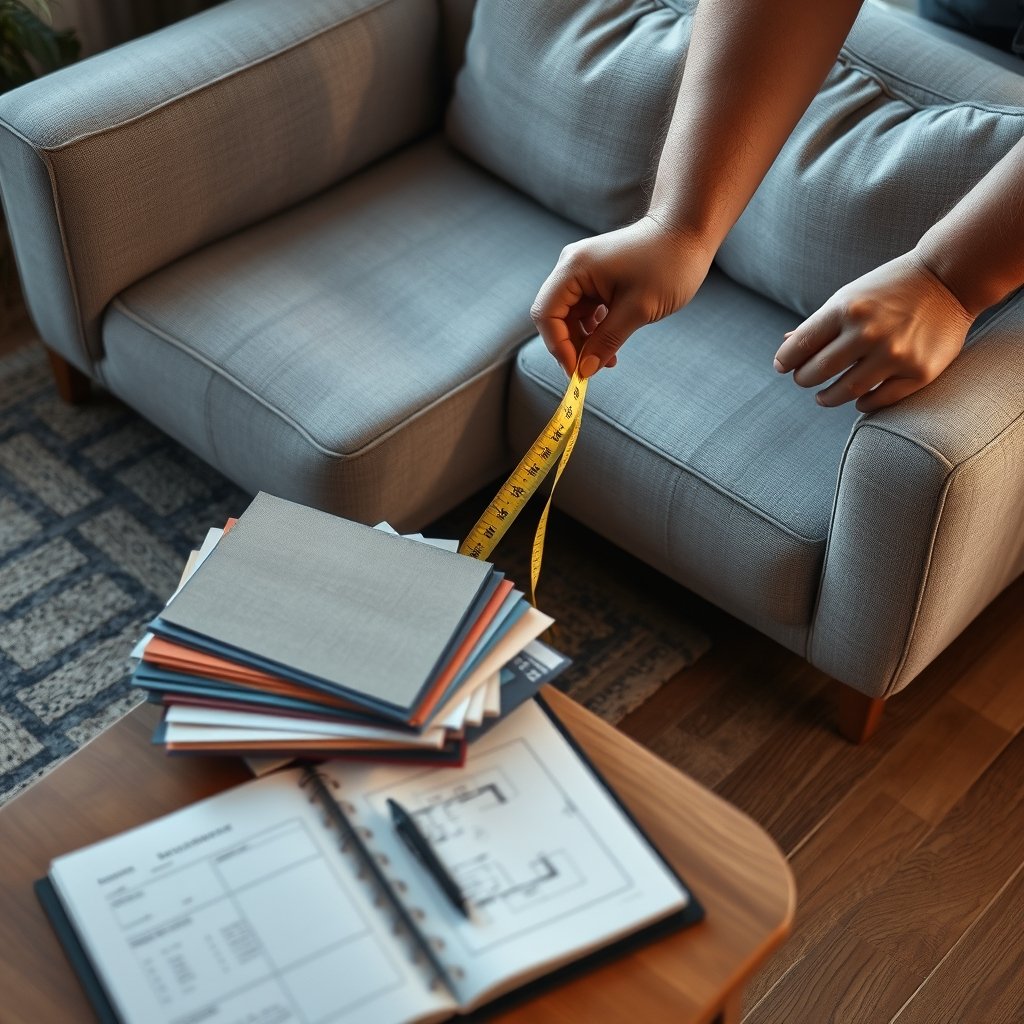
Yes—with careful measurements. Compact L-shaped sectionals and modular sofas can maximize seating and corner efficiency. Just ensure the pieces are individually small enough to fit your space and doorways.
How can I spot a durable sofa versus a disposable one?
Check for kiln-dried hardwood or metal frames, high-resilience foam, reinforced joinery (not just glue or staples), and lengthy manufacturer warranties. Beware of sofas with vague construction details and very cheap prices.
What fabrics are best for durability and easy cleaning in a small living room?
Recycled polyester blends, performance weaves, or removable and machine-washable cotton/linen covers stand up best to daily wear. Avoid loose weaves or untreated natural fabrics as they stain or snag easily.
What’s the main issue buyers regret after buying a compact sofa?
Most commonly: seat heights that are too low or cushioned too softly, making it uncomfortable to rise. Cushion sagging and noisy frames are other top complaints—always research real-world reviews before buying.