

Best Standing Desks have transformed home offices in 2026, providing real health and productivity gains backed by fresh research and a wave of innovative designs. Whether you’re a remote professional or upgrading your hybrid workspace, understanding desk ergonomics and selecting the right features is crucial for your well-being and long-term workflow.
Key Takeaways
- The best standing desks in 2026 combine tech-forward ergonomics, stable engineering, and sustainability to maximize health, comfort, and focus at home.
- Alternating between sitting and standing at your desk is proven to reduce neck and shoulder pain, lower blood pressure, and improve productivity.
- Addressing common pitfalls—like desk wobble, noisy motors, and poor setup—ensures you benefit fully from your investment and avoid buyer regret.
- Why Standing Desks Are Dominating2026Home Offices
- Critical Ergonomic Benefits You Can Expect
- Top User Complaints & How to Choose a Desk That Avoids Them
- Beyond the Desk—Essential Accessories & Workspace Optimization
- The 2026 Innovation Gap—What Other ‘Best Desk’ Guides Overlook
- Recommendations—The Best Standing Desks for Home Offices Right Now
- FAQ—Making Standing Desks Work For You
Why Standing Desks Are Dominating 2026 Home Offices
The popularity of the best standing desks has soared in recent years, redefining workspace improvement for millions of remote and hybrid workers. In 2026, the global standing desk market has grown to $8.1 billion, with over 9.5 million office workstations in the US alone now using sit-stand desks. This momentum is driven by the pursuit of better ergonomic health, productivity, and the increasing adoption of hybrid work models. Smart tech integration, sustainability, and adaptable designs are fueling new waves of home office innovation, making height-adjustable desks a central part of modern workspace planning.
Critical Ergonomic Benefits You Can Expect
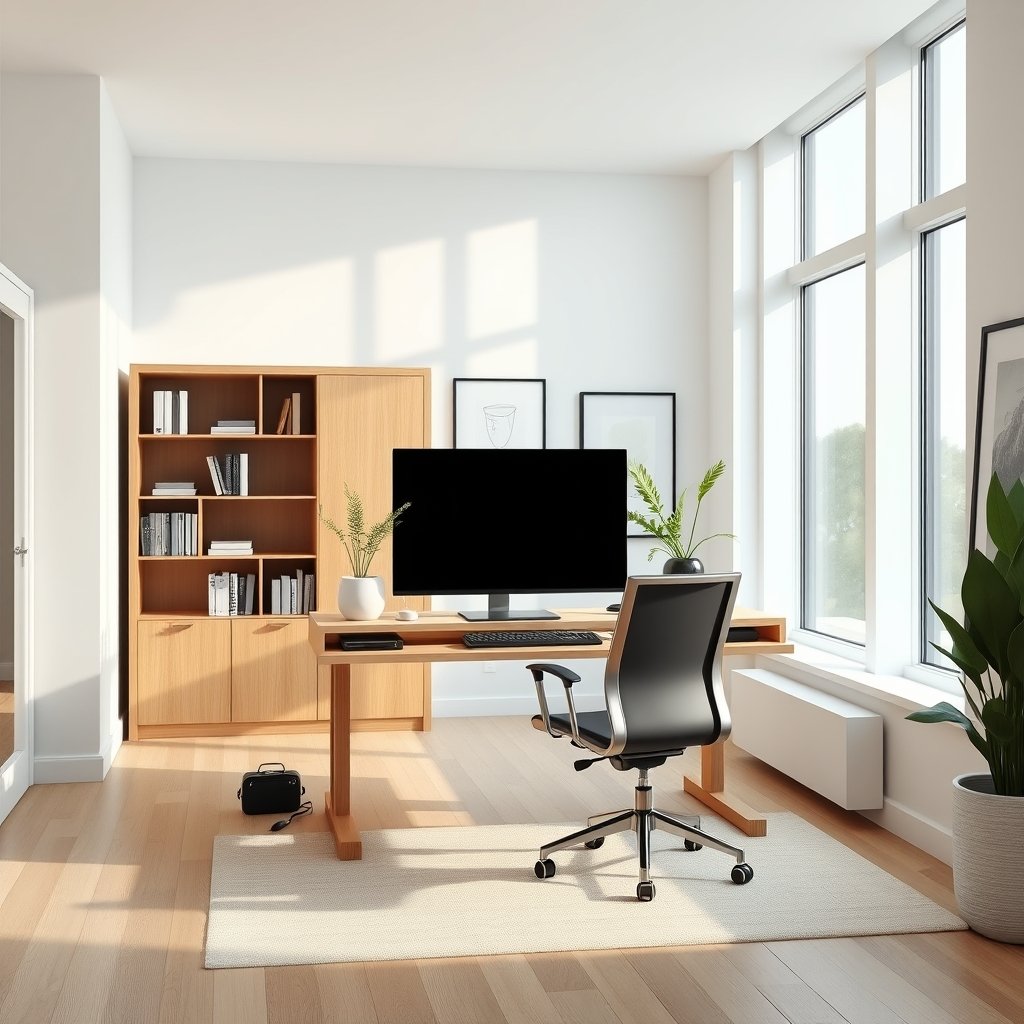
An ergonomic desk isn’t just a status symbol—it’s a health investment. Recent studies by the Occupational Ergonomics Research Center have found that using adjustable desks and alternating between sitting and standing leads to measurable reductions in neck and shoulder pain, improved blood pressure, and even better glucose metabolism. For office setup, this means you can expect a real reduction in musculoskeletal discomfort and long-term cardiovascular risk. However, standing all day isn’t the answer. The most benefit comes from regular posture changes, the correct desk and monitor height, and integrated movement routines.
To maximize these gains:
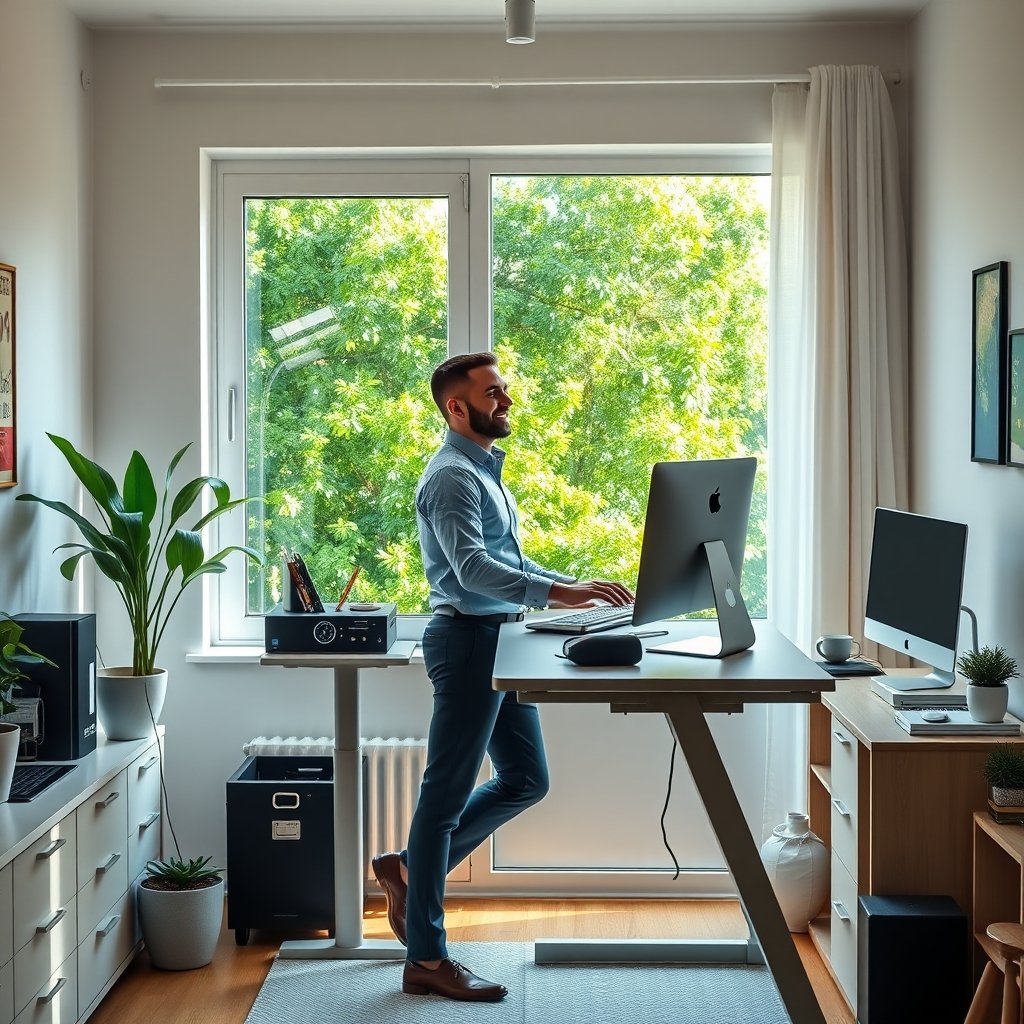
- Set your work surface so elbows rest at 90 degrees and monitors are at eye level.
- Alternate sitting and standing every 30 to 60 minutes.
- Use visual or noise cues (like smartphone reminders) to prompt micro-breaks.

Top User Complaints & How to Choose a Desk That Avoids Them
Not all standing desks or home office furniture are created equal. The most common user complaints center on:
- Wobble and instability at full height, leading to distracting vibrations or sway while typing.
- Noisy or slow electric motors, making adjustments disruptive.
- Poor cross-bracing, resulting in torsional motion.
- Difficult assembly and poor fit on uneven floors.
When searching for the best standing desks, prioritize the following:
- Cross-bracing: Look for frames with integrated or hidden cross supports, especially if you plan to work standing for several hours daily. Models like VertDesk and Steelcase lead in this category (source).
- Motor quality: Dual-motor systems are typically quieter and faster than single-motor designs, supporting smoother transitions.
- Assembly: Desks with clear documentation and fewer parts reduce setup frustration. Brands that score high for easy assembly include FlexiSpot and IKEA Idasen.
- Leveling feet: Adjustable feet help stabilize desks on older or uneven floors, which is a must for many home office setups.
For more workspace improvement inspiration, you can also explore home improvement ideas that go beyond just your desk.
| Complaint | What to Look For | Recommended Brands |
|---|---|---|
| Wobble at Full Height | Integrated cross-bracing, steel frames | Steelcase, VertDesk, Humanscale |
| Noisy/Slow Motors | Dual motors, noise specs below 50dB | FlexiSpot, IKEA Idasen |
| Assembly Issues | Pre-assembled tops, labeled parts | FlexiSpot, IKEA |
| Poor Stability on Floors | Leveling glides, wider bases | VertDesk, Humanscale |
Interested in storing other workspace tools? See our guide on best home improvement tools for ideas.
Beyond the Desk—Essential Accessories & Workspace Optimization
Your standing desk is just the anchor. True workspace improvement combines ergonomic desks with key accessories and better layouts. Don’t skip these upgrades:
- Anti-fatigue mats: Reduce foot and leg strain, making standing periods longer and more comfortable.
- Monitor arms: Set your screen at eye level regardless of desk height, minimizing neck pain and promoting better posture.
- Adjustable lighting: Reduce eye strain and improve focus with dimmable, positional task lights.
- Cable organizers: Eliminate clutter and tripping hazards—essential for clean, distraction-free workspaces.
For sit-stand routines, follow recommended ratios: stand for 15 to 30 minutes per hour, and sit the rest. Insert micro-breaks (1-2 minutes) every 30 minutes, and shift positions whenever you notice fatigue or fidgeting. Personalize your home office furniture setup for your working style and body type. Incorporating these elements leads to holistic, healthy workspace improvement as part of your overall office setup (source).
If you need lighting inspiration, see these designer lighting ideas for modern workspaces.
The 2026 Innovation Gap—What Other ‘Best Desk’ Guides Overlook
Most best desk lists focus only on mechanical features and ignore innovation differentiators that matter to tech-forward and eco-conscious professionals. This year’s most exciting advances include:
- IoT and Smart Health: Desks with app integrations track your sit-stand time, remind you to move, and sync with health platforms for personalized goals. The latest Steelcase designs partner with Microsoft for true “smart office” capabilities (see the full report).
- Sustainability: More desks use responsibly harvested timber, recycled MDF, or low-emission finishes. Look for certifications like GREENGUARD, FSC, or BIFMA for real eco credentials.
- Cost-Benefit: Studies link adjustable desks to lower musculoskeletal discomfort and reduced sick days, meaning real healthcare cost savings—often paying back the initial investment in under 2 years. Don’t neglect long-term value.
- Maintenance & Longevity: Advanced surface coatings and modular construction make today’s best standing desks easier to repair and refresh, extending their usable lifespan.
Little things like these create a holistic office setup for years to come.
Want more sustainability ideas? Check out eco friendly home tips that support a healthier lifestyle.
Recommendations—The Best Standing Desks for Home Offices Right Now
Based on user satisfaction, reviews, and ergonomics data, here are the top picks for the best standing desks in 2026. Each addresses the core challenges discussed above and offers a real productivity edge:
- FlexiSpot E7/E5: Best value for most home offices. Dual motors are quiet, stable, and fast. Sturdy steel frame, clear instructions, wide accessory options. High satisfaction in stability tests and minimal assembly complaints. (Consumer Reports)
- Steelcase Solo Sit-to-Stand: Premium pick for durability and innovation. Cross-bracing system eliminates wobble, and IoT integrations (in select models) support tracking and smart wellness goals. High marks for eco materials and finish quality.
- Humanscale Float: Best manual model. Smooth counterbalance system makes height changes instant and silent—great for sensitive open areas or video calls. FSC-certified laminate and outstanding build quality.
- VertDesk v3: Top stability under load. Heavy-duty steel base, superior crossbeam support, best for heavy monitor arms or if you type vigorously. Optional power management upgrades.
- IKEA Idasen: Most affordable for eco-conscious buyers. Low-VOC, adjustable via Bluetooth app, quiet motors. Slightly less stable at full height but outstanding for moderate standing use.
For those designing compact workspaces, peruse our best furniture for small spaces picks or explore pocket cabinet ideas for cleverly hidden storage.
FAQ—Making Standing Desks Work For You
How long should I stand versus sit at my standing desk each day?
Alternating between standing and sitting is optimal. Start with 20 to 30 minutes standing per hour, then adjust based on comfort and fatigue cues.
What is the best desk height for ergonomic posture?
Set desk height so your elbows form 90-degree angles while typing, with wrists flat and monitors at or slightly below eye level. Use monitor arms or risers as needed.
Are standing desks a cure-all for back pain?
No. The real benefit comes from regular position changes—standing desks are a tool to promote movement, not a solution on their own. Stretching and proper setup matter just as much (source).
What accessories should I buy first?
Prioritize an anti-fatigue mat, monitor arm, and cable management tools for the biggest ergonomic and workspace improvements.
Can I convert my existing desk to a standing desk?
Yes. Desktop risers are a budget-friendly option, though they often give up some ergonomic adjustability and stability. For frequent sit-stand transitions, a full adjustable desk is recommended.
Conclusion
Investing in the best standing desks this year pays dividends for your health, comfort, and workflow. By prioritizing ergonomic features, setup best practices, and must-have accessories, you’ll transform your home office into a truly productive and healthy environment. Ready to upgrade? Compare these top picks and start experiencing the benefits of a tech-savvy, ergonomic workspace. For more workspace improvement tips, check out our other product guides and modern office solutions. Upgrade your setup today and feel the change.
[…] quiet nooks, standing desks, and better lighting improve focus and property value. Browse our standing desks recommendations for trending […]