

Best Tools for Homeowners are no longer just hammers and drills—today’s top picks blend comfort, value, and smart features to tackle home projects efficiently in YYYY.
Key Takeaways
- Homeowners in YYYY are investing more in high-quality, sustainable, and ergonomic tools tailored for regular DIY and home maintenance.
- The must-have homeowner tool kit is streamlined—prioritize proven essentials rather than bulky, cluttered sets.
- Smart tech, battery compatibility, and eco-friendly materials are quickly becoming essential considerations in selecting the best tools for homeowners.
- YYYY Homeowner Tool Buying Trends: What’s Different Now
- The Real Must-Haves: Essential Home Tools Every Homeowner Should Own
- Top Complaints About Popular Tool Kits (And How to Avoid Them)
- Beyond Basics: Smart, Safe, and Sustainable Tools for Modern Homes
- How to Build or Upgrade Your Homeowner Tool Kit (Checklist & Recommendations)
- FAQs: Navigating Tool Choices, Warranties, and Long-Term Value
YYYY Homeowner Tool Buying Trends: What’s Different Now
The surge in DIY projects and renovation tasks has changed how people approach building their homeowner tool kit. According to recent studies, homeowners are now allocating roughly $2,000 to $2,500 on average toward home improvement supplies and tools, with 35% increasing their spend compared to last year and around 61% planning at least one DIY project in early YYYY. This uptick isn’t just about tackling more projects, but about investing smarter—seeking the best tools for homeowners that blend value, versatility, and ease of use.
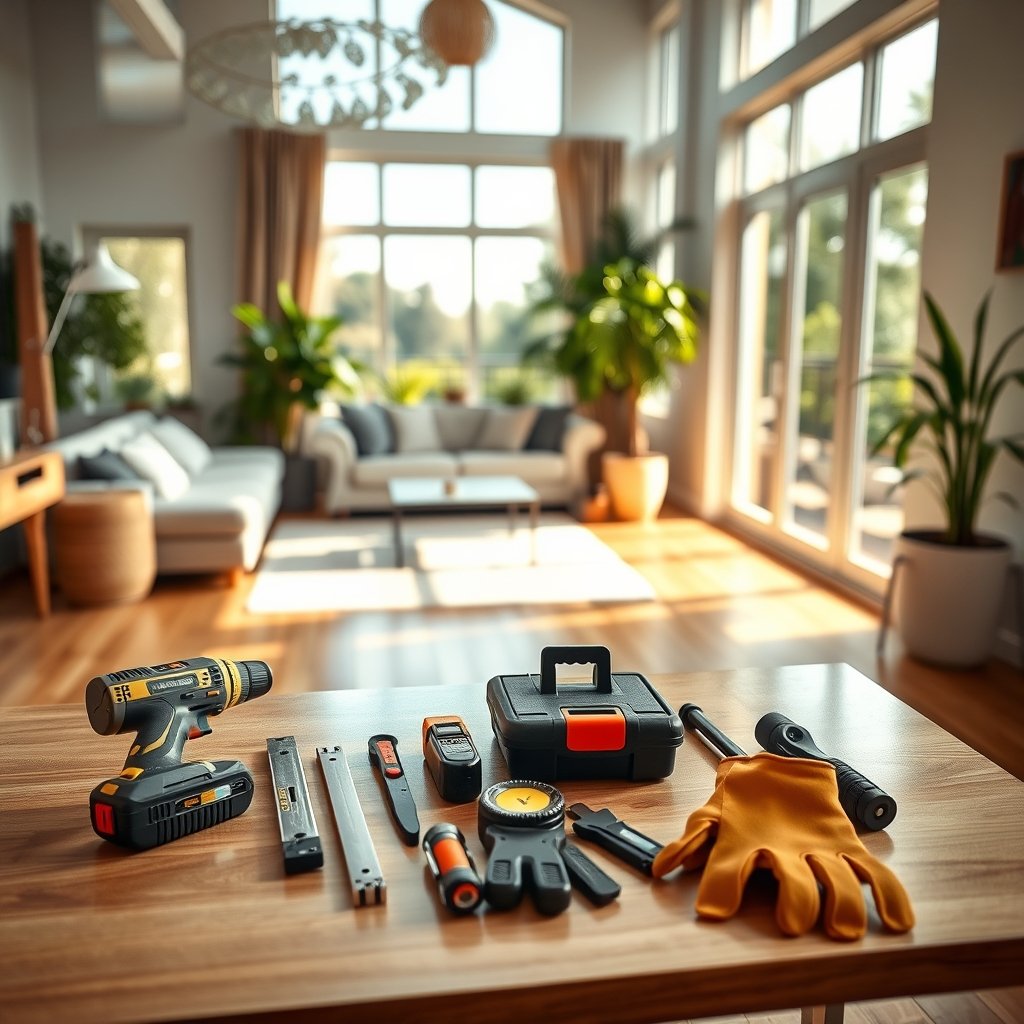
Why the shift? Homeowners are frustrated by disposable, low-quality tools, and the wide range of new smart and eco-friendly products promises comfort, efficiency, and long-term savings. Brands have responded with better ergonomic designs, longer warranties, and modular battery ecosystems. Today’s typical buyer isn’t a contractor—they’re project-driven and want a streamlined kit without clutter or compromise.
Learn more with our related guide: Best Home Improvement Tools for YYYY.
The Real Must-Haves: Essential Home Tools Every Homeowner Should Own
A practical homeowner tool kit doesn’t waste space on rarely used items. Instead, successful tool sets focus on what gets used week in and week out. The most essential home tools for YYYY remain:
- Cordless drill/driver: Indispensable for repairs, installations, and upgrades. Choose a quality model with a comfortable grip and a well-reviewed battery.
- Versatile screwdriver set: Magnetic and multi-size, covering both flat-head and Phillips tasks.
- Adjustable (Crescent) wrench: Ideal for plumbing, assembling furniture, and general emergencies.
- Pliers set: Includes slip-joint and needle-nose for gripping, twisting, and cutting.
- Measuring tape: Accuracy is everything—go for a durable, standout lock model.
- Claw hammer: The workhorse for hanging, prying, and small demo jobs.
These essentials come recommended by tool experts and reflected in sales stats year after year.
Explore more on assembling your base kit with our garage organization and tool storage guide for optimal setup solutions.
Don’t forget to periodically review your kit in light of upcoming projects or common home repairs. As new smart tools and user-friendly designs become available, upgrading single pieces over time is often the most cost-effective approach.
Top Complaints About Popular Tool Kits (And How to Avoid Them)
Homeowner frustrations around DIY tools and pre-packed kits continue to dominate product reviews. Research from homeowner surveys identifies five frequent pain points:
- Inconsistent build quality: Bargain kits often use cheap alloys, leading to bent screwdrivers or rusting pliers.
- Short-lived or mismatched batteries: Tools from different manufacturers require multiple chargers, cluttering your workspace and adding cost.
- Bulky assortments with rarely used items: Many kits inflate their parts count for marketing, filling the box with pieces you’ll never touch.
- Poor storage and organization: Flimsy cases and loose bags mean wasted time searching for that one missing socket.
- Lack of ergonomic and safety features: Awkward grips or sharp edges make projects uncomfortable and even risky for non-pro users.
| Common Complaint | What to Look For Instead |
|---|---|
| Poor build quality | Seek reputable brands (often available as open-box or certified refurb), check warranty length |
| Battery incompatibility/failures | Choose a single brand platform for power tools (e.g., all Ryobi ONE+ or DeWalt 20V) |
| Too many unused tools | Buy only what you’ll use in the next 12 months; avoid large “all-in-one” sets |
| Messy or weak storage cases | Look for modular or upgradeable storage systems |
| Lack of comfort/ergonomics | Test handle grip, weight, and trigger feel in-person if possible |
For an in-depth look at best buys and smarter shopping, see this 2026 tool kit buyers guide.
Beyond Basics: Smart, Safe, and Sustainable Tools for Modern Homes
Today’s best tools for homeowners increasingly blur the lines between tech gadget and essential equipment. Here’s what you should look for in YYYY:
- Ergonomics and safety: Select tools with cushioned grips, balanced weight, and intuitive triggers. Non-slip handles and finger protection shields can make a big difference for DIYers working for hours at a time.
Learn more in our home improvement tips resource, which includes safety guidance for beginners. - Smart and connected tools: Many brands have released Bluetooth-enabled tools for tracking, performance metrics, or tool-finder apps. AI-powered torque adjustment, digital measurement displays, and one-battery-for-everything platforms are also on the rise, reducing both hassle and environmental impact.
Explore specific smart device recommendations in our recent Smart Home Devices Guide. - Sustainable and repairable designs: Sustainability now means more than just energy efficiency. Today’s leading tools use recycled plastics, modular batteries to reduce electronics waste, and manufacturer-backed recycling programs.
Check out this data-driven report on homeowner buying trends for more on how sustainability is shaping tool design.
Environmental responsibility also extends to choosing quality over quantity—reducing landfill waste and saving money over the tool’s lifecycle.
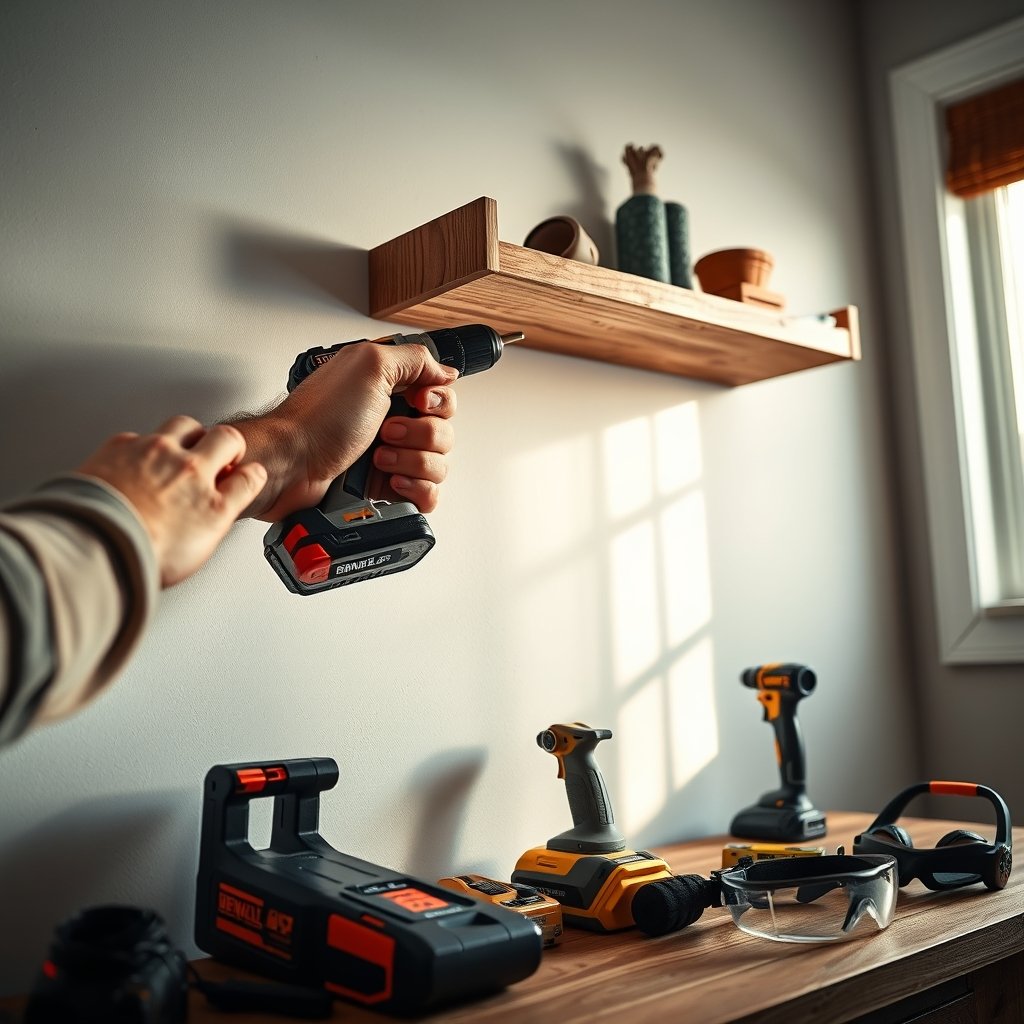
For those interested in eco-friendly lawn and garden upkeep, see our clover lawn and sustainability guide.
How to Build or Upgrade Your Homeowner Tool Kit (Checklist & Recommendations)
- 1. Start small, but buy reliable basics first. If your current kit is a hodgepodge, prioritize core pieces: drill/driver, measuring tape, hammer, screwdrivers, pliers, adjustable wrench.
- 2. Pick a battery ecosystem early. Committing to a brand reduces charger clutter. Ryobi ONE+, DeWalt 20V, or Milwaukee M18 are top-rated for homeowners.
- 3. Upgrade for comfort and safety. When a tool’s grip feels awkward, replace it—a sore wrist often means it’s time for a redesign.
- 4. Invest in a modular toolbox or wall-mount system (see our storage solutions guide).
- 5. Go sustainable with every purchase. Choose tools that can be repaired and recycled. Look for brands with take-back programs or parts available for DIY fixes.
As for brands worth considering: Ryobi remains a price-to-value favorite, DeWalt for higher budgets and durability, and Milwaukee for tool nerds who want pro-grade performance at home. Don’t buy every accessory at once—expand your set as your experience or needs grow.
For a detailed home improvement checklist, visit our home maintenance guide.
Remember, quality over quantity reduces frustrations and your footprint on the planet—a philosophy echoed by leading industry reviewers (see top tool set analysis).
FAQs: Navigating Tool Choices, Warranties, and Long-Term Value
How do I pick the right tool kit for a new homeowner?
Focus on concise, high-quality essentials—drill/driver, screwdriver set, hammer, pliers, tape measure, and wrench. Avoid massive kits full of duplicates or niche items you won’t use. Matching your tool kit to your actual project plans ensures you spend wisely.
Are combo kits really a better value for DIYers?
Yes, quality tool combo kits provide ready-to-use core tools and battery platforms. They help reduce battery headaches and unnecessary chargers. Just be sure you’re not paying for tools designed for pros unless you truly need them. See more at this buyer’s guide.
Will smart/connected tools make a difference in home maintenance?
Smart features like digital measurement, Bluetooth tracking, or ecosystem battery packs are useful for frequent DIYers—especially for those prone to misplacing tools or seeking better consistency. For occasional repairs, basic ergonomic tools are still sufficient.
What’s the best approach to eco-friendly tool shopping?
Pick brands using recycled/recyclable materials, modular battery platforms, and repairable designs. Buy only what you’ll use in the next year, and support brands offering recycling or buyback programs for worn-out tools.
Should I invest in pro-grade tools as a homeowner?
Unless you regularly tackle heavy-duty projects, contractor-grade tools are usually overkill. Instead, stick to highly rated homeowner lines that offer robust warranties and save the extra budget for quality storage or future upgrades.

Conclusion
This year’s keys to getting the Best Tools for Homeowners are choosing quality essentials, prioritizing ergonomics and sustainability, and steadily improving your tool kit as your needs evolve. Don’t follow the crowds—focus on lasting value, safety, and comfort. Ready to upgrade your homeowner tool kit? Start by decluttering your collection and investing in tools you’ll love for years.
Explore handpicked recommendations and practical guides in our home improvement products review hub.