
### Blog Post:
Smart Home Security Systems have changed how Americans protect their homes, but adoption isn’t as seamless as most headlines suggest. If you’re considering an upgrade, it pays to know what’s common, what can go wrong, and how to get it right the first time.
Key Takeaways
- Adoption of smart home security devices is growing fast—over 72% of U.S. homeowners now have at least one device, but full-system integration is still rare.
- User pain points like privacy leaks, unreliable notifications, and poor device compatibility are more frequent than you might expect.
- Careful planning and research—especially on privacy, system integration, and hidden costs—can help avoid upgrade regrets.
- 2026 Market Snapshot: How Common Are Smart Home Security Systems?
- The User Experience: Top Pain Points with Security Cameras, Video Doorbells, and Smart Locks
- The Overlooked Essentials: What Most ‘Best Home Security’ Guides Miss
- Planning Your Smart Home Security Upgrade: What to Watch For
- Conclusion
- FAQ
2026 Market Snapshot: How Common Are Smart Home Security Systems?
Smart Home Security Systems are now nearly standard in many U.S. households, but the adoption is uneven across device types. According to SafeHome and market research, in 2026:
- About 52% of U.S. households have security cameras—consider these the gateway to connected security.
- 45% use video doorbells.
- Overall, some form of home-security device is present in 72% of U.S. homes.
- Only about 28% of households have comprehensive alarm systems.
- Access-control—primarily smart locks—remains under 12%, but is the fastest-growing segment.
- The market is booming, with a projected growth rate around 14% annually. Experts anticipate spending rising from $34 billion (2025) to between $70 and $100 billion by 2030.
This trend reflects both rising safety concerns and the consumer appetite for convenience and tech integration. Yet, despite the promise, many users end up dissatisfied due to surprises that come with connected security.
The User Experience: Top Pain Points with Security Cameras, Video Doorbells, and Smart Locks
The biggest complaint about security cameras, video doorbells, and smart locks is that convenience can sometimes come at the cost of reliability or privacy. According to actual user stories and recent surveys, the most commonly reported pain points are:
- Privacy and Data Security Fears: High-profile incidents—from unauthorized footage access to companies sharing video with third parties—have shaken user confidence. Privacy risks are especially real for cameras and doorbells that store footage in the cloud.
- Connectivity and Reliability Problems: Wi-Fi drops and weak signals cause delayed notifications or complete video blackouts. False alerts from motion sensors further erode trust in the system.
- Battery Life Woes: Rechargeable devices often need attention at the worst time. Outdoor cameras and doorbells in cold climates are particularly vulnerable to rapid battery drain.
- Compatibility Hassles: Many users discover—too late—that not all their devices will talk to each other or work with existing smart home platforms. This is especially frustrating for renters and homeowners who want seamless integration.
- Subscription Fatigue: Cloud storage, advanced detection, and even basic app features often require recurring monthly fees, which add up over time.
These issues can undermine the entire smart security experience. Before you upgrade, take time to assess your home’s Wi-Fi performance and check whether your current smart devices (thermostats, lights, speakers) will work smoothly with new security gear. For more on compatibility and integration, see our guide to Smart Home Devices.
The Overlooked Essentials: What Most ‘Best Home Security’ Guides Miss
Search for “Best Home Security Systems” and you’ll find endless lists—but most miss critical factors that can ruin your upgrade:
- Evolving Privacy and Cybersecurity Risks: With smart locks and cameras on your network, a single security flaw—whether in the device, your Wi-Fi, or the cloud provider—can put your home at risk. As more brands enter the market, staying on top of software updates and data protection policies has become a full-time job. Recent studies confirm that even major brands can have vulnerabilities.
- Smart Lock Integration Matters: Smart locks are still only in about 12% of homes, but adoption is skyrocketing. They can be convenient, but be aware: not all locks work with popular ecosystems like Amazon Alexa, Google Home, or Apple HomeKit. A lock mismatched to your app or platform is a headache to return and replace. Before purchasing, map out which smart locks support your system—and factor in any necessary hubs.
- Fragmented Standards and Interoperability: The explosion of brands means the market is more fragmented than ever. Consumers struggle most with setup and integration across brands. Unless you choose a system built around open standards, you may find yourself locked into proprietary hardware or paying extra for bridges and adapters. The new Matter standard is intended to help, but support is still spotty as of 2024.
In short, go beyond flashy product specs. Focus on long-term support, security updates, and compatibility with your current and future smart devices. Need a broader perspective on home upgrades? Explore ideas for an affordable home upgrade that adds both value and convenience.
Planning Your Smart Home Security Upgrade: What to Watch For
Based on the data, here’s a practical way to plan your upgrade and avoid the most common pitfalls:
- Assess Your Existing Network: Test your Wi-Fi coverage throughout your home. Dead zones will render even the best home security systems unreliable. Invest in a mesh system if needed.
- Clarify Your Priorities: Is your top concern burglary, package theft, monitoring kids, or protecting deliveries? Your priority should shape which devices you need. For example, families with kids may value inside cameras and smart locks, while frequent travelers may prioritize doorbell and driveway cameras.
- Map Integration Before Buying: List your existing smart devices (lights, thermostats, speakers) and confirm which security systems and smart locks will integrate smoothly. Check for support of your chosen ecosystem.
- Demand Transparency in Privacy: Only consider devices from brands that spell out their data collection, sharing, and storage practices. Opt for brands with local storage and clear data policies—including two-factor authentication and local storage options.
- Budget for Ongoing Costs: Add up not just device prices, but subscription fees and possible installation costs. Over time, cloud storage or monitoring subscriptions can far exceed your initial device investment.
- Plan for Growth: Even if starting small, select a system that supports gradual upgrades—like adding new cameras or locks later. Double-check that expansion won’t require a whole new hub.
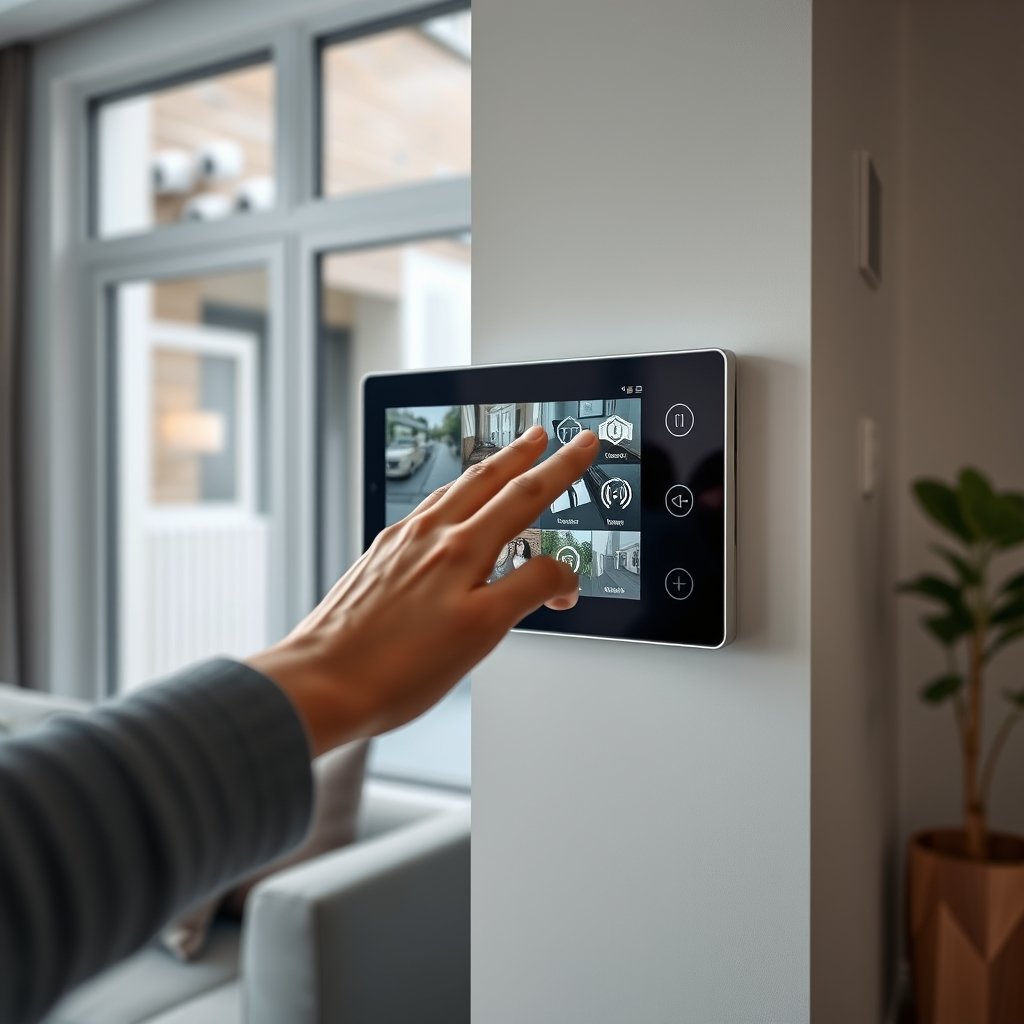
For more DIY home tech ideas, check out our expert home improvement ideas and DIY value guide. If energy savings is your goal, pairing security devices with a smart home energy monitor can stretch your investment further.
Advanced Analysis & Common Pitfalls
Here’s what trips up even the most tech-savvy homeowners when it comes to Smart Home Security Systems, with real-world outcomes based on research and user feedback:
| Common Pitfall | What Happens | How To Fix/Avoid |
|---|---|---|
| Wi-Fi Dead Zones | Cameras drop offline, delayed/lost motion notifications, lost footage recordings | Upgrade to mesh Wi-Fi; use hardwired Ethernet or powerline wherever possible; test signal strength at install locations |
| Overlooking Privacy Settings | Unwanted surveillance by strangers or even the device maker, private moments exposed online | Use two-factor authentication; regularly audit privacy settings; choose brands with local storage and clear data policies |
| Ecosystem Fragmentation | Devices won’t talk to each other or require multiple apps/hubs; clunky, unreliable automations | Pick devices compatible with your main smart platform (Alexa, Google, HomeKit); the new Matter standard can help—but check support first |
| Hidden Subscription Costs | Cumulative monthly fees add up quickly, sometimes outweighing device value | Calculate full cost of ownership before you commit; consider brands that offer free basic cloud storage or strong local storage options |
| Poor Smart Lock Integration | Locks might not be natively controllable via your preferred app or assistant | Consult compatibility lists, and consider bridge devices if needed for smart locks |
It’s clear: The convenience of Smart Home Security Systems can be undercut if you overlook the “boring” tech details. Thinking ahead about your chosen devices and integrations will make your system both safer and easier to use.

Conclusion
Smart Home Security Systems are no longer just niche gadgets—they’re fundamental tools for protecting modern homes. But rapid growth brings new challenges: privacy issues, compatibility chaos, recurring costs, and user frustrations. To get it right, focus on privacy features, ecosystem integration, and total cost over time instead of eye-catching features alone. Approach your upgrade like any serious home improvement—plan in advance, read user feedback, and always double-check compatibility.
Ready to take control of your home’s safety? Start your checklist today, or explore more best home improvement projects for added value and comfort. For more tips on maximizing the impact of your Smart Home Security Systems, browse our curated guides and industry trends.
FAQ
How secure are smart home security systems from hacking?
No system is completely hack-proof, but top brands invest heavily in encryption, regular software updates, and multi-factor authentication. Always change default passwords, enable two-factor logins, and keep firmware up to date. Refer to trusted sources like recent research for the latest device-specific risks.
Do I need to pay for a subscription to use all features?
Most leading brands offer basic features without charge, but advanced detection, extended cloud storage, and professional monitoring often require a paid subscription. Always factor ongoing fees into your decision before you buy.
Will my new smart lock work with Alexa, Google, or Apple HomeKit?
Not all smart locks support every ecosystem. Read compatibility lists carefully before you buy, and check whether a specific hub or bridge device is required for integration.
How can I avoid Wi-Fi dead zones for my cameras?
Test your Wi-Fi in all installation locations ahead of time. If coverage is weak, consider mesh networking or hardwired Ethernet adapters. Avoid mounting cameras in spots where signal drops frequently.
What’s the main difference between a self-installed and professionally installed system?
A self-installed system often gives you more flexibility and control, and generally costs less. Professional installations tend to include more support and can guarantee that all components function together—but at a higher upfront cost.
—