

Home Renovation can be exciting and life-changing, but it’s also filled with unexpected expenses and avoidable mistakes. In 2026, modern homeowners demand transparent remodeling costs, a smarter home makeover plan, and practical steps that reduce renovation stress from start to finish.
Key Takeaways
- Remodeling costs in 2026 vary by project, with kitchens averaging $20,000–$30,000 and whole-home renovations starting at $75,000.
- Underestimating budgets, delays, and poor planning are the biggest pitfalls for house renovation.
- Most online renovation checklists miss critical steps — including material lead time tracking, permitting, waste disposal, and contingency funds.
- 2026 Home Renovation Costs: National Averages and Regional Variations
- Real Homeowner Challenges: What Most People Struggle with During Renovation
- Essential Yet Overlooked Steps in the Renovation Planning Checklist
- Smart Strategies for Planning a Stress-Free Renovation in 2026
- Frequently Asked Questions About Home Renovation Costs and Planning
2026 Home Renovation Costs: National Averages and Regional Variations
Understanding remodeling costs upfront is the core of effective renovation planning. In 2026, kitchen remodels with mid-range finishes typically cost between $20,000 and $30,000. Bathroom updates average $10,000 to $15,000, while roof replacements fall in the $5,000 to $15,000 range depending on material. Siding projects generally range from $8,000 to $12,000. Whole-home remodels are the biggest investment, starting at $75,000 for budget renovations and reaching $100,000 to $200,000 for mid-range projects. High-end makeovers often exceed $250,000.

Regional differences matter. Home renovation costs in the Northeast run about 10 to 15 percent higher than the national median. The West is close to average, while the Midwest is typically 5 to 10 percent below. The South offers the most affordable rates, up to 15 percent less than other regions (source).
Material choices, square footage, and updates to electrical or plumbing systems can dramatically influence budgets. When you’re planning for a minimalist kitchen design or adding a curved kitchen island, factor in design trends as they often require custom work and specialized contractors.
Real Homeowner Challenges: What Most People Struggle with During Renovation
Even experienced renovators hit obstacles. According to homeowner surveys and remodeling research, the biggest pain points during house renovation include underestimating the true remodeling costs, inaccurate budgeting, and unpredictable timeline delays. Other common struggles are:
- Securing permits and navigating code approvals
- Finding reliable, communicative contractors
- Dealing with unexpected structural or hidden-damage issues
- Managing delays due to supply-chain shortages and labor gaps
- Disruption to daily family life, pets, and work-from-home needs
Many homeowners also report poor project communication as a key frustration, especially if their contractor or architect isn’t responsive.
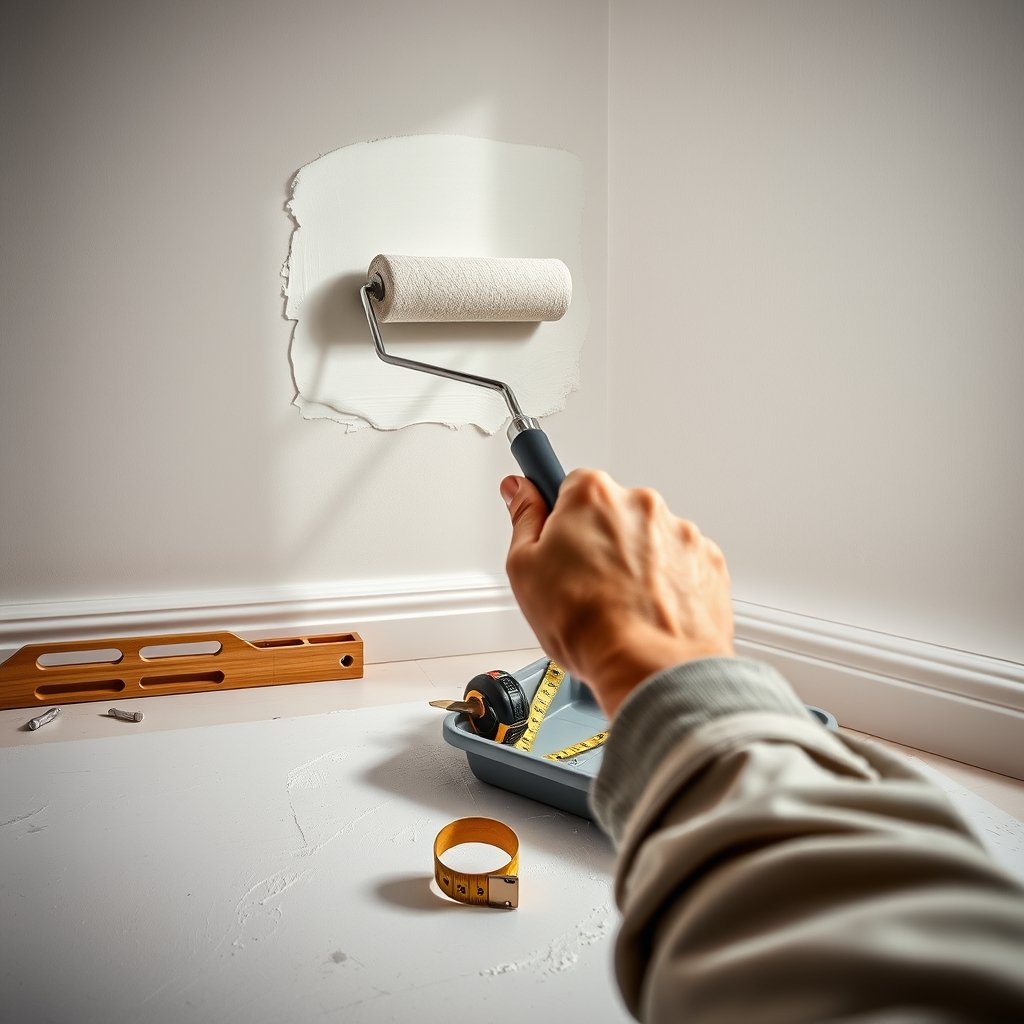
Delays mean cost escalations. Be prepared for pauses while waiting on permits or resolving unforeseen issues. Being realistic about disruptions—and proactively planning for mess, dust, and regular schedule interruptions—reduces stress considerably.
If your renovation will impact your kitchen, consider installing space-saving cabinets or integrating flexible butler’s pantry solutions to maximize function during construction.
Essential Yet Overlooked Steps in the Renovation Planning Checklist
Most high-ranking home makeover guides miss critical steps in their renovation checklist. For a truly seamless project, make sure you:
- Add a permit and inspection timeline to your schedule.
- Build a 10 to 20 percent contingency fund into your plan—unexpected costs happen to almost everyone.
- Create a documented waste disposal and recycling plan—missed dumpsters or material piles can mean fines or angry neighbors.
- Track your material lead times and delivery dates; global supply chain issues are the norm, not the exception.
- Include energy-efficient upgrades or green-building strategies for lower bills and tax credits. If this interests you, explore smart home energy monitor options.
- Secure HOA and neighbor notifications to avoid project stop-work disputes.
- Review warranties and insurance coverage for major systems—don’t skip this even for “simple” upgrades.
- Complete a thorough final walkthrough and punch-list signoff before paying your last contractor invoice.
Overlooking any of these can mean higher costs, repeat work, or unfinished projects. Consider integrating renovation planning resources like the Matterport Home Renovation Checklist or local building department guides. When planning for an exterior update or new landscaping (like switching to a clover lawn), timing and local regulation notifications are especially critical.
| Checklist Step | Why It’s Overlooked | Impact If Skipped |
|---|---|---|
| Permit and inspection timeline | Assumed ‘covered by contractor’ | Permit delays or stop-work orders |
| Contingency fund (10–20%) | Seen as unnecessary ‘buffer’ | Project stalls, unpaid vendors |
| Material lead time tracking | Ordered ‘as needed’ not upfront | Weeks-long delays, storage issues |
| Warranty and insurance review | Overlooked until a problem arises | No coverage on defects/damage |

Smart Strategies for Planning a Stress-Free Renovation in 2026
Smart renovation planning reduces stress, protects your budget, and improves project success. In 2026, more than half of homeowners renovated, spending a median of $20,000 (source). Yet, those who planned for curveballs had a better experience and finished on budget.
- Start with a written scope and line-item budget. Include all “nice-to-haves” under a separate list, so they don’t creep into your baseline.
- Set a dedicated contingency fund—at least 10 to 20 percent of your planned budget, per leading checklists.
- Use contracts with payment milestones. Never pay for uncompleted work up front.
- Require proof of contractor licenses, insurance, and current references.
- Keep all project paperwork, warranties, and permits organized and easily accessible. Use cloud storage for backups, especially for whole-home or multi-stage remodeling projects.
- Request timelines and material arrival guarantees in writing. Document any changes that could affect the completion date.
- Schedule weekly check-ins with your contractor, even if things seem on track. Small misunderstandings become big ones quickly.
- Plan life around the chaos. For major kitchen or bathroom renovations, set up a temporary kitchenette or alternative bathroom ahead of time. Plan for pets, kids, and remote work needs.
Use the same checklist discipline for any upgrade — even if you’re simply adding character with limewash paint or updating bathroom comfort with spa bathroom upgrades. Preparation pays off, whether you’re hiring out or taking on portions as DIY.
Frequently Asked Questions About Home Renovation Costs and Planning
How much does a kitchen or bathroom renovation cost in 2026?
Mid-range kitchen remodels run $20,000 to $30,000. Bathrooms typically cost $10,000 to $15,000. These figures include basic finish upgrades and some layout updates. High-end projects or luxury finishes can double these totals.
What should I budget for a whole-home renovation?
National average costs for full-home remodels start around $75,000 for basic updates and run up to $200,000 for mid-range finishes and services. Location, material choices, and the level of customization strongly impact final pricing.
How do I avoid timeline delays and budget overruns?
Build a contingency fund of 10 to 20 percent, track material delivery timing, secure permits before you start, and schedule frequent check-ins with your contractor. Clear documentation and written agreements are essential.
What steps are most often missed in home renovation checklists?
Dedicated permit timelines, systematic waste disposal plans, contingency budgeting, warranty reviews, and extensive material lead time tracking are the most frequently overlooked items. Skipping these adds cost and hassle.
Are there any easy upgrades I can tackle myself?
Yes—try adding new lighting, painting, installing pocket door cabinets, or upgrading landscaping with resilient clover lawn alternatives.
Conclusion
A successful home renovation in 2026 demands realistic budgeting, critical step tracking, and preparing for the unknown. Smart planning and attention to overlooked details make the difference between a stressful process and a satisfying transformation. Start with transparency about remodeling costs, use our checklist for a smarter project plan, and avoid the mistakes most homeowners make. Ready to transform your home? Review your renovation checklist, get multiple bids, and launch your home renovation project with confidence today.