

### Blog Post:
Smart Home Devices are transforming homes worldwide in 2026, promising improved security, energy efficiency, and convenience—yet still facing real-world challenges in integration and privacy for tech-forward homeowners and renovators.
Key Takeaways
- The global smart home market soared to $184 billion in 2026, with North America making up about 40% of revenue and 59% of US households using at least one device.
- Energy-saving features, security upgrades, and easy automation drive consumer adoption—but technical, interoperability, and privacy concerns often emerge post-purchase.
- Future-proofing your smart home strategy requires focusing on integration standards, total long-term ownership costs, and robust privacy practices, not just device features.
- The Global Boom: 2026 Adoption and Market Growth for Smart Home Devices
- What’s Driving the Surge? Top Trends and Consumer Motivations
- Where Smart Home Technology Fails: Technical and Security Challenges
- The ‘Missing’ Conversation: What Leading Articles Overlook
- Next Steps: Choosing and Future-Proofing Your Smart Home Investments
- FAQ: Fast Answers to Top Smart Home Device Questions in 2026
The Global Boom: 2026 Adoption and Market Growth for Smart Home Devices
The rise of smart home devices has become a defining feature of property innovation in 2026. The global smart home technology market was valued at $184 billion this year and is projected to reach nearly $950 billion by 2032, advancing at a compound annual growth rate of 22–23% [1]. North America makes up approximately 40% of that revenue share, with 59% of US households now integrating at least one smart device into their daily life [2]. The Asia-Pacific and European markets continue rapid adoption, supporting nearly 400 million smart homes globally.

What’s Driving the Surge? Top Trends and Consumer Motivations
Several clear trends drive the popularity of home automation. Consumers want efficient and sustainable living, leading to a boom in installing smart thermostats in every home with HVAC could reduce annual energy usage for heating and cooling by 9%. By the end of 2024, global smart thermostat sales are expected to reach $4.9 billion[2].
Security is another strong motivator. Homeowners are adopting smart security systems that let them monitor and control access from anywhere. The appliance sector—especially in the kitchen—has also benefited. For those interested in optimizing kitchen storage or embracing energy-efficient cooking, upgrades interact increasingly with other smart technologies. You can read more about hidden kitchen storage trends and energy monitoring devices for in-depth, actionable tips.
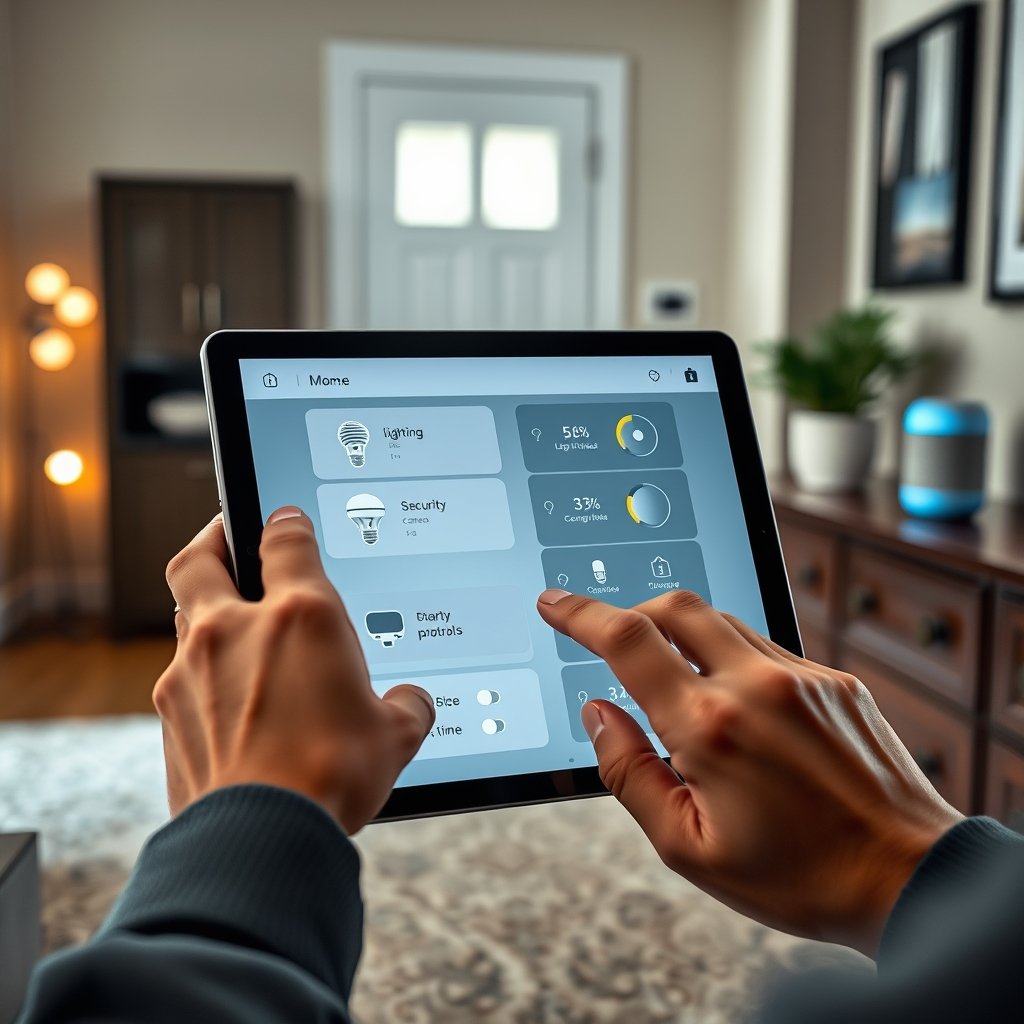
Convenience is also key. Smart lighting and thermostats provide automated schedule-based control, responding to occupancy or weather, making living spaces more comfortable. In Europe, the move to eco-friendly renovations has increased reliance on connected technologies. Read practical guidance on combining style and efficiency in the latest kitchen cabinet trends.
Where Smart Home Technology Fails: Technical and Security Challenges
Despite the success stories, users report persistent headaches with smart thermostats, lighting, and home automation hubs. Here are the most common issues based on 2026 data:
| Device Type | Common Technical Issues | Real-World Impact |
|---|---|---|
| Smart Thermostats | Firmware update failures, Wi-Fi dropouts, over-the-air (OTA) vulnerabilities | Inconsistent heating/cooling, possible network intrusion |
| Smart Lighting | Connectivity latency, dimming/flicker problems, insecure pairing | Lights may not respond, risk of remote hijack or botnet inclusion |
| Home Automation Hubs | Hub crashes, integration failures between brands, single-point internet failure, weak default credentials | Loss of all automation, exposed data, requires manual restart |
Many devices depend on solid Wi-Fi or cloud connectivity, leading to service outages if your network fails or the vendor pushes a faulty firmware update. Security systems, too, have their weak points—a lapse in encryption or insecure default passwords can expose your entire device ecosystem to threats. For a deeper dive into these risks, see the technical assessment by IEEE.
Lighting is another weak point—connectivity latency and pairing flaws are frequently reported. If you’re installing new lighting, consider design-forward solutions like oversized pendant fixtures that work both with and without smart controllers.
The ‘Missing’ Conversation: What Leading Articles Overlook
Three overlooked areas in the smart home debate often catch even the most prepared users off-guard:
- Interoperability: Many consumers mistakenly expect all smart devices to work together seamlessly. In reality, ecosystem “lock-in” and protocol mismatches are widespread. The industry is moving towards standards like Matter, but full cross-brand integration remains a work in progress [3].
- Long-Term Costs and ROI: Initial purchase cost is just one aspect—firmware support, subscription services, and replacement cycles can add up over five to ten years. Factor in security upgrades and discontinued integrations before you commit. Check out these ROI tips for home upgrades to keep your investments future-proof.
- Privacy Concerns: Device networks collect and transmit sensitive usage patterns. Weak default credentials and outdated firmware can expose personal data, especially with low-cost imports.
Read more about sustaining value in your property while balancing efficiency and privacy by browsing the full home renovation guide.
Next Steps: Choosing and Future-Proofing Your Smart Home Investments
Before investing in new smart home devices, consider:
- Compatibility: Always check that new devices support open standards and are compatible with your existing hubs. This keeps upgrade cycles simple and reduces wasted investment.
- Longevity and Upgrade Management: Factor in how often updates are released and whether your devices will remain supported in three to five years. Outdated OS support and hardware obsolescence can introduce gaps in both security and functionality.
- Sustainability and Energy Efficiency: Prioritize devices with proven energy savings, like certified smart thermostats and energy monitoring tools. See our smart home energy monitor guide for the latest efficiency-boosting practices.
- Privacy and Security: Invest in devices with clear privacy policies, robust authentication, and strong customer support. Always change factory-set admin credentials on security systems and automation hubs.

Globally, 400 million homes have embraced smart devices in 2024. In the US, the market alone reached $28.3 billion, highlighting mainstream adoption. To combine comfort and peace of mind, take cues from bathroom wellness upgrades that enhance daily life with smart automation features. If you’re hands-on, integrate DIY smart systems with insights from the DIY home improvement guide.
FAQ: Fast Answers to Top Smart Home Device Questions in 2026
How much does it cost to set up a smart home in 2026?
Entry-level setups (like one hub, two to four devices) typically start at $400–$900, while fully integrated ecosystems can reach $3,000 or more, including installation and subscription services.
Will all smart devices work together automatically?
No. Interoperability remains a challenge, though standards like Matter are improving cross-brand support. Always check for device compatibility before adding to your system.
Are smart home devices safe from hackers?
While security is improving, vulnerabilities remain—especially with weak factory credentials and outdated firmware. Always change default passwords and keep devices up to date.
How long do smart home devices usually last?
Most smart home technology is supported for about 4–8 years, depending on brand and update policies. The longevity of lighting, thermostats, and hubs depends on both hardware reliability and software support.
What is the most valuable first step for homeowners new to smart home automation?
Start with core features—lighting, thermostat, and security—and ensure your initial ecosystem is compatible. Later, add higher-level devices as your confidence and requirements grow.