
### Blog Post:
Smart Home Security Systems are rapidly transforming the way Americans protect their homes, but choosing and maintaining the right solution is more complex in 2026 than most buyers expect. Data privacy, device reliability, and seamless integration still present major challenges—whether you’re eyeing your first upgrade or rethinking your entire setup.
Key Takeaways
- Smart Home Security Systems now surpass wired alarms in U.S. homes, but connectivity and privacy issues persist.
- DIY wireless kits offer cost savings and flexibility, but watch for hidden downsides like battery hassles and cloud fees.
- The best home security systems excel in privacy safeguards, reliability, and truly accessible user experience—features most comparison lists still overlook.
- The Rise of Smart Home Security Systems in 2026
- Why Homeowners Are Shifting from Wired to Wireless and DIY
- Where Smart Devices Still Fall Short: User Complaints in 2026
- What “Best Home Security Systems” Lists Are Missing
- Decision Checklist: How to Evaluate Your Next Smart Home Security System
- Conclusion
- Frequently Asked Questions
The Rise of Smart Home Security Systems in 2026
Smart Home Security Systems have officially overtaken traditional wired alarms across America. According to SafeHome.org, 52% of U.S. households now have at least one security camera and 45% use a video doorbell in 2026. In stark contrast, just 28% rely on conventional hard-wired alarms. This transformation is happening for reasons beyond convenience—today’s best home security systems deliver real-time alerts, remote access, and integration with the smart devices you already use.
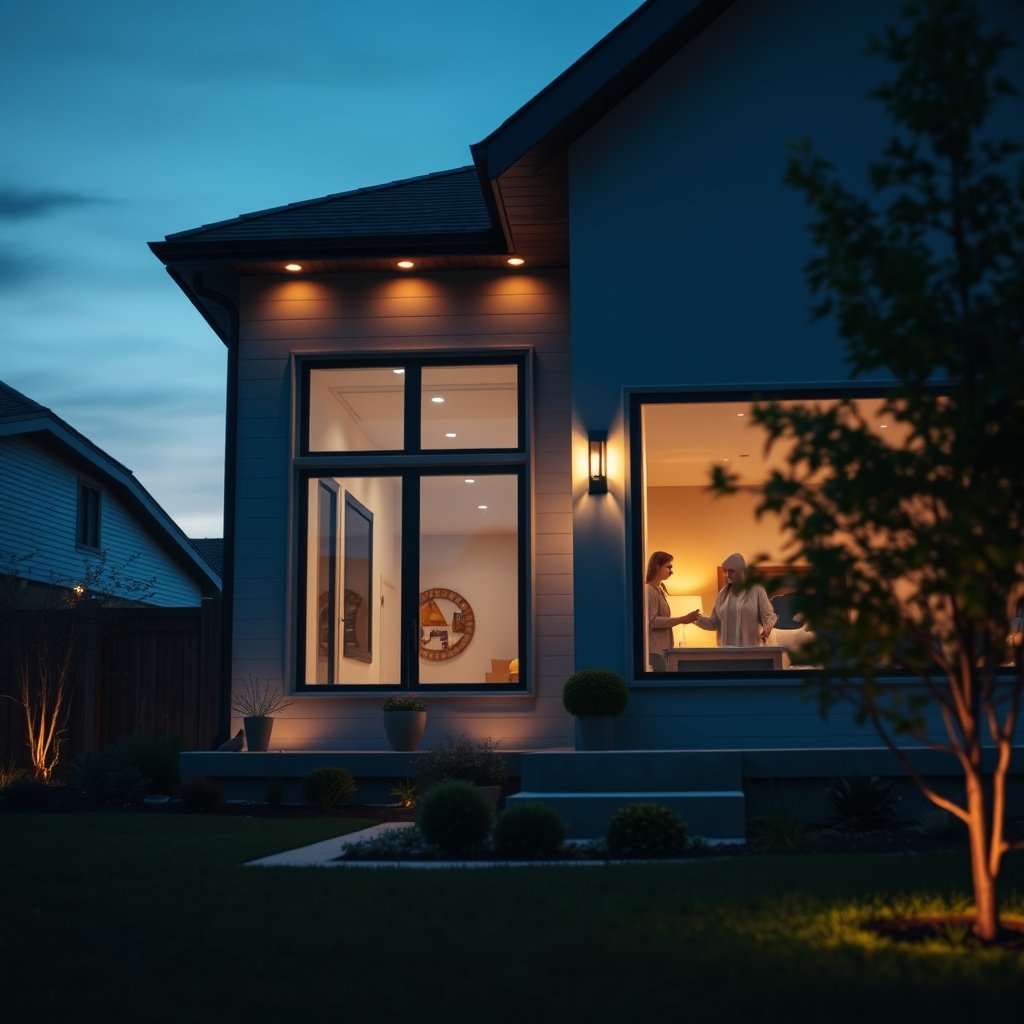
This shift is closely tied to the wider smart home boom, where security cameras, smart doorbells, and digital locks now define how people interact with their homes. AI-powered motion detection, remote viewing via mobile apps, and instant notifications have quickly become standard expectations. Yet, despite their promise, many smart systems still introduce new complexities—not just technical but ethical and practical, too.
Why Homeowners Are Shifting from Wired to Wireless and DIY
The appeal of Smart Home Security Systems is clear, particularly for tech-forward homeowners. Wireless, DIY installation means no drilling, no rewiring, and no coordination with contractors. In 2026, about 51% of U.S. consumers now prefer DIY kits, powering a $25 billion wireless security market—over double the value of its wired counterpart (source).
Here’s how to approach your own upgrade or first-time install:
- Evaluate Your Actual Risks: Urban homes and corner lots often benefit most from visible Outdoor security cameras (83% demand) and video doorbells. For rural or large properties, look for systems with long-range wireless signal and robust battery backup.
- Choose Interoperable Devices: Pick security cameras, video doorbells, and smart locks that play well with your voice assistants and existing smart home devices. Check brands for Alexa, Google Assistant, or Apple Home compatibility.
- Balance DIY Appeal with Support: DIY kits keep costs low and give you more control over your system. However, semi-pro solutions may increase reliability and offer stronger customer support if you anticipate complex setup or future expansions.
- Plan Beyond the Initial Purchase: Consider cloud storage fees for video history, replacement costs for batteries, and any required subscription services from the start.
If you’re interested in broader whole-home upgrades, consider the impact on energy use. Smart cameras, when plugged in 24/7, add to your baseline energy load. See our guide on smart home energy monitors for ways to track and minimize this hidden cost.
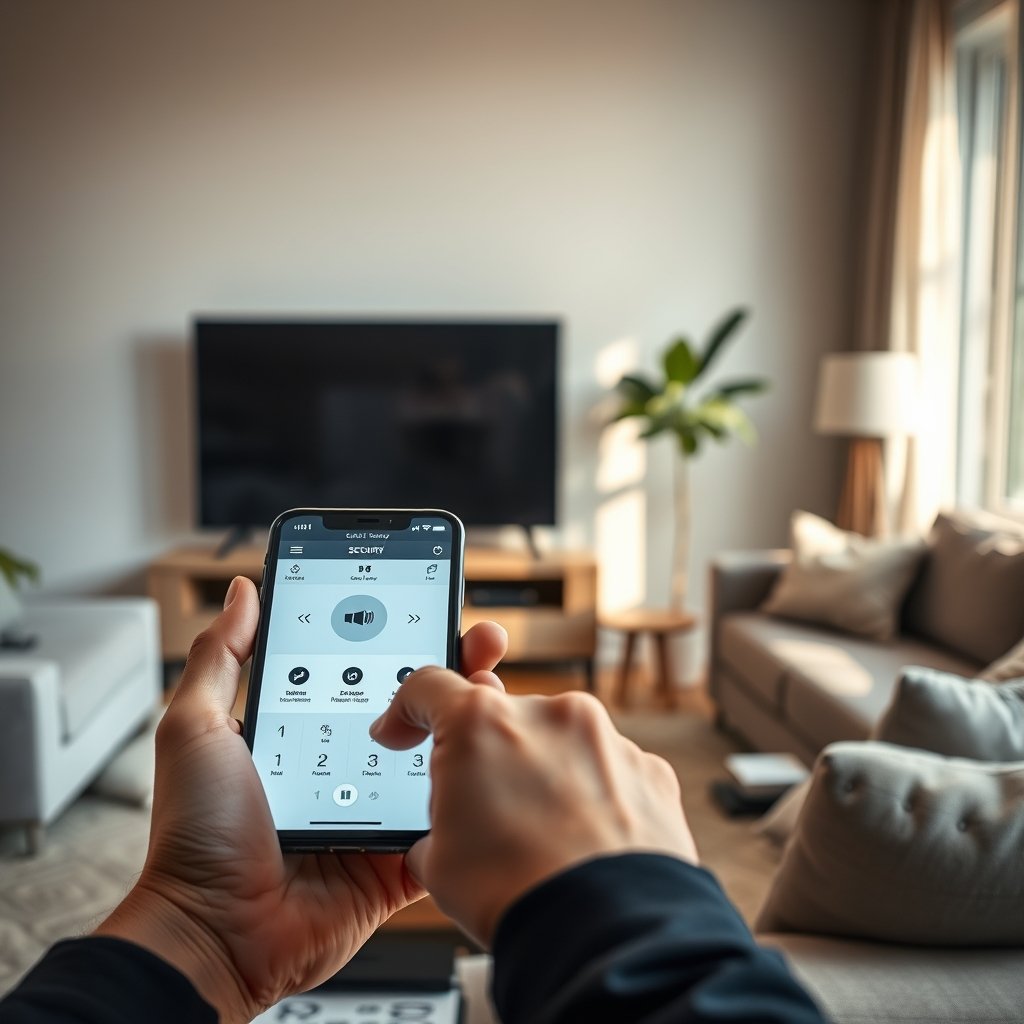
Don’t forget to revisit your insurance policy—many carriers now offer discounts for verified systems, adding value to your home improvement investment. Speaking of upgrades, wireless and modular systems can easily coexist with other projects, like a new butler’s pantry or garage organization—no need to disrupt the rest of your space.
Where Smart Devices Still Fall Short: User Complaints in 2026
Even the best home security systems come with trade-offs. Based on 2026 research, recurring complaints focus on both day-to-day usability and foundational worries:
- Unreliable Wi-Fi: Cameras and doorbells lose signal, resulting in missed footage and gaps in monitoring.
- Frequent False Alerts: Motion sensors get triggered by pets, passing cars, or shifting shadows, creating alert fatigue.
- Expensive or Limited Cloud Storage: Many systems require ongoing subscription fees that add up fast, and historical video may be deleted unless you upgrade.
- Limited Battery Life: Especially for wireless cameras and locks, batteries often fall short of manufacturer promises and require replacement every few months.
- Smart Lock Malfunctions: Electronic locks may fail to unlock—or worse, lock users out—due to dead batteries, motor jams, or connectivity issues.
- Privacy Concerns: Always-on video streaming and offsite data storage introduce real risks of unauthorized access or misuse.
The comparison table below summarizes the differences between smart and traditional security approaches:
| Feature | Smart Home Security Systems | Traditional Wired Alarms |
|---|---|---|
| Remote Access & Mobile Alerts | Yes (via app, real-time) | No, or limited to central station |
| DIY Installation | Supported; tool-free options common | Rare; professional install needed |
| Recurring Costs (Cloud/Monitoring) | High (cloud storage, app features) | Medium (monitoring fees only) |
| Privacy & Data Risks | Higher (video/audio uploaded to cloud) | Low (local alarms, minimal data) |
| Hardware Reliability | Variable; depends on Wi-Fi & battery | High; wired power, dedicated lines |
Some issues can be mitigated with careful selection and setup, but others—like cloud dependence and potential surveillance risks—require deeper scrutiny. For advanced buyers, check the newest smart home devices guide to ensure your system integrates with trusted, updatable platforms.

What “Best Home Security Systems” Lists Are Missing
Many popular “Best Home Security Systems” rankings overlook deal-breaking issues that real homeowners face. Based on user research and current market trends, three critical areas consistently get shortchanged:
- Robust Security & Privacy Safeguards: Look for end-to-end encryption, decentralized login (no more single-password risks), and biometric or two-factor authentication. Most system lists still gloss over privacy—even though 2024’s top buyers are acutely concerned about data leaks (source).
- Reliability & Interoperability: The best home security systems should offer at least 6–12 months of battery life, standardized wireless protocols, and minimize false positives. True interoperability—meaning your security cameras, locks, and smart lighting actually work together—remains surprisingly rare.
- User Experience & Accessibility: Simple setup processes, clear mobile app dashboards, and affordable long-term video storage are all essential but frequently buried at the bottom of review lists. Don’t overlook accessibility features for users with different abilities or tech comfort levels.
Want to keep your home organized and uncluttered as you add new tech? Explore invisible kitchen storage and pocket door cabinets—modern solutions blend security without sacrificing style.
Decision Checklist: How to Evaluate Your Next Smart Home Security System
Before you purchase, use this focused checklist—backed by the latest buyer survey data (source):
- Outdoor security cameras (83% demand): Ensure main entry points, driveways, and yards are covered. Look for adjustable motion sensitivity and night vision.
- Insist on a Video Doorbell (81% demand): Two-way audio and instant notifications are must-haves for most homeowners.
- Mobile Alerts & Intuitive App Interface (77% demand): Test the app before committing—some are far more user-friendly (and reliable) than others.
- Data Privacy & Security: Confirm the vendor supports end-to-end video encryption and strong authentication methods.
- Reliable Power & Battery Life: Opt for models rated at least 6 months’ battery or with wired backup, especially for hard-to-reach places.
- Cloud Storage Transparency: Double-check costs, retention periods, and whether you can store video locally if needed.
- Interoperability with Existing Smart Devices: If you already use a smart energy monitor, lights, or voice assistant, verify compatibility before installing.
- Accessibility Features: Consider systems with voice assistant support for users with low vision or limited mobility.
Making choices based on these real-world factors will help ensure your security upgrade is both effective today and adaptable tomorrow. For a bigger home transformation, see our resources on the best home improvement projects and high-ROI upgrades.
Conclusion
Smart Home Security Systems are now the new norm in American homes, delivering real convenience and flexible control—but reliability, privacy, and usability are too often left to chance. Focus on products offering robust encryption, seamless integration, and truly intuitive design. Review hidden costs, avoid common pitfalls, and build your setup for both today’s needs and tomorrow’s challenges. Ready to secure your home? Start by reviewing the systems that align with your real priorities—then level up your security one step at a time.
Frequently Asked Questions
What’s the #1 feature buyers want in Smart Home Security Systems?
Outdoor security cameras and video doorbells top the list—83% and 81% of shoppers demand these features for proactive home protection and peace of mind.
How can I avoid false alerts from security cameras?
Choose cameras with customizable motion zones and AI-driven detection. Position them to minimize trees, roads, and areas with heavy foot traffic in their field of view.
Are wireless security systems less reliable than wired?
Wireless systems offer flexibility and easy installation, but battery life and Wi-Fi reliability are key factors. For absolute uptime, look for systems that support both battery and wired power.
How do I make sure my videos are private and secure?
Select systems with end-to-end encryption, two-factor login, and transparent data policies. Always use unique passwords and enable device-level PINs where possible.
Can smart security systems integrate with my smart kitchen or energy monitor?
Yes—many top brands support integration with smart kitchens (appliances, lighting) and energy monitors. Choose products with open standards (such as Matter, Z-Wave, or Zigbee) for maximum compatibility.
—