
### Blog Post:
Smart Home Security Systems have quickly transformed from a luxury tech upgrade to a must-have for suburban homeowners serious about safety, convenience, and long-term value. But behind the surge in adoption, making smart, future-proof decisions takes more than just comparing the latest “best of” lists—it means understanding real user pain points, privacy tradeoffs, integration headaches, and true lifetime costs before buying.
Key Takeaways
- Over 61% of US homes use at least one smart security device in 2026, but most DIY buyers struggle with integration and hidden costs.
- User frustrations include false motion alerts, battery limitations, unreliable WiFi, high subscription fees, and privacy concerns—especially with cloud video doorbells and smart locks.
- Your best investment: focus on devices that play well together, offer transparent privacy policies, and do not require expensive subscriptions to deliver essential protection.
- 2026 Snapshot—Smart Home Security Systems Adoption & Market Growth
- What Homeowners Really Want—and Dislike—in Modern Systems
- Evaluating the Contenders—What Defines the Best Home Security Systems in 2026?
- Beyond the Basics—System Integration & Hub Compatibility
- Privacy, Data Security, and Long-term Costs: The Hidden Considerations
- Making Your Choice—A Buyer’s Checklist for Smart Home Security in 2026
- FAQ
2026 Snapshot—Smart Home Security Systems Adoption & Market Growth
Smart Home Security Systems are now mainstream in the US. In 2026, about 61% of households—over 75 million homes—use security cameras. Video doorbells are present in 48% of houses (about 59 million), and 30% have invested in smart alarm systems, according to recent industry research. Globally, the smart home security market has ballooned to $58 billion and continues to grow at an 8.5% to 12.5% CAGR, fueled by concerns over theft, easy DIY installation, robust wireless connectivity, and a desire for real-time alerts when family safety is at stake.
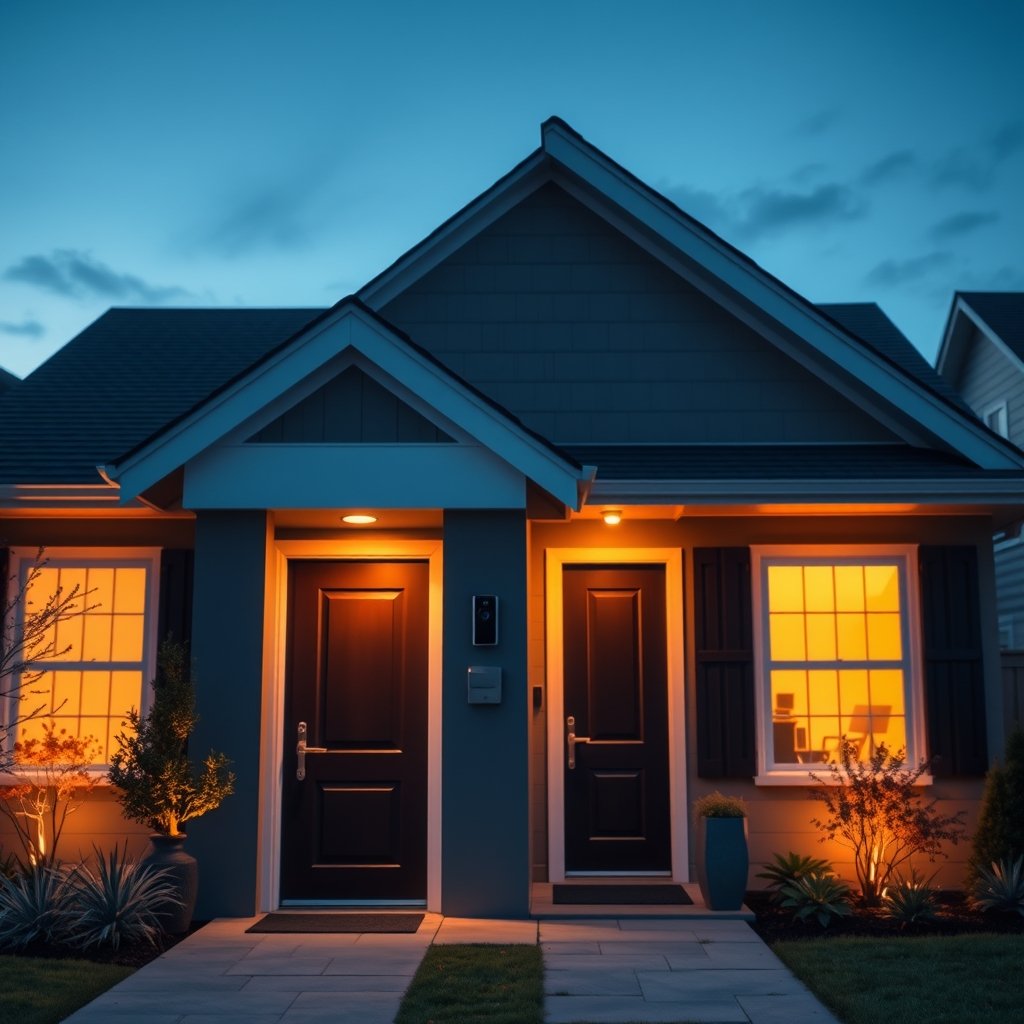
Homeowners aren’t just installing more hardware—they are demanding smarter features and seamless integration with their routines. Many are shifting from traditional monitored services to self-managed options, prioritizing flexibility and control. Understanding what drives this adoption—and where the market is heading—means looking beyond marketing claims and really digging into what these systems do for (and sometimes to) the people who rely on them every day.
What Homeowners Really Want—and Dislike—in Modern Systems
When you scan thousands of user reviews and home security forums, clear trends emerge. Homeowners appreciate flexibility: straightforward DIY installs, easy expansion, and systems that work with existing smart devices. The most valued features include smart locks with biometric or keyless entry, AI-driven motion alerts for security cameras, and crisp, responsive video doorbells.
But technology doesn’t always deliver on its promises. Here are the most common pain points reported by real users:
- security cameras: False motion alerts (pets, wind, passing cars), struggles with night vision/low light, and unreliable recording if internet connectivity drops.
- Video doorbells: Short battery cycles, charging hassles, lagged notifications, and cloud video storage fees that add up over time.
- Smart locks: Motor failures, battery outages locking people out, app connectivity hiccups—especially with third-party hubs.
- All devices: High ongoing subscription costs, unclear privacy policies, and growing discomfort with footage or access logs shared outside the household or with law enforcement.
According to market analysis, these issues are the top cited reasons for dissatisfaction or lost trust. It’s vital to weigh both the convenience and the ongoing frustrations before investing.
Evaluating the Contenders—What Defines the Best Home Security Systems in 2026?
In 2024, the best home security systems deliver more than basic alerts—they provide robust real-time monitoring, protect family privacy, and integrate across your smart devices. Nearly 50% of buyers now choose to install these systems themselves, seeking value, flexibility, and customization unavailable in older, dealer-installed setups.
Must-have features for most US homeowners include:
- DIY-friendly setup, flexible expansion to add devices over time
- AI-powered alerts with filtering for people vs vehicles/animals
- Biometric or keyless entry smart locks compatible with major platforms (Google, Alexa, Apple HomeKit)
- Encrypted, cloud-independent options for privacy-minded users
- Mobile apps with easy video and event reviews
The fastest-growing segment in this space is smart locks with biometric and voice assistant integration—especially models that allow for easy code changes and hands-free entry. Leading brands such as Arlo, Eufy, and Yale dominate user-driven reviews thanks to reliable hardware and a measured approach to data privacy.
When comparing systems, always check not just the feature sheet but also the brand’s record with data leaks, cloud outages, and customer support. For those seeking whole-home integration, companies that specialize in open standards—allowing for cross-device compatibility—are generally a safer bet than closed, proprietary ecosystems.
Beyond the Basics—System Integration & Hub Compatibility
Integration and compatibility are often afterthoughts in most “best of” lists but quickly become a frustration once you try connecting door locks, alarm sensors, video doorbells, and security cameras from different brands. If your system requires switching between multiple apps or cannot automate what happens when, you lose the very convenience smart devices promise.
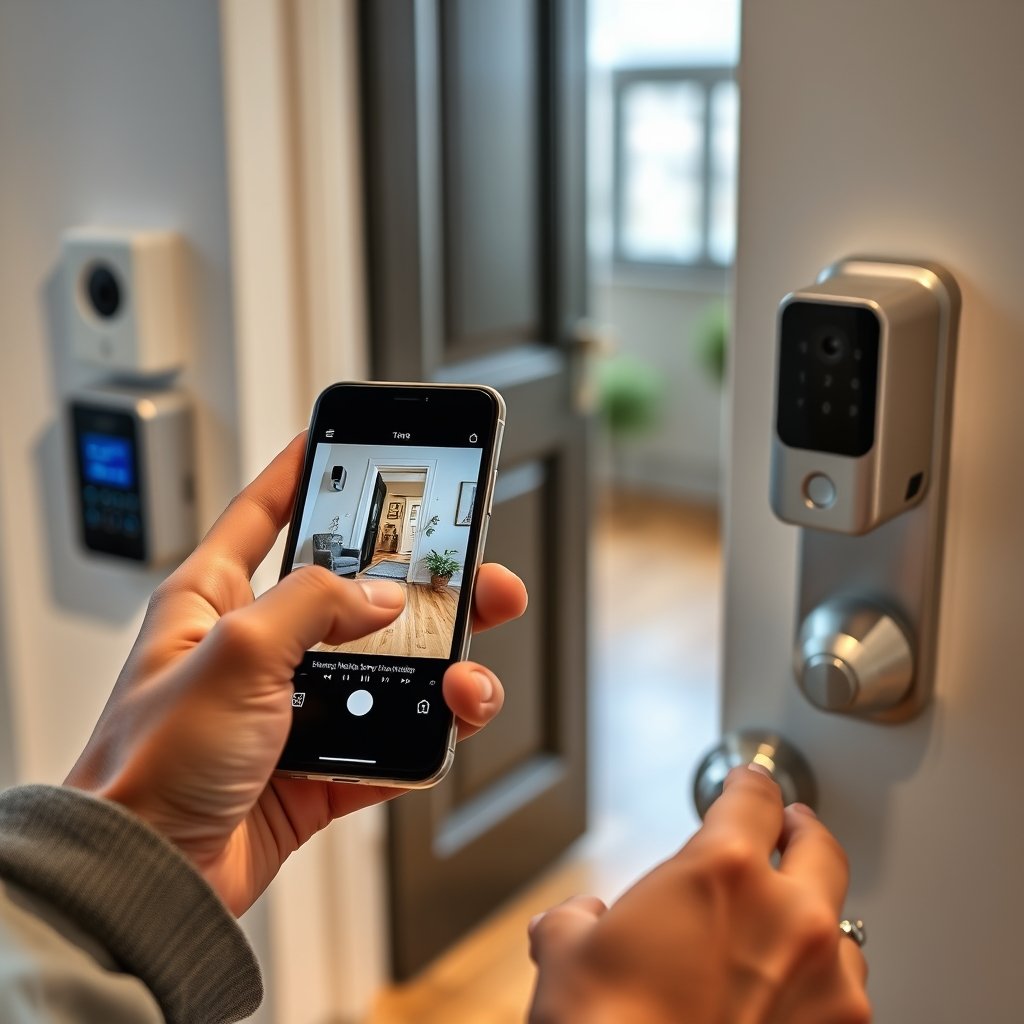
True “whole home” control depends on interoperability. For example, a security event (motion detected at the front door) should trigger both a notification and, optionally, smart lighting or an alert sound elsewhere in the house. Many mainstream kits fail here by only partially supporting open standards like Matter or Z-Wave.
Some systems promise voice assistant support but only deliver partial control—check user forums carefully. A robust hub or universal controller can resolve many headaches and increase system reliability long after the initial setup.
Privacy, Data Security, and Long-term Costs: The Hidden Considerations
The hidden costs of smart home security systems aren’t just about subscription fees. Privacy remains a growing worry in 2026, especially as video doorbells and security cameras stream footage to the cloud. Many brands now include “fine print” policies for sharing video or user data with law enforcement, sometimes without explicit notice.
Battery-powered smart locks, video doorbells, and wireless cameras all require regular charging or battery swaps, and many models use proprietary batteries that are expensive to replace. Over three to five years, these maintenance and upgrade costs can add up—often exceeding the up-front price of the hardware.
Here’s a quick breakdown of ongoing ownership costs and privacy risks:
| Consideration | Potential Cost/Impact | What to Look For |
| Cloud video storage | $3–$20 per month/device, often required for full functionality | Local storage (microSD/NVR), transparent pricing, optional plans |
| Battery/Power upkeep | $15–$50 per year per device in batteries/upgrades | Long battery life, replaceable batteries, hardwired options |
| Data privacy practices | Invasive sharing, surprise law enforcement access | Clear opt-out options, open privacy policy, local video only |
| Software support | Device end-of-life, lack of critical updates after 3–5 years | Brands with strong security update history, open API |
Recent independent reviews highlight that popular brands may prioritize rapid feature launches over secure data handling. Make privacy, device longevity, and maintenance part of your buying decision—not just initial price.
Making Your Choice—A Buyer’s Checklist for Smart Home Security in 2026
Smart Home Security Systems work best when you balance features with real-world usability and total ownership cost. Here’s a checklist to streamline your decision:
- Know your priorities: Are you most concerned with break-ins, package theft, remote access, or daily peace of mind?
- Set a realistic budget: Include initial hardware, required cloud plans, and 3-year maintenance costs.
- Audit your home’s connectivity: Check WiFi strength at camera/lock locations; consider mesh boosters if needed.
- Pick devices that speak the same language: Confirm smart locks, cameras, and sensors all support your chosen smart hub.
- Look for transparent privacy policies: Opt for brands with clear statements about data usage and local storage options.
- Plan for the future: Favor products that can be updated remotely and easily swapped or expanded.
Want a deeper dive into tech-forward living? See how other smart devices can complement your security setup, or review energy-efficient home upgrades alongside your security plan.
For hands-on homeowners, explore DIY home improvement tips or consider top-rated tools for easy maintenance. Curious about modern kitchen trends that hide clutter and boost resale? Our guide on invisible kitchen designs offers inspiration for seamless living.
Reference the latest adoption statistics to double-check whether your neighbors are ahead of the curve. Remember: the best home security system in 2026 is the one that not only fits your life today, but keeps up with your needs tomorrow—without hidden drawbacks.
FAQ
What smart home security system is the most reliable for DIY homeowners?
Brands like Arlo, Eufy, and Yale top most DIY-friendly lists thanks to strong app support, reliable hardware, and clear setup instructions. Always check compatibility with your chosen hub and prioritize local storage if you want to skip subscriptions.
Are video doorbells and cloud cameras truly private?
Not always. Some brands may share footage with law enforcement or third parties. Look for companies with strong privacy policies and local storage options (like microSD cards) if privacy is a priority.
How much will I really spend each year maintaining my system?
Budget $50–$150 per year for subscriptions, plus $15–$50 yearly for batteries or hardware updates per device. Prices vary—buying local storage options and hardwired devices can reduce long-term outlay.
Can I mix and match brands, or does everything have to match?
You can often mix brands if they support open standards like Matter, Z-Wave, or Zigbee. For ultimate flexibility, consider using a central hub or universal controller that bridges across different brands.
Are there alternatives to cloud subscriptions for video recording?
Yes. Several brands offer local storage via microSD cards or local network video recorders (NVRs). This can eliminate subscription fees—just make sure your chosen devices fully support these modes before buying.