

### Blog Post:
Energy Efficient Home upgrades have become one of the smartest ways for Americans to lower utility bills and increase home comfort, but myths and confusion still make the process harder than it should be. Many homeowners wonder how much they’ll realistically save in 2026, what retrofits actually pay off, and how to tackle common obstacles—especially in older properties. This guide analyzes the numbers, solutions, and tricks you won’t find elsewhere.
Key Takeaways
- You can cut energy costs by $200-$1,000 annually with the right energy efficient home investments—especially by add attic insulation and seal air leaks, adding insulation, and upgrading appliances.
- Older homes pose unique retrofit challenges, but new rebates, financing options, and skilled contractors can help overcome them.
- Don’t skip incentives or technology integration—comprehensive planning is key to maximizing both savings and comfort.
- How Much Can You Really Save? Real 2026 Numbers on Energy Efficient Home Upgrades
- Top Energy Saving Tips: Practical Upgrades That Deliver Results
- Overcoming the Challenges of Retrofitting Older Homes for Energy Efficiency
- Don’t Miss These: 3 Overlooked Topics in Energy Efficient Home Content
- Unlocking Incentives and Maximizing Payback
- Is Solar Right for You? Integrating Solar Energy with Home Efficiency Upgrades
- Conclusion
- FAQ
How Much Can You Really Save? Real 2026 Numbers on Energy Efficient Home Upgrades
Energy efficiency upgrades are an investment, not a gamble. In 2026, U.S. households that add attic insulation and seal air leaks, and install ENERGY STAR rated appliances typically cut utility bills by 5 to 12 percent yearly—around $200 to $400 off the average $2,000 energy bill. Programs like Xcel Energy’s Minnesota pilot have delivered about $1,080 in annual natural gas savings per home via aggressive weatherization. Replacing a standard water heater with a install a heat pump water heater saves around $550 per year for a four-person household, especially impactful as water heating is the second-highest energy user in most homes. This means that with a coordinated approach, your energy efficient home can pay you back faster than you might expect.
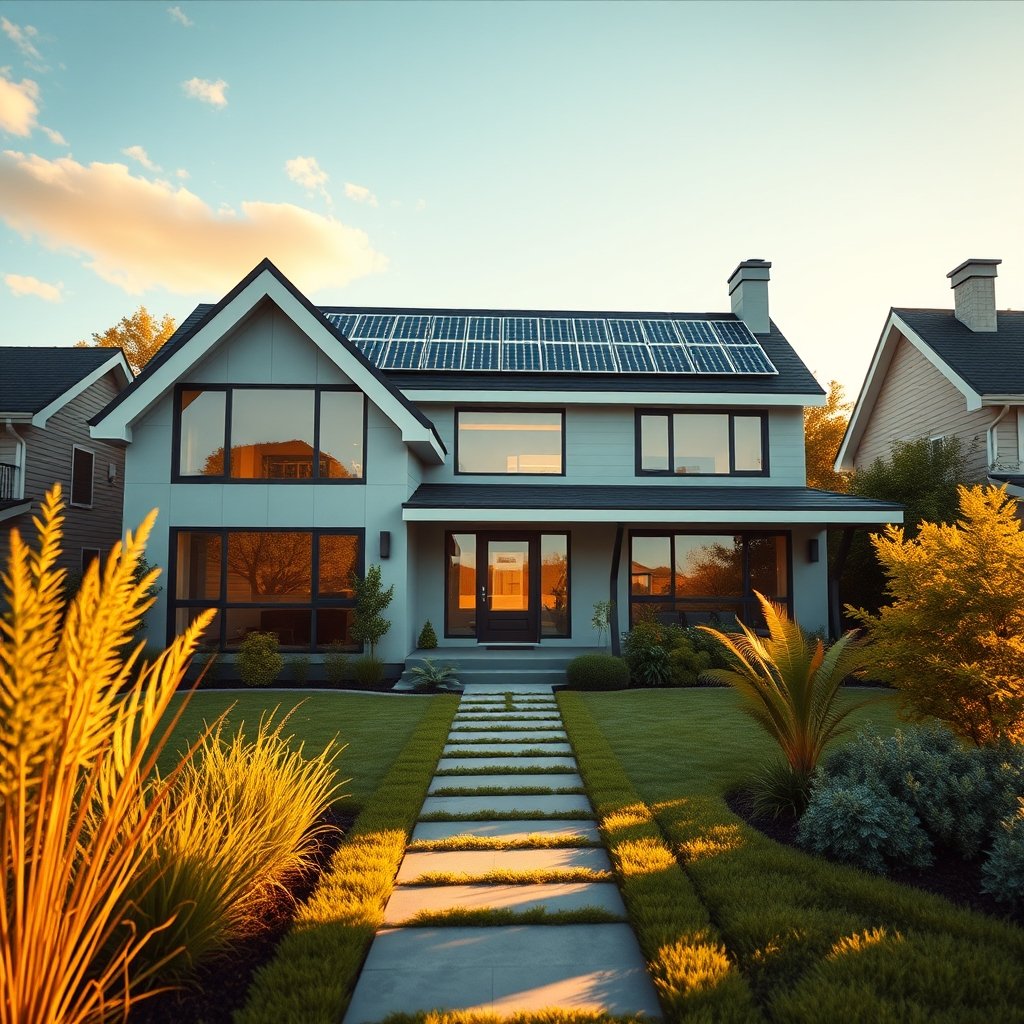
The secret is compounding small improvements. Combine air-sealing, attic insulation upgrades, and appliance swaps, and most mid-to-upper income families see significant reductions in energy bills while boosting resale value. According to market research, energy efficient homes often sell for 2 to 8 percent more than homes with higher utility costs—a win both short and long term.
Top Energy Saving Tips: Practical Upgrades That Deliver Results
Let’s focus on the specific energy saving tips and projects proven to deliver the biggest bang for your buck.
- add attic insulation and seal air leaks: This can save up to 10 percent on annual energy bills. Most heat loss in older homes happens in attics and crawlspaces.
- Upgrade to ENERGY STAR appliances: ENERGY STAR refrigerators, washers, and dishwashers use 10 to 50 percent less energy than older models, offering hundreds in annual savings.
- install a heat pump water heater: For a typical four-person home, this can slash water heating costs by about $550 per year (ENERGY STAR).
- Weatherstrip doors and windows: Prevents cold air from seeping in and dramatically boosts comfort as well as energy savings.
- consider smart thermostats: Devices such as those reviewed in our Smart Home Devices Guide allow better control of energy use, without compromising comfort.
Despite hype, not every so-called upgrade pays back. For example, high-end windows may take decades to recoup their expense unless part of a larger, leaky-buildings package.

Insulation hacks? Blown-in cellulose and spray foam retrofits often work best for old homes with oddly-shaped cavities or inaccessible spaces. If your kitchen feels drafty, complement insulation work with concealed appliance strategies to minimize energy loss. For more space-saving yet efficient solutions, consider pocket cabinet ideas.
Finally, work these upgrades into planned remodels—like those explored in our Home Renovation Guide—for seamless results and better return on investment.
Overcoming the Challenges of Retrofitting Older Homes for Energy Efficiency
Upgrading a pre-1980s house is nothing like working on new construction. Common retrofitting challenges include high upfront costs, fragmented incentives, few low-interest financing options, shortage of qualified contractors (especially for tight, historic, or preservation-restricted buildings), and differing codes between municipalities. Many of these homes suffer from difficult or unsafe access to critical places like attics, crawlspaces, or knob-and-tube wiring zones.
| Retrofitting Barrier | Impact | Solution |
|---|---|---|
| High Upfront Costs | Delays or cancels improvements despite long-term ROI | Leverage rebates, staged upgrades, or low-interest financing |
| Fragmented Incentive Programs | Homeowners miss or underutilize available support | Use comprehensive online tools and energy advisors |
| Contractor Shortage | Inflated prices and long wait times for older homes | Get multiple bids, check for historic/energy expertise |
| Code/Preservation Restrictions | Limits what work can be done and how | Involve local building officials early, seek variance/waivers |
Studies show electrifying the right systems first (like water and space heating) is far more cost-effective than cosmetic upgrades (ACEEE report). This means targeted upgrades—matched to your home’s structure—work best, especially for those on a budget.
Don’t Miss These: 3 Overlooked Topics in Energy Efficient Home Content
Most guides gloss over key topics that can make or break your project:
- Comprehensive financing and incentives: Go beyond tax credits. Many utilities, states, and even federal programs now stack rebates and grants. For official IRS treatment of current energy-efficient incentives, see this IRS page.
- Special strategies for old and historic homes: Blown-in insulation and vapor-permeable air-sealing let you upgrade without violating preservation laws. Seek contractors with experience on vintage homes and get advice from local preservation agencies when mixing old and new systems. Related: explore how limewash finishes can reduce mold and moisture issues, further protecting older structures.
- Technology integration is now essential: Smart energy monitors, paired with solar panels, optimize usage in real time. Installing these alongside upgrades adds up to more dramatic savings and improved comfort (see our monitoring guide for device options).
The three dominant trends now are whole-home weatherization, heat pump electrification, and the rapid expansion of incentive and financing mechanisms to help more homeowners participate (ACEEE analysis).
Bundling upgrades—like combining a new heat pump, insulation, and smart thermostat—often unlocks bigger rebates or faster approvals through your utility or municipality.
Unlocking Incentives and Maximizing Payback
One of the most powerful ways to make your energy efficient home project affordable: nail your rebate and incentive strategy. Here’s how:
- Research federal, state, and utility programs: Start with ENERGY STAR’s federal tax credit page and your local utility’s website. Many states offer unique add-ons—sometimes thousands in additional rebates.
- File for all eligible rebates: Don’t leave money on the table. Ask every contractor and supplier about available upfront rebates and how to file.
- Stack incentives: In many cases, you can use federal tax credits with state or utility programs. Be aware of tax implications—some state incentives must be reported as income. Learn more from the IRS.
- Plan for maximum ROI: Schedule multiple upgrades together when possible. This often secures deeper discounts and maximizes your project’s impact.
Utility rebates, tax credits (available through at least 2025), and state programs together reduce upfront costs by up to several thousand dollars for qualifying projects (Scope Zero research).
For a broader look at upgrades that pay off in comfort and value—not just efficiency—see our Home Improvement Ideas guide.
Is Solar Right for You? Integrating Solar Energy with Home Efficiency Upgrades
Should you combine solar panels with other energy-efficient upgrades? In 2026, interest is high: 17 percent of homeowners cite energy independence packages—solar, EV charging, and smart home upgrades—as a main motivator.
Here’s when it makes sense to go solar:
- Your roof receives regular, unobstructed sunlight.
- You’ve already taken care of basic envelope upgrades (sealing, insulating, new appliances), so every kilowatt saved is maximized.
- You want to layer federal solar tax credits (currently 30 percent), local incentives, and favorable net metering policies for the biggest payback.
Combining solar energy systems with smart monitoring and high-efficiency appliances amplifies both savings and comfort. For more on how smart tech can supercharge your savings, visit our energy monitor guide.
Solar makes the most sense as a final step—after you’ve already tackled major efficiency leaks. Think of it as part of a holistic, long-term energy strategy that includes weatherization, appliance upgrades, and smart controls.

Conclusion
U.S. homeowners—especially those with older houses—can transform comfort and significantly lower utility bills by making a few strategic energy efficient home upgrades. Prioritize sealing, insulation, and targeted appliance upgrades first, then layer in smart monitoring and solar for best results. The most successful projects leverage all available rebates, clear planning, and practical solutions tailored to your home.
Ready to start? Download our home maintenance checklist and get a personalized action plan today.
FAQ
How long does it take for energy efficient home upgrades to pay off?
The payback period varies by project, but most air-sealing and insulation pay for themselves in 2 to 5 years. Appliances like heat pump water heaters may recoup costs in 2 to 4 years, thanks to utility savings and rebates.
Are there any downsides to retrofitting an old home?
Older homes can be challenging due to hidden issues (old wiring, moisture, code limits). Expect possible surprises in labor or materials costs. Always schedule a detailed energy audit before starting major work.
Can I combine multiple rebates, or do they cancel each other out?
Federal, state, and utility rebates can often be stacked, but some have reporting or eligibility rules. Check terms carefully and consult your contractor or local energy office for clarity.
Is solar always worth it?
Solar is most cost-effective if you’ve already optimized your home’s efficiency—otherwise, you’re just offsetting waste. Evaluate your roof, existing utility costs, and available incentives before going solar.
What’s the easiest first step to get started?
Book a professional energy audit with your local utility. It will identify your home’s specific weak points, letting you target upgrades for maximum ROI and comfort.

[…] Most homes recoup the cost of these upgrades over several years, thanks to ongoing energy savings and government incentives. Plus, an energy efficient home often sells for a premium—by as much as 2 to 8% over typical listings. For more comprehensive tips, see our energy efficient home upgrades guide. […]
[…] Certain problems only surface months later or after a seasonal humidity swing—these aren’t just cosmetic, either. They affect long-term satisfaction and maintenance bills. Planning for durability? See how flooring fits into whole-home resilience in our energy-efficient home upgrades guide. […]
[…] looking for smart home upgrades, see our guides on valuable home improvement ideas and energy efficient improvements to get more from your […]
[…] to make your home future-proof? Dive into guides on home renovation costs, energy efficiency, or common home improvement mistakes to start planning smarter […]
[…] into tech-forward living? See how other smart devices can complement your security setup, or review energy-efficient home upgrades alongside your security […]
[…] Energy Efficient Home Upgrades […]
[…] to pair security with savings? These energy efficient home upgrades can help lower utility bills while making your home safer and […]
[…] about energy efficiency, too? Check out our Energy Efficient Home guide for more ways to protect your home and […]
[…] For practical guides on organizing related tech and home improvement devices, see our tips for garage storage or our energy-efficient upgrades. […]
[…] For even more practical advice on boosting your property value and efficiency, explore our home efficiency guide. […]
[…] energy savings are also a priority, see our energy-efficient home upgrades article for advice on keeping both air quality and bills in […]
[…] for more inventive solutions for comfort or efficiency? Check out our deep dive on Energy Efficient Home Upgrades and learn how sealing, insulation, and smart monitoring can help you curb utility costs […]