
### Blog Post:
Smart Home Security Systems are shifting from niche gadgets to must-have essentials for safety-conscious homeowners and renters. Awareness of privacy risks and real-world effectiveness is driving this rapid surge—so what really works, what’s worth your money, and what vulnerabilities aren’t being talked about enough? Let’s break it down with current data, scenario-based advice, and blunt findings most “best home security system” guides skip.
Key Takeaways
- Nearly every US household now owns at least one device from Smart Home Security Systems—security cameras and video doorbells are leading the adoption wave, but integration and privacy remain sticking points.
- DIY options are affordable but professional systems deliver peace of mind; both can be vulnerable to hacking, weak network setups, and default credentials if not secured properly.
- Real deterrent effect is proven—yet user complaints and oversights about ecosystem lock-in, false alarms, and privacy flaws are widespread. Choosing wisely means looking past simple feature lists.
- What’s New in Smart Home Security Systems for 2026?
- How Much Do Smart Home Security Systems Really Cost?
- Effectiveness: Do Smart Home Security Systems Actually Deter Crime?
- The Biggest Complaints and Vulnerabilities: What Users Wish They Knew
- 2026’s Best Home Security Systems: Brands Compared by Real-Life Scenarios
- What Most “Best Home Security” Articles Miss: Critical Scenarios and Edge Cases
- Smart Security Setup Checklist for 2024: Avoiding Regrets
What’s New in Smart Home Security Systems for 2026?
The smart security market exploded in 2026. According to recent industry surveys, 93% of US households have at least one smart home device. Security cameras are now installed in 52% of homes, video doorbells in 45%, and smart locks in 20%. The smart home security market ballooned to $32.5 billion, reflecting mainstream adoption that goes far beyond early tech enthusiasts.
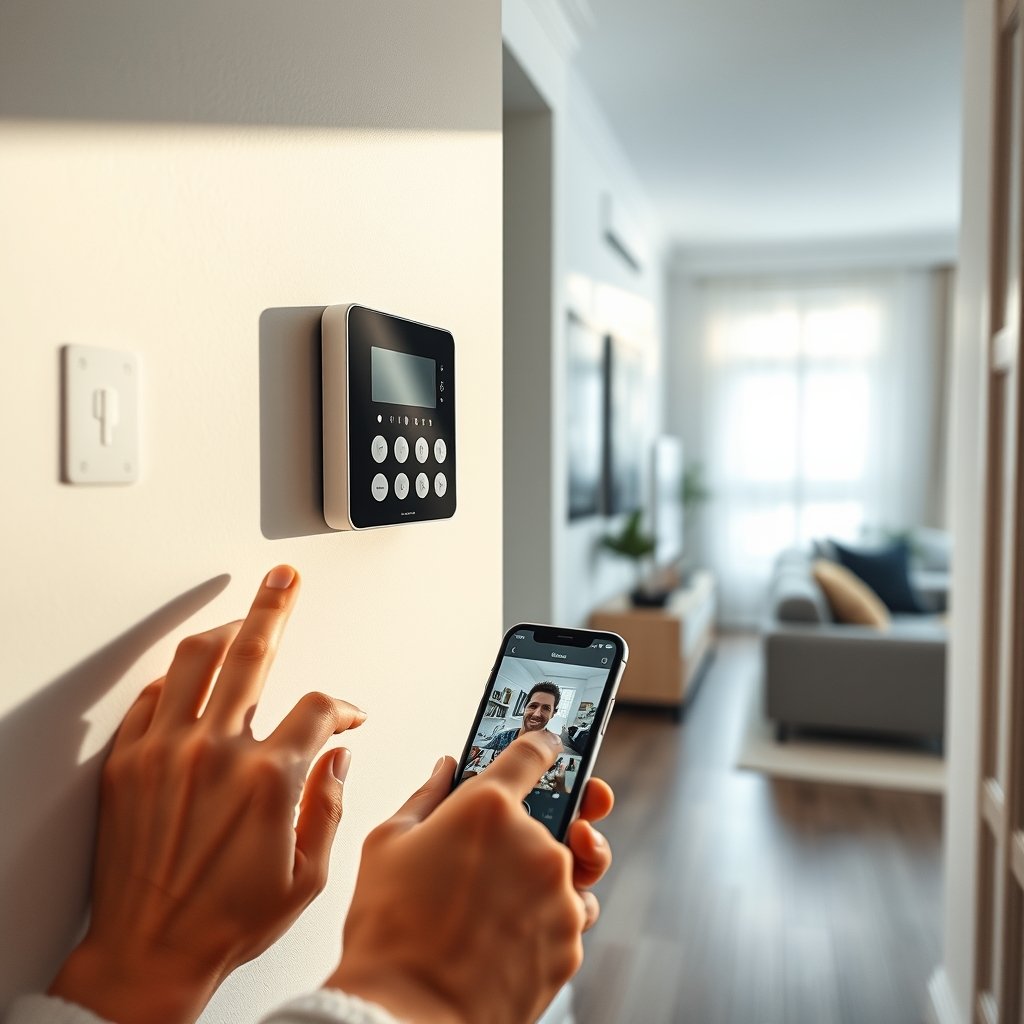
These systems are no longer standalones—they are integrated with other devices to boost real-time monitoring, energy savings, and convenience. Unlike five years ago, leading options now offer mobile-controlled automation, AI-driven motion detection, and instant notifications to your phone or smartwatch.
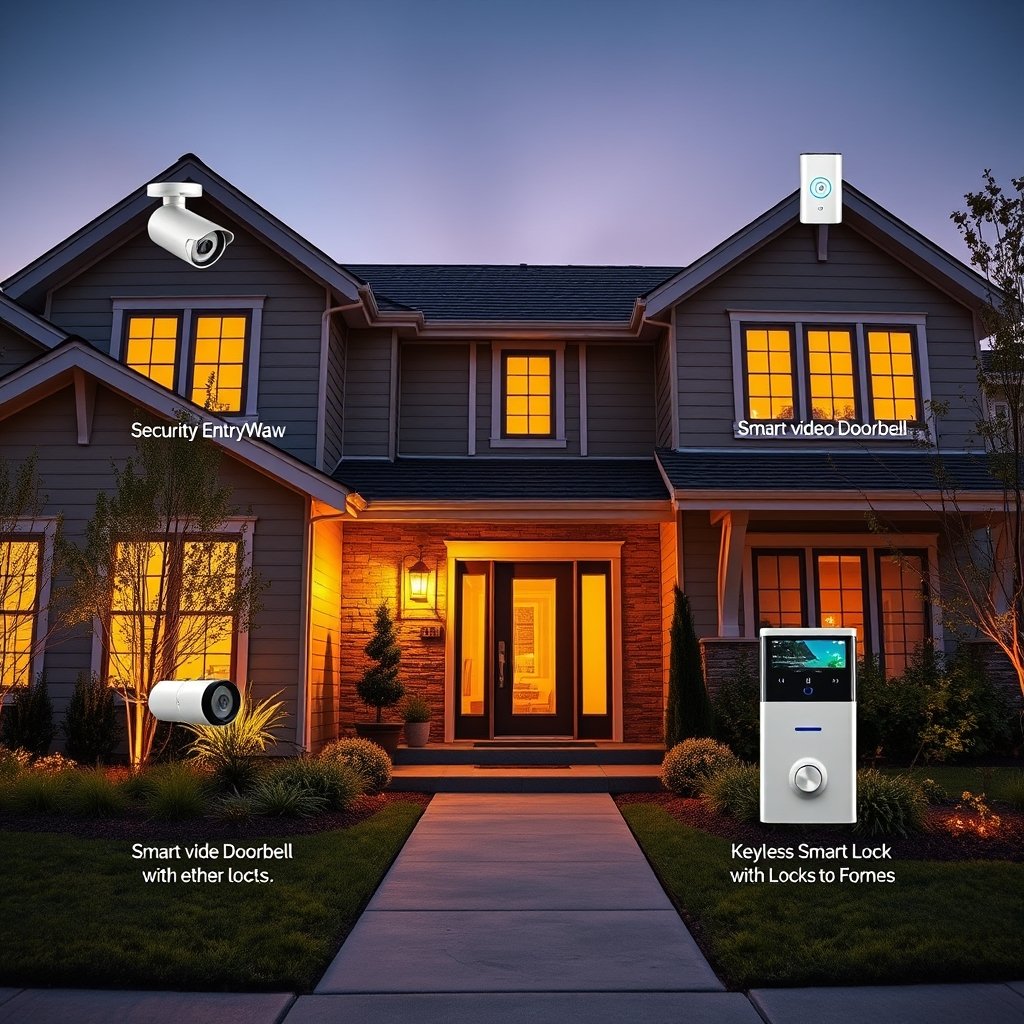
This mainstreaming, however, comes with higher expectations. Users demand intuitive controls, seamless integration, and strong privacy guarantees—often not delivered evenly across brands or system types. With more data collected, privacy scrutiny and regulations are intensifying. Meanwhile, the boom in smart device ownership is pushing new vulnerabilities into everyday households.
For homeowners seeking efficiency across their entire property—be it with other smart home devices or modern invisible kitchen upgrades—these changes are reshaping what’s now possible and what’s at risk in the connected home.
How Much Do Smart Home Security Systems Really Cost?
Cost is often glossed over in “best system” lists but is a key decision-driver. In 2026, most DIY smart home security kits range from $200 to $800, depending on device count and sensor types. Professional installation charges typically start at $100 and can climb to $500 or more for complex properties. Ongoing professional monitoring averages $30–$50/month—a decade-high, but often required for insurance discounts or advanced features.
Entry-level systems might look attractive but often lack robust security cameras or flexible automation found in higher-tier kits. Upgrades—like wireless cameras, extra door/window sensors, or cloud storage—can quickly double your initial spend. Beware that some providers lock crucial features (such as remote arming or video event history) behind higher monthly fees.
Want flexibility? Some tech-savvy homeowners build hybrid systems: combining affordable DIY hardware, like Ring or SimpliSafe, with higher-end components for key areas. This approach requires research but gives more fine-tuned control and helps avoid future regret, especially if you’re also interested in DIY home improvement upgrades.
Effectiveness: Do Smart Home Security Systems Actually Deter Crime?
The big question: Do these systems actually prevent break-ins? Multiple studies confirm that the presence of a monitored alarm or visible security camera deters approximately 60% of would-be burglars. Seasoned intruders often avoid properties with yard signs, window decals, and obvious surveillance gear.
Integration with smart lighting or simulated occupancy modes further improves effectiveness—flashing lights or turning on music remotely can trick criminals into thinking someone is home. Real-time mobile notifications also reduce emergency response times, which can limit damage or loss.
However, effectiveness drops sharply if cameras are poorly placed, Wi-Fi is weak, or monitoring lapses due to lapsed subscriptions. There’s also a difference between local-only alarm systems and those backed by 24/7 professional monitoring: law enforcement typically prioritizes verified alarms sent by monitoring centers above DIY notifications.
The Biggest Complaints and Vulnerabilities: What Users Wish They Knew
No system is flawless. The most common complaints in 2026 include:
- Unreliable connectivity: Spotty Wi-Fi or Bluetooth can render cameras and smart locks useless.
- False alarms: Pets, holiday decorations, or passing cars trigger unwanted alerts, leading to alarm fatigue.
- Integration headaches: Many affordable systems don’t play well with third-party devices. Some are limited exclusively to Amazon Alexa, while others only support Zigbee, Z-Wave, or Apple HomeKit.
- Battery and power issues: Wireless cameras and smart locks frequently run out of power faster than advertised—something you’ll notice at the most inconvenient moment.
- Privacy and hacking fears: Over half of users worry about data collection. 46% of surveyed homeowners fear hacking. Common vulnerabilities are weak Wi-Fi encryption, outdated firmware, easy-to-guess passwords, and poorly configured privacy settings.
In fact, there have been documented incidents of camera hijackings, signal-injection attacks on smart locks, and doorbell video feeds intercepted due to insecure setups. Firmware flaws and default logins remain favorite targets for cybercriminals.
If you already rely on home upgrades elsewhere, it pays to apply the same rigor to securing your entry points.
2026’s Best Home Security Systems: Brands Compared by Real-Life Scenarios
It’s not just about specs, but matching a system to your real priorities. Here’s how the top providers stack up based on strengths and actual user needs:
| Brand | Best For | Strengths | Weaknesses | Integration |
|---|---|---|---|---|
| ADT | Professional monitoring | Decades of credibility, robust monitoring, insurance discounts | Setup costs, less customization, contracts | Works with Alexa, Z-Wave, some smart home hubs |
| SimpliSafe | Easy DIY install | Modular, fast setup, good app, flexible plans | No outdoor sirens, limited high-end automation | Alexa, Google Assistant, basic integrations |
| Vivint | Automation & ecosystem | Seamless smart home automation, voice control, mobile-first | Higher upfront cost, pro install only, relies on their ecosystem | Z-Wave native, limited Zigbee, mobile platforms |
| Cove | Affordability | Budget starter kits, quick support, no contracts | Less robust Smart Home integration, camera limitations | Some Google, Alexa, but not as broad |
| Ring Alarm | Integrated video | Wide range of affordable cameras, easy to expand, intuitive app | Amazon-centric, limited privacy controls, cloud subscription push | Best with Alexa, basic Google integration |
| Abode | Third-party device support | Full Z-Wave/Zigbee hub, wide compatibility, supports Apple HomeKit | More complex setup, minimal professional monitoring options | Works with almost everything |
For flexible integrations, Abode and Vivint stand out—especially for tech enthusiasts wanting deep automation and future-proofing. Ring Alarm is strong for those already committed to Amazon Alexa, but privacy controls are basic. SimpliSafe offers the best balance of ease and reliability for renters or new homeowners. ADT is hard to top for those who want zero-nonsense, monitored response, despite contract commitments.
For more details on balancing system costs—and how these decisions fit into your larger home renovation plan—compare your actual daily needs, not just lists of features.
What Most “Best Home Security” Articles Miss: Critical Scenarios and Edge Cases
Most “best home security” roundups gloss over how systems perform in less typical settings. Here’s where things get real:
- Renters and smart apartments: Many landlords prohibit drilling/installation—look for peel-and-stick sensors, battery-powered cameras, and systems that don’t penalize early relocation (like SimpliSafe, Cove, or Ring).
- Rural properties: Wide-open lots present Wi-Fi challenges; choose systems with cellular backup and extended wireless ranges.
- Third-party ecosystem demands: If you want to connect to existing smart home energy monitors or advanced automations, study integration specs closely. Abode leads with Z-Wave/Zigbee support, Vivint performs best for tightly integrated automation, while Ring offers the most Alexa-centric experience.
- Privacy by design: Few guides mention physically securing cameras facing public spaces, disabling cloud recording by default, or adjusting in-app privacy settings before use.
If you’re tackling a major remodel or building a security-centric kitchen, cross-reference your system choice with trends like hidden storage or affordable home upgrades to keep things cohesive and functional.
Smart Security Setup Checklist for 2026: Avoiding Regrets
Here’s a no-nonsense checklist to tackle selection, setup, and security for smart home security systems, including common complaints from real users:
- Assess Wi-Fi strength throughout your property—add mesh coverage if needed.
- Always change default credentials; use strong, unique passwords for every account.
- Activate automatic firmware updates on all devices (cameras, locks, hubs).
- Choose security cameras and smart locks with local storage when possible—limit unnecessary cloud uploads.
- Test cameras with pets, outdoor activity, and at night to minimize false alarms.
- Carefully review privacy settings—disable geotagging, unnecessary integrations, and review permissions regularly.
- Sketch your main entry points and cover all windows/doors with appropriate sensors.
- Check system compatibility with existing platforms (Alexa, Google, Apple, Z-Wave, Zigbee) for future integration flexibility.
- Consider professional monitoring if you want police/fire response—DIY notifications are often ignored.
- Read the fine print: avoid long-term contracts unless you truly need advanced monitoring and support.
These steps address the biggest vulnerabilities and buyer complaints discovered during 2026’s adoption boom. If you approach setup with the same care as recent home maintenance checklists, you’ll avoid the most regretted mistakes.
Advanced Analysis & Common Pitfalls
Even with the best systems, users encounter frustrating roadblocks:
- Nonstandard Wiring: Older homes may need updated wiring, professional rewiring, or strategic use of wireless devices.
- Ecosystem Lock-In: Once you choose a major platform (Amazon, Google, Apple), competing-brand gear can be hard or impossible to add later.
- Delayed Emergency Response: DIY alarm app notifications are often ignored by neighbors or slow to prompt real action—especially compared to professional centers.
- Subscription Creep: Extra features, like video storage or additional users, are routinely paywalled—watch for “intro offers” that rise after 6-12 months.
Compare these pitfalls and options:
| Pitfall | DIY Systems | Professional Systems |
|---|---|---|
| Integration Complexity | Moderate to High—especially if mixing brands | Low—but fewer customization options |
| Upfront Cost | Lower ($200–$800 for kits) | Higher ($500+ with install) |
| Ongoing Fees | Optional monitoring ($0–$30/mo) | Standard ($30–$50/mo), often required |
| Privacy Controls | User customizable, but inconsistent | Vendor-controlled, sometimes vague |
| Support | Mostly online, slow for hardware returns | 24/7 call centers, in-person service |
If your property has nonstandard floor plans or historical renovations, installation can be especially tricky—professional help or hybrid setups might make sense. Cross-reference system integration with other connected upgrades, such as energy-efficient home upgrades, for the best long-term results.

Conclusion
There’s never been a better—or riskier—time to install Smart Home Security Systems. Data shows real crime deterrence, but privacy threats, integration headaches, and hidden costs demand up-to-date research and smart setup choices. Only by matching a system to your unique property, digital habits, and risk tolerance can you secure what matters most—without regrets.
Ready to upgrade your security? Audit your needs, compare ecosystem compatibility, and build on your home improvement journey with confidence.
Frequently Asked Questions
Are smart home security systems really worth it?
Yes, provided you choose a system that matches your risk level and property style. Studies show monitored alarms and visible cameras deter 60% of burglars, but setup, integration, and privacy practices make all the difference.
How do I keep my security cameras from being hacked?
Always change default passwords, use strong unique credentials, keep firmware updated, activate two-factor authentication, and secure your Wi-Fi with robust encryption. Disabling remote viewing from outside the home adds extra protection.
What’s the best option for renters?
Look for DIY systems with peel-and-stick sensors, contract-free monitoring, and battery-powered devices. SimpliSafe, Cove, and Ring are top choices for renters due to flexible setup and relocation options.
Is professional monitoring required for insurance discounts?
Many insurers now require evidence of 24/7 professional monitoring to qualify for discounts on homeowner or rental policies. DIY-only setups often don’t meet this standard unless paired with central station monitoring.
Which smart locks and cameras are most secure?
Prioritize models with local storage, support for regular updates, two-factor login, and privacy-centric features (like microphone/camera hardware kill-switches). Brands such as Abode, Google Nest, and some higher-end Yale and Schlage models score best for security.
—