

### Blog Post:
Home Improvement Mistakes can destroy your budget, eat up months of time, and leave you with regrets that linger for years. Whether you’re already knee-deep in a DIY project or still planning your big remodel, knowing the most common renovation mistakes—and how real homeowners wish they’d avoided them—can save you major headaches in 2026 and beyond.
Key Takeaways
- Nearly half of homeowners admit they underestimate project timelines and costs, causing budget overruns.
- Skipping prep work, ignoring permits, and inaccurate measurements are the top regrets reported on forums and surveys this year.
- Pro strategies like thorough planning, safety prioritization, and post-project checks are key to avoiding costly home improvement mistakes.
- Home Improvement Mistakes Most Homeowners Make in 2026
- Most Frequent DIY Errors and How to Avoid Them
- Hidden Remodeling Mistakes That Cost You More Than Money
- What Real Homeowners Regret Most After Renovating
- 7 Pro Strategies to Dodge Common Renovation Mistakes
Home Improvement Mistakes Most Homeowners Make in 2026
Every year, thousands of homeowners try to save money (and score bragging rights) by taking on remodeling themselves. But according to recent industry data, nearly half—47%—admit they underestimate how long DIY renovations will actually take. About 38% misjudge what they’ll spend, and a sobering 34% blow their budgets entirely.[source]

What’s at the root? The most-reported home improvement mistakes in 2026 are:
- Underestimating costs, timelines, and project scope—leading to delays and stalled construction
- Skipping essential prep work (cleaning, priming, planning, or measuring)
- Running into permit issues with local authorities, risking fines or forced do-overs
- Measurement errors that result in wasted materials and extra trips to the store
These common renovation mistakes can snowball—especially if you ignore the need for a buffer in your budget and schedule. Many homeowners also overlook hidden costs, like demolition, waste disposal, or specialty tool rentals. If you’re planning a kitchen or bathroom remodel, be sure to check out this renovation cost and planning guide to get a clearer picture of what’s involved.
While inspiration and enthusiasm kick off most projects, many people plunge in without a detailed, realistic plan—setting themselves up for those frustrating (and costly) surprises.
Most Frequent DIY Errors and How to Avoid Them
In homeowner surveys and forums, certain DIY errors come up again and again. If you want your project to run smoothly, here’s what to look out for—and how to get it right the first time.
Here are the most common homeowner mistakes during DIY—and simple steps to prevent them:
- Skipping Prep: Laying tile or painting without proper cleaning, priming, or leveling often leads to peeling or uneven results. Invest the extra hour to prep and you’ll get results that last.
- Using Wrong or Dull Tools: Cutting corners by using what’s on hand can ruin materials and lead to injuries. Reference the definitive tool guide here for the right gear every time.
- Neglecting Safety: Forgoing safety gear non-negotiable at every phase.
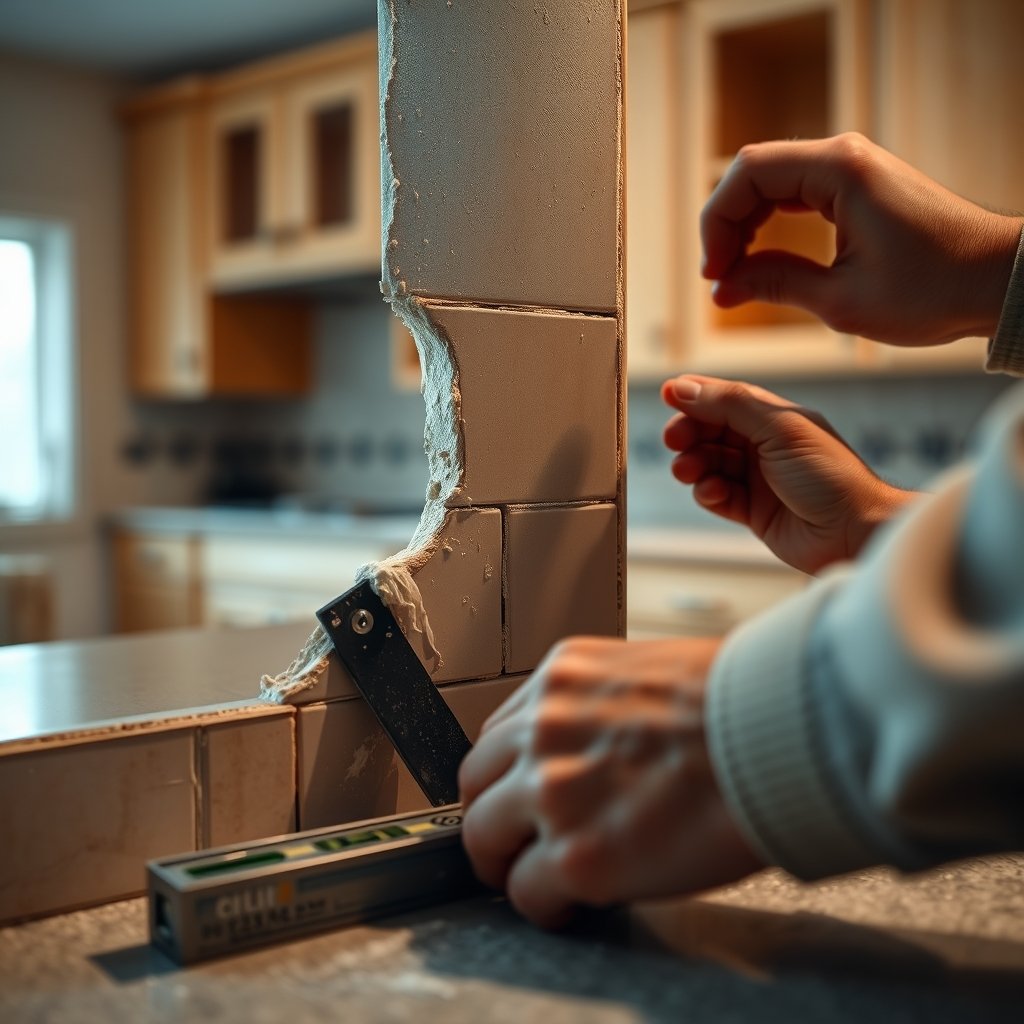
- Poor Measurement/Marking: Misreading a tape by just 1/8 inch can ruin cabinetry or flooring. “Measure twice, cut once”—and consider specialty tools like a laser measurer for complicated layouts.
Incorrect measurements and missing safety steps are cited as top regrets and time-wasters, according to homeowner threads on sites such as Reddit and Houzz.[source]
Want more smart tips for new DIYers? Browse this easy DIY improvement guide for projects that even beginners can tackle with confidence.
Hidden Remodeling Mistakes That Cost You More Than Money
Some costly remodeling mistakes don’t just drain your wallet—they impact your long-term comfort, safety, and even home value.
- Ignoring Permits: Cutting corners on permits may seem harmless, but can void insurance, invite hefty fines, or force expensive rework if you ever sell.
- Poor Lighting Design: Skipping a lighting layout means under-illuminated rooms, dark corners, or annoying glare. Upgrade your lighting plan from day one—see inspiration in statement chandelier ideas here.
- Cheap Windows: Low-quality windows drive up energy costs year-round and often require earlier replacement. Always invest where it matters—expert tips are in this energy-efficient home upgrades guide.
- Skipping Structural Assessments: Removing walls or enlarging openings without a pro’s input can create dangerous conditions.
According to expert breakdowns and real-world complaints, homeowners who ran into these issues often face project halts, double-spending, or frustrating legal battles. Details about permits and lighting layouts are rarely explained in top-ranking articles, despite being frequent sources of regret.[source]
For more on avoiding renovation headaches, don’t miss the in-depth resource on costliest home improvement mistakes.
What Real Homeowners Regret Most After Renovating
Nobody sets out to mess up their remodel. Still, there are recurring themes and “wish I’d known” stories that real homeowners voice after their project is done.
| Regret | Typical Scenario | How To Avoid |
|---|---|---|
| Buyer’s remorse on specialty tools | Buying an expensive jig or gadget used once, then never again | Rent or borrow rarely used tools; ask if a simpler approach works |
| Premature furniture/appliance purchases | Ordering pieces that don’t fit finished spaces, or get damaged during reno | Wait for construction to finish, measure final space before buying |
| Living in incomplete projects | Contractor delays and project stalls make daily life a hassle | Negotiate clear project schedules; build in buffer time |
| Contractor unreliability | No-shows, shifting finish dates, or poor communication | Vet contractors, check references, set written agreements |
| Messy finishes (caulking, grout, paint) | Visible mistakes stand out and are expensive to fix later | Don’t rush; follow pro tutorials for each finishing step |
A recent forum roundup confirms: top regrets include wasted spend on specialized tools and extra materials, unreliable contractor timelines, and frustration from unfinished spaces.[source] It’s why savvy homeowners increasingly start with a detailed renovation checklist and quality-check everything at project’s end.

7 Pro Strategies to Dodge Common Renovation Mistakes
Ready to avoid the most expensive home improvement mistakes? Learn from experienced remodelers—here’s what the pros do every time, but most casual DIYers don’t:
- Map everything out—down to the last outlet and switch. Sketch out the whole space, mark out storage, lighting, doors—even outlets. This prevents costly layout changes.
- Do a full walkthrough for permits before work starts. Call your city, take photos, and document all necessary approvals; never assume you “probably don’t need” one.
- Safety planning is non-negotiable. Designate a safe area for tools and materials, and never skip goggles or gloves.
- Recheck measurements and materials before buying. Get a second opinion if in doubt; return what you won’t use promptly.
- Assess structural elements first. Any wall removal or rerouting plumbing demands a pro consult—don’t rely on DIY videos alone.
- Plan your lighting, window placement, and ventilation up front. Survey rooms for natural light and airflow—then supplement with smart systems or energy-efficient options, like those in the energy savings guide.
- Do a post-project quality check—look for gaps, leaks, uneven finishes, malfunctioning switches or doors. Fixing these details right away prevents expensive repairs.
Thorough planning, including post-renovation quality checks and safety prep, is cited by the most satisfied homeowners as the #1 way to end your project without regrets.[source]
Want even more expert insight? Don’t miss our in-depth collections of home improvement tips and remodeling ideas for added value.
Conclusion
Skipping safety prep, scrambling for permits, or skimping on essential steps are some of the Home Improvement Mistakes most likely to sink your project. Learn from real-life regrets and take the stress out of renovation—by checking your plan twice and following pro strategies, you can save time, money, and sanity this year. Ready to be a mistake-proof homeowner? Start now with our comprehensive mistake prevention guide.
FAQ: Home Improvement Mistakes in 2026
What is the most common home improvement mistake homeowners make?
The most common mistake is underestimating the time and cost needed for a renovation. Homeowners often run into delays and go over budget because they skip proper planning and prep work.
How can I avoid costly DIY errors during my remodel?
Spend extra time on prep, always double-check measurements, use proper safety gear, and never rush. Borrow or rent specialized tools and remember to verify permit requirements before any major changes.
Do I really need permits for small DIY projects?
Yes, even smaller changes can require permits. Failing to get them can lead to fines or problems if you sell your home. Always check with your local building department before starting work.
Is it worth hiring a professional for structural changes?
Absolutely. Attempting structural updates on your own can lead to dangerous situations and higher repair costs. Always consult with a professional for load-bearing walls or major plumbing/electrical changes.
How do I know if a contractor is reliable?
Ask for references, check reviews, and get all agreements in writing. Clarify project milestones and schedules, and don’t pay for the full job upfront.

[…] skill assessment, and budget flexibility are essential if you want to make your savings stick. Avoiding common mistakes can make a dramatic difference in your total […]
[…] and aren’t just for resale or social media. For honest, real-world lessons learned, read the top home improvement mistakes to avoid before picking up a […]