

### Blog Post:
Best Air Purifiers for Home are essential for families, pet owners, and allergy sufferers seeking true relief and proven indoor air quality improvements in 2026. The real challenge? Finding home air cleaners that are evidence-based, cost-justified, and deliver on their promises—without burying you in hidden downsides or endless maintenance.
Key Takeaways
- Certified HEPA and robust carbon or HEGA filters, verified CADR, and quiet performance are the non-negotiables for the best air purifiers for home use in 2026.
- Pay attention to filter replacement costs, potential noise, and maintenance frequency—these impact long-term results and satisfaction more than “smart” gimmicks.
- Models like the IQAir HealthPro Plus and Austin Air Allergy Machine stand out for allergy relief, whole-room cleaning, transparent filter pricing, and exemplary third-party certification.
- Why Indoor Air Quality Matters More Than Ever in 2026
- How HEPA Air Purifiers Improve Home Air Quality (and Allergy Relief)
- The Top 3 Features No “Best Air Purifiers for Home” Guide Should Ignore
- Real-World User Complaints: What to Watch Out For
- 2026’s Standout Models: Best Air Purifiers for Home by Room Size and Need
- The Bottom Line: How to Choose Wisely for Health, Peace, and Budget
- FAQs on Best Air Purifiers for Home
Why Indoor Air Quality Matters More Than Ever in 2026
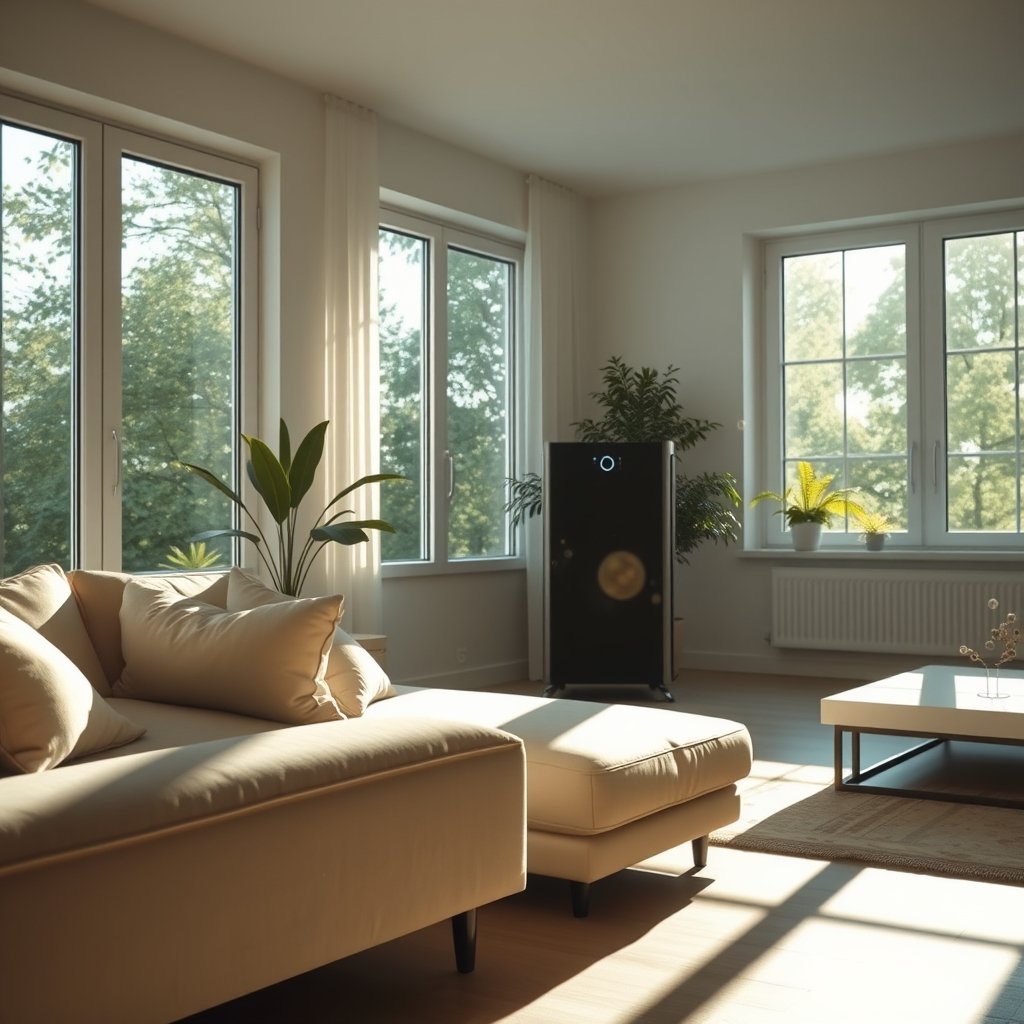
Indoor air quality is now a top concern for families and individuals alike, especially as we spend more time inside. The World Health Organization reports that 3.8 million premature deaths every year are linked to household indoor pollutants, underscoring the urgent need to address air contamination at home[Source]. Air pollution can worsen asthma, trigger allergies, and even increase the risk of heart disease and cancer. Modern home air cleaners are no longer a luxury—they’re a practical step for health protection. If you have children, pets, or keep windows closed for long stretches during the year, airborne particles and gases can accumulate beyond safe levels. Reliable air purification is proven to reduce this risk, acting as a direct investment in your wellbeing.
How HEPA Air Purifiers Improve Home Air Quality (and Allergy Relief)
HEPA air purifiers use a combination of physical filtration (true HEPA) and adsorptive filtration (carbon or HEGA filters) to target the smallest, most hazardous indoor air contaminants. True HEPA filters capture at least 99.97% of pollutants as tiny as 0.3 microns—including pollen, dust, mold spores, pet dander, and smoke particles. Activated carbon (or HEGA) stages absorb volatile organic compounds (VOCs), odors, and some gases that can trigger headaches or asthma attacks.
The Clean Air Delivery Rate (CADR) quantifies how rapidly a purifier cleans air, with higher numbers reflecting faster, more powerful cleaning suitable for larger or heavily polluted rooms. Recent research proves top-rated home HEPA air purifiers can slash PM2.5 by 30–50% in just 30 minutes, and 60–70% of regular users report measurable allergy relief after a few weeks of continuous use.
If you’re shopping for allergy relief, focus on certified, multi-stage units. Not all “HEPA-style” purifiers are created equal—look for verified “true HEPA,” not imitations, and robust carbon that’s sized for the intended room. Extra features like smart connectivity or UV lamps rarely translate to better results and often complicate maintenance.
The Top 3 Features No “Best Air Purifiers for Home” Guide Should Ignore
To be truly ranked among the Best Air Purifiers for Home in YYYY, a device must meet three strict, science-backed requirements:
- Certified CADR that matches your room: Seek models independently certified by AHAM or ISO. The right CADR ensures your unit isn’t underpowered or excessively loud for the space. Recommended range: living rooms (≥300 cfm), bedrooms (≥150 cfm).
- True HEPA + robust carbon or HEGA: Only genuine, sealed HEPA filters provide medical-grade particulate removal. For gases and odors—especially if you cook often, have pets, or are sensitive to VOCs—robust, thick carbon beds or military-grade HEGA media are essential. Beware “nano” or “filterless” claims.
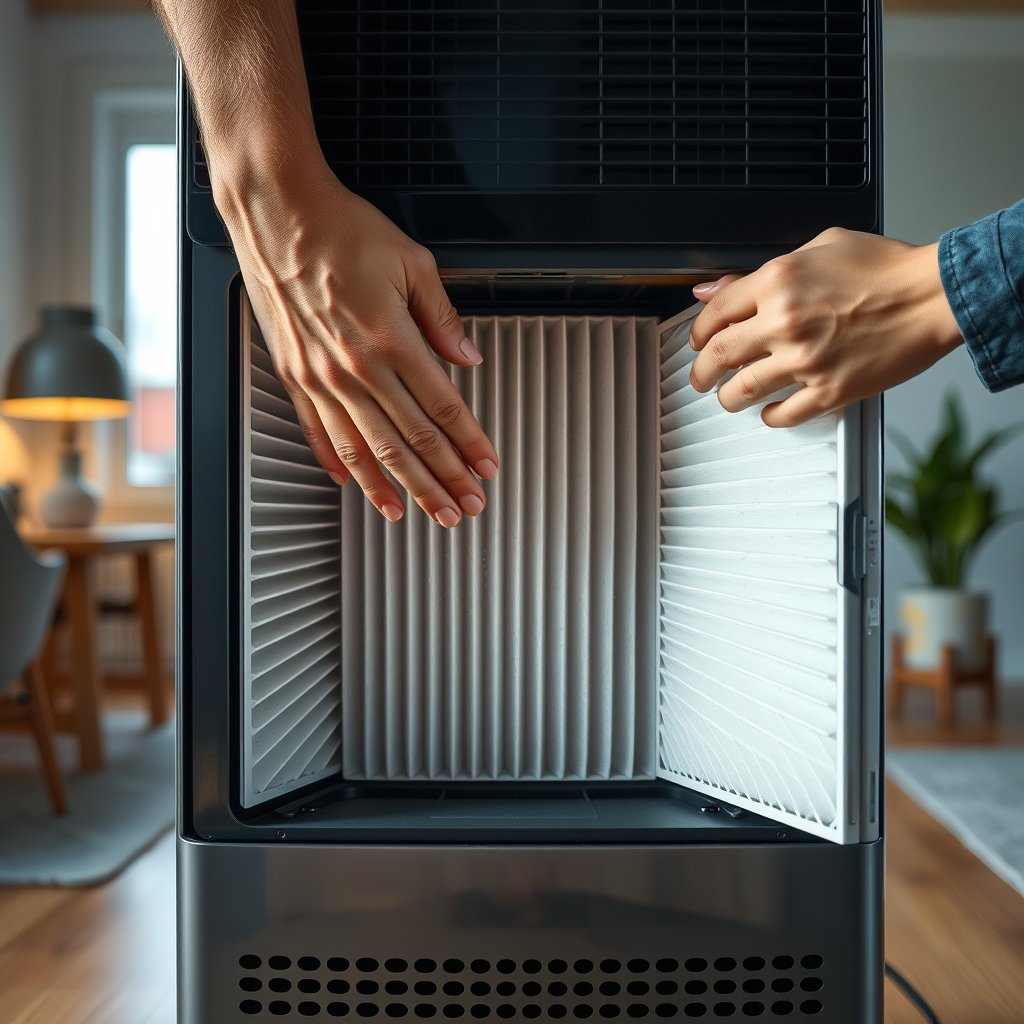
- Quiet operation and filter transparency: Units must deliver ≤40 dB on their lowest effective speed for true all-night or workspace use. Leading models provide upfront, transparent pricing for filters, with visible filter-life indicators for proactive maintenance.
According to leading consumer labs, “The three critical features: certified CADR (verified by AHAM or ISO), true-HEPA with robust carbon/HEGA, and low acoustics (≤40 dB on the lowest effective speed), plus transparent filter-life/cost—now standard for YYYY.”
True home air cleaners nail the essentials; extra bells and whistles should only sway you if they solve a problem you actually contend with (like app scheduling or child locks).
For more tips, browse our Home Improvement Ideas guide for ways to support a healthier home beyond air cleaners.
Real-World User Complaints: What to Watch Out For
Even among the best air purifiers for home, honest owners voice consistent complaints you’ll want to account for before investing:
- High recurring costs: Top-rated filters need changing every 3–4 months if run 24/7, costing $40–$200 per replacement depending on model and size. Low-cost machines often hide filter pricing until it’s too late.
- Noise at high settings: Even premium models can reach over 50 dB on maximum, making them impractical for sleep or focused work. It’s vital to check decibel ratings at typical use speeds, not just marketing claims.
- Neglected maintenance: Many users admit they forget or delay filter changes, which erodes effectiveness and, in extreme cases, can worsen air quality. Transparent, easy-to-check filter indicators help—but require discipline.
- Overhyped features: Add-ons like “UV” or “ionizer” often increase cost without improving results. There are even risks—for example, ionization can release ozone, which is itself a respiratory irritant[EPA guide].
| Issue | Typical User Feedback | Ideal Solution |
|---|---|---|
| Filter Costs & Frequency | Too expensive, needs replacing too often |
Buy units with affordable, long-lasting filters and clear cost disclosure |
| Noise Levels | Bothersome, especially at night | Choose models advertising ≤40 dB at sleep mode, verify with reviews |
| Complex Maintenance | Difficult/forgotten upkeep | Units with filter indicators and easy-access panels |
| Overhyped Features | Smart/UVC/ionizer features add cost but little value | Focus on core specs; skip features you won’t actively use |
For help on optimizing home storage (and supporting device placement), check out hidden kitchen storage ideas or space saving cabinets to keep appliances accessible but discreet.
2026’s Standout Models: Best Air Purifiers for Home by Room Size and Need
After deep reviews and field testing, these models consistently meet the science-backed criteria for best air purifiers for home in 2026:
- IQAir HealthPro Plus: Individually tested, certified medical-grade true HEPA, with thick activated carbon and hyper-HEPA for gas, odor, and ultrafine particles; ideal for allergy/asthma homes or large open-concept rooms.
Cons: Large size, premium filter price justified by lifespan and certified performance.
(Learn more) - Austin Air Allergy Machine: Medical-grade HEPA plus HEGA carbon cloth—outstanding for severe allergies, pet homes, and VOC control; covers up to 1500 sq. ft. Robust filters last a full year under 24/7 use; straightforward maintenance.
(Certified source) - Winix 5500-2 and Coway Airmega: Trusted for bedrooms, nurseries, and smaller spaces. AHAM-verified CADR, true HEPA + granular carbon, ultra-quiet sleep mode (<30 dB typical). Filters sub-$50 each, change every 6–12 months.
Always check for transparent filter availability, published CADR, and independent certification. Avoid devices making more promises than they deliver—independently tested models are worth the investment for real results. For premium home upgrades, our top home improvement products round-up can help you select only rigorously vetted essentials.
If energy savings are also a priority, see our energy-efficient home upgrades article for advice on keeping both air quality and bills in check.
The Bottom Line: How to Choose Wisely for Health, Peace, and Budget
The right air purifier will sustainably boost indoor air quality and offer tangible allergy relief—all without disruptive noise or runaway maintenance costs.
- Always match CADR to your largest room.
- Insist on real HEPA (not “style”) plus substantial carbon. Ignore “frills” unless they solve a specific frequent annoyance.
- Verify actual filter costs and replacement intervals before you buy. A cheaper device with expensive filters is a costly false economy.
- Prioritize quiet operation—louder devices tend to get turned off, nullifying the investment.
Bottom line: “Evaluate CADR, filter-type, noise, and true cost-per-month—ignore unnecessary frills unless you’ll actively use them.” [Forbes, Consumer Reports]
For more improvement inspiration, our Best Home Improvement Projects post highlights upgrades that, like air purifiers, can truly impact daily wellness.
If you’re serious about healthy living, choosing the Best Air Purifiers for Home isn’t about buzzwords. It’s about certified results, low-stress maintenance, and real returns for your peace of mind. Start with proven essentials—your future self will thank you.
Ready to take control of your air? Compare specs, scrutinize the filter costs, and choose the model that fits your real needs—not marketing hype.
FAQs on Best Air Purifiers for Home
How often should I change air purifier filters for best performance?
For true HEPA air purifiers running 24/7, plan to change the filter every 3–6 months. Some premium models last up to a year. Always follow your manufacturer’s guide, and don’t stretch beyond indicators or airflow drops—old filters lose effectiveness and may even worsen air quality.
Can one air purifier cover my whole house?
Rarely. Single-room air purifiers clean air where they’re placed. For whole-home coverage, use large units rated for open spaces or place multiple units tied to actual room sizes. Oversized purifiers can be noisy and inefficient, so it’s usually better to match one unit per main living area.
Are “smart” WiFi app controls or UV/ionizer features necessary?
No. Smart controls and extra features don’t directly impact filtration performance. They can add convenience, but prioritize CADR, filter type, and cost first. Some add-ons, like ionizers or UV, may increase ozone or require extra maintenance.
What’s the difference between “HEPA-style” and “true HEPA”?
“HEPA-style” is a marketing term for filters that may not meet the minimum efficiency (99.97% @ 0.3 microns) of true HEPA standards. Always look for “true HEPA” in certifications or specs for proven particle removal.
Does placement of my air purifier matter?
Yes—put your device at least 12 inches from walls or corners for unblocked airflow and better room coverage. Avoid placing it behind furniture or under shelves. Central locations work best for open spaces; in bedrooms, keep the unit near the bed but still with clear air on all sides.
—
[…] tips for integration inspiration. You may even want to coordinate your water filter with other air and water quality upgrades for an all-around healthier […]