

### Blog Post:
Home Repair Tips are everywhere, but cost-conscious homeowners need more than recycled advice — they need real numbers, warnings, and hard-learned lessons. If you want to save thousands through DIY home repair without falling for common online traps, this post strips away the fluff to reveal what truly works and what doesn’t.
Key Takeaways
- DIY home repair can save 50–80% versus hiring a pro, but often leads to budget overruns if not planned properly.
- Incomplete instructions, missing tool lists, and hidden costs are the top frustrations with online household repairs advice.
- Some tasks, especially electrical or major plumbing, are best left to qualified pros to avoid expensive mistakes.
- How Much Money Can DIY Home Repair Actually Save You?
- Top 5 DIY Frustrations: What Homeowners Hate About “Home Repair Tips” Online
- Know When to DIY—and When to Call a Pro
- The Essential Maintenance Tips You Haven’t Heard
- Preventing Costly Mistakes—Real-World Lessons from DIY Fails
- Reliable Resources for Homeowners Seeking Trustworthy Home Repair Tips
How Much Money Can DIY Home Repair Actually Save You?
For many homeowners, the main motivation behind DIY home repair is slashing costs. Recent surveys show DIY costs typically range from $1,600 for small jobs up to $6,867 for more complex remodels like kitchens. By contrast, hiring professionals for the same household repairs can total between $9,904 and $17,320. That’s a potential savings of 50% to 80%, equaling $4,000 to $10,000 per project.[source]

But before you break out the toolbox, beware of hidden costs. More than half—58%—of DIYers spend more than planned.[source] Nearly half (46%) require a professional to fix mistakes, at an average added cost of $1,600. These overruns can quickly erase your hard-earned savings, especially if the project requires special tools or corrections down the road.
The truth: DIY home repair is usually cheaper up front, but errors and unforeseen costs are common. Careful planning, honest skill assessment, and budget flexibility are essential if you want to make your savings stick. Avoiding common mistakes can make a dramatic difference in your total outlay.
Top 5 DIY Frustrations: What Homeowners Hate About “Home Repair Tips” Online
If you’ve ever started a seemingly simple household repair after watching a few online tutorials, you know how quickly things can go off-track. The most-reported frustrations with online DIY home repair advice are:
- Vague or incomplete step-by-step instructions. Many resources gloss over vital steps, leaving you guessing at crucial moments.
- Missing or inaccurate tool and materials lists. Essential items are often left off lists, resulting in unplanned hardware store trips—or wrong tool purchases.
- Unrealistic timeframes. Projects promised as “easy weekend fixes” can turn into multi-week marathons.
- Lack of safety warnings. Especially for work involving heights, electricity, or gas, major risks are barely mentioned in popular guides.
- Conflicting instructions. Advice varies wildly between sites and even within videos, creating confusion for those who aren’t experienced.
These pitfalls not only waste time—they increase the risk of expensive, even dangerous, mistakes. For reliable, beginner-friendly walkthroughs, resources like DIY home repairs for beginners are a better place to start than random social videos. Don’t hesitate to cross-check multiple sources or favor articles with clearly listed tools and genuine safety guidance.
If you want even more project ideas and common “gotchas,” check out our comprehensive DIY home improvement value guide for cost-saving hacks and risks to avoid.
Know When to DIY—and When to Call a Pro
Some household repairs are good candidates for DIY, others are not. How can you tell the difference—before you end up spending more (or risking safety)? Let’s break it down:
- DIY-friendly tasks: Painting, caulking, simple drywall repairs, installing shelves, routine maintenance like replacing faucet washers or air filters.
- Always call a pro: Electrical work (especially with your home’s main panel), major plumbing (like relocating pipes), roof repairs, or anything tied to local building codes/permits.
According to recent surveys, 71% of homeowners feel least confident with electrical work. Financially, 57% will hire a pro as soon as a project’s estimated cost goes above $500—and 75% once it passes $1,000.[source]
This means for jobs involving complexity, risk, or high-dollar repairs, professional help is usually the safer—and often smarter—choice. Learn more about what home renovation costs in 2026and how to find reputable pros.
If you’re interested in maximizing your property’s functionality without overcommitting, budget-friendly home improvement tips are a realistic way to upgrade while avoiding the traps of high-risk DIY projects.
The Essential Maintenance Tips You Haven’t Heard
Popular articles about home repair rarely mention key legal and practical details—some of which can mean the difference between a successful repair and an expensive nightmare. These overlooked essentials include:
- Permits and codes: Know when you need a permit or must comply with local building codes (especially for electrical, plumbing, or major structural changes). Fines or forced removals can wipe out any DIY savings.
- When licensed professionals are required: Your city, insurance, or HOA may mandate work be performed by a licensed contractor. Skip this and you might void insurance or resale options down the road.
- Hidden and recurring costs: Factor in tool rentals, disposables, code upgrades, and debris disposal—not just materials and your own time.
- Seasonal timing: Some tasks should only be DIYed in mild weather or are best scheduled for specific times of year—for example, roof repairs are safer and more effective in dry seasons.
- Maintenance scheduling: Ignoring regular checkups for HVAC, roofing, or foundation can result in “DIY emergencies” later, often at far higher cost.
These topics are almost never mentioned in top-ranking blogs. Improve your odds and keep your home safe by following a structured home maintenance checklist and brushing up on preventative care strategies.
Preventing Costly Mistakes—Real-World Lessons from DIY Fails
It’s easy to underestimate the risks of home repair. About 17% of DIYers damage their home or appliances, spending an average of $599 to fix their mistake.[source] Even worse, nearly half of unsuccessful DIY projects end up hiring a professional anyway, often at greater cost than if they’d done so from the start.
| Common DIY Project | DIY Avg. Cost | Pro Avg. Cost | Savings | % DIYers Over Budget | % Needing Pro Correction |
|---|---|---|---|---|---|
| Bathroom Remodel | $3,131 | $9,904 | $6,773 | 58% | 46% |
| Kitchen Remodel | $6,867 | $17,320 | $10,453 | 58% | 46% |
| Roof Replacement | $5,036 | $9,079 | $4,043 | 58% | 46% |
Top risk factors include skipping prep work, underestimating time and tool needs, ignoring local codes, working alone on ladders, and misunderstanding electrical or water shutoff procedures. For more stories about renovation disasters—and strategies to dodge them—don’t miss our guide to avoidable home improvement mistakes.

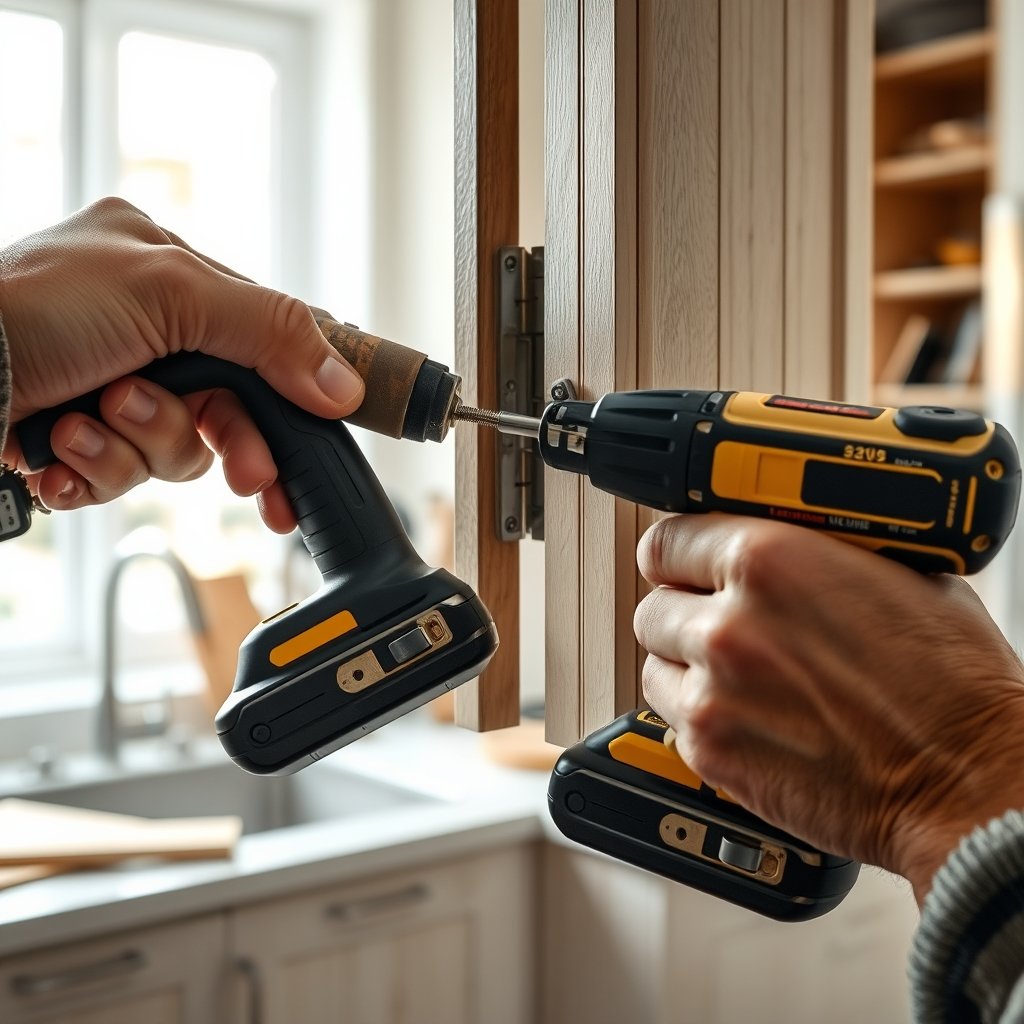
One way many experienced homeowners sidestep disaster is by using quality, purpose-built power tools—not cheap or incorrectly-sized alternatives.
Reliable Resources for Homeowners Seeking Trustworthy Home Repair Tips
Most homeowners now turn to YouTube for repair guides—87% use it, with over three-quarters seeking out explainer videos. But with so much unvetted content, accuracy and safety are far from guaranteed, especially for first-timers.[source]
Here’s where to start for real expertise and safe, current advice on Home Repair Tips:
- Project-specific guides: Seek brands or blogs focused on your specific repair. Explore our step-by-step painting tips or flooring installation guides with checklists and pro tool recommendations.
- Community Q&A forums: Residential DIY subreddits, HomeImprovement Stack Exchange, and manufacturer-run message boards often have peer-verified fixes and warnings for tricky jobs.
- Official sources: Local building departments, utility companies, and insurance agents provide authoritative guidelines for permits, safety, and code compliance that supersede any online hack.
When in doubt about a safety-critical task like wiring, plumbing, or gas, it’s worth searching for vetted, expert-backed advice or hiring a certified pro. Your savings only count if the repair lasts (and nobody gets hurt).
Conclusion
Home repair isn’t about a quick win, but savvy—and sometimes cautious—choices. Use these practical Home Repair Tips to save money, minimize headaches, and protect your property. By understanding cost realities, recognizing your limits, and relying on proven resources, you’ll unlock the full rewards of DIY while sidestepping disaster. Ready to start? Review a seasonal maintenance checklist or scroll our guides for even more project ideas.
Frequently Asked Questions
What are the biggest hidden costs in DIY home repair?
Tool rentals, specialty tools, permit fees, debris disposal, and correction of mistakes are the most frequently overlooked expenses. Always factor these into your budget before starting any project.
How do I know if a project requires a permit?
If the job affects structural components, walls, electrical systems, or plumbing, check with your local building authority. Even seemingly simple changes may require one for insurance or code reasons.
Are there home repairs I should never attempt myself?
Generally, avoid any project involving live electrical wiring, gas lines, structural changes, or roof repairs unless you are trained and legally permitted. Hire a licensed professional in these cases.
How can I find reliable sources for Home Repair Tips?
Stick to resources with detailed guides, safety information, and tool checklists. Reputable blogs, official manufacturer sites, and local government pages are safer bets than unsourced social media advice.
How do I keep my home repair budget under control?
Make a realistic list of tools, materials, and possible setbacks. Add 20% overhead for surprises. Track all receipts and avoid impulse hardware store buys. If estimates exceed $500, seriously consider a professional.