

### Blog Post:
Common Home Repair Problems are more than just a nuisance — they’re a major part of homeownership in 2026. Are you prepared to handle the latest household problems that can hit your budget or confidence?
Key Takeaways
- New research shows plumbing leaks, appliance failures, and HVAC issues top the list of common home repair problems for homeowners.
- Most DIYers admit to hitting confidence and safety roadblocks — especially with electrical work and complex fixes.
- Knowing when to fix it yourself (and when to call a pro) can save money and prevent bigger headaches down the line.
- The Latest Snapshot: Most Common Home Repair Problems in 2026
- Why DIYers Struggle With Household Problems: Pain Points and Frustrations
- Overlooked Yet Practical: 3 Home Repair Solutions Most Guides Miss
- When to DIY vs. When to Call in a Pro
- Pro Tips to Build Your DIY Confidence (and Avoid Common Mistakes)
- FAQ
The Latest Snapshot: Most Common Home Repair Problems in 2026
Recent homeowner surveys show the most common home repair problems are not only persistent, but increasing in complexity. Interior issues like plumbing leaks and drips, drywall cracks, leaky faucets, and clogged drains remain far too common. On the exterior, roof leaks, faulty windows, and improper electrical wiring dominate. Appliance replacement hits 43 percent of new homeowners, with 21 percent reporting pest infestations and 18 percent experiencing HVAC breakdowns within the first year. These numbers highlight that whether you are tackling household problems on your own or not, most homes will need frequent attention to avoid costly damage or discomfort.
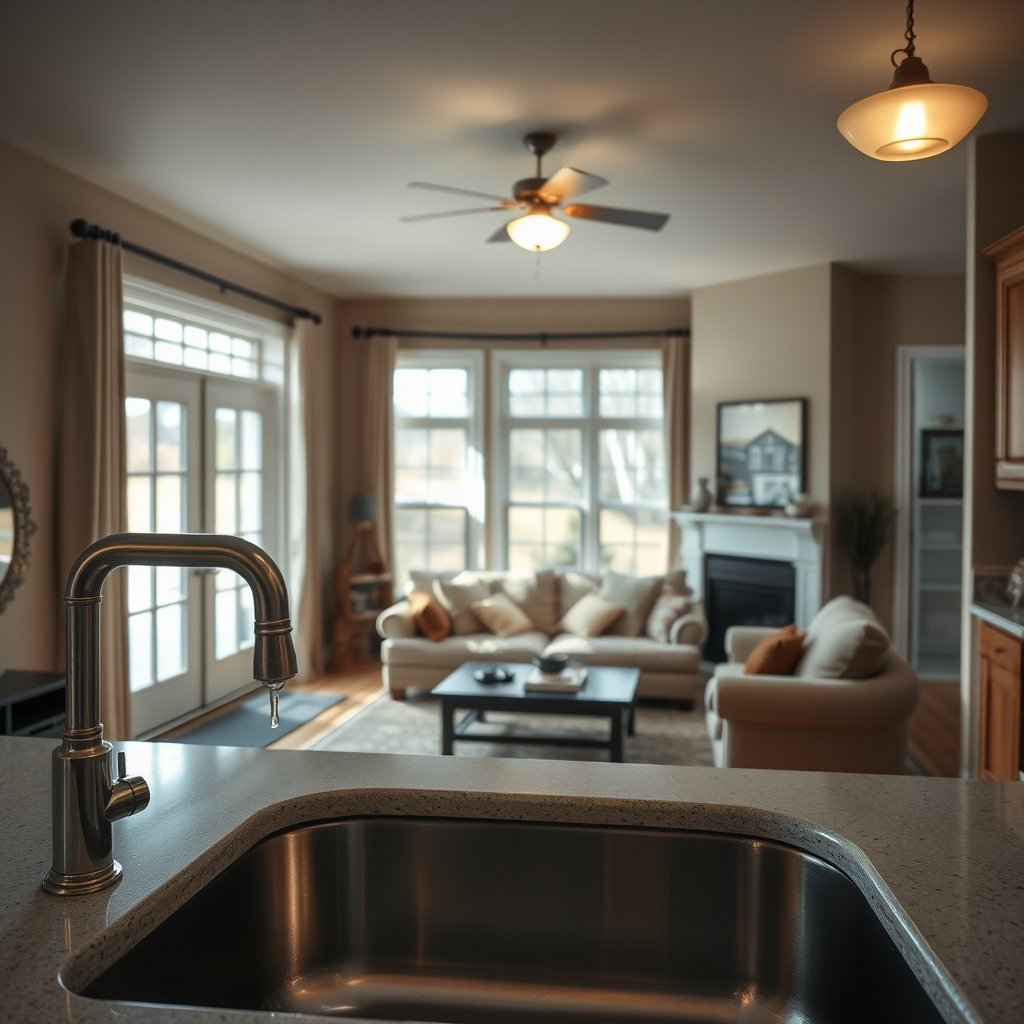
First-time owners in particular are often surprised by just how many things can go wrong, and how quickly. Many problems, like leaky pipes or inefficient HVAC, go unaddressed until they cause visible or expensive damage. That’s why understanding the real landscape of maintenance — not just the most obvious problems, but the hidden or system-wide issues — is key to protecting your investment, your time, and your sanity.
Learn more about year-round fixes and long-term savings in our Home Maintenance Checklist Guide and get practical, seasonal advice for keeping costly repairs at bay.
Why DIYers Struggle With Household Problems: Pain Points and Frustrations
Even the most motivated homeowners hit a wall — or an outlet — when tackling DIY fixes. According to recent research, the leading frustrations include:
- Skill gaps: Most DIYers are comfortable painting, patching drywall, or tightening fixtures. But 71 percent report low confidence tackling electrical issues, 46 percent balk at plumbing, and almost half avoid HVAC problems entirely.[1]
- Safety worries: Concerns about shocks, leaks, or botched repairs keep many from attempting projects in these critical systems.
- Time demands: Juggling DIY learning curves with daily life can leave projects half-finished or never started.
- Lack of tools: The need for special equipment (like circuit testers, drain snakes, or heavy-duty ladders) often means more shopping than fixing. lack of tools
This hesitation is echoed across countless online forums, where real people discuss real barriers — not just fear of failure, but the lingering anxiety of making things worse. Electrical repairs top the “most avoided” list due to safety and code complexity. Clogged garbage disposals and stubborn HVAC repairs are also pain points, as they’re easy to misdiagnose and tough to resolve without clear guidance or proper tools.
If you’re just starting your DIY journey, our Beginner Guide to DIY Home Repairs breaks down tasks by skill level and includes resource lists that will help you close your confidence gaps.
Overlooked Yet Practical: 3 Home Repair Solutions Most Guides Miss
The web is full of advice for fixing dripping faucets and squeaky doors. But some of the most impactful — and least discussed — home repair solutions can make a big difference in efficiency, comfort, and safety. Here are three DIY fixes more homeowners need to know about:
- Install or Upgrade GFCI Outlets in Wet Areas
- Many kitchens, bathrooms, laundry rooms, and garages lack up-to-date Ground Fault Circuit Interrupters (GFCIs). Swapping out standard outlets for GFCIs helps prevent shocks and meets modern electrical codes.
- Turn off power at the breaker, test with a voltage tester, and carefully follow installation guides specific to your outlet type.
- Seal Windows and Doors with Silicone Caulk and Weatherstripping
- Drafts are not only uncomfortable — they drive up heating and cooling costs. But most homeowners delay replacing old caulk or ignore hidden leaks around window sills, door frames, or foundation cracks.
- Invest in a good tube of silicone caulk, a caulking gun, and quality weatherstripping. Clean surfaces thoroughly before sealing and follow manufacturer instructions for best results.
- Correct Improper Grading and Drainage Around Your Foundation
- Poor drainage leads to basement leaks, mold, and even foundation damage. Cleaning gutters and downspouts — and, when needed, installing a French drain — can redirect water away from your home. This is a weekend project with huge preventative value.
- Check for standing water, overflow during rain, or signs of soil erosion near your house’s perimeter. grade soil away from your foundation, keeping at least a 6-inch slope over the first 10 feet.
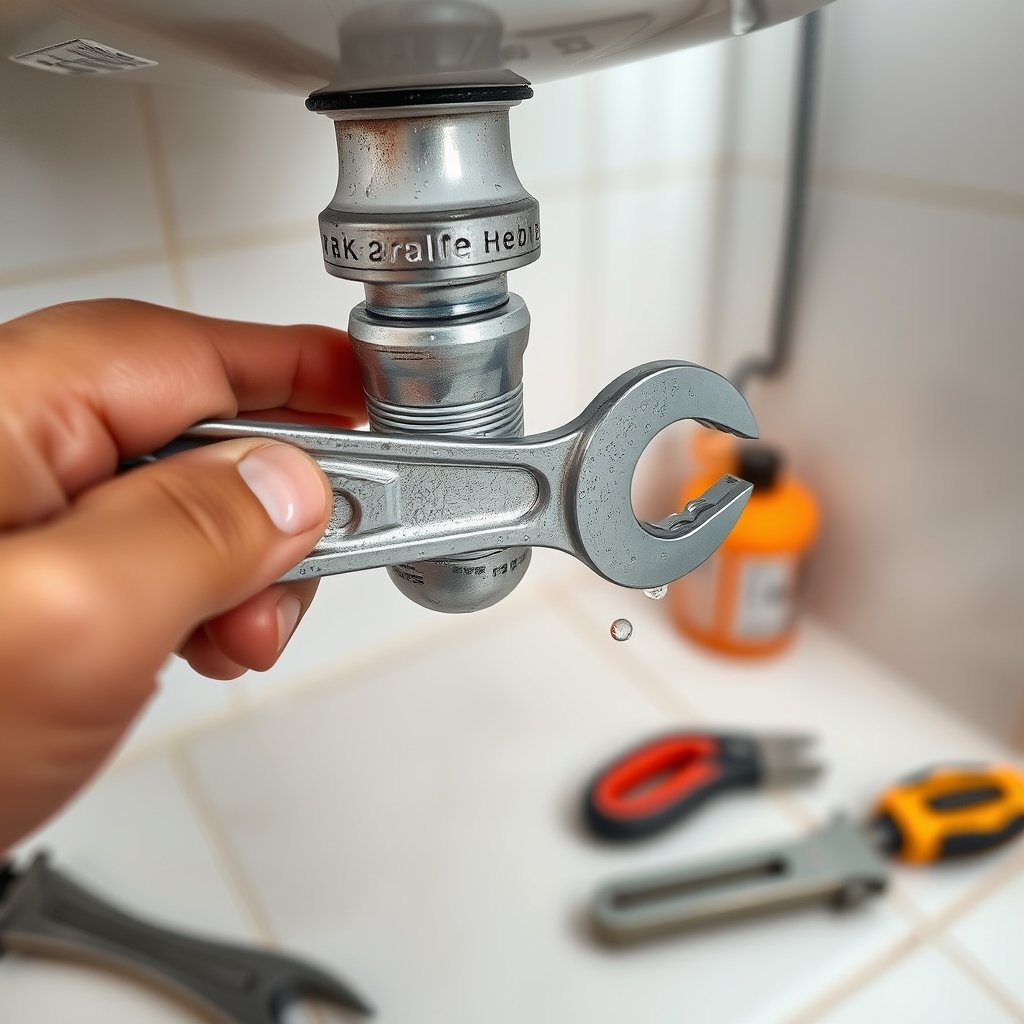
Looking for more inventive solutions for comfort or efficiency? Check out our deep dive on Energy Efficient Home Upgrades and learn how sealing, insulation, and smart monitoring can help you curb utility costs year-round.
When to DIY vs. When to Call in a Pro
Every homeowner wants to save money — but some household problems require a cold, honest assessment of risk, time, and building codes. According to data, confidence drops sharply for electrical, roof, HVAC, and major plumbing work. For instance, 71 percent of owners do not feel comfortable attempting electrical repairs, and more than half are hesitant with roof work.[1]
| Problem Area | DIY Confidence (%) | Call a Pro? |
|---|---|---|
| Electrical | 29 | Almost always — due to safety and code requirements. |
| Roof | 48 | Recommended, especially for leaks, missing shingles, or steep slopes. |
| HVAC | 51 | Call a certified tech for mechanical failures, refrigerant issues, or frequent breakdowns. |
| Plumbing | 54 | DIY basic repairs (leaky faucets, unclogging drains). Major leaks or sewer backups? Call a pro. |
Generally, if a project involves:
- Permits or code inspections
- Potential risk to life, health, or property
- Structural changes or modifications to electrical panels
— step back and call a licensed professional. But for routine leaks, cosmetic drywall repair, draft-stopping, and basic appliance fixes, you can build skills and confidence on your own. For a practical breakdown of which projects are truly DIY-friendly, see our list of Best Home Improvement Projects.
If in doubt, ask for professional estimates; compare with your own skill set and don’t be afraid to call an expert when it protects your investment.
Pro Tips to Build Your DIY Confidence (and Avoid Common Mistakes)
Most DIY projects range from $2,000 to $5,000 — a substantial savings compared to hiring out, but only if you prepare, learn, and avoid expensive mistakes.[9] Here are practical ways to boost your skills and minimize missteps:
- Follow a checklist: Before you start, list tools, materials, and safety equipment. For a robust list, use our Home Repair Tips resource.
- Break projects into mini-tasks: Don’t take on an entire kitchen or bathroom at once. One GFCI, one leak, or one draft at a time ensures higher quality and less stress.
- Embrace mistakes as learning: Everyone makes errors. The key is correcting them safely and using them as skill-builders for future home repair problems. See our guide to avoiding Home Improvement Mistakes for more.
- Know your resources and limits: Forums, video tutorials, and product manuals are invaluable. But they’re no substitute for a licensed professional when electrical or structural safety is at risk.
- Maintain your tools: Blunt blades, weak battery packs, or broken ladders can stall progress. Invest in reliable gear — check out our Best Home Improvement Tools review for recommendations.

Even the best-prepared DIYers sometimes make mistakes. The difference is, they learn, prepare better next time, and gradually expand what they’re able to tackle. For guided tips on home upgrades, see our page on Best Home Upgrades, or to avoid common pitfalls, learn from others in our Home Improvement Mistakes to Avoid article.
FAQ
What are the most common home repair problems I should expect in YYYY?
The most noticeable issues include plumbing leaks, drywall cracks, appliance failures, HVAC breakdowns, faulty windows, and roof leaks. New homeowners report these problems most frequently during their first year.
When should I call a professional instead of doing it myself?
If your repair involves electrical panels, major plumbing, roofing, or anything requiring permits or safety inspections, it’s usually best to hire a licensed pro. For basic leaks, caulking, or cosmetic work, DIY is often safe if you prepare correctly.
Are there hidden costs or risks when tackling DIY home repairs?
Yes — underestimating the time, special tools, or skill required can turn a small problem into a bigger one. Mistakes with wiring, grading, or sealing can be expensive to fix and might endanger property or health.
How do I build my skills and choose DIY projects?
Start with repairs you feel comfortable with, use detailed guides, and consider courses or workshops. Break bigger jobs into smaller steps and invest in quality tools.
Is tackling common home repair problems really cost-effective?
DIYing is often more affordable, especially for routine maintenance. However, incorrect work can sometimes lead to bigger expenses later, so weigh your skills, available time, and the risk involved before starting.
—