

### Blog Post:
Best Circular Saw for first-time buyers is not just about picking a high-powered tool—it’s about finding a cordless circular saw that’s safe, simple, and doesn’t surprise you with hidden costs or difficult setup. For homeowners and beginner woodworkers, knowing exactly which saw is best—and why—can save you money, time, and frustration.
Key Takeaways
- Choose a cordless circular saw with top safety ratings, built-in electric brake, and intuitive beginner-friendly features.
- Be aware of hidden costs—batteries and chargers are often sold separately, impacting your real purchase price.
- Watch for common beginner pitfalls: saw weight, limited runtime, noise, battery compatibility, and complicated setup.
- Best Circular Saws of YYYY: Top Rated Models for Beginners
- What Makes a Circular Saw Beginner-Friendly? Must-Have Features
- Overlooked Buying Factors: The Real Cost and Convenience for New DIYers
- Top User Complaints: What Do New Users Struggle With Most?
- Safety, Performance, and Maintenance: Tips for First-Timers
- Final Verdict—Which Circular Saw Is Right for You?
- Frequently Asked Questions
Best Circular Saws of YYYY: Top Rated Models for Beginners
When searching for the best circular saw as a beginner, especially for DIY projects, cordless models dominate the current market for their portability and ease of use. In YYYY, expert reviews and real homeowner feedback highlight several breakout models for safety and all-around user experience, especially for those just learning.
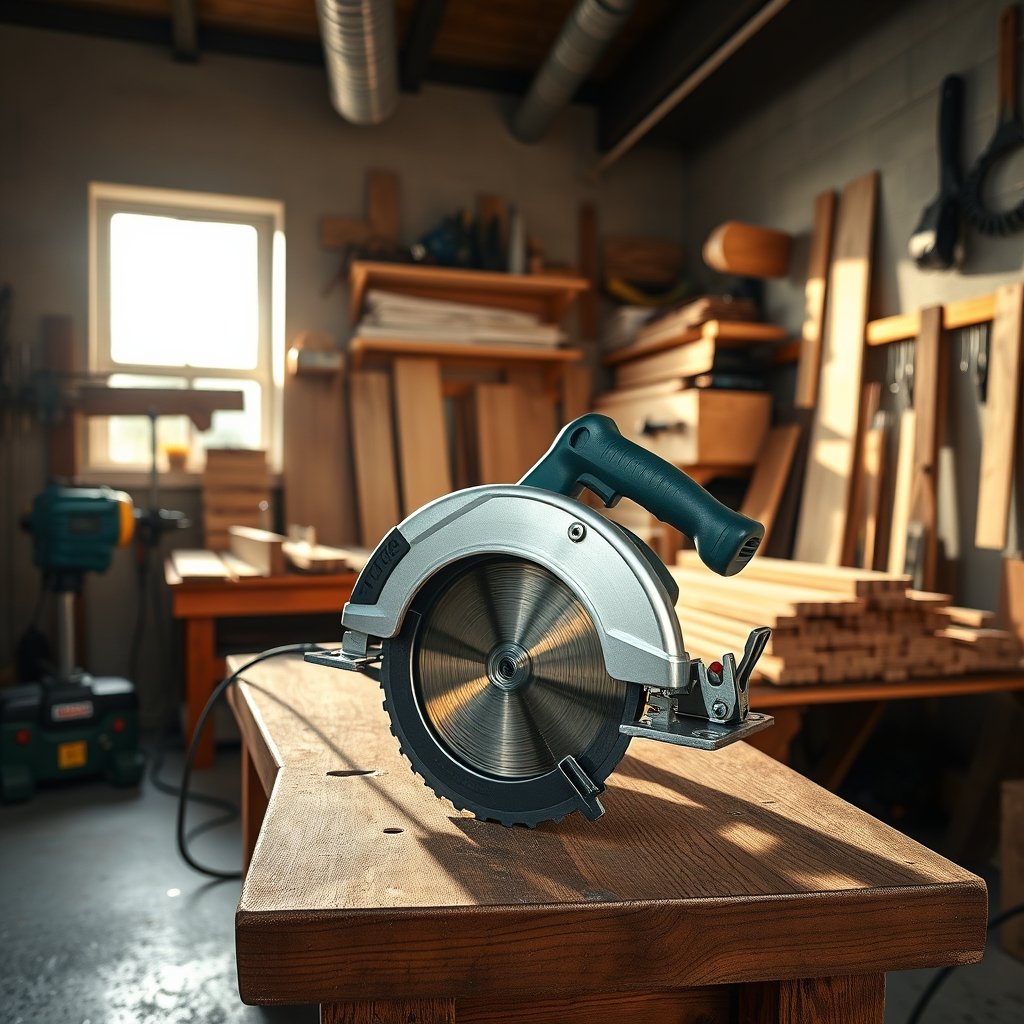
Here’s a breakdown of the safest and highest-performing cordless circular saws for first-time users:
- Milwaukee M18 FUEL 7-1/4″: Safety score 4.8/5 | Performance 4.9/5. Key features include a brushless motor (5,200 rpm), 2-inch cut depth, electric brake, blade guard interlock, and lock-off trigger. However, it’s on the heavier side at 12 lb with the battery.
- DeWalt 20V MAX DCS570B: Safety 4.6/5 | Performance 4.7/5. Boasting a 5,500 rpm brushless motor, electric brake, overload protection, soft-grip ergonomics, and fast-charging 5 Ah battery.
- Makita XSS02Z 18V LXT, Bosch GKS18V-25GCB14, Ryobi ONE+ HP PBLCS300B: Safety ratings from 4.3 to 4.5/5, performance 4.5 to 4.7/5. All utilize brushless motors and offer around 5,000–5,500 rpm, but Makita and Ryobi lack electric brakes—a detail often missed in standard reviews.
Each of these saws is suitable for learning, with clear visual guides and battery-powered convenience. For in-depth user perspectives, check reviews at Famous Artisan and Rustic Tools.
What Makes a Circular Saw Beginner-Friendly? Must-Have Features
For a circular saw to be truly beginner-friendly, it must minimize risk and take the intimidation out of first-time use. Top-rated circular saws for beginners all share these crucial features:
- Electric brake: Instantly stops the blade after the trigger is released, helping prevent accidents.
- Blade guard interlock & lock-off trigger: Extra layers of safety prevent accidental starts.
- Clear visual aids: Highlighted cut-line lasers, adjustable depth-stop presets, and ergonomic, labeled controls accelerate learning.
- Soft grip / balanced design: A comfortable, slip-resistant handle reduces fatigue and gives better control.
While features such as a brushless motor improve performance and runtime, electric brakes and safety locks are the single most requested additions among first-time users. Their absence on Makita and Ryobi models often leads to frustration (source).

Additional friendly details include:
- Easy-to-read bevel and depth markers
- Tool-less blade changes
- Integrated dust blower (for line visibility)
- Step-by-step beginner tutorials in the manual or online videos
The absence of these can seriously slow down your confidence-building. For more tips on what beginner DIYers wish they’d known, see our beginner DIY guide.
Overlooked Buying Factors: The Real Cost and Convenience for New DIYers
Most first-time circular saw buyers underestimate the complete cost of going cordless. Manufacturers often list attractive prices for “tool-only” (meaning: the battery and charger are sold separately). This matters:
- Hidden costs: Opting for DeWalt or Milwaukee? Many models do not include a battery or charger—these can add up to 30-50% to your initial spend. See realistic calculations in this expert buying guide.
- Battery runtime: Entry-level 4 Ah batteries provide enough juice for basic jobs, but you’ll run out quickly on bigger projects. Buying extra batteries is both costly and sometimes confusing due to voltage/platform compatibility.
- Platform compatibility: If you already own tools from a specific brand (e.g., Ryobi, DeWalt), sticking within that “ecosystem” allows you to share batteries—an often-overlooked money-saving strategy, as recommended in our power tool guide.
- Warranty terms: Not all warranties are equal; check for at least 3 years of coverage and fast, no-hassle replacement. Costly saws with weak warranty terms should be avoided.
DIYers frequently express frustration with the “battery not included” policy, high battery upgrade costs (especially for fast-charging models), and steep price jumps for premium features. Consider dust extraction, vibration control, and blade replacement speed, as these convenience factors matter for beginners more than raw specs—especially when replacing cheaper corded models.
Expand your skills with confidence by reading up on DIY home improvement strategies and factor in all these “hidden” convenience costs before clicking buy.
Top User Complaints: What Do New Users Struggle With Most?
Despite excellent technical ratings, new users regularly hit several stumbling blocks with their first circular saw. Here’s what the most recent owner surveys, support forums, and reviews cite as real pain points:
| Issue | Mainly Affects | Downside for Beginners |
|---|---|---|
| Weight (12 lb+ with battery) | Milwaukee, some DeWalt & Bosch | Tires out arms, makes overhead cuts hard |
| Limited battery runtime | All brands with 4 Ah or smaller packs | Interrupts longer projects, leads to extra battery cost |
| Noise and vibration | Ryobi, some Bosch/Makita | Unnerving for new users, reduces cut precision |
| No electric brake | Makita, Ryobi | Longer wait for blade to stop; riskier for beginners |
| Complicated setup/blade changes | Older or budget models | Slows learning curve, creates safety risks from improper installation |
| Hidden cost, battery/charger sold separately | Milwaukee, DeWalt, Bosch | Blows initial budget, often only discovered after purchase |
Another common set of issues relates to confusing visual markers and lack of cut-line assistance. If you’re moving from basic hand tools, these missing details can lead to poor accuracy and wasted material.
If you want solutions for garage storage solutions or organizing your new tools, check our resource on best garage storage solutions.

Safety, Performance, and Maintenance: Tips for First-Timers
Safety isn’t just about built-in features. Here’s how to get started with your new cordless circular saw, minimize risk, and keep your saw in top condition:
- Read the manual entirely, especially the sections on safety lock controls and battery insertion/removal.
- Perform a test cut on scrap wood before any real project. This builds confidence with the tool’s feel and weight distribution.
- Secure your material using clamps. Never hold your board freehand during a cut.
- Always wear safety glasses and hearing protection—modern saws are quieter, but still loud enough to harm ears over time.
- Check blade sharpness before every session. A dull blade increases vibration and kickback risk.
- Clean and store the saw after use. Keep dust away from motor vents and battery contacts. This improves both safety and tool longevity.
- Watch reputable video tutorials—it’s often easier to learn safe handling by observing, not just reading. Some manufacturers now provide quick-start video guides for every product.
Saws with soft-grip ergonomics, overload protection, and clear instructions rank highest for new users. For a full DIY maintenance guide, see our home maintenance checklist.
Final Verdict—Which Circular Saw Is Right for You?
If you’re picking your first DIY saw, match your needs with features that actually matter:
| Need | Best Circular Saw Model | Why? |
|---|---|---|
| Maximum safety & performance (but heavier) | Milwaukee M18 FUEL 7-1/4″ | Top-tier safety, electric brake, brushless, 2″ cut, but 12 lb weight |
| Lightweight, budget-conscious | Ryobi ONE+ HP PBLCS300B | Lower price, shares batteries, but lacks electric brake |
| Platform compatibility (existing DeWalt tools) | DeWalt 20V MAX DCS570B | Shares batteries, good safety, moderate price |
| Beginner learning curve, clear visual aids | Bosch GKS18V-25GCB14 | Smooth controls, visible markers, good warranties |
Only a handful of modern cordless circular saws combine electric brakes, brushless motors, over-2-inch cut depth, and lock-off triggers—most notably Milwaukee and DeWalt. No matter your budget or platform, always check for these core safety features and hidden costs before buying.
Ready for your next home project? Invest in a Best Circular Saw that matches your current platform and learning needs, and don’t forget to factor in battery and charger costs for the true bottom line. Check our complete tool buying guide for more vital recommendations before you shop.
Frequently Asked Questions
Is a cordless circular saw powerful enough for DIY projects?
Yes. Modern cordless circular saws, especially models from Milwaukee, DeWalt, and Bosch, routinely match or exceed power of corded saws for general woodworking and home repairs.
Why do some saws not include a battery or charger?
Selling “tool-only” models lowers initial price for those who already own batteries in the same brand platform. New users should factor in the full cost before purchase.
How long does a typical battery last for common DIY jobs?
Expect 20-35 minutes of continuous cutting from a 4 Ah battery. For full-day work or large projects, buy an extra battery and a fast charger.
What safety gear should a beginner always use?
Always wear wrap-around eye protection, hearing protection, and avoid loose clothing. Gloves are optional but can improve grip on large or heavier saws.
Do circular saws need much maintenance?
Maintenance is minimal: keep the saw free of sawdust, wipe battery contacts, and replace dull blades promptly. Store your saw in a dry, clean spot when not in use.
—