

### Blog Post:
Best Shop Vac models in YYYY are purpose-built for real challenges in garages and workshops, not just wet/dry cleaning. If you’re tired of vacuums that quit early or can’t handle oily messes and sawdust, this guide unpacks what really matters and what industry “best” lists often leave out.
Key Takeaways
- Top shop vacs in YYYY combine 4.0–6.5 peak horsepower, large tanks (5–16 gallons), and 80–120 CFM airflow for fast, reliable cleaning in tough settings.
- Common garage complaints include premature motor burnout, tank cracks after heavy wet use, loud operation, and power cords that limit reach.
- Performance, tank durability, and advanced filtration/odor control are more crucial than fancy features—shop-style models always outperform home-use combos for big messes.
- What Makes a Shop Vac the Best Choice for Garage & Workshop Use?
- YYYY Standout Performance and Reliability: Stats That Matter
- Hidden Weak Points: The Most Common Complaints from Garage Users
- What Review Sites Miss: Critical Considerations for Garage and Workshop Owners
- Choosing the Right Shop Vac for Your Needs: Decision Guide
- Care, Maintenance, and Getting the Most Out of Your Shop Vac
- Conclusion
- FAQ
What Makes a Shop Vac the Best Choice for Garage & Workshop Use?
Garage and workshop cleanup is not like cleaning inside your home. The best shop vac needs real muscle: high horsepower, a tank that won’t split when filled with slurry, and the toughness to keep running after greasy, dusty, or gritty jobs. Many so-called “workshop vacuum” models offer only basic wet/dry capability, but for true garage use you need consistent suction, construction-grade durability, and fast pickup of both wet spills and bulky debris.
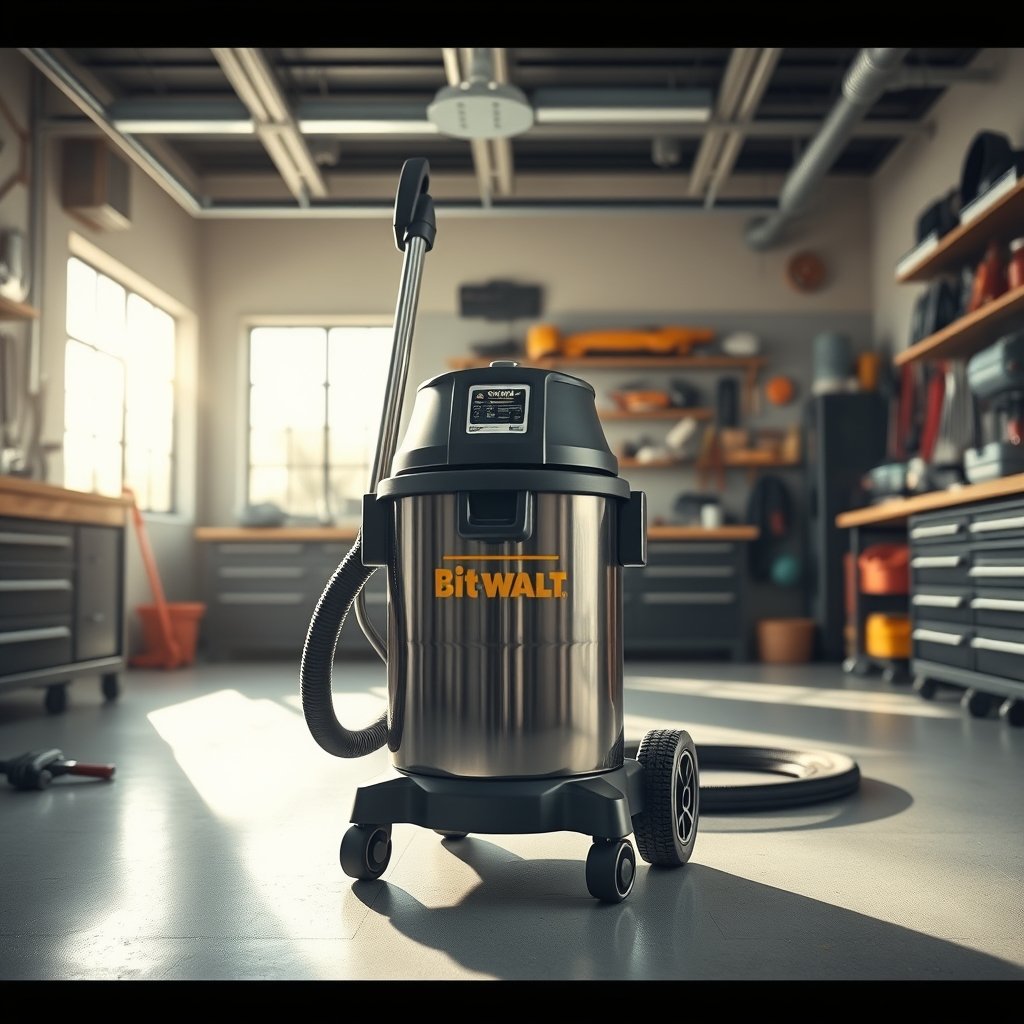
In YYYY, top-rated shop vacs start at 4.0 peak horsepower and go up to 6.5 HP, with tank sizes from 5 to 16 gallons and airflow of 80–120 CFM. This means faster liquid pickup (2–3 gallons per minute) and dry debris collection that can clear out 12 cups of sawdust in just 20–30 seconds [Popular Mechanics].
If you’re building or upgrading a garage workshop, the right wet dry vacuum becomes as important as your tool storage or floors. (Pro tip: For garage organization tips, see our full guide.)
YYYY Standout Performance and Reliability: Stats That Matter
Here are the real benchmarks that matter for wet dry vacuum choices in heavy-use garages and workshops:
- Motors deliver 4.0–6.5 peak HP, enough for grit, sawdust, and wet cleanup
- Tank capacity: 5–16 gallons means less emptying and better handling of big jobs
- Airflow: 80–120 CFM for rapid debris pickup and tough messes
- Liquid pickup: 2–3 gallons per minute in real-world tests
- Dry suction: Clears a 12-cup sawdust load in 20–30 seconds (no clogs, no drop-off)
- Mean time between failures: About 2,500 hours of use (2–5 years standard warranty, but only with durable builds)
These are not just marketing specs. Garage users find that “shop-style” vacuums (not home-use mop combos) are proven for repeated heavy-duty messes [VacuumAdvice].
For the best suction over time, always check that your model uses reinforced stainless steel or thick-walled copolymer tanks rather than thin plastic, especially for repeated wet pickup.
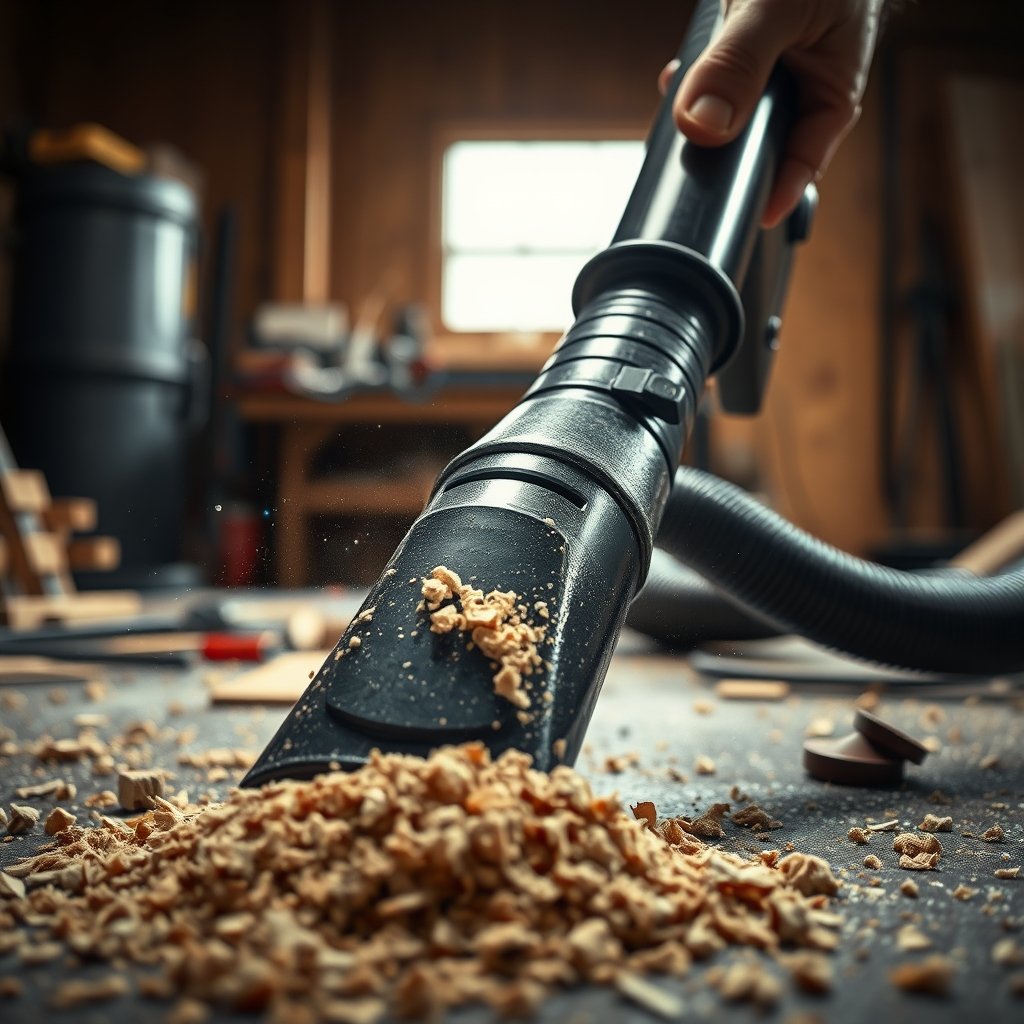
Finally, for tough oil spills and dusty projects, multi-stage washable filters keep suction steady and odors in check.
Hidden Weak Points: The Most Common Complaints from Garage Users
Even the “Best Shop Vac” can develop frustrating issues when put to daily use in a garage. Here’s what real users report most in YYYY:
- Motor Burnout: High-load use on fine dust or wet sludge overheats and kills cheap motors. User reviews on Good Housekeeping confirm this happens far too often when pushing shop vacs to their limits.
- Tank Cracking or Warping: Inexpensive, thin-walled plastic tanks often split or warp after repeated heavy wet cleanups.
- Noise Levels: Even “quiet” models are loud in confined garages. This is a frequent user complaint—especially with high-horsepower motors.
- Short Power Cords: Many models don’t offer enough reach for big garages, meaning lots of unplugging and replugging.
- Loss of Suction: Clogged filters and poorly sealed tanks quickly sap cleaning performance.
| Weak Point | Impact | Typical Model Types Affected |
|---|---|---|
| Motor burnout | Shortens operating life (<2 years), expensive repairs | Budget, lightweight, or home-use vacs |
| Tank cracking/warping | Leaks, unsafe with liquids, must replace tank | Plastic or non-reinforced tanks |
| Noise | Fatiguing in small spaces, may require PPE | All high-HP models, some poorly insulated pro vacs |
| Short power cords | Interrupts workflow, unsafe in large garages | Compact/portable & entry-level units |
Choosing a robust, properly sized model is crucial for reducing these complaints. It’s also why shop-style vacuums get higher marks from experienced DIYers compared to all-purpose home models.
What Review Sites Miss: Critical Considerations for Garage and Workshop Owners
Most “best of” lists overlook the garage and workshop realities that determine satisfaction and long-term value:
- Power vs. Portability: More horsepower and bigger tanks mean less portability. Do you clean large bay floors or just your workbench? Find your sweet spot—and remember, too big to carry is just as bad as too small to finish the job.
- Material Durability: Don’t just compare tank sizes, check construction. Modern reinforced stainless steel or thick copolymer drums prevent leakage and cracks—now the gold standard for shop-use durability. This is a shift you’ll see in every top-rated workshop vacuum.
- Filtration and Odor Management: Multi-stage, washable filters (HEPA or cartridge) are now essential. Garage dust—especially sawdust and oil residue—clogs or stinks up filters fast. Regular canister cleaning keeps suction up and odor down. For more on air quality and efficient home upgrades, see our air purifier buying guide.
Review sites often skip power cord length and hose diameter—they matter for real-world usability in large or multi-bay workshops. If noise is a key issue for you, look for decibel ratings and insulation details, just like with power tools
.
Maintenance is also where many shop vacs fall short. See the maintenance section below for a few DIY tricks to keep yours at peak performance.
Choosing the Right Shop Vac for Your Needs: Decision Guide
Garage and workshop owners are not all the same. Here’s how to choose the best shop vac based on job size, mess type, and your actual workflow.
- DIY Homeowner: For occasional sawdust, car detailing, or water leaks, a 5-to-8 gallon, 4.0–5.0 HP wet dry vacuum with a lightweight copolymer tank is plenty. Look for large wheels and cordless options for portability.
- Car Enthusiast/Detailer: You’ll want compact, maneuverable models with strong suction and specialized auto-cleaning attachments. Cordless is a plus—just make sure run time fits your schedule. For workshop projects, consider something like the Vacmaster 12-Gallon 5.5 HP [Attune Magazine].
- Woodworker/Heavy-Use Workshop: This is where you invest in 12–16 gallon, 5.5–6.5 HP, stainless or double-wall tanks. These tackle big spills and massive sawdust without overheating, and typically last longest.
“Shop-style” vacuums, as verified by the latest VacuumAdvice studies, are always more reliable for robust garage jobs than home-use mop combos or all-in-ones. If organizing your garage further is part of your plan, our storage solutions guide covers shelving and racks designed around heavy shop tools and vacuums.
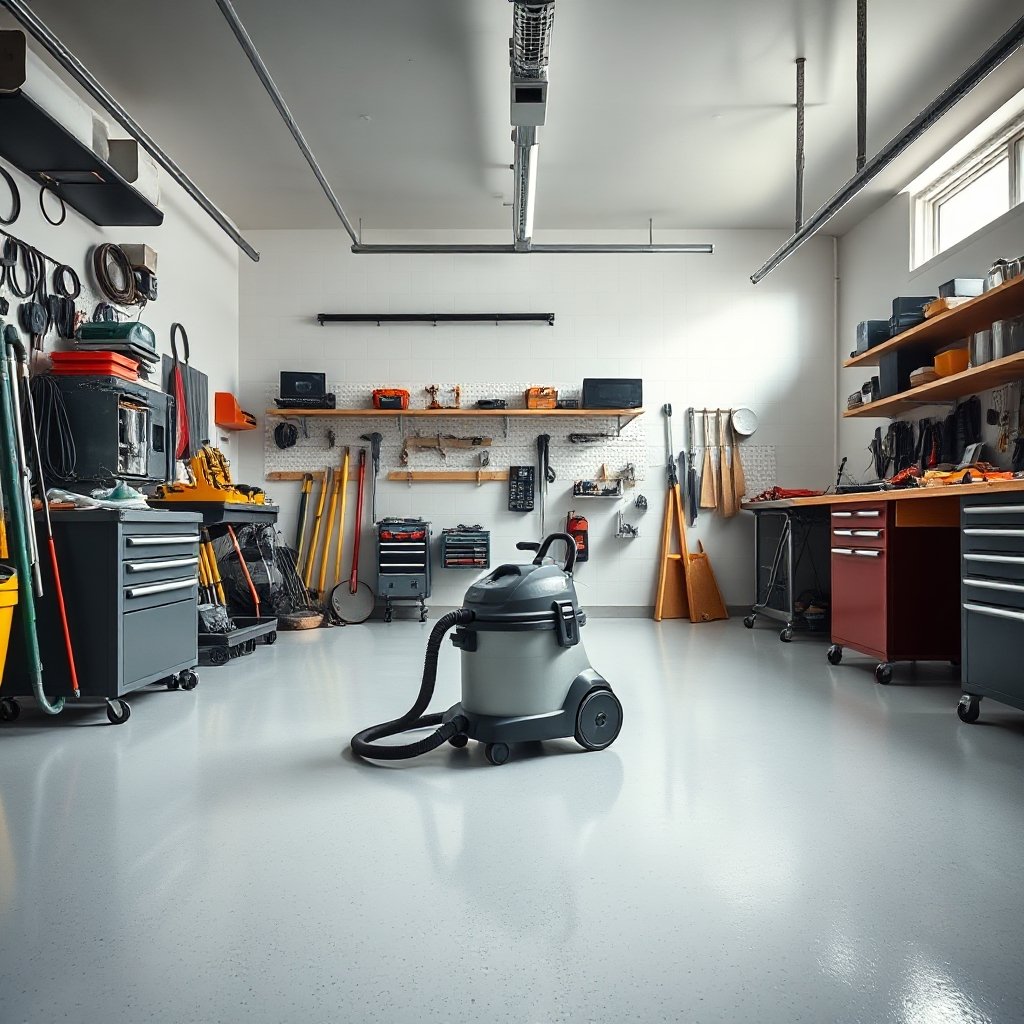
For those updating their full workshop or aiming for a minimalist approach, check out our coverage of hidden storage trends and space-saving cabinetry—which dovetail well with slimline shop vac storage.
Care, Maintenance, and Getting the Most Out of Your Shop Vac
Consistent performance means staying ahead of the most common shop vacuum failures. These best practices will not just save your investment—they truly boost cleaning performance and air quality in your garage or workshop:
- Clean filters regularly: Shake out or rinse multi-stage filters (HEPA/cartridge) after heavy or wet jobs. Replace any filter that looks degraded or refuses to release dust.
- Empty tank after wet cleanups: Don’t let water, sludge, or oils sit. These promote cracking, corrosion, and stench.
- use dust bags for fine material: Sawdust or sanding dust fills filters quickly. Bags act as a sacrificial layer.
- Inspect hoses and seals: Replace any parts showing cracks or stiffness—keeping your system air-tight maintains maximum suction.
- Wipe exterior and wheels often: Shop grit damages wheels and can scrape floors—simple cleaning extends the hardware life.
For more in-depth homeowner maintenance strategies beyond the shop vac, see our Home Maintenance Checklist.
Regular attention to these points, plus a habit of checking the tank and storing your vacuum indoors or off concrete floors, can stretch your shop vac’s mean time between failures well past 2,500 hours, making it truly workhorse equipment for your projects.
Conclusion
Selecting the Best Shop Vac for a garage or workshop in YYYY is about much more than horsepower bragging rights. Durability, realistic tank size, real-world power cord reach, and easy filter changes mean more for long-term reliability and satisfaction. Prioritize shop-style wet dry vacuums proven in heavy messes, and set up a regular care routine to keep suction and odor control strong all year.
Ready to upgrade your garage’s cleaning power? Compare shop vac specs, check verified reviews, and invest based on your real cleanup needs. For more value-adding DIY home upgrades or tool reviews, browse our best product picks or power tool comparison guide to get started.
FAQ
What size shop vac is best for my garage or workshop?
For most workshops and garages, a 10–12 gallon shop vac balances capacity with maneuverability. Heavy-duty users or woodworkers may prefer 14–16 gallons, while detailers can often get by with 5–8 gallon portable models.
How do I keep my shop vac from losing suction?
Regularly clean or replace filters, use collection bags for fine dust, and always check that all seals, hoses, and lids are tight. Do not let water or sludge sit in the tank.
Are stainless steel tanks really better than plastic for shop vacs?
Yes. Stainless steel or modern reinforced copolymer tanks are far more resistant to cracking, warping, and long-term leaks, especially after repeated heavy wet cleaning.
What should I look for in a shop vac filter for garage use?
Prioritize multi-stage or HEPA filters that are washable and easy to clean. Cartridge types tend to last longer and handle shop dust and oily residues better.
How do I control shop vac noise?
control shop vac noise? No shop vac is truly quiet, but choosing models with insulated motors and looking for decibel ratings can help. Wearing ear protection is wise for extended use, especially in confined spaces.