

### Blog Post:
Fall Home Maintenance Checklist isn’t just another seasonal to-do—it’s a money-saving, disaster-preventing plan to protect your home from costly winter surprises. Too many homeowners skip vital steps or only tackle the easy chores, then end up paying for emergency repairs. If you’re busy, frustrated by long lists, or just want clear instructions that actually prevent problems, this guide is for you.
Key Takeaways
- Focused fall home maintenance can prevent up to 40% of winter repair costs—especially burst pipes, leaking roofs, and water intrusion issues.
- The best checklist isn’t the longest: prioritize high-impact but overlooked tasks for max protection in minimum time.
- Clear, realistic steps save time and money by helping you handle essential tasks yourself—and knowing exactly when to call in a pro.
- Why Fall Home Maintenance Matters—And How It Saves Thousands
- The Ultimate Fall Home Maintenance Checklist: High-Impact, Overlooked, and Easy-to-Do Tasks
- Expert Fall Home Maintenance Tips Most Checklists Forget
- Fast Scheduling: How to Tackle Your Checklist Before Winter Hits
- When to Call the Pros (Without Breaking the Bank)
- Printable Fall Home Maintenance Checklist [Downloadable Resource]
- Conclusion
- FAQ
Why Fall Home Maintenance Matters—And How It Saves Thousands
Ignoring autumn home maintenance is one of the costliest mistakes a homeowner can make. About 30 to 40 percent of the most expensive winter repairs—such as burst pipes, roof leaks, and foundation water damage—could be avoided simply by running through an effective Fall Home Maintenance Checklist. Focused maintenance now is your single best chance to beat winter prep headaches, avoid emergency bills, and enjoy real peace of mind through the coldest months.

Tuning up your home before the first freeze means no frantic rush for repairs and no scrambling to find an available contractor after the neighbor’s pipes burst or the roof leaks. In most cases, the small amount of time and effort you spend this fall is repaid many times over in repairs avoided and comfort protected. [Source]
Want more ideas for keeping utility bills low and comfort high? Explore our energy efficiency upgrades guide for even more ways to winter-proof your property.
The Ultimate Fall Home Maintenance Checklist: High-Impact, Overlooked, and Easy-to-Do Tasks
If you’ve ever been overwhelmed by endless seasonal checklists full of generic chores, you’re not alone. The biggest complaints from homeowners revolve around: time pressure, confusing instructions, and uncertainty about which tasks really matter. That’s why this Fall Home Maintenance Checklist focuses only on essentials—especially the most commonly missed steps that make the biggest difference:
- Insulate all exposed pipes—including attic, crawlspace, and exterior runs. Use foam pipe sleeves or fiberglass insulation and secure with tape. Pay extra attention to spots near foundation walls or cold corners. This is the most often-overlooked step—and a top cause of expensive burst pipes.
- Check and reseal roof flashing around chimneys, skylights, and vents. Look for cracked or missing sealant and replace with roofing caulk that matches your roof color. Don’t skip this: water intrusion here is a leading cause of hidden leaks.
- Inspect and reseal windows, doors, and siding joints using the right caulk. For best results, use a high-quality exterior grade, apply in a smooth, continuous bead, and use primer where recommended. Need more on materials? Our painting and caulking guide breaks down what works best.
- Winterize outdoor faucets and drain irrigation lines. Detach hoses, drain the pipe, and install insulated faucet covers. If you have an irrigation system, use the manufacturer’s blow-out method or call a pro for proper winterization.
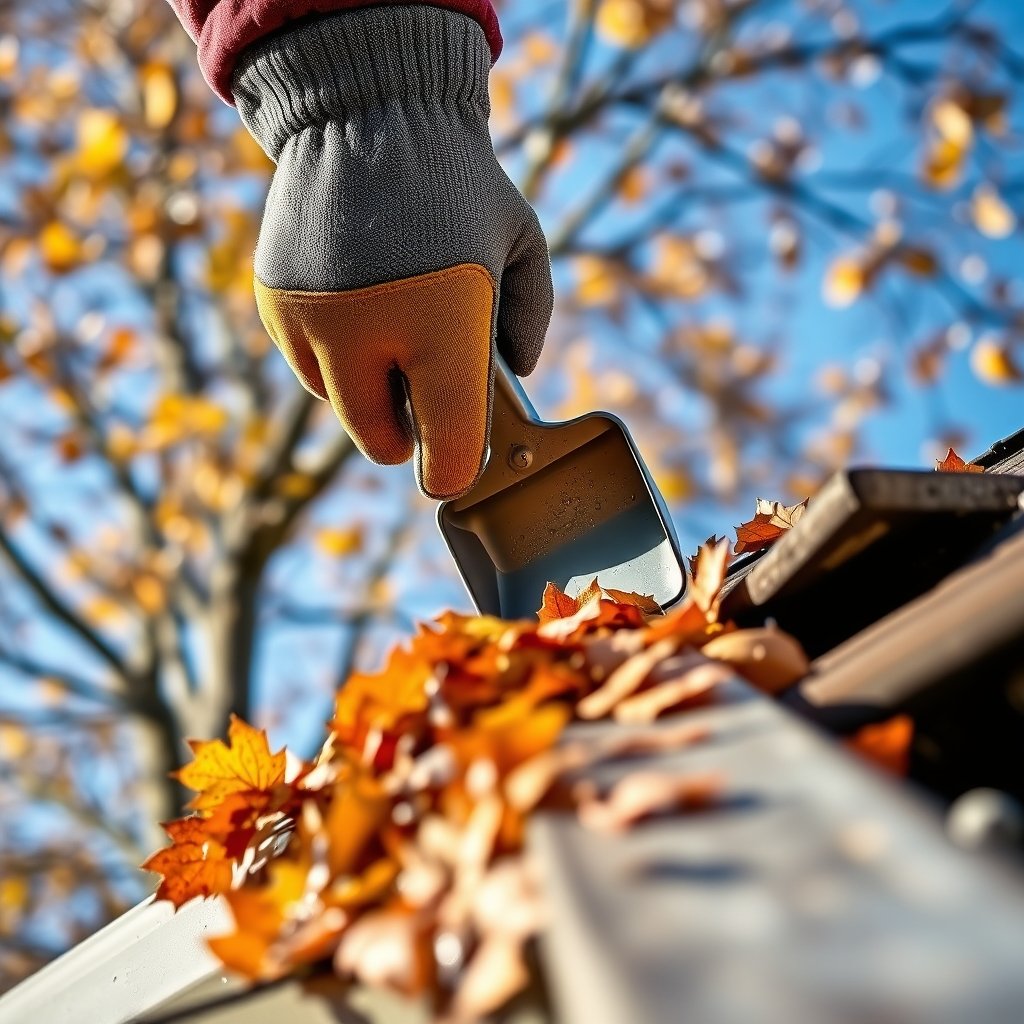
- Clean gutters with a hand scoop and rinse with a hose. Avoid using a stick or broom (these can damage seams), and never blast with a pressure washer. Clogged gutters = foundation water risk and ice dams.
- Test sump pump and extend downspout drainage. Pour a bucket of water into the pit and watch for fast discharge. Make sure downspouts send water at least 6 feet away from the house—add extensions if needed.
- Seal decks and walkways before freeze-thaw cycles set in. Clean thoroughly, repair cracks, and apply a weatherproof sealant to prevent splintering, shifting, or rot. See more deck care tips in our outdoor living guide.
- Clear, check, and winterize dryer vents and HVAC condensate lines. Remove lint with a flexible brush and make sure outlets are free from leaves. This step reduces fire hazards and prevents freeze-ups.
- Test smoke and CO detectors, and inspect fireplace/chimney if used. Replace batteries and schedule a sweep if needed. Faulty detectors and dirty chimneys are overlooked causes of winter fires.
If you’re a DIYer who likes a concise visual, check out our step-by-step home maintenance checklist with printable tasks.
For more unique ideas, our DIY projects guide offers simple upgrades that go hand-in-hand with seasonal maintenance.
Expert Fall Home Maintenance Tips Most Checklists Forget
Even the most popular guides often under-explain crucial steps—leaving you vulnerable to small mistakes that can lead to big expenses. Here are the advanced, practical techniques (and common pitfalls) almost everyone misses:
| Advanced Tip | Why it Matters / Common Pitfall |
|---|---|
| Test sump pump by pouring in water—not just plugging in (simulate heavy rain). | Many checklists say ‘test it’ without specifics; if your pump doesn’t run under load, you risk a flooded basement during winter storms. [Source] |
| Insulate pipes in attics and crawlspaces—even if the rest of your home is heated. | Most guides focus on basement pipes; attic pipes are just as likely to freeze and burst if forgotten. Missed insulation = rapid heat loss. |
| Proper downspout drainage (6+ feet from foundation). | Short downspouts or poor grading lead to foundation leaks or ice dams near your home’s footings. Add extensions or regrade soil as needed. [Source] |
| Safe gutter cleaning: use a scoop and hose, never sharp or heavy tools. | Improper cleaning causes gutter leaks, misalignment, or personal injury. Consider a stable ladder and late-morning scheduling for dry leaves, as detailed in our ladder safety resource. |
| Winterize irrigation with an air compressor—or hire a pro. | Many miss this entirely: leftover water can freeze and burst underground lines, leading to landscape damage and costly repairs. [Source] |
- Don’t overlook dryer vent and HVAC drain cleaning—fire and water damage prevention starts here.
- If you see subtle signs of slow drains or unusual water taste, don’t ignore them—hidden plumbing problems can escalate through freeze-thaw cycles. [Source]
- Door weatherstripping and threshold sweeps are quick energy savers—install or replace old strips to cut heating bills.
Curious about other common homeowner mistakes? See our top mistakes guide to avoid costly and frustrating errors.

Fast Scheduling: How to Tackle Your Checklist Before Winter Hits
The hardest part of fall maintenance is finding the time, especially when autumn weather makes outdoor jobs unpredictable. Left until the last minute, tasks get rushed or skipped—leading directly to winter emergencies like septic backups or frozen HVAC components.
Here’s how to make your Fall Home Maintenance work, even with a crazy schedule:
- Start early in the season: Aim to finish outdoor or roof tasks in the first weeks of fall—before frost and rain become routine.
- Break the checklist into 20- to 30-minute blocks. Tackling two chores each weekend beats getting overwhelmed by a big list.
- Prioritize high-risk tasks first: Pipes, gutters, roofs, and any area with past issues.
- Bookmark days with favorable weather forecasts. Use a weather app to lock in your outdoor work days ahead of time.
- Get family or housemate buy-in: Assign simple tasks (battery swaps, deck sweeping, or hauling) to spread the load.
If you’re ever in doubt about basic maintenance, our collection of home repair tips can guide you through simple routines that prevent future problems.
When to Call the Pros (Without Breaking the Bank)
Some fall maintenance jobs really do need a professional—especially where safety, major equipment, or insurance coverage is at stake. But knowing the difference between a must-have inspection and unnecessary service can save you hundreds.
- Call a pro for:
- Roof inspections if shingles/flashing are damaged or access is unsafe.
- Chimney sweeping and fireplace safety checks.
- Complex HVAC maintenance, including furnace tune-ups.
- Sprinkler/irrigation blow-out if you don’t own the right compressor.
- DIY is usually safe for:
- Changing HVAC filters, swapping batteries in detectors.
- Basic caulking, window/door sealing, deck cleaning and sealing.
- Insulating pipes with slip-on sleeves.
To save on professional costs, consider bundling inspections (roof and chimney together), asking friends/neighbors for reliable referrals, or scheduling at off-peak times when pros run discounts. Also, read your systems’ manuals—sometimes tasks that seem complex can be done in minutes with the right instructions.
Find more ideas for getting great results on a budget in our budget home upgrades guide.
Printable Fall Home Maintenance Checklist [Downloadable Resource]
Want everything in one quick, no-nonsense list you can print and check off? Here’s your concise, high-impact Fall Home Maintenance Checklist for this year:
- Insulate ALL exposed pipes (including attics, crawlspaces, exterior runs)
- Check and reseal roof flashing/chimney area
- Caulk and seal windows, doors, and siding joints
- Winterize outdoor faucets and drain irrigation lines
- Gutter cleaning (scoop; hose; check downspout extensions—6ft+)
- Test sump pump (with water); check pit for debris
- Seal wood decks, walkways, and patios
- Clear dryer and HVAC vents, check condensate lines
- Test smoke/CO detectors, inspect chimney/fireplace
- Replace door weatherstripping and thresholds as needed
- Schedule pro inspections for roof/HVAC/chimney when unsure
Download the Printable Checklist (PDF)
Combine this with our seasonal maintenance tips for even more year-round coverage.
Conclusion
A smart, prioritized Fall Home Maintenance Checklist is the single best tool you have to prevent costly emergencies and keep your home safe and comfortable. Start now—even small steps make a huge difference. Focus on the high-impact, often-overlooked tasks and use clear, actionable steps to save time, money, and stress. Download the checklist, schedule your first weekend session, and share this post with a neighbor who always waits until it’s too late. Protect your investment. Prevent headaches. And keep your home ready for whatever winter brings.
Ready to protect your home this season? Start with the Fall Home Maintenance Checklist today.
FAQ
What is the most commonly missed item on a Fall Home Maintenance Checklist?
The most commonly missed item is thoroughly insulating all exposed pipes—including attic and crawlspace runs—not just the basement. Many costly burst pipes happen in these overlooked spots.
How soon should I start my fall home maintenance each year?
You should start as soon as night temperatures begin to dip toward the 40s—usually early-to-mid autumn—so you can finish weather-sensitive jobs before the first hard freeze.
Is it safe to clean the gutters myself, or should I always call a pro?
If you have a stable ladder and don’t have a multi-story home, most people can safely clean gutters using a scoop and hose. Always avoid pressure washers or sharp tools, and never reach further than your arm’s length.
Can skipping outdoor faucet winterization really cause major damage?
Yes. An unprotected outdoor faucet or irrigation line can freeze, burst, and cause expensive indoor flooding or foundation damage. Always detach hoses and cover with an insulated cap.
How do I know which tasks I actually need to hire a professional for?
Hire pros for roofs, chimneys, and complex HVAC tune-ups. Most basic maintenance—such as caulking, filter replacements, and weatherstripping—can be DIYed if you follow detailed instructions.