

Basement Waterproofing Tips are essential for any homeowner looking to protect their property in YYYY. If you think a little dampness is harmless, think again—over a quarter of homes in North America now face basement moisture every year, putting your equity, comfort, and health at risk.
Key Takeaways
- Nearly 1 in 3 homes in the US and Canada now experience basement moisture at least once a year—making waterproofing a critical investment.
- Most DIY fixes and generic contractor solutions miss key culprits like hidden cracks, poor drainage design, and outdated tech.
- Integrating smart monitoring, cutting-edge sealants, and advanced drainage methods is now recommended for genuine, lasting results.
- Why Basement Waterproofing Is More Critical Than Ever in YYYY
- Step-by-Step Guide: Waterproofing Your Basement in YYYY
- Advanced Analysis & Common Pitfalls
- Conclusion
- Frequently Asked Questions About Basement Waterproofing (YYYY Update)
Why Basement Waterproofing Is More Critical Than Ever in YYYY
Basement waterproofing tips are not just for homeowners living in flood zones. With climate shifts leading to more intense rain, rapid snow-melt, and unpredictable storms, property owners from Chicago to Toronto are seeing increased risk of basement moisture. Data shows roughly 28% of US single-family homes and 31% of Canadian homes faced at least one instance of water intrusion in the last year. The risk skyrockets to 45% in regions hit by heavy precipitation or snow.
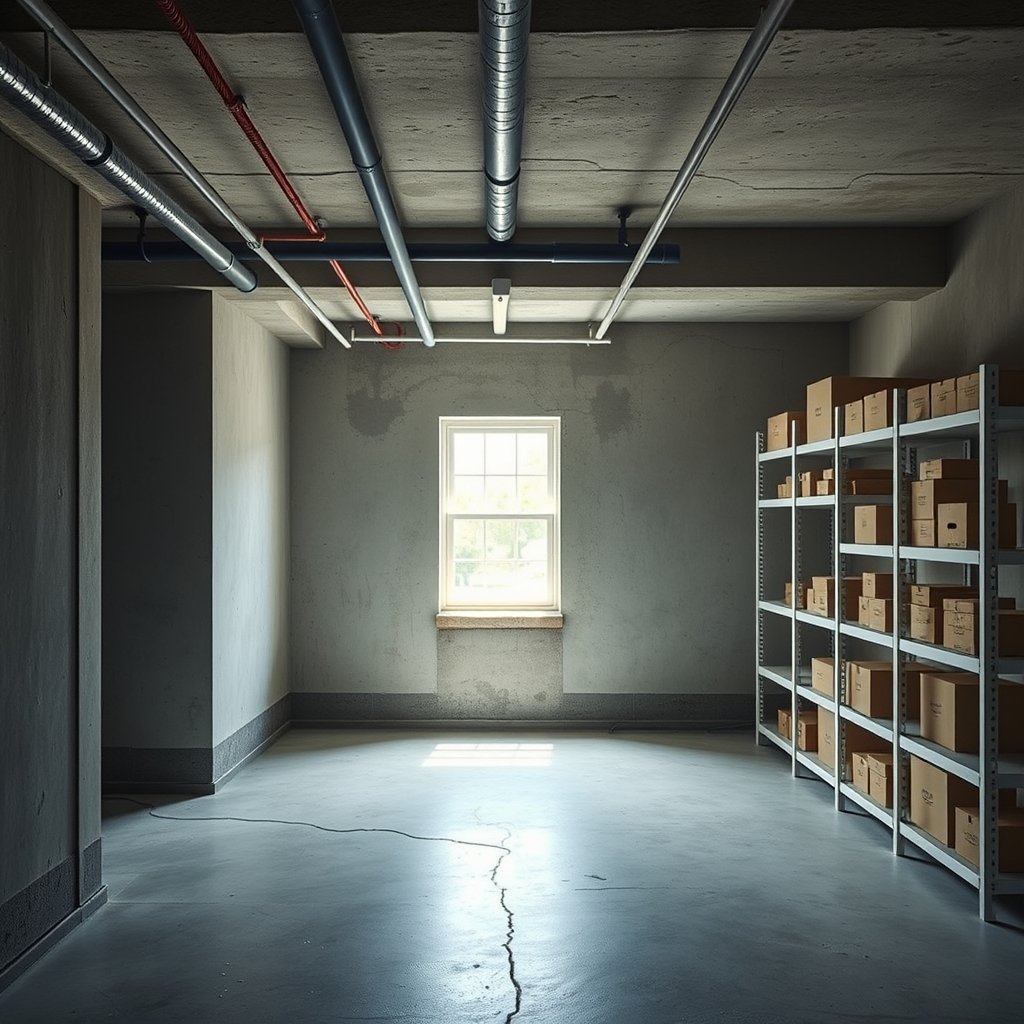
Unchecked basement moisture threatens your home’s structure, can trigger costly repairs, lowers property value, and leads to unhealthy mold issues. Standard approaches—like slapping on some sealant or adding a sump pump—often miss deeper foundation or drainage problems. Modern homeowners want solutions that last, even as regional weather patterns become more unpredictable. Read more on the importance of basement waterproofing.
Step-by-Step Guide: Waterproofing Your Basement in YYYY
If you’re aiming for a truly dry, healthy, and waterproof basement, follow these actionable steps:
- Assess Your Risk: Map your home’s risk profile. Is your region prone to snow-melt, flash flooding, or clay-rich soils that retain water? Homes in the Upper Midwest, Great Lakes basin, and Atlantic coast observe the highest intrusion rates.
-
Identify Trouble Spots: Common weak points include:
- Cracks in foundation walls or floors
- Poorly sloped landscaping channeling rainwater toward, not away from, the house (see grading discussion here)
- Aging window wells
- Gutter downspouts that empty close to the foundation
- Failing or undersized sump pumps (systems can’t handle heavier events)
-
Choose a Modern Waterproofing System: Upgrade beyond “paint-on” sealants. Options include:
- Polymer-modified crystalline waterproofing slurry: A chemical blend that seals micro-pores in concrete and self-heals as new moisture intrudes.
- Wi-Fi-enabled moisture sensors: Place in problem areas for real-time humidity alerts, pooling detection, and to auto-trigger sump pumps or smart dehumidifiers. See smart home device tips.
- Exterior French drains with geosynthetic mats: These advanced drains channel water away, while fiber-reinforced, self-healing concrete protects your foundation from both leakage and soil pressure.
- Use Interior Drainage Where Needed: For older homes or those with persistent seepage, a below-floor perimeter drainage system can capture water before it rises above slab level.
- Preventative Maintenance: Clean gutters, keep downspouts clear, and landscape so soil slopes away from your foundation. For a full maintenance routine, see our Home Maintenance Checklist.
- Professional Or DIY? Major foundation work and advanced drainage are best left to pros certified in your region. But installing sensors, patching cracks, and adjusting grading are viable for a savvy homeowner.
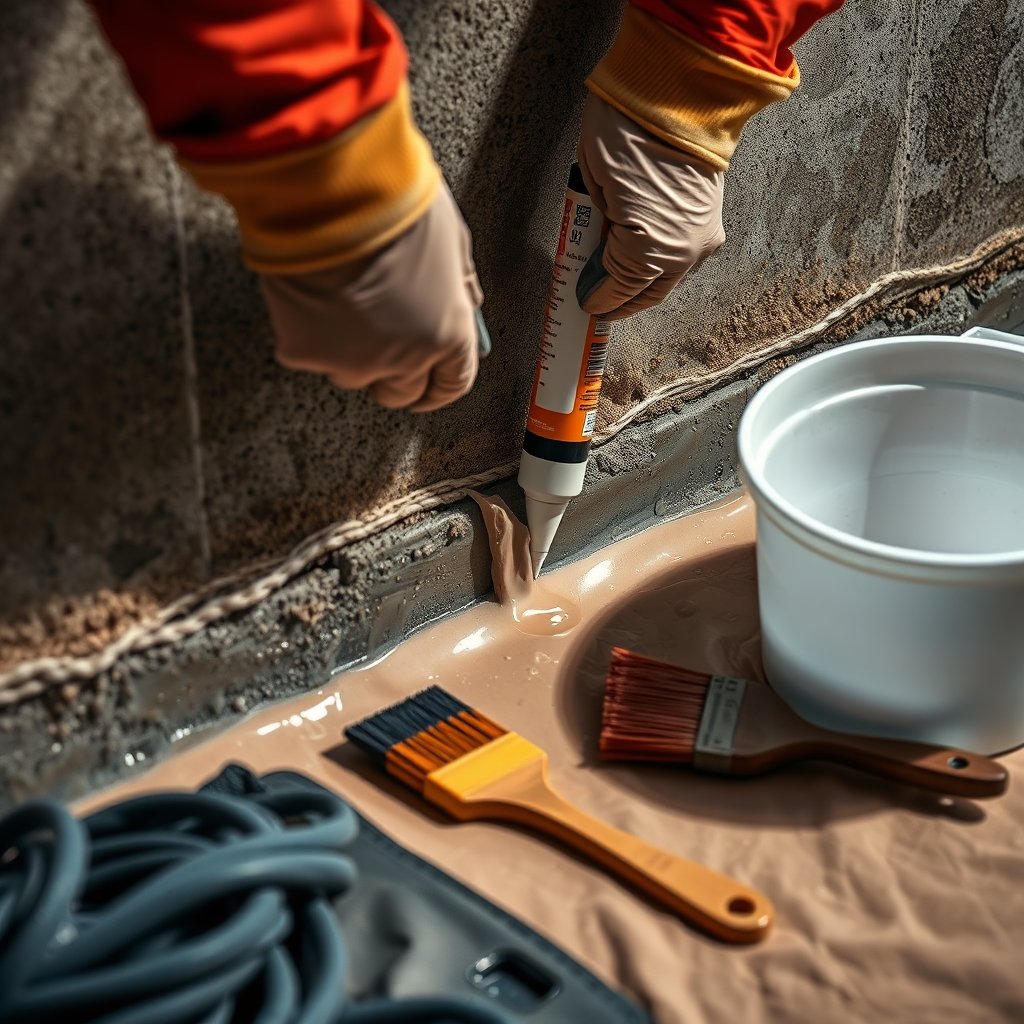
Combine these steps for the best odds of a genuinely waterproof basement—rather than just a “dryer” one. Want ideas on how to incorporate water-resistant finishes upstairs as well? Check out limewash paint techniques that resist mold and moisture.
For more tips on tackling DIY repairs throughout your home, read our DIY Home Repairs Beginner Guide.
Advanced Analysis & Common Pitfalls
Even with vigilant effort, many homeowners run into frustrating issues. Here are the biggest complaints and real-world failures reported even after attempted waterproofing:
| Problem | Why It Happens | What Actually Works |
|---|---|---|
| Persistent Seepage (Cracks) | Hairline or overlooked cracks in concrete; surface-only treatments do not penetrate deeply enough to seal through the wall thickness. | Epoxy/urethane injection for cracks, plus polymer-modified crystalline slurry for surface waterproofing. |
| Undersized Sump Pumps | Pumps can’t keep up with new storm frequency or power outages leave the basement unprotected. | Larger dual-pump systems with battery backup and real-time water monitoring sensors. See expert sump pump advice. |
| Rapid Breakdown of Interior Sealants | DIY sealants dry out, develop pinholes, or get pushed off by persistent hydrostatic pressure from outside. | Modern chemical-based slurries that grow crystals and self-seal new leaks as they form. |
| Expensive Exterior Excavations Fail | Removal and replacement of dirt and waterproofing membranes without fixing soil grading or drainage routes. | Integrated approach: fix grading, use high-tech drainage mats, and reinforce new backfill with self-healing concrete. |
Other overlooked pitfalls:
- Not incorporating real-time monitoring—missing leaks until mold or damage is advanced.
- Using the wrong technique for your foundation type (block, poured, or stone).
- Forgetting about exterior water sources like overflowing gutters or yard runoff. For detailed tips, see Gutter Maintenance Tips.
Smart home enthusiasts have started automating leak detection and humidity control—with new Wi-Fi devices that tie into sump and HVAC systems, automatically notifying you before flooding starts. This minimizes damage and repair bills. Learn more about smart home leak detectors and other upgrades.

Conclusion
Basement waterproofing isn’t a once-and-done project or something you “hope” worked after a rainy weekend. Combine the proven basement waterproofing tips above—from expert grading and advanced slurries, to Wi-Fi sensors and new generation French drains—to genuinely defend your most valuable asset. Keeping your basement dry today protects your property value, your health, and your peace of mind for years to come. For more ways to safeguard your investment and increase comfort, discover our best home improvement ideas next.
Frequently Asked Questions About Basement Waterproofing (YYYY Update)
How much does basement waterproofing cost in YYYY?
Costs range from a few hundred dollars for DIY crack sealing and sensor installations, to several thousand for professional perimeter drains or sump systems. The typical homeowner spends $3,000–$8,000 on comprehensive solutions, depending on size and severity.
Will waterproofing disrupt my daily life?
Basic crack repair or sensor setup is minimally invasive and often finished in hours. Perimeter drainage installation and major foundation work can disrupt part of your basement for several days. Reputable pros minimize dust, noise, and cleanup after the job.
What is the most important tip for a waterproof basement?
Combine multiple strategies—address grading, seal cracks effectively, install moisture sensors, and ensure your sump system is modern and sized for your region’s rain patterns. Neglecting any one step (such as ignoring a small crack or poor grading) invites trouble down the road.
Should I use the newest smart sensors and tech?
Yes. Modern Wi-Fi moisture sensors and smart dehumidifiers provide real-time alerts and even automate pump activation. This is the easiest way to spot hidden problems before you get major damage. Learn more about smart home technology.
How often do North American homes experience basement moisture?
Nearly 1 in 3 homes now experience basement moisture or leaks at least once every calendar year—this number is even higher in regions with high rainfall, freeze-thaw cycles, or heavy snow-melt events. Don’t wait for a big leak to start upgrading your defenses. See data source.