

Gutter Maintenance Tips are vital for protecting your home from expensive and hidden water damage. If you’re tired of clogged gutters, overflowing water after every storm, or feeling like gutter guards never work as advertised, you’re not alone—there are research-backed fixes that can save money, extend your home’s life, and prevent many headaches.
Key Takeaways
- Neglected gutters are a leading cause of costly home water damage—simple maintenance can save thousands in repairs.
- Most homes need gutter cleaning at least twice a year, but heavy tree coverage or poor gutter guards often require more frequent checks.
- Practical, research-based gutter maintenance tips exist for every home—whether you prefer DIY, professional help, or upgraded protection.
- Why Gutter Maintenance Matters: The Real Cost of Clogged Gutters
- Essential Gutter Maintenance Tips Every Homeowner Should Follow
- Pro Tips the Usual Gutter Cleaning Guides Miss
- Should You DIY, Install Gutter Guards, or Hire a Pro? Cost-Benefit Analysis
- Frequently Asked Questions: Gutters, Guards, and Water Damage
Why Gutter Maintenance Matters: The Real Cost of Clogged Gutters
Far from a minor chore, gutter maintenance tips can mean the difference between a dry basement and a major insurance claim. In YYYY, approximately 10% of all homeowner water-damage claims were attributed to clogged gutters. These claims led to $1.3 billion in annual losses for U.S. homeowners, with the typical payout for a single event now approaching $7,000 [source]. Gutters that do not move water away from your foundation or roof allow it to seep under shingles, into walls, or even flood the basement. This is not just a spring-cleaning issue—clogged gutters are a top driver of structural rot, mold, and costly emergencies, year after year.

Essential Gutter Maintenance Tips Every Homeowner Should Follow
Most Americans should clean gutters at least twice a year—once in late spring to handle tree debris and seed pods, and again in late autumn when leaves drop. If your lot is shaded by oaks, pines, or maples, expect to add seasonal checks after major storms and possibly quarterly cleanings. Experts recommend visual inspections every month by walking the perimeter and looking for:
- Water spilling over gutter edges during rain
- Plants or seedlings growing inside gutters
- Sagging, leaking, or rust-stained gutter sections
- Pooling water near the foundation after a heavy storm
Follow this prioritized checklist for optimal results:
- Inspect gutters and downspouts after major weather events.
- Manually remove large debris by hand or scoop—use gloves.
- Flush gutters and downspouts with a garden hose to ensure free flow.
- Check hangers, brackets, and seams for sagging or separation—tighten as needed.
- Direct downspout discharge at least 6 feet away from the home.
If you’re looking for a broader seasonal strategy, check out this home maintenance checklist for other water-related tasks.

Always remember to examine your landscaping as well—a muddy or eroded flower bed below a downspout often signals a silent problem. For further outdoor tips, scan this guide on outdoor living spaces and how they intersect with effective drainage.
Pro Tips the Usual Gutter Cleaning Guides Miss
Most top-ranking gutter cleaning guides overlook expert details that can double a gutter system’s reliability. Here’s what savvy homeowners and professionals do differently:
- Check and adjust gutter pitch: Gutters should slope slightly (about 1/4 inch per 10 feet) toward each downspout. Flat or reversed pitch traps standing water and debris. Use a level periodically, especially after severe weather.
- Inspect downspout outlets and elbows for clogs you can’t see: Sometimes, blockages occur inside bends, especially near ground level. A small plumber’s snake or inspection camera can pinpoint hidden trouble without taking apart the whole system.
- Choose gutter guards wisely: No system is “set and forget.” Micro-mesh guards outperform standard screens against small seeds, but in snow-heavy climates, solid covers may shed ice dams better. See recent expert reviews for climate-specific picks.
- Pest prevention: Don’t just focus on leaf buildup. Birds, rodents, and insects love clogged gutters—a cleaned system combined with screen guard ends or downspout strainers can help block nests.
- Integrate gutter solutions with landscaping: Ensure all discharge runs clear of walkways and doesn’t erode your yard. Consider a buried drain pipe extension if water regularly accumulates near your home.
Many of these tasks require tools or techniques beyond the standard homeowner kit. See this guide to the best tools for homeowners for safe and efficient gutter work.
Downspout outlet cleaning with cameras or drain augers is the fastest way to solve mystery leaks or chronic overflows, especially where gutter guards can’t help. If your region is prone to heavy snowfall, avoid foam gutter inserts or “brush” guards—these can trap moisture and seeds, causing gutters to sag under the weight and even grow plants [see why here].
Should You DIY, Install Gutter Guards, or Hire a Pro? Cost-Benefit Analysis
Before deciding, weigh the realistic pros and cons—not every gutter protection approach fits every home (or every budget):
| Method | Initial Cost | Maintenance Needs | Common Risks |
|---|---|---|---|
| DIY Cleaning | Minimal (supplies, ladder) | Biannual or more frequent for trees | Injury from ladder falls, missed clogs, tedious labor |
| Gutter Guards | $1,000–$2,000 (installed, whole home) | Annual check/clean required; some systems ineffective vs. small debris | Installation fit, ongoing cleaning, not always suitable for heavy snow/seed regions |
| Professional Service | $100–$250 per visit | Scheduled, hands-off | Recurring cost, still requires oversight to ensure quality |
Keep in mind: the average payout for a single clogged-gutter water damage claim is nearly $7,000. Regular, thorough cleaning—whether DIY or managed—often costs a fraction of that. For hands-off homeowners, combining professional cleaning with a high-quality, region-appropriate gutter guard is usually the best value for maximizing protection and minimizing unexpected claims. Explore more actionable ways to increase your home’s resilience in these best home upgrades recommendations.
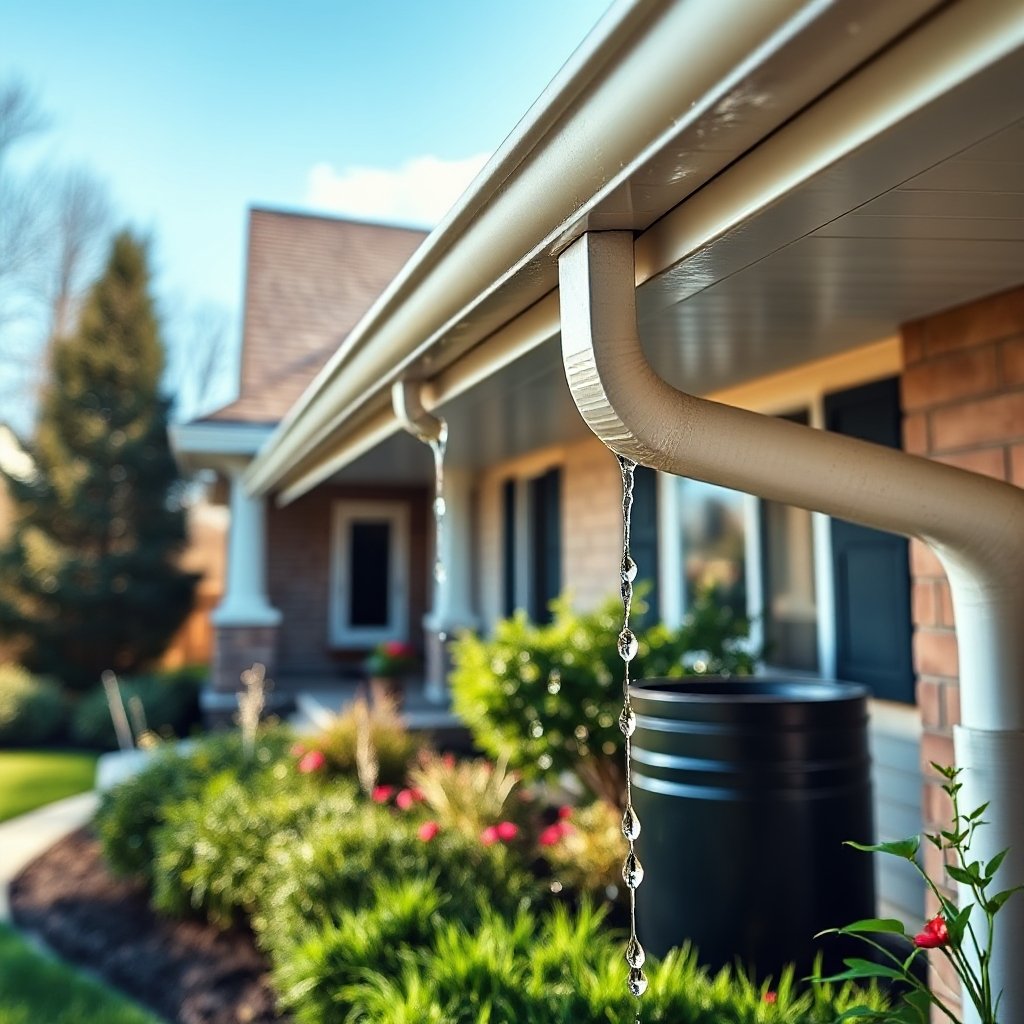
Frequently Asked Questions: Gutters, Guards, and Water Damage
How do I know if my gutters are clogged or blocked?
Look for water spilling during rain, stains or streaks on the outside walls or soffit, sagging gutter sections, plants or moss growing from the gutters, or water collecting in your basement or crawl space. These are strong signs you need to clean and inspect your gutters as soon as possible.
How often should gutters really be cleaned?
At minimum, clean your gutters twice a year—once each in late spring and late autumn. Homes surrounded by trees may need cleaning three or four times a year, especially after major storms. Regular monthly visual checks are also wise.
Are gutter guards worth it?
Gutter guards reduce large debris, but most do not fully block small seeds or fine debris. No system is maintenance-free. Choose a guard type based on your local climate and types of tree debris. Plan to inspect and flush even “protected” gutters at least once a year.
Should I DIY gutter cleaning or hire a professional?
If you feel comfortable on ladders and have a one-story home, DIY is cost-effective. For multi-story homes, steep roofs, or if you have mobility or time concerns, a professional service is safer and more reliable. Never risk your safety for savings.
What’s the most overlooked cause of gutter problems?
Poor gutter pitch or wrongly placed downspouts. A gutter that isn’t sloped or drains in the wrong spot will clog and overflow no matter how often you clean it. Check slope and outlet placement during every maintenance session.
Conclusion
Gutter maintenance tips go far beyond cleaning leaves. The real cost of neglected gutters is high, but with regular checks, practical upgrades, and smart product choices, you can dramatically reduce the risk of insurance claims and structural damage. Take time this season to walk your property, inspect your system, and pick the right gutter cleaning strategy for your home. Remember, a small investment in prevention now will save big money and frustration down the road. For even more home care advice, visit our home maintenance tips hub. Ready to protect your home? Start with your gutters today.