
### Blog Post:
Best Home Alarm Systems are grabbing attention from homeowners and renters alike in YYYY—and for good reason. If you’re considering an upgrade or your first install, this guide breaks down the features that matter, reveals where top brands miss the mark, and maps the fastest path to true peace of mind.
Key Takeaways
- Wireless and smart alarms now make up 45% of new installs, driving adoption through easy DIY, app access, and flexible integrations.
- AI-enhanced motion verification has nearly eliminated false alarms—but subscription fees, privacy, and compatibility remain common user headaches.
- Visible alarm presence alone deters up to 83% of burglars, and high smart-alarm adoption measurably lowers community burglary rates.
- Why Home Alarm Systems Matter in YYYY
- Wireless and Smart Alarms—Shaping the Future of Home Security
- Must-Have Features That Make or Break the Best Systems
- Real User Pain Points—The Deal-Breakers in YYYY
- Critical Comparison Points Other Guides Miss
- How to Choose the Best Home Alarm System for Your Needs
- Frequently Asked Questions About Home Alarm Systems
Why Home Alarm Systems Matter in YYYY
Burglaries are on the rise again, but technology and smart systems are shifting the landscape. Nearly 83% of burglars now check for visible security alarms before deciding to break into a home. In neighborhoods with higher penetration of the Best Home Alarm Systems and visible security signage, local burglary rates consistently fall. In fact, visibly secured homes see up to 60% of burglars walk away without attempting entry, and if an alarm is triggered, about half will abandon the break-in [source].
Modern Home Security Alarm systems don’t just record incidents—they actively deter crime. Smart systems that network with neighbors, push instant alerts, and give you app-based control directly influence criminal decision-making and community-level safety. Investment in a modern home alarm is no longer just personal, it’s a move proven to benefit the entire neighborhood [study].
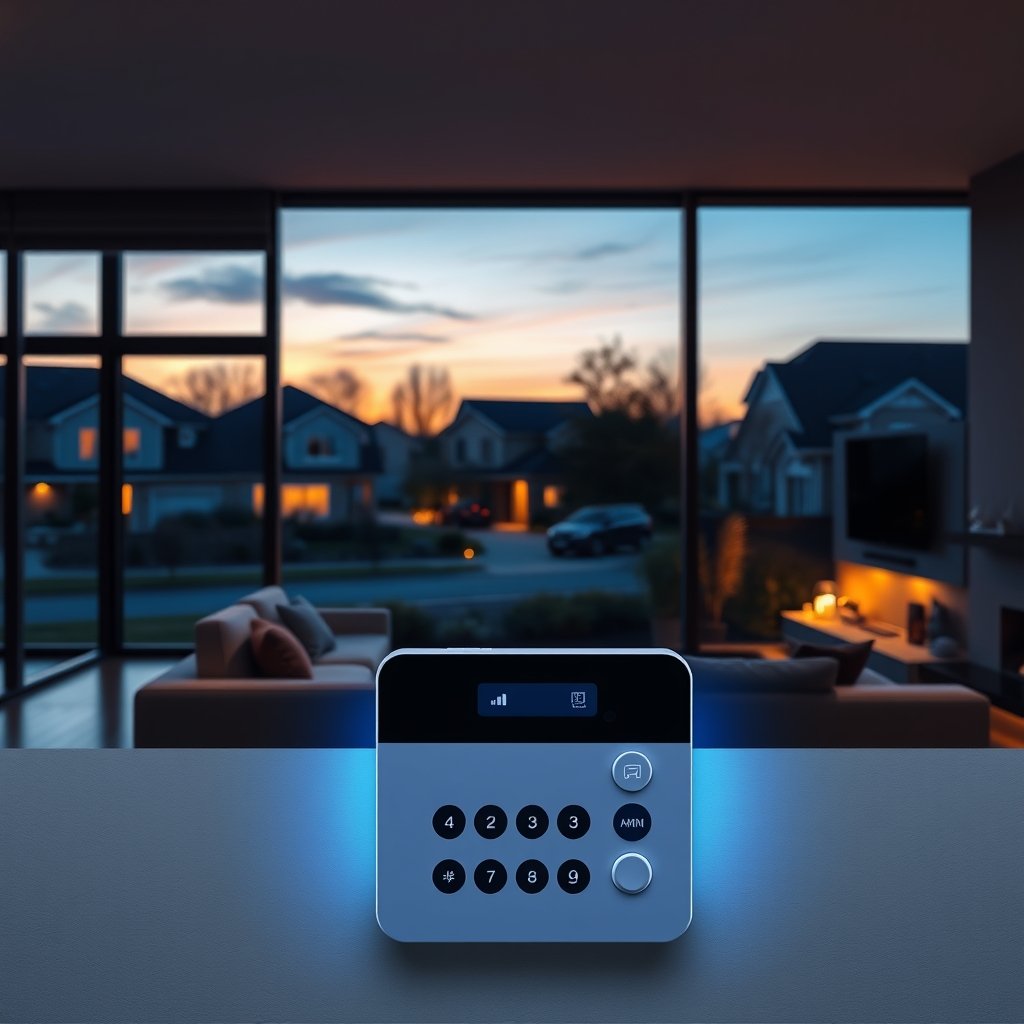
Wireless and Smart Alarms—Shaping the Future of Home Security
Wireless alarm systems have exploded in popularity, now accounting for roughly 45% of all new home security installations in YYYY. The drivers? Installation requires no wall demolition or expensive wiring, most renters can take the system with them when they move, and cloud-based monitoring plus smart home compatibility are nearly standard features now.
Smart alarms tap into everything: cameras, door locks, window sensors, motion detectors, and even your thermostat or lighting. Integration with platforms like Alexa, Google Home, and Apple HomeKit means you can arm your home with a voice command or check live video feeds from anywhere. Cloud-based monitoring brings instant notifications—and peace of mind—without the hassle of scheduling appointments or expensive recurring service contracts.
Global revenues for smart home security continue to surge, estimated to reach over $32 billion as more households—422 million globally—adopt connected alarm ecosystems [source]. It’s clear: wireless alarm systems and smart alarms aren’t a trend, they’re the new standard for both homeowners and renters.
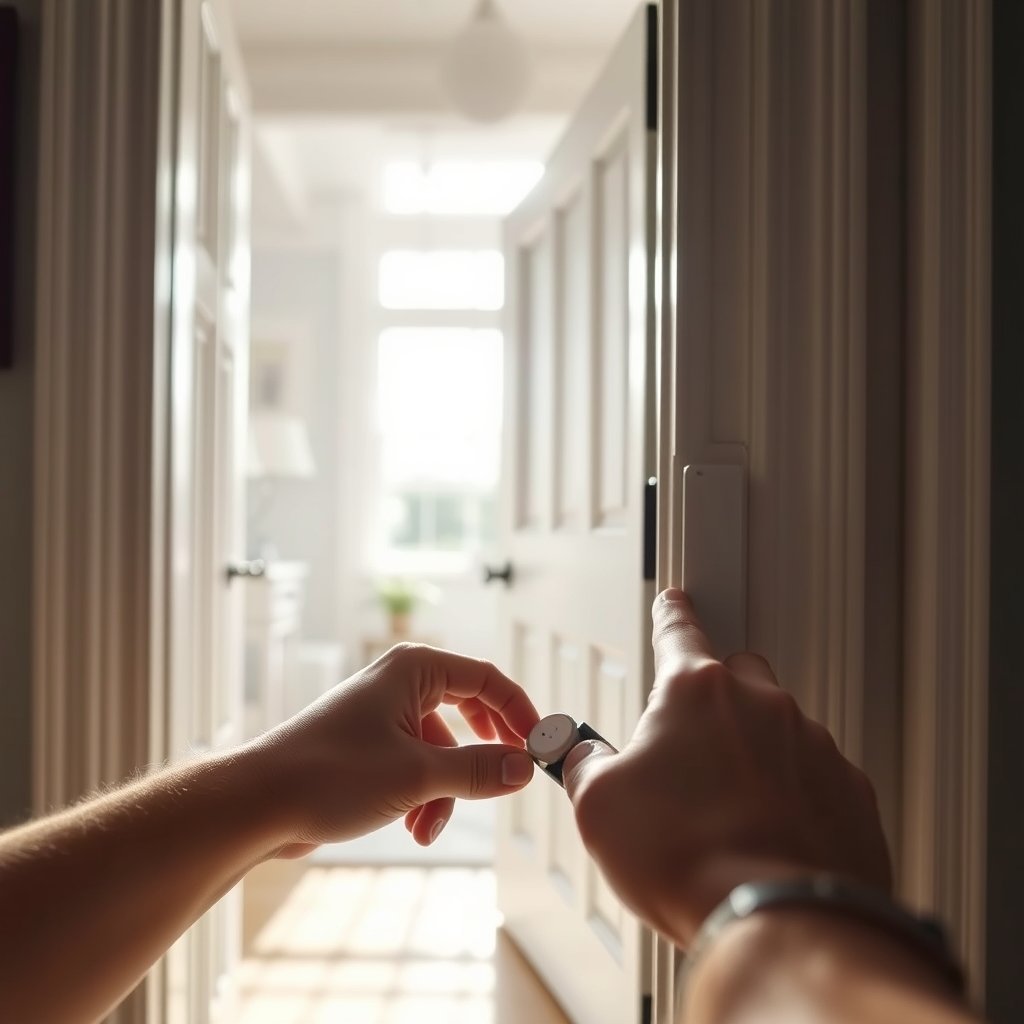
Must-Have Features That Make or Break the Best Systems
Not all Best Home Alarm Systems deliver on peace of mind. User data and recent releases show a sharp gap between flashy features and those that truly improve satisfaction. Here’s what to demand:
- AI-enhanced motion verification: New smart alarms use advanced algorithms to differentiate pets, wind, or leaves from actual intruders. Real-world tests show near zero false alarms [source].
- App access and flexible notifications: Control, arm, or disarm your system from anywhere, with live alerts that let you take action before an intruder gets inside. Look for systems with optional push/pull notifications rather than only email or SMS.
- Smart integrations: Seamless compatibility with door locks, lights, and even smart locks or cameras. Double-check support for voice assistants and routines.
Don’t overlook:
- Emergency battery backup in case of power loss
- Cellular and Wi-Fi dual path communication for more reliable alerts
- DIY installability for easy setup—especially for renters or those who value flexibility
For comparison, top security camera systems offer similar AI-powered features.
Real User Pain Points—The Deal-Breakers in YYYY
Even the Best Home Alarm Systems aren’t perfect. Here’s what aggravates real users and why it matters for homeowners and renters considering a new system:
- Subscription fatigue: Essential features—like remote app control, live video access, or basic smart integration—are often locked behind monthly subscriptions (ranging $18-27/month), even for systems heavily marketed as “DIY” or “no-contract” [source].
- Privacy concerns: Worries about cloud video hacks, device breaches, and whether system providers will share or sell user data are common. Brands face mounting pressure for local data options and more transparent privacy terms [source].
- Equipment costs: Upfront kit prices can jump to several hundred dollars for whole-home coverage. Homeowners struggle to balance initial buy-in with recurring costs and real-world effectiveness. See more on affordable home upgrades.
- Interoperability gaps: Most wireless alarm systems don’t support dual-protocol radios (Z-Wave, Zigbee) required for seamless smart home integration, pushing users to try risky third-party bridges or fragmented ecosystems.
Limited support for month-to-month, renter-friendly contracts and poor compatibility are major blockers for over a third of U.S. renters [market data].
Critical Comparison Points Other Guides Miss
Several must-check criteria remain under-discussed in mainstream home alarm reviews. Here are some advanced checks for savvy shoppers:
| Overlooked Feature | Why It Matters | Brands Notable for This |
|---|---|---|
| Dual Z-Wave/Zigbee radios | Enables cross-brand device support and mixed-protocol smart homes. Avoid system lock-in. | Almost all major brands lack this; most require third-party hubs. |
| Month-to-month, renter-friendly contracts | Avoids penalties and supports flexible living situations. Crucial for 36% of U.S. rental households. | Rare; Abode leads for flexibility, but most major brands lag. |
| Biometric or advanced two-factor authentication | Prevents unauthorized access to app or system controls. Crucial as more alarms connect to personal data. | Still rare outside luxury segments; look for Face/Touch ID support in app. |
| Offline AI processing | Keeps core alarms working and secure even if your internet drops. Reduces privacy risks. | Emerging but not standard; “local processing” must be verified. |
| Integrated energy management | Lets your home security system boost energy efficiency by automating lights, climate, etc. | Few alarms offer this natively; pick systems with true smart home device compatibility. |
For more on modern integration, check out smart home energy monitoring tools and how they connect with advanced alarm setups.
How to Choose the Best Home Alarm System for Your Needs
Here’s a step-by-step approach to make your selection simple:
- Define your living situation: Owners have more freedom with complex installs; renters need wireless, no-drill options, and easy moves.
- Decide on DIY vs. pro install: DIY kits cost less and offer flexibility; pro installs provide more support but lock you to contracts.
- List compatible devices: Already have indoor security cameras, video doorbells, or smart locks? Check alarm system support before you buy.
- Compare up-front and monthly costs: Don’t ignore recurring subscription fees—add up your total cost over two or three years.
- Prioritize effectiveness: Look for proven crime deterrence and reliable incident response, not just bells and whistles. Visible signs and quick mobile alerts are more valuable than dozens of sensors in storage.
In the U.S., installation of any Home Security Alarm has stabilized near 28% of households each year, but smart alarm adoption is rising fast due to accessible DIY systems and flexible options.
Check out comprehensive home improvement ideas if you’re pairing a new alarm with a renovation.
Frequently Asked Questions About Home Alarm Systems
Will visible alarm system signs alone deter burglars, or do I need the full system?
Visible security signage alone can cause 60% of burglars to skip your house, but installing a full Home Security Alarm offers much stronger protection—especially since half of intruders will abandon a break-in attempt if an alarm triggers.
Do wireless alarm systems work well in apartments or for renters?
Yes—wireless systems are ideal for renters and apartments since they’re easy to install without drilling and can move with you. Look for renter-friendly contracts and devices that support battery power and adhesive mounts.
Are home alarm systems really effective at preventing crime?
Research shows that neighborhoods with widespread Home Security Alarm adoption see measurable drops in burglary rates. Modern alarms both deter and disrupt burglaries, protecting not just your home but the surrounding area.
Can I get a home alarm system with no monthly fee?
Some brands offer a limited no-fee mode, but most advanced features—like app control and live viewing—require a subscription. Compare total ownership costs before choosing a plan, and see systems with the best free options here.
What should I do if my Wi-Fi goes out—will my alarm still work?
Choose alarm systems with cellular backup and local siren capability. This ensures basic protection remains if Wi-Fi is lost. Advanced models also offer local AI processing so false alarms and some alerts still function offline.
Conclusion
The modern Best Home Alarm Systems stand apart with wireless flexibility, smart integrations, and proven crime deterrence. Yet, not all brands deliver the transparency, privacy, or flexibility users deserve. Look for AI-enhanced features, real DIY value, and beware of recurring fees and compatibility gaps. Prioritize a system that matches your lifestyle, not just tech fads. Ready to upgrade your home security or start from scratch? Begin by listing your must-haves, reading real-world complaints, and leveraging feature-rich systems with proven user satisfaction. Keep your home—and your peace of mind—secure for years ahead.
Take the next step with our guides to DIY home improvements or find the best improvement products for every need.
—