
### Blog Post:
Best Smart Locks are transforming home security for tech-savvy homeowners and property managers in YYYY, blending convenience with cutting-edge technology while introducing new security questions and real-world costs that most reviews ignore.
Key Takeaways
- The global smart lock market surged to $2.9 billion, with over 10 million U.S. homes now using smart or keyless door locks.
- Battery replacement, connectivity issues, and evolving digital security threats are serious considerations before you invest.
- Integration with Matter, Thread, and your existing smart home ecosystem is now vital for future-proofing your purchase.
- Best Smart Locks in YYYY: Top Picks & Market Overview
- How Keyless Door Locks Work: Types & Must-Have Features
- Real-World User Experience: Most Common Smart Lock Complaints
- Long-Term Costs & Battery Reality: What You Really Need to Know
- Security Issues in YYYY: Latest Exploits & How Top Brands Respond
- Integration & Future-Proofing: Do These Smart Locks Work With Your Smart Home?
- Verdict: How to Choose the Best Smart Lock for Your Home in YYYY
- FAQs
Best Smart Locks in YYYY: Top Picks & Market Overview
Smart door locks are fast becoming the new standard for residential and rental property security. The worldwide smart-lock market hit $2.9 billion this year, with the United States alone accounting for $1.7 billion. Over 10 million U.S. homes have already adopted keyless or electronic locks, and adoption is accelerating as homeowners seek convenience, remote control, and enhanced security.
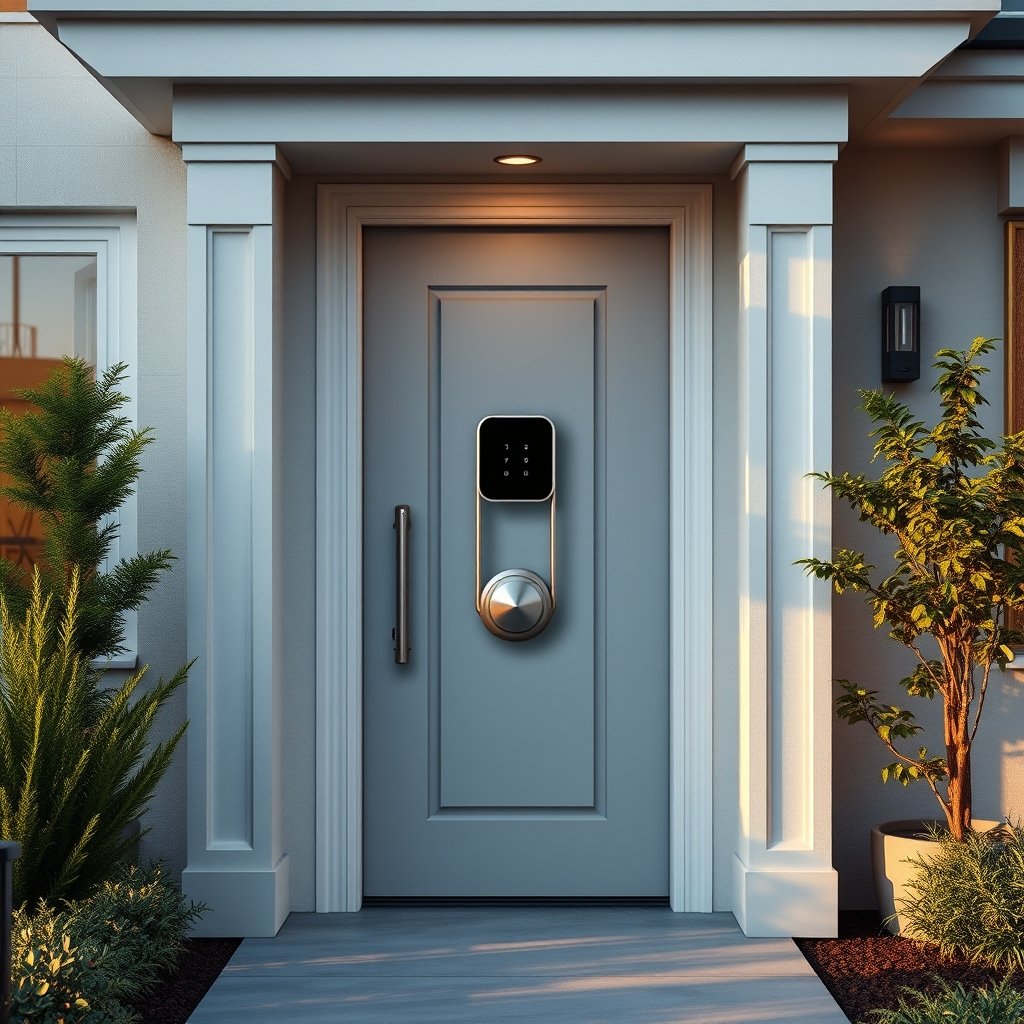
Deadbolt-style smart locks remain the most popular variety, holding roughly 40% of the market.[2] Bluetooth-enabled and hybrid locks are in high demand for their affordability and simplicity. Bluetooth-based options alone have captured about 35% share due to reliable smartphone pairing for proximity unlocks.
Several trends are pushing this adoption: growing smart home penetration (41% of U.S. households use smart tech), awareness of digital security, desire for remote property management, and, for landlords, the ability to track or restrict access without rekeying. The Asia-Pacific region is winning the fastest growth rate, but North America remains the most mature market.
For a broader look at how smart home technology is changing daily life, see our guide on the best smart home devices.
How Keyless Door Locks Work: Types & Must-Have Features
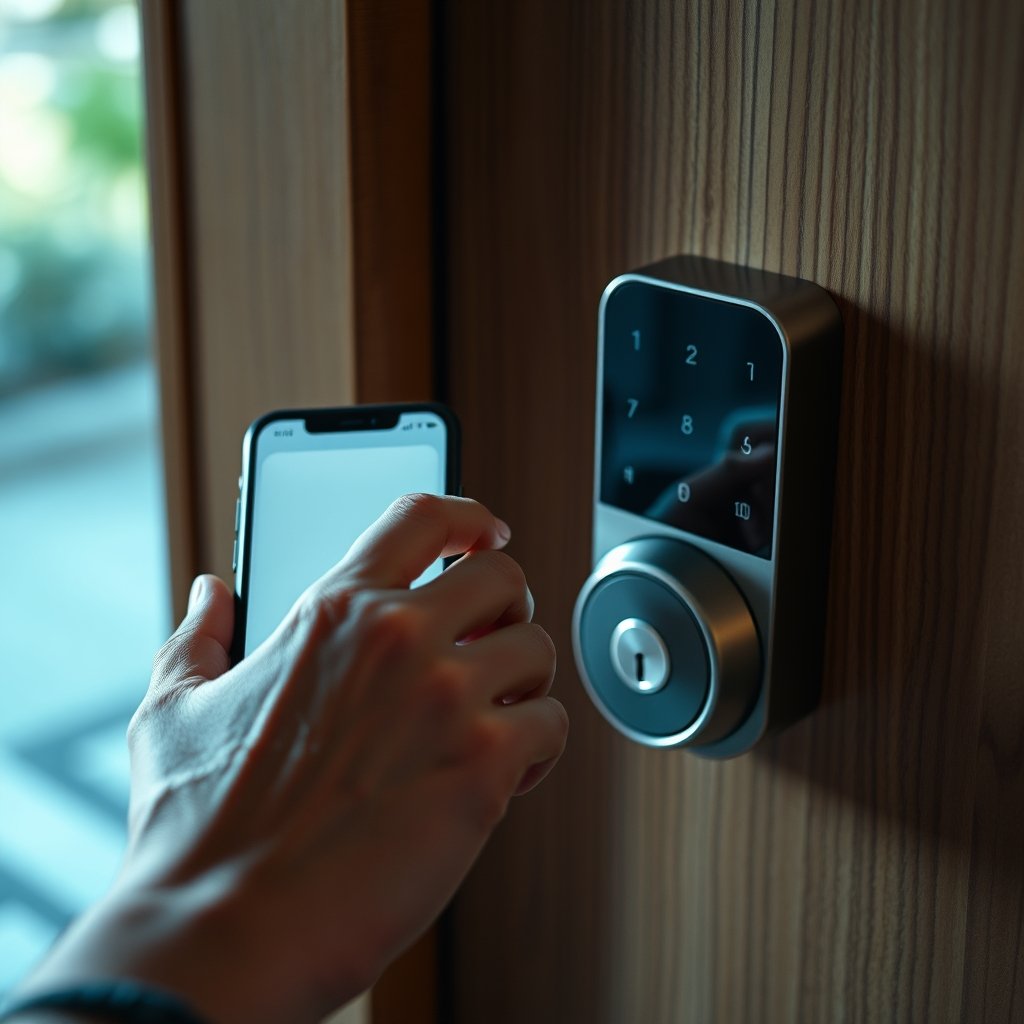
Keyless door locks and electronic locks rely on several core technologies. The most common options include Bluetooth (for local unlocks), Wi-Fi (for remote access via smartphone apps), biometrics (mainly fingerprint), number keypads, or a hybrid of these. With Bluetooth-based locks, you typically approach the door with your phone in your pocket—the lock senses proximity and opens. Wi-Fi-enabled locks let you check status, provide or revoke digital keys, and receive notifications from anywhere.
Must-have features for keyless door locks now include auto-lock/unlock, tamper alerts, temporary digital keys for guests, basic app integration, and brute-force protection (auto-relock or lockdown after multiple failed attempts). On premium models, look for multi-platform support (Alexa, Google Home, Apple Home), biometric options, access logs, built-in cameras, and interoperability with new standards like Matter or Zigbee.
Bluetooth-based smart locks are the largest single category at 35% market share, mainly thanks to their low cost and ease of setup.[3] Hybrid solutions are quickly catching up, offering the benefits of Bluetooth and Wi-Fi in a single device.
Pros vs. Traditional Locks:
- No lost key hassles, remote monitoring, and user management.
- Higher upfront and lifetime cost, risk of app/tech failures, and digital security vulnerabilities.
For property managers, precise control and tracking access is a game-changer. If you’re upgrading your entire home, don’t miss our best home upgrades guide for other high-value improvements.
Real-World User Experience: Most Common Smart Lock Complaints
Despite the excitement, real-world users of the best smart locks and electronic locks report persistent problems that reviews rarely highlight:
- Intermittent connectivity (Wi-Fi drops, Bluetooth not pairing) causes frustrating unlock delays.
- Batteries drain much faster than advertised—especially with Wi-Fi use and cold weather.
- Apps can be buggy, slow to update firmware, or poorly designed, leading to reliability concerns.
- Biometric sensors and keypads can fail: fingerprints may not register with dirty hands or after rain, and keypad buttons wear out.
- Frequent consumer fears include hacking or relay attacks: exploit attempts were up 41% this year.[5]
- Installation can be complex or require specialized tools, especially with multi-point locking doors.
When weighing the best smart locks, don’t overlook these issues. Users often complain about ongoing app subscription fees and lack of responsive customer support. These factors can erode satisfaction quickly.
For indoor or outdoor security camera options to pair with your smart lock, see our roundup of the best home security cameras.
Long-Term Costs & Battery Reality: What You Really Need to Know
The up-front sticker price for a best-in-class smart door lock can run from $100 to over $400, yet most guides skip one key factor: ongoing battery costs and maintenance. Even midrange locks often require 4–8 AA or CR2 batteries, and battery life varies wildly—from as little as 3–6 months (with heavy Wi-Fi use, cold weather, or frequent unlocking) to 12–18 months in best-case scenarios. Some models underperform their marketing quite noticeably.
| Lock Type | typical battery requirement | Advertised Life | Real-World Life | Annual Battery Cost* |
|---|---|---|---|---|
| Bluetooth Only | 2-4 AA | 12-18 months | 6–12 months | $8–$16 |
| Bluetooth + Wi-Fi | 4–8 AA/CR2 | 6–12 months | 3–8 months | $16–$36 |
| Biometric/Camera Hybrid | 8+ AA or Rechargeable Pack | 3–6 months | 2–4 months | $30–$50+ |
*Estimates; actual cost depends on type and quality of batteries used and climate factors.
Many brands fail to disclose the hassle factor: replacing batteries in hard-to-access locations, risk of lockouts during dead battery, and sometimes required resets after swap. The greener option is a lock that supports USB-C emergency charging or has a rechargeable battery pack.
Before you buy, factor in battery costs over 5–10 years (up to $300 extra per lock for heavy-use properties). Smart locks may be less maintenance-free than you expect.
For more on ongoing home maintenance and costs, check out our home maintenance checklist.
Security Issues in YYYY: Latest Exploits & How Top Brands Respond
Security is the foundation of trust for electronic locks—but digital systems introduce their own risks. This year, exploit attempts targeting smart locks have jumped 41%, with Bluetooth Low Energy (BLE) relay attacks and credential replay topping the threat landscape.[5]
In fact, a CVE disclosure this year compromised a leading brand’s firmware update process, allowing attackers to override digital key protections remotely. While no system is 100% immune, these risks mean buyers should demand:
- Automatic security updates and patching
- App-based two-factor authentication (2FA) for admin actions
- Physical failsafe entry options (hidden keys or power bypass)
- Transparent vulnerability disclosures from the manufacturer
Without prompt fixes, brand reputation—and user trust—take a major hit. Security concerns are now a primary reason for switching brands or pausing purchases, especially among property managers.
To complement your lock, consider robust home security cameras. See our recent top picks for home security cameras.
Integration & Future-Proofing: Do These Smart Locks Work With Your Smart Home?
Most best smart locks are judged on features and price, but integration with your existing or planned smart home is now essential. In YYYY, adoption of smart home tech has reached 41% in the U.S.[7]—and managing a patchwork of incompatible gadgets frustrates even expert users.
The latest interoperability standards—like Matter, Zigbee, Thread—determine if your lock plays nicely with systems like Google Home, Alexa, or Apple Home. However, many top guides don’t mention whether their recommended locks support these protocols.
- Choose locks that publish a clear roadmap for supporting new protocols or firmware upgrades.
- Check if your lock brand maintains partnerships or committed support for third-party smart home platforms.
- Ask about HomeKit, Alexa, Google, and IFTTT compatibility—ideally without paid app subscriptions.
For a deeper dive into other future-focused upgrades, visit our latest home improvement trends roundup.
Verdict: How to Choose the Best Smart Lock for Your Home in YYYY
Choosing the best smart locks this year is about much more than features and price. Weigh battery costs and accessibility, be realistic about digital quirks and security threats, and demand cross-compatibility for years of worry-free use. The global market’s rapid growth—and over 10 million U.S. homes relying on smart locks—prove the technology is here to stay. But your experience depends on making an informed choice today.
Before buying, ask yourself:
- How frequently am I willing to replace batteries or troubleshoot networks?
- Which smart home platforms will I use in the next 3–5 years?
- What access control, security, and backup options are non-negotiable for my property?
- What’s the support reputation for the brand?
Ready to take the next step? See our 2024 home improvement product picks for more trusted recommendations, or explore our guide to DIY home upgrades. Make sure to future-proof your investment.
The best smart locks are worth the upgrade—if you choose wisely and stay proactive about maintenance and security.
Frequently Asked Questions
Are smart locks really safer than regular locks?
Smart locks offer better access control and tracking, but their digital nature introduces new hacking risks. For most homes, a well-reviewed smart lock with strong encryption is as safe or safer than a traditional deadbolt—if kept up-to-date.
How often do smart lock batteries need replacing?
Batteries in smart locks can need replacement anywhere from every 3 months (biometric models) to 12 months (Bluetooth/well-optimized devices), depending on weather, frequency of use, and whether Wi-Fi is always on.
Can I install a smart lock myself?
Most smart locks retrofit existing deadbolts with basic DIY skills and a screwdriver; however, some brands involve more complex installs, especially for multi-point doors or when fitting to non-standard frames.
Do smart locks work during power or internet outages?
Battery-powered locks typically keep functioning during power outages. Bluetooth models work without internet, but Wi-Fi smart locks need a local (LAN) or mobile connection for app-based control.
Which smart lock standard should I look for in YYYY?
In YYYY, choose a lock with support for Matter, Zigbee, or Thread to maximize your ability to connect with future smart home devices and platforms.
—