
### Blog Post:
Best DIY Home Security System setups are transforming the way American homeowners and renters approach home protection in YYYY. With wireless options and smarter tech, users are skipping expensive installation fees and taking control. But while the promise is compelling, the reality is that not all systems—or buying guides—focus on where real-world value and reliability actually meet your day-to-day life.
Key Takeaways
- Almost half of households now choose self-installed, wireless DIY home security systems for lower costs and flexibility, but technical pitfalls remain common.
- True value comes from easy setup, robust integration, and feature choices led by real user adoption, not just advertised add-ons.
- Leading wireless brands like Ring, SimpliSafe, and abode dominate because they address installation anxiety and expand smart home compatibility.
- Why DIY Home Security Systems Are Dominating in YYYY
- Step-by-Step Guide: Choosing and Setting Up a System
- Advanced Analysis & Common Pitfalls
- Conclusion
- FAQ
Why DIY Home Security Systems Are Dominating in YYYY
Self-installed DIY security systems are now the top choice for many Americans. In YYYY, close to half (49%) of U.S. households with a home security system chose a DIY wireless setup—ahead of traditional professionally installed models. Users cite reasons you’ll care about: lower upfront costs, no monthly install fees, instant setup, and the flexibility to move or expand your system at your pace. Wireless DIY systems let you control your security, setup, and smart home integration directly from an app.
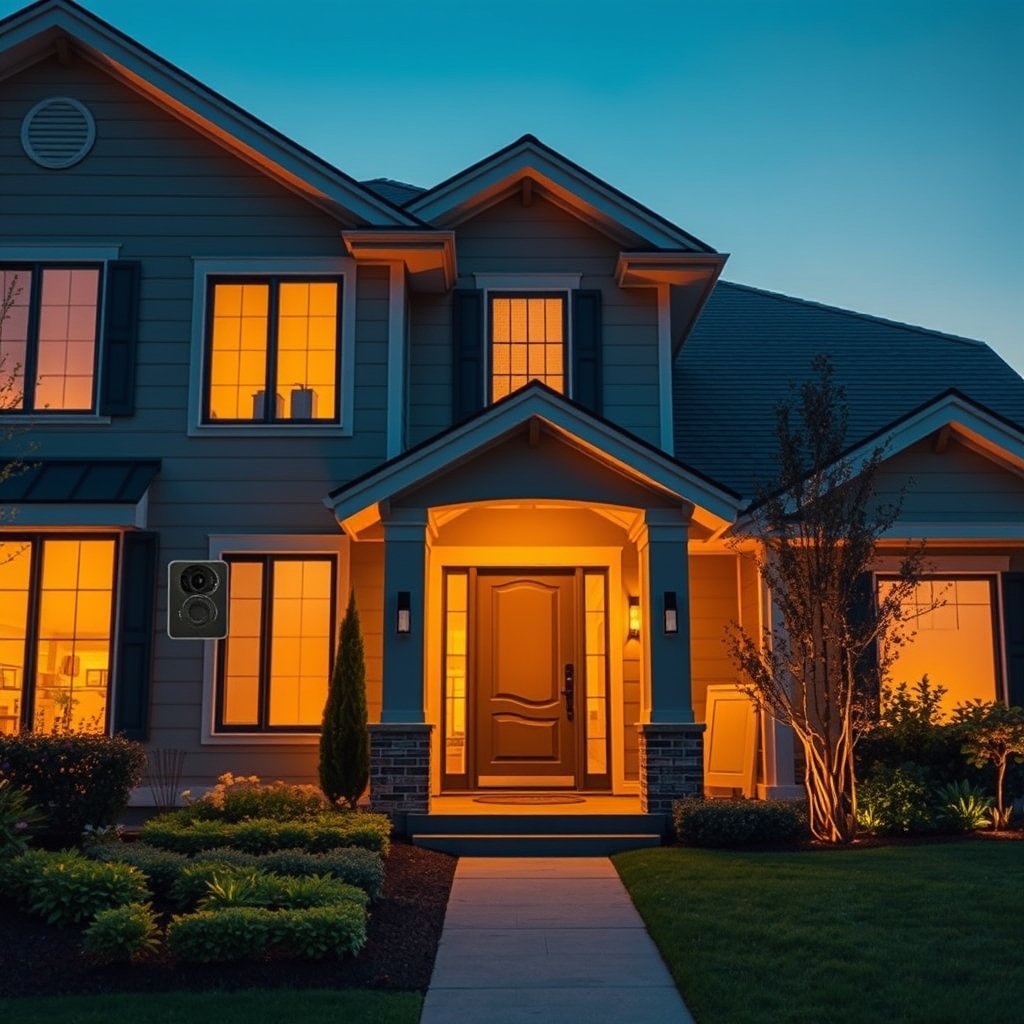
This shift is not just about saving money. According to the latest industry data, 50% say ease of use is their top decision-maker, followed by ongoing costs. Tech adoption is accelerating as renters and homeowners alike look for trusted, expandable solutions that fit busy lifestyles—and confidence that their system will actually work if something goes wrong.
For many, the combination of app controls, smart sensors, and the ability to install or move the gear without hiring a contractor has made professional installation feel old-fashioned. Brands like Ring have become household names by making home protection nearly as simple as plugging in a Wi-Fi router.
Step-by-Step Guide: Choosing and Setting Up a System
Here’s how to confidently select and set up the Best DIY Home Security System for your space—and avoid the mistakes that frustrate so many first-timers.
- Define your goals and security blind spots. Walk your home and yard. Note all doors, ground-floor windows, and places someone could approach unseen (driveways, garages, basements, etc.).
- Choose a wireless DIY kit that suits your property. Select bundles from credible brands (Ring, SimpliSafe, abode) that include motion sensors, entryway sensors, at least one outdoor camera, and optional smoke or CO detectors.
- Check Wi-Fi strength in every installation location. Poor connectivity causes half of all early user headaches. If needed, invest in a signal booster before unpacking your system.
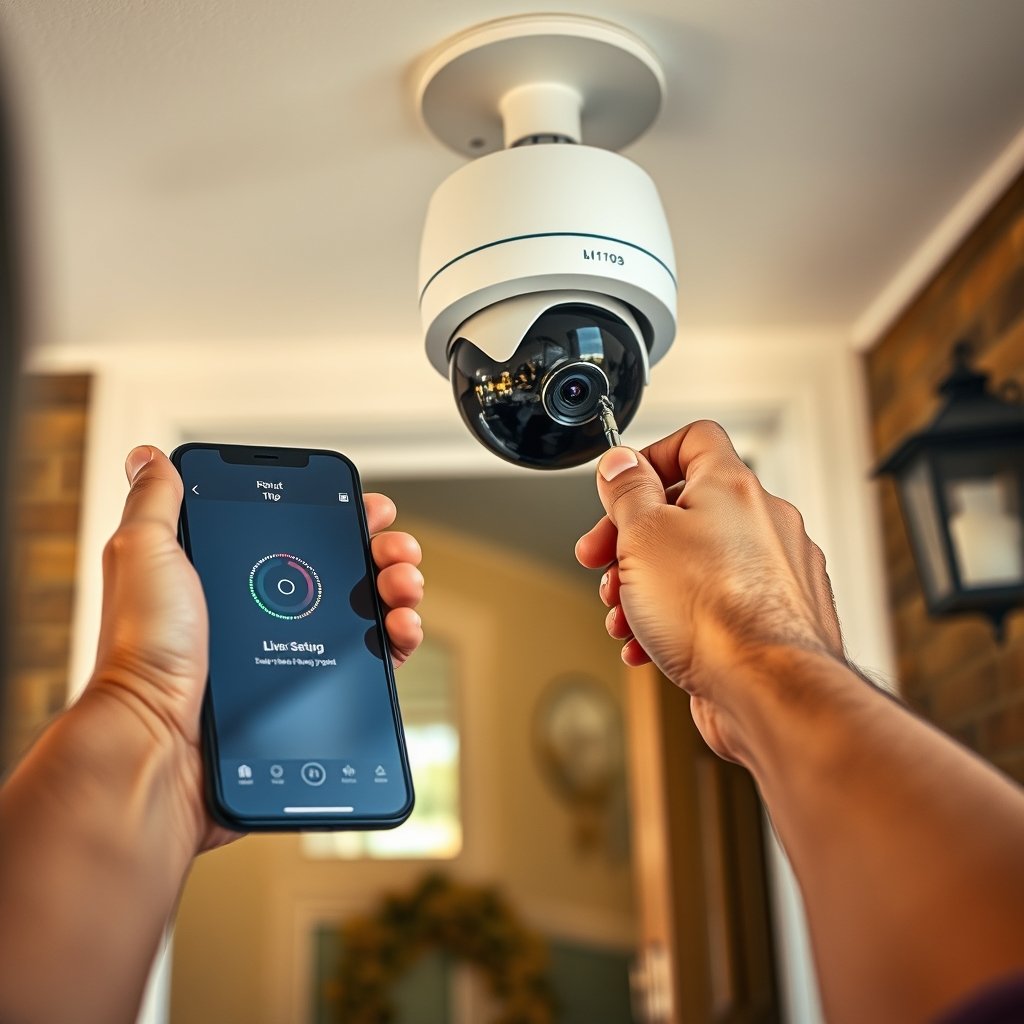
- Unbox and stage all devices before wall-mounting anything. Confirm every sensor and camera powers up and connects to your phone or hub. Do this at your kitchen table so you can troubleshoot with each manual in reach.
- Install sensors using included adhesive or screw mounts (follow app guidance). Practice with the least-visible window or door first.
- Set up and test the mobile app and notifications. Walk through the app step by step. Name each sensor so you can identify exactly which zone triggers an alert.
- Test your full system. Try each possible entry point, trigger sensors, and make sure push/text alerts appear on your phone. Invite someone else in your household to also download and use the app—user error is much less likely if everyone knows what to expect.
- Integrate with other smart devices (locks, lights, thermostats, etc.). If your kit offers Alexa, Google, or Apple integration, test these now. If you get stuck, search model-specific guides online before calling support.
If you’re moving into a new place or thinking of upgrading more than just your security, you’ll benefit from combining your system with other smart home devices. For inspiration, check our Smart Home Devices guide or explore practical home improvement ideas that boost security and property value.
Finally, don’t underestimate the value of a clear storage plan for gear and manuals. You’ll thank yourself later—see how an appliance garage keeps valuable electronics accessible yet hidden.
Advanced Analysis & Common Pitfalls
While the latest DIY security systems are easier than ever to use, real user data shows key challenges that can torpedo your sense of safety if not planned for. Here’s what many top-ranking guides leave out—plus a practical comparison of DIY versus professional systems by satisfaction, pricing, and flexibility.
| Factor | DIY Security Systems | Professional Security Systems |
|---|---|---|
| Installation | Self-installed, no appointments, wireless devices | Tech installed, wires possible, less user error risk |
| Common Frustrations | 59% worried about mistakes; 41% unclear instructions; 32% Wi-Fi issues; 26% integration trouble | Scheduling headaches, higher cost, harder upgrades/expansion |
| Ongoing Cost | Lower upfront and monthly costs; sometimes no contracts | Significantly higher monthly monitoring fees |
| Monitoring & Support | DIY or optional pro monitoring; troubleshooting up to you | Pro monitoring included; 24/7 expert help |
| Feature Integration | Increasingly compatible with smart locks, lights, mobile apps | Less flexible, more locked to vendor ecosystem |
Surveys show that even after successful DIY setup, plenty of users continue to struggle with wireless sensor dropouts, missed alerts, or app glitches. For example, 59% of people worry about installing something wrong—and they’re right to be concerned: 55% have fears their system won’t work right after setup, and nearly a third hit Wi-Fi snags or smart device compatibility hurdles. This is where established brands like SimpliSafe, Ring, and abode earn high marks in the market—they invest in clearer app guidance and simple pairing that reduces room for confusion.
One pitfall that’s rarely covered: If you move to a larger home or want to add more devices later, make sure your system supports easy expansion or you may have to start over. Want to check which smart cameras play best with your system? Review our in-depth home security camera guide, or dive into specialized options for outdoor and indoor coverage.
Here is what real users say they wish they knew before installing DIY systems:
- Setup can take longer than advertised. Especially for larger homes or older construction with dead Wi-Fi spots.
- Battery-powered sensors need regular attention. Most systems offer low-battery alerts, but some don’t. Build sensor checks into your home maintenance checklist.
- Integration is not always seamless. Plan to budget time for troubleshooting Alexa, Google, or third-party device connections.
- Instructions may be just OK. Many complaints come from unclear manuals—a quick search on the specific model + “install help” usually yields clearer third-party videos.
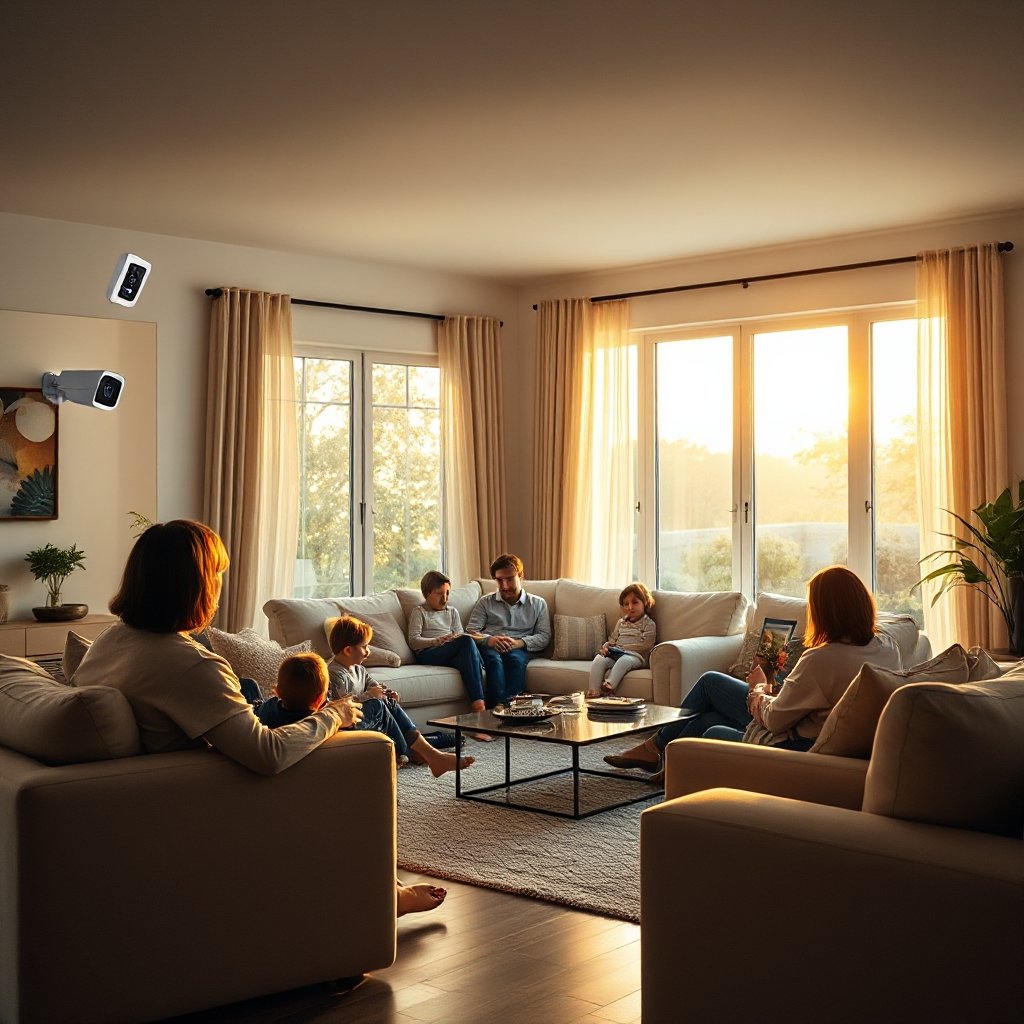
For buyers prioritizing ease of use, integration, and stress-free support, the most successful options in YYYY are those that focus on both app simplicity and proactive troubleshooting. AI-enhanced DIY platforms from the major brands continue to close the gap on pro-installed reliability and satisfaction. Want a deeper comparison? See Consumer Reports’ detailed satisfaction survey for data on what actually works in day-to-day living.
Conclusion
Choosing the Best DIY Home Security System in YYYY is a practical decision shaped by advances in wireless technology, user-friendly controls, and transparent pricing. What’s clear from thousands of user surveys is this: nearly everyone can set up their own home security—and save substantial money—provided they’re prepared for a bit of DIY learning and troubleshooting.
Ready to upgrade your peace of mind? Choose a wireless DIY system from a leading brand, keep our best-practice setup tips handy, and bookmark trusted guides like our Best Home Alarm Systems and Home Improvement Tips for every stage of your home journey.
Your home’s security is worth the effort—and with a smart approach, you’ll avoid the most common pain points while enjoying future-proof protection. Start your DIY installation today.
FAQ
Are DIY home security systems as reliable as professional systems?
Modern DIY systems from major brands (like Ring, SimpliSafe, abode) deliver reliability that rivals many professionally installed options, provided you follow setup best practices and maintain sensor batteries and Wi-Fi connectivity. User satisfaction is high, but DIY means more responsibility for troubleshooting.
What features should every DIY home security system have in YYYY?
Top must-haves include outdoor and indoor wireless cameras, door/window sensors, motion detectors, smoke and carbon monoxide alarms, user-friendly app control, and optional integration with smart locks or other home automation devices.
How much does the average DIY system cost per month?
DIY home security systems can cost as little as $0 per month if you self-monitor. Most users pay $10–30/month for optional professional monitoring, often with no long-term contract—much less than traditional systems.
Can renters use DIY home security?
Yes. Wireless DIY systems are renter-friendly, since most use peel-and-stick mounts or can be unplugged and moved without damage. No need to alter walls significantly or get landlord permission for most setups.
What’s the biggest mistake people make when installing DIY security?
Not testing device placement or Wi-Fi signal before final installation. Start by setting up everything on a table first, ensure every sensor triggers an app alert, and only then finish mounting. This avoids hours of rework.
—