

Best Outdoor Security Cameras are not just about crisp video anymore. In YYYY, choosing the right weatherproof and wireless camera protects more than your property—it safeguards your privacy, time, and long-term investment as smart-home tech rapidly evolves.
Key Takeaways
- The surge in AI and wireless outdoor security cameras has transformed what features to expect—and what hidden costs or privacy issues to watch for.
- Subscription fees, battery/solar upkeep, and integration with emerging smart-home standards are often overlooked but crucial for future-proof protection.
- Choosing the best outdoor security camera in YYYY means balancing specs, reliability, and privacy to avoid regret and wasted money down the line.
- Outdoor Security Cameras in YYYY—What’s Changed?
- Top 5 Best Outdoor & Weatherproof Security Cameras (Reviewed)
- What Most Reviews Miss: True Cost of Ownership & Subscriptions
- Are Your Video Streams Private? Security & Data Implications
- Interoperability & Future-Proofing: Do Matter, Thread, and AI Analytics Matter?
- Frequent User Complaints—And How to Avoid Them
- The Ultimate Buying Checklist for Outdoor Security Cameras
- FAQ: Answering the Big Questions About Outdoor Security Cameras
Outdoor Security Cameras in YYYY—What’s Changed?
The adoption of Best Outdoor Security Cameras has spiked dramatically in the last year. Around 61% of U.S. households now own at least one security camera, up from 52% previously. Over half of these are AI-powered, wireless outdoor cameras, reflecting a clear shift away from cumbersome wired models to more flexible, weatherproof options.
This leap isn’t just about convenience. Homeowners now expect cameras to use AI for smarter alerts (recognizing people, vehicles, packages), while modern units often run on batteries or solar power—cutting the cord, literally. The goal: reliable round-the-clock protection with fewer false alarms and less hassle.
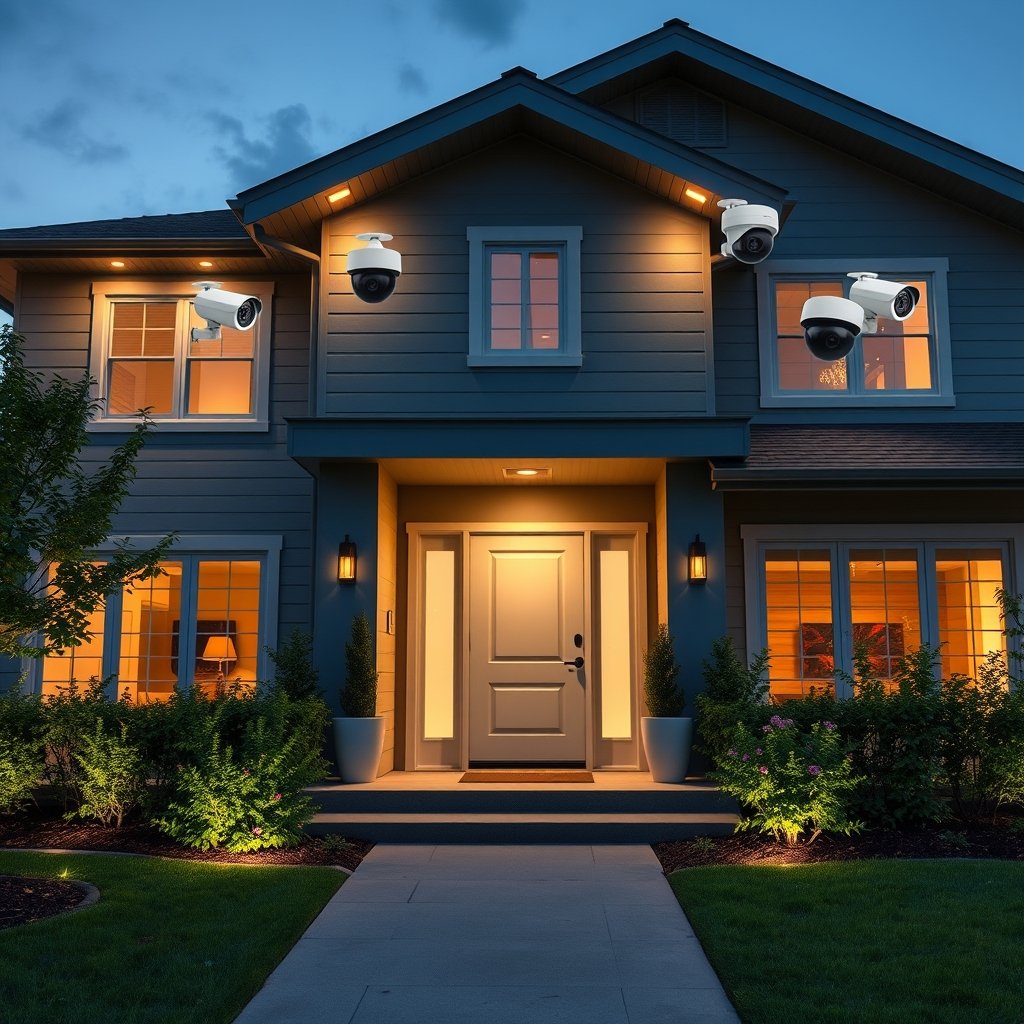
It’s not just smart, it’s a connected future. The best systems now work with major smart-home platforms, letting owners automate everything from porch lights to voice announcements. With outdoor camera adoption expected to grow at a double-digit rate through the next decade, the decision you make today will impact your home’s security and tech compatibility for years.
If you want to see how broader smart devices are changing homes, check out our Smart Home Devices Guide for even more trends.
Top 5 Best Outdoor & Weatherproof Security Cameras (Reviewed)
Choosing among the Best Outdoor Security Cameras isn’t just about ticking off features. In hands-on testing and reviews, the top models stand out for their reliable weather resistance, consistent video quality (2K or 4K is now standard), and easy setup—usually wireless and often solar-powered. Most now offer intelligent motion detection thanks to built-in AI, reducing false alerts about rustling leaves or headlights.
- 1. Reolink Argus 4 Pro – Best Overall: 4K video, 180° field of view, runs on battery or solar. AI detects humans, vehicles, pets, and can learn familiar faces. Reliable in wet or cold weather. (Source)
- 2. Arlo Pro 5S – Best for Smart Detection: 2K video, advanced AI that recognizes people, pets, and cars. Good battery life and strong wireless connectivity. Works with Alexa, Google, and HomeKit.
- 3. Aqara Camera Hub G5 Pro – Best for Smart-Home Integration: Sharp 2K video, AI motion detection, weatherproof, supports Matter, Thread, HomeKit, Alexa, and Google Home. Note: no included power adapter, so plan ahead (source).
- 4. Eufy SoloCam S340 – Best Dual Lens & Solar Option: Dual-lens 360° coverage, solar-powered, 2K video, AI object detection. Minimal false alerts when set up properly.
- 5. Blink Outdoor Cam 2K Plus – Best Budget: Wire-free, weatherproof, good 2K quality. Local storage available; subscription for cloud features. Simple to install for DIYers. (Learn more)
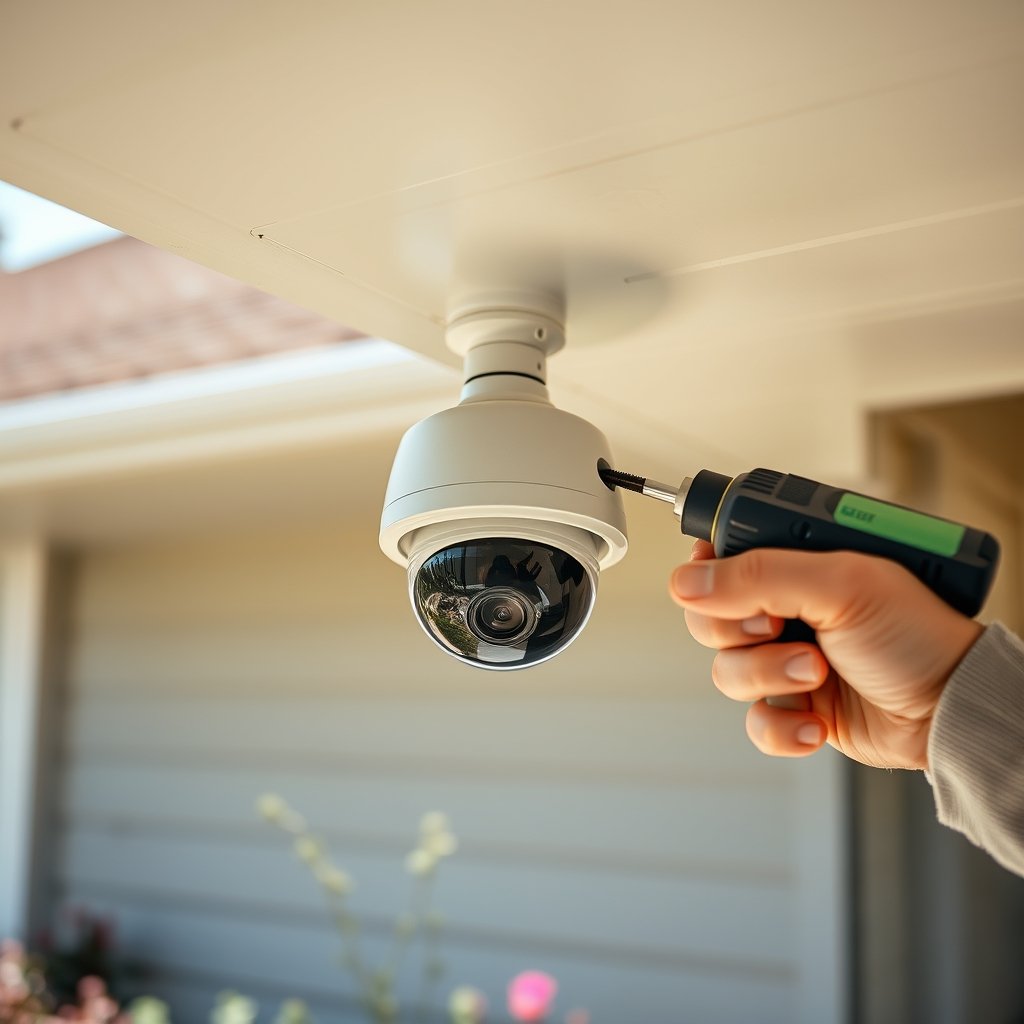
Worth noting: Many new Weatherproof Security Cameras don’t come with power adapters (check before you buy), pushing buyers toward third-party solutions. Local video storage is a major plus for privacy and dollar-savvy shoppers. Also, wireless outdoor cameras with solar panels are more robust now, but performance can drop in cloudy or shaded spots.
If long-term reliability matters to you, see our Home Maintenance Checklist—home security is just one part of a comprehensive plan.
What Most Reviews Miss: True Cost of Ownership & Subscriptions
It’s easy to focus only on specs and upfront price—but the total cost of owning surveillance cameras can be surprisingly high. Recurring subscription fees for cloud storage add up, even when “free” tiers seem generous. Some brands require a paid plan just for advanced AI alerts or longer video history. Batteries will eventually need replacement (every 1 to 3 years), and solar panels may require periodic cleaning or replacement for optimal performance.
Another hidden expense: Not all outdoor camera kits include a power adapter, especially higher-end, matter-compatible models like the Aqara Camera Hub G5 Pro. Buying a separate compatible adapter or using third-party power can introduce hassles and extra cost. According to surveys, missing accessories and unexpected recurring fees are two of the top consumer complaints.
| Cost Area | Typical Annual Cost (per camera) | Notes/Pitfalls |
|---|---|---|
| Cloud storage subscription | $40–$120 | Varies by brand; some AI alerts require payment |
| Battery replacement | $20–$50 | Every 1–3 years for typical use |
| Solar panel upkeep/replacement | $0–$25 | Depends on weather/climate; occasional cleaning needed |
| Power adapter (if not included) | $10–$40 | Check product listings before checkout |
For a deeper dive into the real costs (and smart budgeting for any home upgrade), explore our Home Renovation Costs Guide.
Are Your Video Streams Private? Security & Data Implications
Every “always-on” surveillance camera brings a new privacy risk. Cloud-powered AI means your video may be processed off-site, and accounts are potentially vulnerable to hacking. In fact, 63% of homeowners now list privacy as a top concern with Weatherproof Security Cameras and security tech overall (see research).
Typical exposure points include weak passwords, shared logins, unclear data policies, and companies selling metadata to third parties. Even “local storage” cameras may occasionally upload metadata for smart alerts or app functionality.
Buyer checklist for privacy:
- Does the brand offer local-only video options? (No cloud required)
- Are encryption and two-factor authentication standard?
- Can you set up guest accounts with limited access?
- Is the privacy policy transparent about where footage goes?
- Does the system require an internet connection at all times for operation?
Want a deeper dive into how smart homes impact privacy and daily life? Don’t miss our Invisible Kitchen feature on integrating technology and privacy.
Interoperability & Future-Proofing: Do Matter, Thread, and AI Analytics Matter?
Not all wireless outdoor cameras can keep pace as the smart-home world evolves. Today’s leading models are starting to support universal standards like Matter and Thread. This matters because it means you can mix and match devices from different brands, future-proofing your investments as new platforms or hubs enter the market.
Beyond buzzwords, Matter and Thread compatibility means your security cameras could integrate directly with smart locks, lights, alarms, and even energy monitors. This cross-compatibility is essential for homeowners who don’t want to be locked into a single company’s products or app for years.
Similarly, advanced AI analytics are evolving rapidly; cameras that receive regular firmware updates (and work with broad standards) are far more likely to “stay smart” over time rather than become obsolete or incompatible with next-gen smart homes. (Read more)
If automation or energy savings are a priority, you’ll love our Smart Home Energy Monitor Guide for forward-thinking homeowners.
Frequent User Complaints—And How to Avoid Them
Real-world use reveals several pain points—even with the best Weatherproof Security Cameras:
- Short battery life or poor solar performance: Cloudy days or extreme temperature swings cut battery and solar efficiency. Always check true runtime in your climate zone.
- Frequent false-motion or AI misclassifications: Setting sensitivity too high triggers alerts for passing cars, pets, or trees. Tweak detection zones and enable only essential notifications.
- Wi-Fi reliability issues: Outdoor placement often means weaker signals, causing video drops or lag. Use mesh Wi-Fi or strong extenders dedicated to your surveillance cameras.
- Omitted power accessories: Watch product listings carefully. Some wireless outdoor cameras do not ship with a required power adapter.
- Hidden subscription upsells: Many features (like person detection or extended video history) are paywalled behind an app subscription after an initial “trial.”
To troubleshoot persistent issues, see our Home Improvement Mistakes guide—many errors can be prevented with better planning or a quick DIY fix.
The Ultimate Buying Checklist for Outdoor Security Cameras
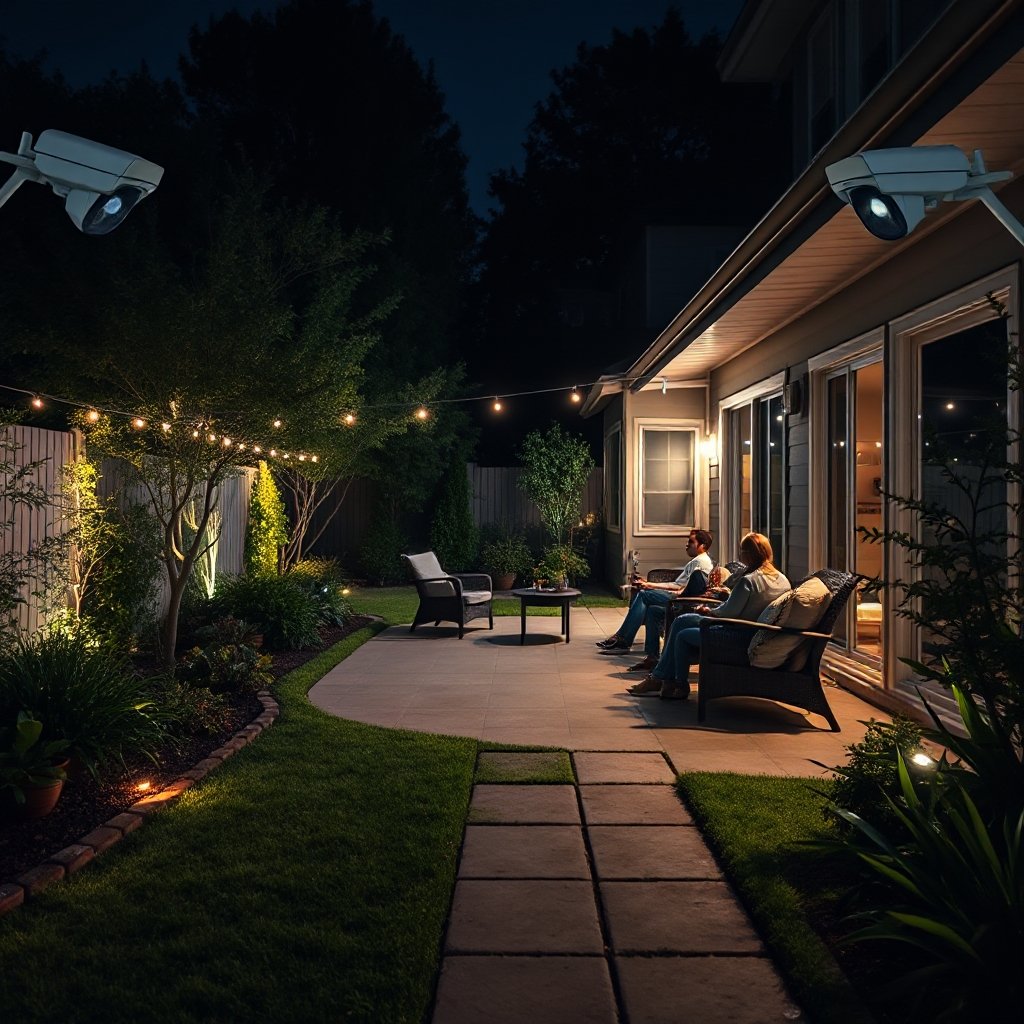
Ready to pick the Best Outdoor Security Cameras for your property? Here’s a step-by-step checklist to ensure you cover all the bases—for durability, privacy, and total value:
- List must-have features: weatherproofing, wireless installation, AI detection type (human, pet, package, vehicle), video quality (2K/4K), night vision, and audio.
- Check for subscription-free/local storage options if privacy or budgeting is a concern.
- Confirm compatibility with your current (and future) smart-home platforms (Matter, Thread, Alexa, Google, Apple Home).
- Research ongoing costs: subscription requirements, battery replacement cycle, power accessory needs, maintenance (like cleaning solar panels).
- Read consumer reviews for complaints about battery, solar reliability, or support responsiveness in your region.
- Assess physical placement—test Wi-Fi range before final install and aim for sheltered locations to prolong hardware lifespan.
- Don’t forget to secure your camera account with strong passwords and enable two-factor authentication where possible.
The outdoor camera market will only continue to grow as AI and wireless features become the new normal. Staying future-proof is just as important as getting tomorrow’s peace of mind today. For more on long-term home improvements, visit our Best Home Improvement Ideas resource.
FAQ: Answering the Big Questions About Outdoor Security Cameras
Can outdoor cameras work in extreme weather?
Yes, top Weatherproof Security Cameras are rated for subzero to triple-digit heat with proper seals and housings. Still, battery performance drops in temperature extremes, and regular cleaning is wise.
Are subscription-free security cameras worth it?
Many owners prefer wireless outdoor cameras with SD card storage, avoiding monthly costs. However, cloud backup is safer if a thief steals your device. Hybrid options are best for most.
How do I know if a wireless outdoor camera actually supports smart-home integration?
Look for certifications like “Matter,” “Thread,” or brand logos matching your smart assistant (e.g., Alexa, Google, Apple Home). Cross-check compatibility lists and verify firmware update policies before buying.
What’s the most common setup mistake made by DIY installers?
Weak Wi-Fi signals and poor placement are the #1 complaints. Test signal strength outdoors, mount cameras out of direct sunlight and rain, and make sure the power source is truly reliable for your climate.
Can outdoor security cameras be hacked?
Like any connected device, surveillance cameras can be hacked if passwords are weak or firmware isn’t updated. Always enable two-factor authentication and use unique, strong credentials.