
### Blog Post:
Home Security Tips are more critical than ever for protecting your loved ones and property from increasingly sophisticated threats. Whether you’re a homeowner, renter, or just want peace of mind, practical steps—backed by the latest data—can make all the difference.
Key Takeaways
- Burglaries happen quickly and often during daylight—over one-third of intruders walk right through the front door.
- Visible security measures such as alarms and cameras deter up to 66% of burglars and lower the risk of repeat incidents by up to 300%.
- Checklist gaps, smart tech confusion, and overlooked threats (like package theft or cyber risks) are the biggest real-world challenges.
- Home Security in YYYY—What’s Changed and Why It Matters
- Key Home Security Tips (Backed by Data)
- User Realities—Biggest Complaints and Common Gaps with Security Checklists
- Beyond Basics—Protecting Against New and Overlooked Threats
- Building a Personalized Home Security Plan
- Home Security FAQs—Reader Concerns Addressed
Home Security in YYYY—What’s Changed and Why It Matters
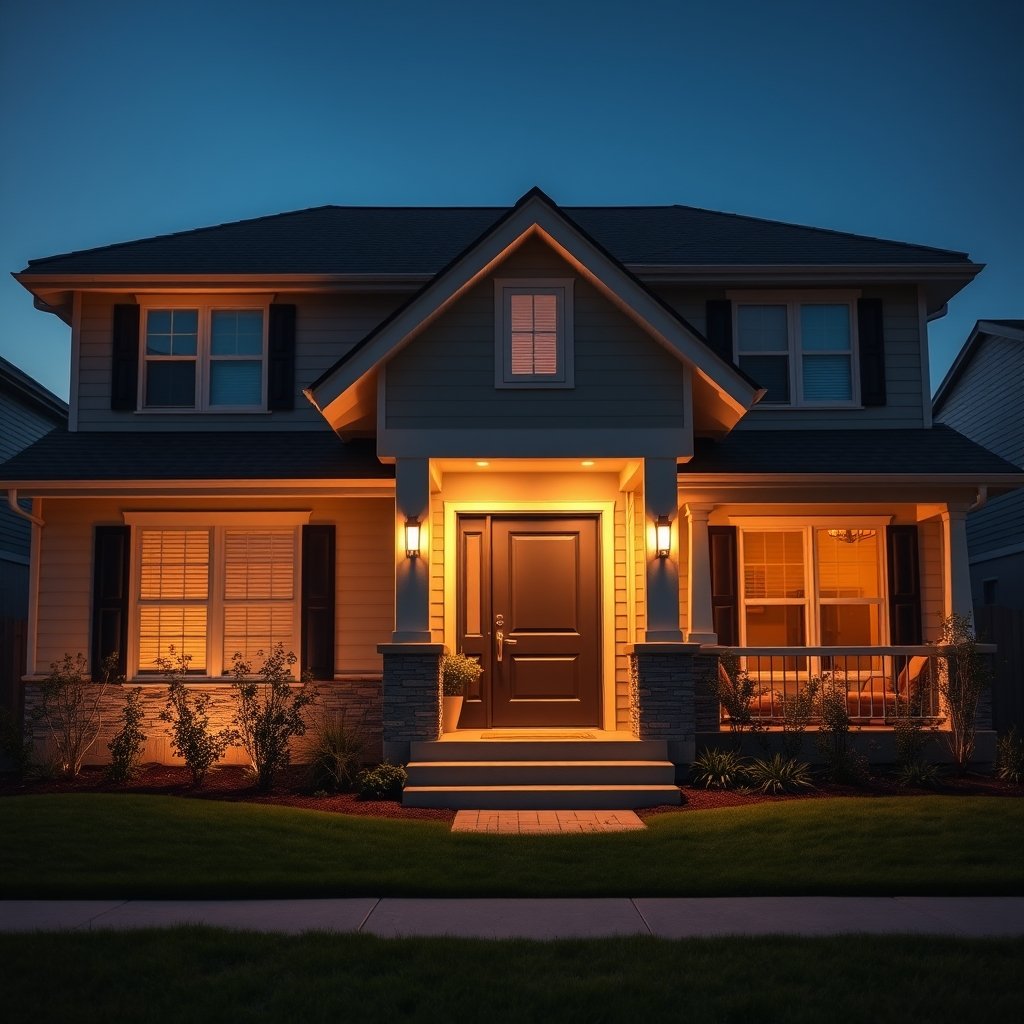
Today’s home protection landscape requires more than locked doors and installed alarms. According to the latest federal data, U.S. home burglaries in YYYY hovered around 747,000 incidents, equating to roughly one break-in every 26 seconds. Nearly 55% happen during daylight, and about 34% of intruders stroll right through the front door. The average loss per break-in is about $2,600, with first-floor windows and back doors remaining favored entry points. This makes robust, up-to-date Home Security Tips not just helpful, but essential for every household.
Key Home Security Tips (Backed by Data)
The right security checklist can transform your home’s risk profile. Here’s what works, backed by research:
- Install visible security cameras and alarms. Studies show 60–66% of burglars abandon homes with visible alarms or cameras. Place cameras at main entry points and ensure they’re plainly visible. Consider starting with these security camera tips if you’re unsure.
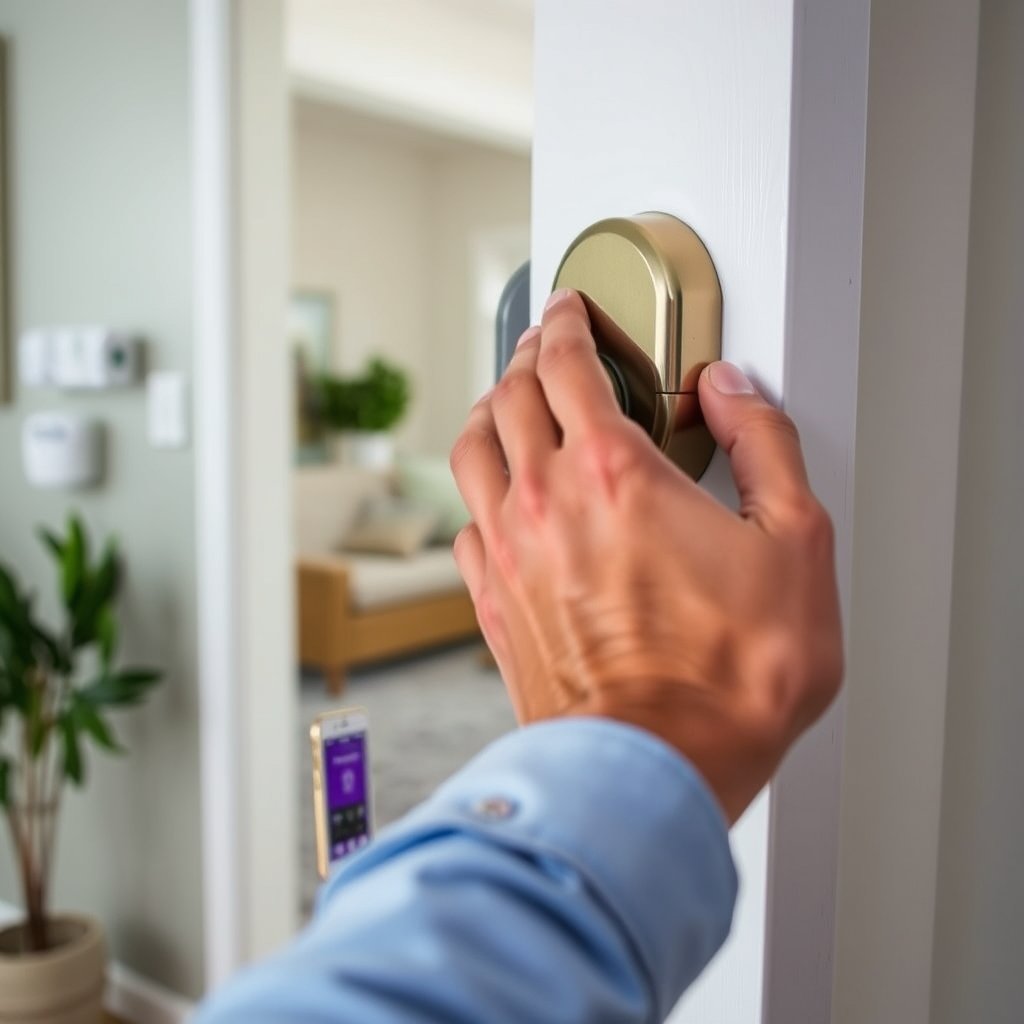
- Secure doors and windows with modern hardware. Upgrade locks to deadbolts or smart locks where possible. Use window stoppers and reinforce sliding doors. For renters or shared housing, choose solutions that don’t require drilling—many smart locks and alarms are now fully wireless. Find more renter-friendly solutions in our smart locks guide.
- Use motion-activated exterior lights, and interior smart lighting on timers. Lighting is a strong visual deterrent—according to studies, 60% of burglars back off when lights come on.
- Lock garages, basements, and outbuildings. These spots are often missed on basic checklists. Use padlocks, sensor alarms, and cover windows to prevent visibility. Explore storage and security ideas for garages in our organization guide.
- Protect your Wi-Fi and smart devices. Use unique, strong passwords for your router and all devices. Set up two-factor authentication where possible.
- Build neighbor connections. Community involvement, like active neighborhood watch groups, can reduce crime further. Share vacation plans and package deliveries with trusted neighbors for mutual coverage.
Home security systems make a measurable impact. Data shows homes with systems have 10–20% fewer break-ins. In fact, 83% of burglars say they check for alarms first, and most abandon targets with obvious protection (see these stats).
You don’t always need top-dollar gear. Many renters and first-time buyers start with peel-and-stick alarms or affordable indoor cameras (DIY kits reviewed here). Just ensure every entry, especially windows and garages, is covered.
Want more comprehensive seasonal upkeep? See our home maintenance checklist for year-round security and upkeep.
User Realities—Biggest Complaints and Common Gaps with Security Checklists
Many families discover that doing everything “by the book” doesn’t guarantee seamless protection. Feedback and real-world reviews reveal several recurring issues when implementing today’s top security checklist items:
| Complaint | Common Cause | Workarounds & Fixes |
|---|---|---|
| False alarms (motion, pets, weather) | Poor sensor placement or cheap gear | Calibrate and test; use “pet immune” sensors |
| Confusing mobile apps or setup | Inconsistent UX, no clear instructions | Opt for brands known for easy interface; read guides like our smart home devices overview |
| Unreliable Wi-Fi or cellular connectivity | Weak signals, device overload | Add Wi-Fi extenders; try wired systems where possible |
| High monitoring fees | Professional monitoring contracts | Choose self-monitored options, compare providers |
| Limited coverage for windows/garages/outbuildings | Incomplete kit and poor planning | Expand with affordable sensors specifically for “blind spots” |
| Integration difficulties (multiple brands) | Proprietary systems, firmware issues | Check compatibility before buying, update firmware, use hubs |
Beyond these, many renters, elderly residents, and tech novices report that official security guides rarely address their needs—such as non-permanent solutions, accessible controls, or guidance dealing with landlord restrictions. Out-of-date firmware and skipped updates are another pain point, especially for DIY installations. For more on seamless upgrades that avoid these headaches, check our resource on essential home improvement products.
Beyond Basics—Protecting Against New and Overlooked Threats
Checklists and cameras are only part of the modern security puzzle. Homeowners and renters now face new and underreported risks:
- Package Theft: “Porch piracy” has doubled in some neighborhoods, especially near holidays. Use lockboxes or direct deliveries to a trusted neighbor when possible. Video doorbells deter many thieves and provide crucial evidence.
- Smart Device Hacking: Internet-connected locks, cameras, and sensors introduce potential for remote hacks. Always change default passwords, enable software updates, and restrict device access. More tips can be found in our overview of safe smart home living.
- Privacy Risks: Security cameras may record sensitive moments or be accessible to unwanted viewers if not properly secured. Set strong passwords and limit who can access feeds.
- Renters, Elderly, and Multi-Family Residents: Many guides ignore these groups. Renters should seek damage-free solutions, the elderly need simplified controls, and shared housing requires clear responsibility for common areas. Consider starter systems or collaborate with landlords to improve overall protection.
According to recent research, homes without robust and visible security features are nearly 300% more likely to experience a repeat break-in (learn more here).
For affordable, renter-friendly upgrades that don’t sacrifice style or value, see our affordable home upgrades guide.
Building a Personalized Home Security Plan
Every home and family needs solutions tailored to their layout, tech comfort, and vulnerability profile. Here’s how to build a security checklist that matches your needs:
- Map your exterior and all entry points. Include main doors, windows, garages, basements, and balconies. Mark areas with little natural visibility.
- Assess current locks, lights, and lines-of-sight. Upgrade weak points and keep landscaping trimmed to reduce hiding spots.
- Decide on digital security: Protect Wi-Fi, smart locks, and devices with unique passwords and regular updates.
- Pick the right system for your comfort level. DIY kits suit tech-confident users; plug-and-play models serve tech-averse or elderly users.
- Schedule quarterly reviews. Technology, threats, and your property change over time. Update your plan after any nearby incidents or security news.
- Get the community involved. Share non-personalized tips with neighbors and participate in local security groups. Many break-ins are deterred by simple awareness.

Don’t forget: ongoing learning makes for stronger security. For more on keeping homes safe—and boosting value at the same time—explore our latest home improvement ideas.
Home Security FAQs—Reader Concerns Addressed
What’s the average cost to secure a home?
Starter kits for alarms and basic sensors can be found for under $150. Professional monitoring adds $10–$40 monthly, but many are now choosing self-monitored systems to cut fees.
Are DIY security systems effective?
Yes. Data shows homes with any visible system—DIY or professional—have 10–20% fewer burglaries. DIY kits are highly effective if installed correctly and regularly maintained.
What are the best low-cost Home Safety Tips?
Use window dowels, secure sliding doors with sticks or rods, add visible signage, and keep hedges trimmed. Light timers and basic cameras are affordable upgrades that deliver significant deterrence.
How do I avoid tech frustrations if I’m not a tech expert?
Opt for security brands rated for easy setup and clear interfaces. Many now offer customer support via video or live chat. Avoid systems with overly complex apps if you want less hassle.
Is home security still necessary if crime rates are falling?
Absolutely. Though burglaries are down 8.6% this year, over 747,000 U.S. homes are still affected. Security steps also address other risks: package theft, cyberattacks, and privacy breaches.
—