

### Blog Post:
Best Lawn Mower guides rarely tell you what actually works for a modern homeowner who wants to ditch gas and never fuss with cords. Here’s a side-by-side breakdown of today’s electric and cordless mowers—built on real ratings, stats, and the brutally honest buyer feedback many sites skip.
Key Takeaways
- Electric and cordless mowers now rival gas in cutting power and runtime, but buyer fit depends on lawn size, terrain, and usage.
- Models like the EGO Power+ LM2130SP lead for power and runtime, while the Snapper XD stands out for heavy-duty deck durability.
- User reviews highlight important “gotchas” such as battery replacement costs, deck flex on some plastics, and the importance of matching mower specs to yard needs—not just the highest stats.
- The Best Lawn Mower in YYYY: Electric & Cordless Models Compared
- Top Consumer-Rated Electric Lawn Mowers: Performance, Battery, Durability
- What Real Users Say: Recent Lawn Mower Reviews Unpacked
- Choosing the Right Cordless Mower for Your Lawn Size & Terrain
- Advanced Buyer Advice: What Most Best Lawn Mower Guides Miss
- Conclusion: Which Electric or Cordless Mower is Best for You?
- Frequently Asked Questions
The Best Lawn Mower in YYYY: Electric & Cordless Models Compared
The electric mower market has changed dramatically. Cordless battery models now combine serious cutting power, long runtimes, and lightweight designs—making them top contenders for anyone replacing a gas mower. Modern lithium battery advancements mean you can often mow a quarter-acre or more on a single charge, avoid gasoline storage headaches, and enjoy quiet operation without tailpipe emissions. This evolution is why more digitally savvy homeowners and renters are switching to electric mower options in YYYY.
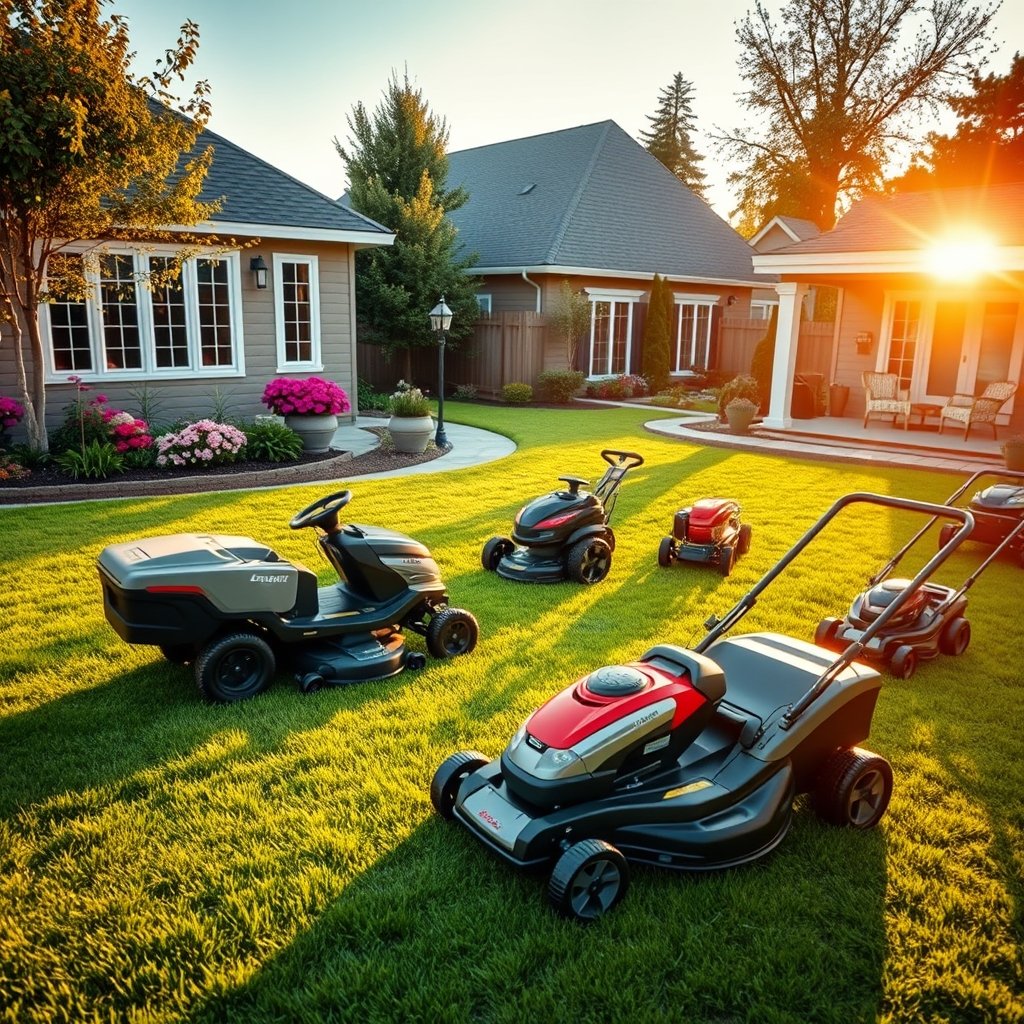
For example, the EGO Power+ LM2130SP, equipped with dual 6 Ah batteries, delivers up to 60 minutes of cutting time—a benchmark for customer favorites according to multiple review aggregators. Other brands have pushed battery voltages and motor design, so cordless mowers are no longer “just for postage-stamp lawns.” But not every model is a fit for every yard or user. That’s why detailed comparison is essential before you retire your gas mower or make an impulsive cordless upgrade.
Top Consumer-Rated Electric Lawn Mowers: Performance, Battery, Durability
Below is a side-by-side, data-driven breakdown of the top electric mower choices for homeowners with small and mid-size lawns:
| Model | Voltage | Deck Material | Runtime (min) | Key Strengths | Primary Drawback |
|---|---|---|---|---|---|
| EGO Power+ LM2130SP | 56V (dual 6 Ah) | Aluminum | 60 | Long runtime, strong brushless motor, great cut on thick turf | Higher initial cost |
| Greenworks PRO 80V GLM801601 | 80V (two 4 Ah) | Aluminum | 45 | Excellent for medium-thick grass, fast charging | Not ideal for very tall weeds |
| Snapper XD 82V | 82V (8 Ah) | Steel | 55 | Exceptional durability, cuts rugged grass | Heavier to push |
| Ryobi 40V HP | 40V (7.5 Ah) | Plastic | 50 | Good on slopes, high torque | Height adjuster can wobble |
| WORX 40V WG779 | 40V (4 Ah) | Plastic | 30 | Ultra-lightweight for small yards | Deck flexes under heavy load |
| Kobalt Gen4 40V | 40V (two 4 Ah) | Plastic | 40 | Quiet, budget-friendly | Some battery leakage issues, past recalls |
These picks reflect a range of price and feature sets, letting you match your needs rather than simply defaulting to the “loudest” stats.
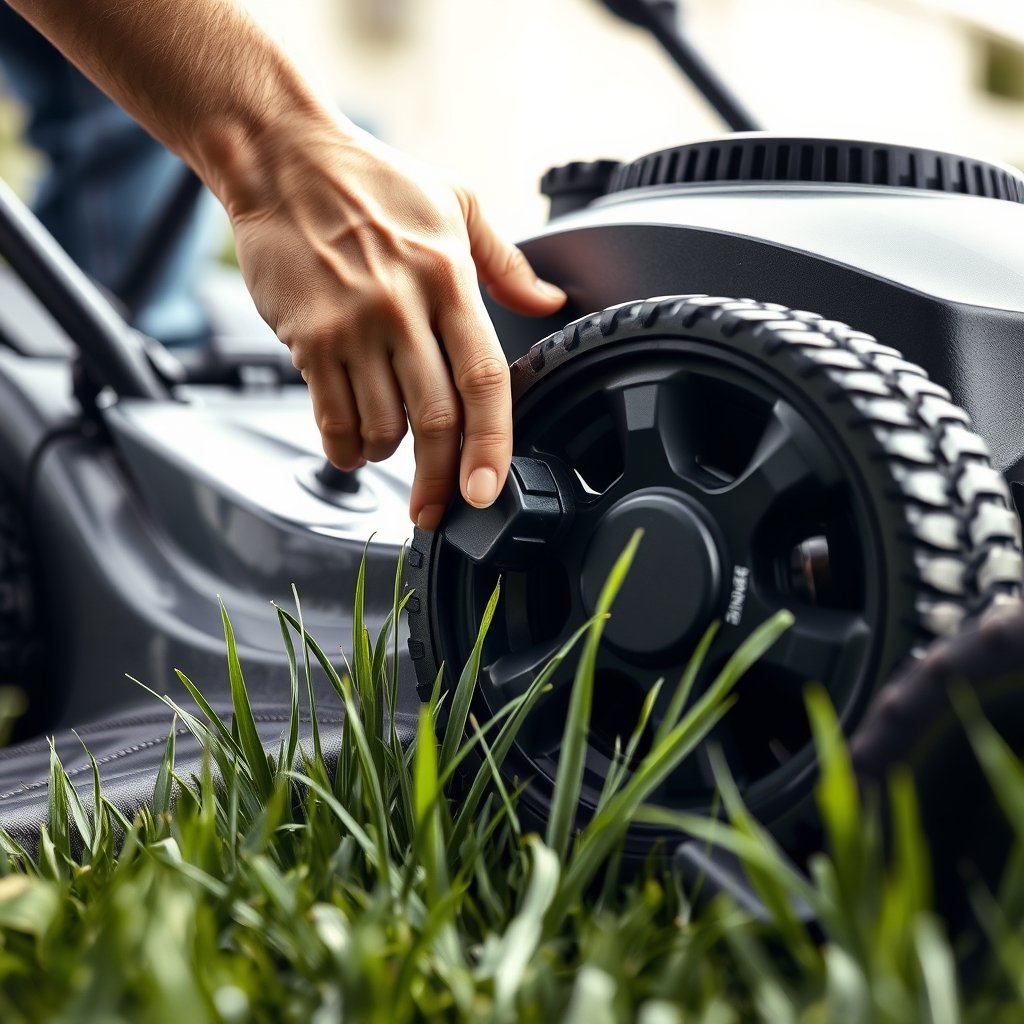
More affordable brands like Greenworks and Litheli are great for small, flat lots, while the Snapper XD stands out for heavy-duty deck durability or EGO Power+ series stand up to tougher grass, extended runtime, and slope or obstacle-laden yards. If noise is critical (early morning mowing, HOA neighborhood rules), models like Kobalt Gen4 or WORX stand out for especially quiet operation. Need even more detailed reviews and buyer education? Visit our in-depth Best Lawn Mowers Guide for up-to-date hands-on testing.
What Real Users Say: Recent Lawn Mower Reviews Unpacked
Online Lawn Mower Reviews and cordless mower forums are flooded with user experiences that rarely make it to brand marketing pages. The big pain points homeowners mention most often are:
- Battery Pack Issues: Battery inconsistency or a “voltage drop” mid-mow is the #1 complaint on lower-priced 40V systems. Kobalt Gen4 and some Ryobi models have been called out for occasional pack leakage or drops in output after just a season of use. (Full review here)
- Deck Flex and Durability: Mowers with plastic decks (such as Ryobi and WORX) can experience visible flexing or even cracking if they hit a submerged branch or have to chew through an early spring jungle. Steel or aluminum decks stand up much longer in the real world.
- Runtime Realities: Few mowers hit their “max” advertised runtime in real grass, especially with mulching or if your grass is at its thickest. Swapping between two batteries helps, but be realistic if you have more than 7,000 square feet.
- Height Adjust Mechanisms: Cheap adjuster arms or plastic levers can get loose after repeated use—especially in models designed mainly for lighter, flat work (see detailed owner insights).
- Overheating Motors: Dense, wet, or super tall grass can make smaller cordless motors overheat and automatically shut down. This is rare on higher-end brushless models.
For many, these aren’t dealbreakers—but understanding them ups your odds of a good fit and helps avoid disappointment. For more ways to keep your lawn looking sharp, see our recommended Best Lawn Care Tips and check out eco-alternatives like clover lawns if you’re ready for an even greener upgrade.
Choosing the Right Cordless Mower for Your Lawn Size & Terrain
Matching an electric mower to your yard is about more than picking “the best.” Here’s how to choose wisely for performance and ease:
- Lawn Size: Small, flat yards (under 2,500 sq ft) thrive with light 40V or 56V compacts like WORX or Greenworks 14-inch. You’ll enjoy push-button starts, easy storage, and quiet operation.
- Medium Lawns or Mixed Terrain: For 2,500 to 8,000 sq ft with slopes or thicker turf, step up to higher torque. The EGO Power+ LM2130SP, Ryobi 40V HP, or Snapper XD (with steel or aluminum deck) gives you power plus extra runtime.
- Deck Material: Steel and aluminum reduce flex, increasing lifespan and reliability, while plastic will save weight/cost but demands more careful handling on rugged ground.
- Battery Spec: Look at amp-hour (Ah) rating—larger is almost always better if you don’t want to stop and swap batteries mid-mow.
- Drive System: Self-propelled units make a huge difference for sloped, uneven, or larger yards, minimizing fatigue.
Stat to remember: High-voltage models like the EGO Power+ excel on slopes but can be overkill for very compact, flat lawns.
If you’re getting started on more comprehensive backyard upgrades (like decks or pergolas), see our Outdoor Living Spaces Guide for project inspiration, or streamline tool shopping with the latest Best Power Tools list.
Advanced Buyer Advice: What Most Best Lawn Mower Guides Miss
Many “Best Lawn Mower” lists skip over after-sale headaches or the tiny details that make or break daily use. Before you buy, factor in:
- Battery Replacement Costs: Most manufacturers sell replacement batteries separately, sometimes at up to 40% the price of a new mower. Calculate two or more future sets in your budget, especially for multi-battery units.
- Warranty: Longer warranties save buyers money and stress. Read the fine print—some brands limit battery coverage to less than two years.
- Noise and Torque: If HOA rules or early weekend starts matter, pick models and brands frequently praised for low decibel output (WORX, Kobalt Gen4).
- Ecosystem Fit: Choosing a mower from the same battery “family” as your other tools (leaf blowers, trimmers, chainsaws) means better convenience and value long-term.
- Neighborhood Compliance: Some communities limit gas-powered equipment, meaning electric and cordless mowers help you comply, cut noise, and reduce complaints.
- Total Cost of Ownership: Factor in all future batteries, blade changes, and part replacements. Buying a high-end model with expensive consumables may not be worth it for very basic needs.
As a final tip: check local recycling programs for battery disposal and lean towards brands that support recycling or trade-in, minimizing environmental impact.
Conclusion: Which Electric or Cordless Mower is Best for You?
The right mower depends on your specific needs—not just headline specs. The Best Lawn Mower for most digitally savvy homeowners seeking power, runtime, and a premium build is the EGO Power+ LM2130SP. If deck durability matters most, pick the Snapper XD’s steel-heavy design. Smaller lots and first-time cordless buyers often appreciate lighter, budget-friendly models like the GREENWORKS or WORX lineup. Always factor in noise, runtime, and durability issues, not just marketing claims.
Ready to transform how you mow? Compare these top picks, consider user-reported pain points, and match your new mower to your yard—not just the label. For more, dive into our full guide to the Best Lawn Mowers or explore how smarter upgrades can boost home value on our Home Improvement Ideas page.
Frequently Asked Questions
How long do electric mower batteries actually last?
Expect most lithium-ion mower batteries to run 3 to 5 years with typical use. Heavy mowing or poor storage habits can shorten this time. Many brands offer replacements, but check costs upfront—they can be expensive over time.
Can cordless mowers handle wet or very tall grass?
High-voltage, brushless models (like EGO Power+ or Snapper XD) can handle tougher conditions, but expect some slowdowns or even auto-shutoff in the wettest, thickest turf. Cheaper 40V units tend to overheat or lose runtime quickly under stress.
Are electric and cordless mowers really quieter than gas?
Yes—most electric mowers run at 65 to 75 dB, while gas models often hit 90 dB or more. Brands like Kobalt Gen4 and WORX are among the quietest. Always check user reviews for real-world noise levels relevant to your setting.
What’s the best way to store an electric mower off-season?
Clean off grass, dry it thoroughly, and remove the battery. Store both the mower and battery indoors in a cool, dry place for maximum lifespan. If possible, maintain a 50% battery charge over winter to prevent cell damage.
How do I dispose of old mower batteries responsibly?
Take spent lithium batteries to a certified recycling center or store with a recycling program. Many hardware chains now offer collection bins. Never dispose of batteries in regular household trash due to environmental and safety risks.
—