

### Blog Post:
Best Lawn Care Tips start with the facts: most suburban yards underperform because homeowners use outdated advice, shortcut science-backed strategy, or mistime key treatments. Get ready for a modern, proven lawn maintenance guide that ditches common myths and arms you with expert tactics for thick, resilient turf—without the wasted time and recurring issues.
Key Takeaways
- Modern, research-based fertilization and weed control dramatically outperform most DIY schedules—timing and matching products to your grass type is critical.
- Neglecting split-application fertilizer programs and missing the short pre-emergent herbicide window remain the top causes of patchy, weed-ridden lawns in America.
- Advanced tactics from recent university trials—like slow-release nitrogen and precise thatch control—can boost turf health while minimizing weed outbreaks naturally.
- The Best Lawn Care Tips Backed by 2026 Research
- Choosing Lawn Fertilizer for Your Grass Type
- Seasonal Lawn Maintenance Guide: What to Do and When
- Expert Weed Control Strategies (No More Missed Windows)
- Advanced Grass Care Tactics the Top Guides Miss
- Avoiding Common DIY Lawn Care Pitfalls
- Build Your Personalized Lawn Maintenance Calendar
- Conclusion
- FAQs
The Best Lawn Care Tips Backed by 2026 Research
Smart lawn care isn’t about buying the priciest fertilizer or the flashiest spreader—it’s about precision. This year’s field trials prove split-application fertilizer programs for cool-season grasses result in 88 percent dense, disease-free lawns (compared to just 71 percent for a single annual dose). Recent homeowner surveys confirm that timing your feedings, choosing science-backed nutrients, and nailing weed control windows outperform generic “set-and-forget” routines every time.
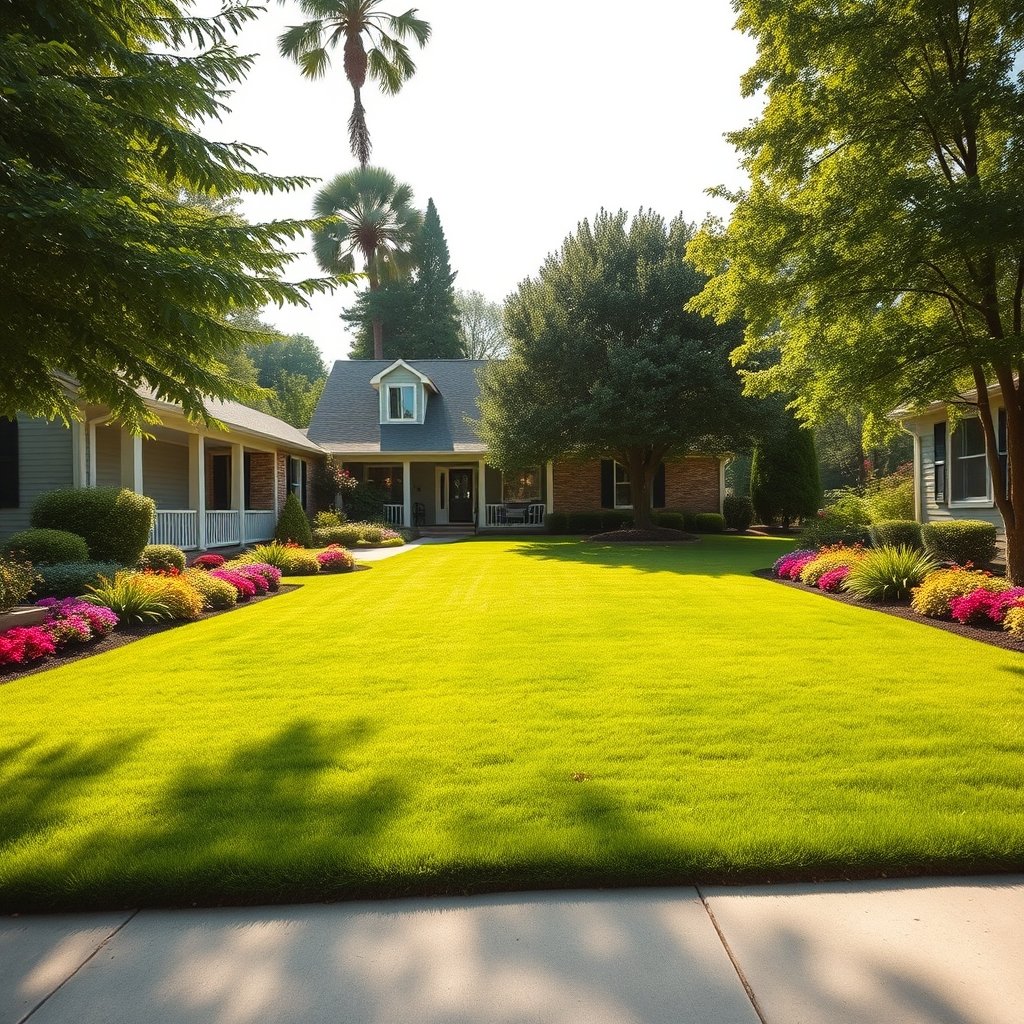
Studies show that when U.S. homeowners pair a modern lawn maintenance guide with insight into their yard’s grass type, results can change fast—thicker turf, fewer weeds, and less disease. Bottom line: ditch habitual once-a-year treatments and target your care by season, grass type, and local weed pressure for lasting results.
Choosing Lawn Fertilizer for Your Grass Type
One secret behind the best lawn care tips is treating your yard like a plant science experiment. Different turfgrasses have different needs—and the wrong product or schedule is the top reason even motivated DIYers get frustrating results.
Cool-season grasses (Kentucky bluegrass, tall fescue, perennial rye) thrive with 2.5–3.5 pounds of nitrogen per 1,000 square feet per year, broken into four split-applications: early spring, late spring, early fall, and a late fall “green-up.” Warm-season species (bermudagrass, zoysiagrass, buffalo grass) are entirely different: they perform best with 0.75–2 pounds of nitrogen per 1,000 square feet over just three applications (early spring, midsummer, early fall), resulting in up to 92 percent dense, drought-ready coverage. By comparison, the traditional four-application warm-season schedule delivers only 64 percent coverage and greater drought vulnerability.
(Source: NC State Extension)
Choosing between slow-release and quick-release nitrogen is game-changing. Modern research finds slow-release nitrogen formulas (urea-formaldehyde, polymer-coated urea) increase nitrogen-use efficiency by up to 25 percent and reduce weed infestations by about 30 percent. Always match your product to your soil test: if phosphorus (P) and potassium (K) are adequate, look for nitrogen-only fertilizers. Blended “all-in-one” N-P-K bags can lead to unnecessary phosphorus runoff and environmental harm.
(Reference: Cape Cod County)
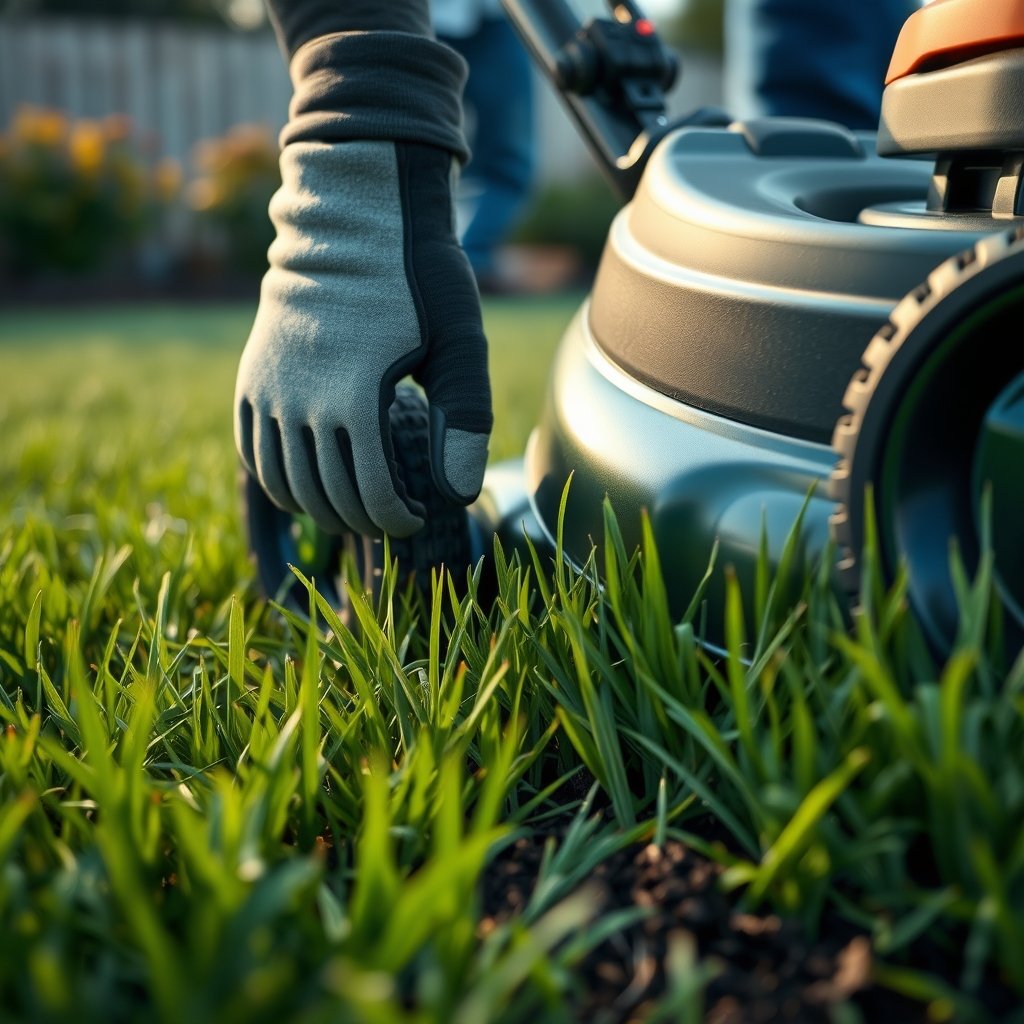
Don’t forget other grass care basics: mow tall (3-4 inches for most cool-season types), never remove more than a third of the blade at once, and leave clippings for natural nitrogen recycling. It’s also smart to time fertilizer right after core aeration for maximum uptake—especially if you plan to overseed thin spots this fall. For extra drought resilience, consider planting sections with sustainable species like clover; read our clover lawn pros and cons guide for practical options.
Seasonal Lawn Maintenance Guide: What to Do and When
Stack your lawn maintenance guide around your specific grass type and climate. Season-by-season adaptation is crucial.
Spring
- Cool-season lawns: Fertilize as soon as soil temps consistently reach 50 degrees Fahrenheit. Apply crabgrass pre-emergent in early spring before soil temps reach 50–55°F. Aerate if compaction is present.
- Warm-season lawns: Wait to fertilize until after your first mowing when green-up begins. Pre-emergent goes down just before warm-up; fine-tune this using a soil thermometer.
Summer
- Mow higher for increased leaf area, which shades roots and conserves soil moisture.
- Water deeply (0.5–1 inch per week), ideally before 10 a.m. to minimize disease risk.
- Never fertilize warm-season grass during drought or heat stress.
Fall
- You’ll get your biggest return by feeding cool-season lawns in early and late fall (split dose). This boosts root reserves for winter and next spring.
- Overseed or patch thinned cool-season turf as needed.
Winter
- Remove leaves promptly to avoid smothering.
- Avoid walking on frozen turf to reduce compaction and prevent crown damage.
Surveys show the most common complaints aren’t about insects or mower quality—they’re about inconsistent fertilization and poor timing or underdosing of pre-emergents. You can eliminate both by adding seasonal reminders to your phone or calendar.
For tailored seasonal advice, check out our home maintenance checklist guide and outdoor living spaces guide.
Expert Weed Control Strategies (No More Missed Windows)
Most homeowners miss the short, exact window for pre-emergent herbicide—that’s why so many “miracle weed-free” yards collapse into dandelions or crabgrass by mid-summer. Pre-emergent products only prevent seeds from sprouting; they won’t control weeds already up. The right timing: when soil temps reach 50–55°F for three consecutive days (often early spring). Use a soil thermometer for accuracy.
Post-emergent applications (for weeds showing aboveground) require a different chemistry and should target only what you see—overapplication causes turf stress. Avoid multi-purpose “weed-and-feed” products if you have mixed grasses or specialty lawns like bahiagrass, as the herbicide mix can damage certain species.
(Expert reference: Colorado Master Gardener)
For newly seeded lawns, avoid broad-spectrum weed killer until the new turf has been mowed at least three times. Instead, spot-treat visible weeds by hand-pulling or dabbing a targeted post-emergent with a sponge applicator.
To make weed management sustainable, improve mowing frequency, maintain healthy turf density, and limit fertilizer overuse that encourages weed “flushes.” For eco-friendly lawn care, consider low-toxicity alternatives and combine with the expert timing above.
Advanced Grass Care Tactics the Top Guides Miss
Ready to go beyond the basics? Here are three expert, research-driven tactics almost no mainstream lawn maintenance guide will share:
- Slow-release nitrogen for weed and labor reduction: University research confirms slow-release nitrogen sources—not quick-release urea—boost efficiency by 18–25 percent and suppress weed germination by roughly 30 percent. This means fewer feeds, less leaching, and longer-lasting nutrition with fewer crabgrass and dandelion issues.
- Targeted thatch management: Thatch thicker than one-half inch reduces drought tolerance by forcing roots to grow in air instead of soil. The causes? Overfertilizing, infrequent mowing, and excessive watering. Control thatch by regular mowing, moderate feeding, and core aeration as needed.
(Science source: NCAP) - Shade-smart fertilization: Lawns in shade need up to 40 percent less fertilizer due to slower blade growth and weaker roots. Overfeeding under trees likely causes leaf spot and more thinning—not lush coverage. Always tune rates down for heavily shaded spots.
(Supporting data: USU Pest Advisories)
Be sure to use a consistent calibration for your spreader; “eyeballing” rates is the most common source of patchy lawns and brown streaks. And for homeowners ready to minimize weekend chores, combining these practices with smart landscaping—like creating a partially clover-based lawn—can further enhance lushness and sustainability. Learn more in our home upgrade idea guides.
The right grass care blends precision with efficiency, delivering steady, robust turf with less effort and less chemical input over time.
Avoiding Common DIY Lawn Care Pitfalls
Even well-intentioned homeowners fall into the same traps—often because generic advice leads them there. Here’s where most lawn DIYers go wrong, according to both field feedback and customer reviews:
| Pitfall | What Happens | How to Fix |
|---|---|---|
| Over-fertilization | Brown patches, thatch buildup, vulnerable turf | Always measure and calibrate; use slow-release products |
| Uneven application | Stripes and color bands, weak spots | Overlap evenly, walk at the same pace, use a good quality spreader |
| Mistimed pre-emergent | Massive weed blooms, wasted product | Apply exactly when soil temps hit 50–55°F for 3+ days |
| Wrong product for grass type | Herbicide or feed burns, weak or discolored turf | Always check your grass species; read product labels carefully |
| Overwatering | Shallow roots, fungus, increased weed seeds | Water only when needed—deep and infrequent is best |
Negative homeowner reviews highlight two repeating issues: brown patches from excess fertilizer and “weed flushes” when herbicides are mistimed. Smart scheduling is non-negotiable. For more all-season advice for your home, explore our collections: maintenance guides, best tools, and affordable upgrades.
Build Your Personalized Lawn Maintenance Calendar
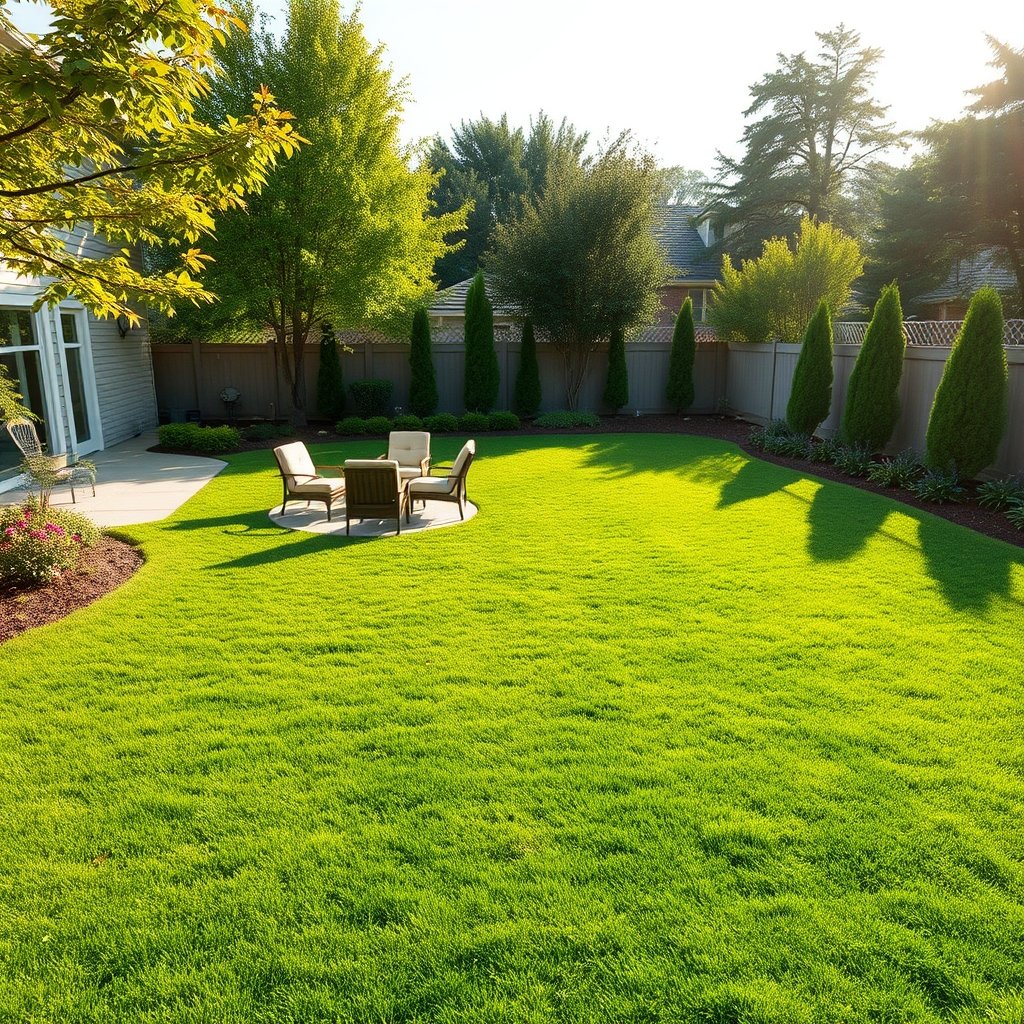
A truly effective lawn maintenance guide needs to fit your grass type, region, and lifestyle—not just month-by-month tasks. Here’s a simple approach to create your personalized plan:
- Identify your grass type. Cool-season (bluegrass, fescue) or warm-season (bermudagrass, zoysia)? This step sets your feeding and weed control schedule.
- Map your yard zones. Shady vs. sunny, heavy traffic vs. low use, slopes, or clay patches.
- Set up digital or physical reminders. Note precise application times for fertilizers and pre-emergents—as research data shows, most failures are due to poor timing, not product failure.
- Track results. After each feeding or treatment, note color, density, and any weed or disease pressure. Adjust next season’s plan based on these notes for continuous improvement.
- Account for extra touches. Add aeration and overseeding for cool-season lawns in the fall, leaf cleanup before snow, and special attention for new sod or seed.
See more comprehensive templates and upgrade ideas in our home maintenance checklist and explore season-by-season home tips with our DIY improvement guide.
Conclusion
With diligent attention to timing, grass type, and advanced feeding methods, homeowners can achieve better results than ever before—without wasted effort or chemicals. Follow these science-backed best lawn care tips and adapt your seasonal habits for a thicker, healthier lawn all year long. Ready to upgrade your entire home environment? Start by building your personalized plan and explore our collections for more home improvement tips.
Share your favorite upgrade or lawn challenge below—or subscribe now for practical, field-tested advice that covers every corner of your home and yard.
FAQs
How do I know if my lawn needs more or less fertilizer?
Perform a soil test before the growing season. Too much fertilizer causes rapid, weak growth and brown spots; too little results in pale, thin turf.
When is the best time to apply pre-emergent herbicides?
When the soil temperature hits 50–55°F for three consecutive days—use a soil thermometer for accuracy, and check your region’s typical spring weather.
Can I use a general “weed-and-feed” product on all lawns?
No. Some “weed-and-feed” mixes will harm grasses like bahiagrass—always read the label and match products to your species.
How can I prevent thatch buildup?
Avoid overfertilizing, mow regularly, and aerate when thatch approaches ½ inch thick. Remove clippings only when they are heavy and clumpy.
What’s the fastest way to improve a patchy lawn?
Combine a split-application slow-release fertilizer program with overseeding thin areas in fall. Keep the seedbed moist until the new grass is established.