
### Blog Post:
Best Lawn Mowers aren’t just about shiny features or big marketing promises—for homeowners who want their yard work to actually get easier, the real story is long-term reliability, honest ownership costs, and what actual users face after months (and years) of mowing. Whether you’re replacing a tired walk-behind or looking for an upgrade to electric, knowing which options stand up to tough, real-world use can save you time, money, and frustration.
Key Takeaways
- Brand reliability and verified owner satisfaction matter far more than just new features or specs when choosing the best lawn mowers.
- True cost of ownership includes battery replacements and potential recall risks, not just the sticker price.
- Recurring pain points include battery life, warranty hassles, and frequent recalls—so research real user experiences before you buy.
- What Sets the Best Lawn Mowers Apart in 2026
- Performance & Reliability: What the Numbers Say
- Common Pain Points According to Real Users
- Overlooked Factors: What Most “Best” Guides Miss
- Quick Comparison Table: Top Picks (With Key Reliability & Cost Data)
- Should You Go Cordless, Electric, or Riding?
- Final Buying Checklist (Focusing on Long-Term Value)
- FAQ
What Sets the Best Lawn Mowers Apart in 2026
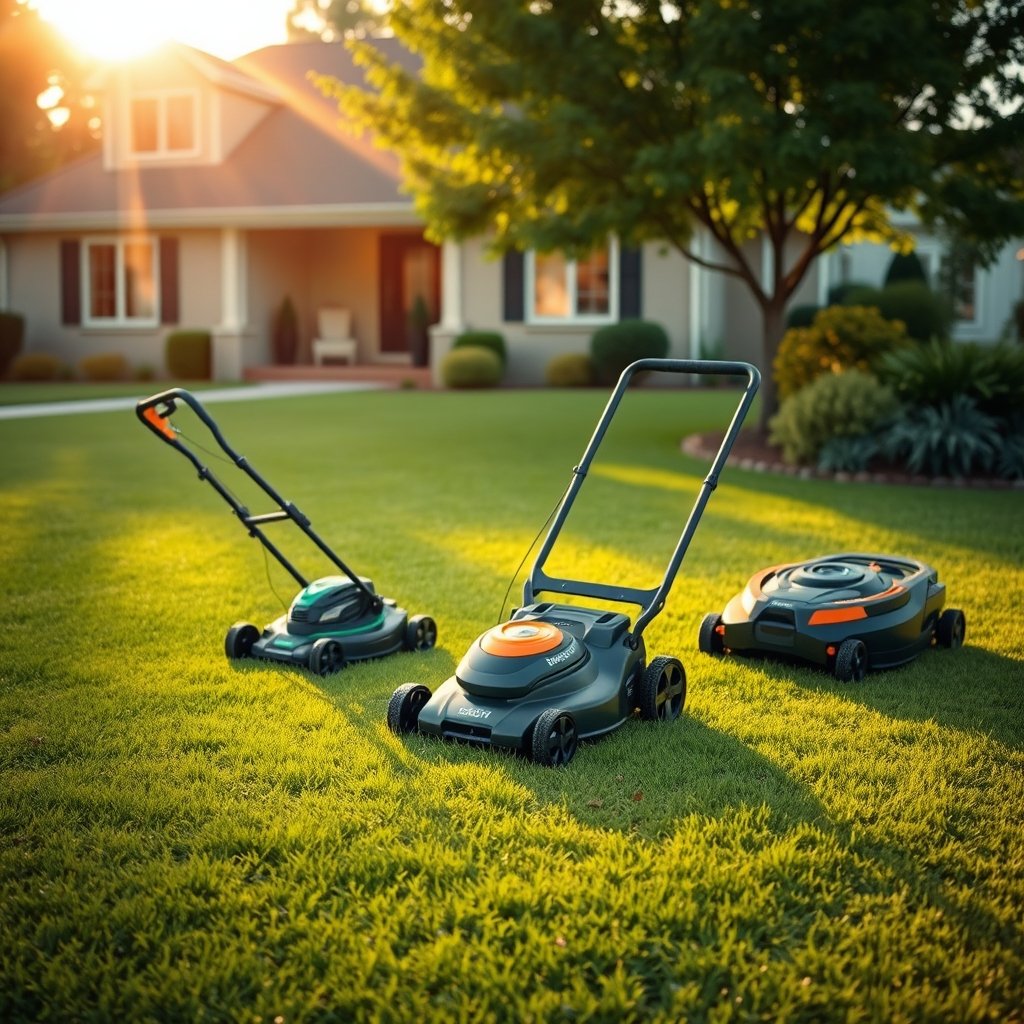
The best lawn mowers in 2026 stand out not just for cutting performance, but how reliably they hold up through seasons of honest yard work. Today’s top-rated models—from sturdy cordless mowers to app-enabled riding mowers—differentiate themselves through brand reliability, actual customer satisfaction, and long-term value. In recent independent reliability surveys, Ozito led with a 95% reliability score, while Honda owners reported the highest satisfaction at 89%. Ego and Ryobi, along with Husqvarna and Victa, consistently rate between 78% and 88% for both durability and owner happiness [1]. What really counts for practical suburban homeowners is how few issues these mowers produce after frequent use, not just what’s promised on the box.
Performance & Reliability: What the Numbers Say
If you want equipment you can depend on, pay close attention to recent, brand-agnostic performance data. Corded electric lawn mowers are consistently the most dependable by owner surveys, suffering fewer failures than battery or gas versions. Walk-behind cordless mowers continue to close the gap, though battery life and runtime can vary sharply between brands and models.
Premium electric riding mowers, like the Ryobi 80V HP Brushless 42-Inch and Ego Power+ TR4204, now claim 90 minutes to 2 hours of actual cutting on one charge (enough for 1–2 acres, depending on conditions) [3]. But ride-ons, in practice, are more prone to reliability issues compared to walk-behind electrics and corded mowers. And keep in mind, none of these stats matter if the mower’s blades detach, electronics overheat, or you can’t get parts when something goes wrong.
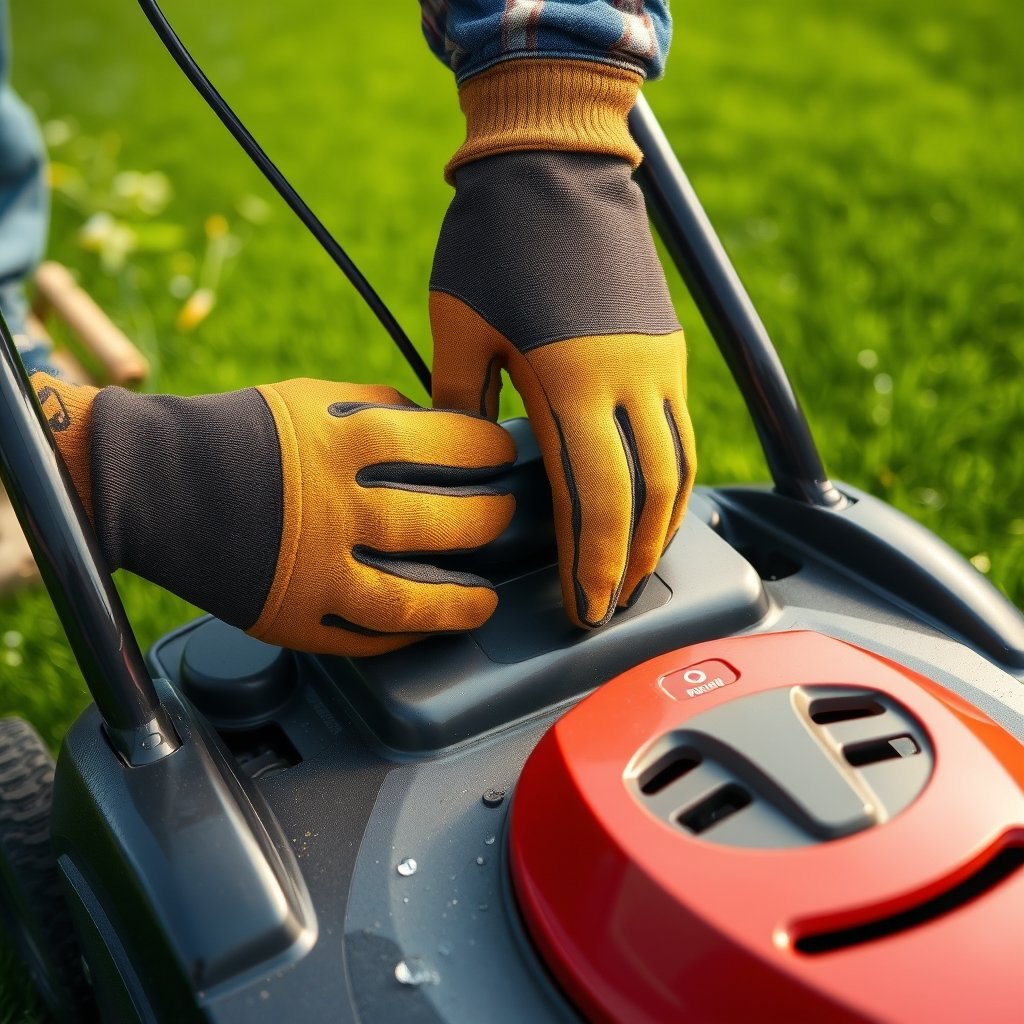
Want a deeper look at eco-friendly yard care? Check out this guide to clover lawns for lower-maintenance alternatives.
Common Pain Points According to Real Users
Ignore glossy sales claims and dig into verified lawn equipment reviews—they tell a different story. The most frequent complaints in 2026 aren’t about cutting width or charger speed but reflect deeper issues:
- battery-powered mowers often lack the runtime for large or wet lawns, leaving jobs unfinished.
- Steep slopes expose power drops and early battery depletion, especially in lower-priced cordless mowers.
- blade detachment, startup failures, overheating issues, and major recalls are surprisingly common. Recent examples include Ryobi 40V HP overheating/fire risks, Sun Joe’s notorious blade detachment recall (impacting 26,000+ units), and a mass recall of Honda models for camshaft failure [4].
- Some brands (notably Ego) face persistent complaints about warranty and charger support—users often wait weeks for parts or get little help after a recall.
Homeowners who want straightforward, practical advice should always read recent owner reviews and check for recall alerts before buying. For more on reliable power tools for your outdoor needs, see our lineup of 2024’s best power tools.
Overlooked Factors: What Most “Best” Guides Miss
Most “best lawn mower” guides repeat specs and upfront price, but rarely address three critical realities:
- Long-term reliability and failure rates. The only way to know if that top-rated mower really lasts: brand-by-brand reliability statistics, owner complaint frequencies, and how quickly common parts fail.
- Life cycle environmental impact. Cordless mowers sound green, but total battery replacements and manufacturing emissions mount up. Few guides offer a real carbon footprint analysis for riding mowers or walk-behind electrics [10].
- True cost of ownership. The advertised price ignores regular maintenance, blade replacements, likely midlife battery costs, and possible repair expenses from recalls or faulty hardware.
Responsible buyers estimate the three-year cost—including at least one battery replacement for high-use cordless mowers—and watch for developing recall trends, since some brands report multiple safety issues each year.
Quick Comparison Table: Top Picks (With Key Reliability & Cost Data)
Here’s an at-a-glance comparison of top sellers by type, including key reliability stats, main complaints, runtime, and estimated 3-year ownership cost. See how they stack up for real-world use.
| Product | Type | Reliability Score | Avg. Runtime | Main User Complaints | Estimated 3-Yr Cost |
|---|---|---|---|---|---|
| Ozito PXCLMK-418 | Cordless Walk-Behind | 95% | 35-45 min | Battery runtime in tall grass Limited parts access |
$650 |
| Ego Power+ LM2135SP | Cordless Walk-Behind | 83% | 60 min | Charger reliability Delayed warranty resolution |
$920 |
| Ryobi 40V HP Brushless | Cordless Walk-Behind | 81% | 45-60 min | Recall/fire hazard Battery cost |
$890 |
| Ryobi 80V HP Zero-Turn | Electric Riding | 79% | 90 min–2 hrs (1–2 acres) |
Possible overheating App sync issues |
$4,600 |
| Honda HRN216VKA | Gas Walk-Behind | 90% | N/A | Camshaft recall Start-up issues |
$700 |
Want more advice on how to transform your yard? Explore our lawn care tips and discover outdoor living enhancements.
Should You Go Cordless, Electric, or Riding?
Your best choice depends on yard size, terrain, and long-term budget goals. Here’s how the main types match up in daily use:
- Cordless mowers: Easy to store, quiet, and eco-friendly but may disappoint on bigger or tough lawns unless you invest in top-tier brands. Battery replacement costs add up for frequent users.
- Electric walk-behinds (corded): Most reliable and lowest maintenance if you don’t mind the cord. Limited to about a 100-foot radius.
- Riding mowers: Best for 1 acre+ or sloped lots, but come with higher failure risk, pricier repairs, and steeper recall rates. Electric ride-ons like the Ryobi 80V or Ego Power+ TR4204 cut 1–2 acres per charge but still trail in durability [7].
Consider your “all-in” costs, not just purchase price: frequent recall issues, warranty claims, and battery turnover can easily erase any upfront savings if you buy the wrong type for your yard or habits. For more on making your home smarter and more efficient, see our smart home energy guide.
Final Buying Checklist (Focusing on Long-Term Value)
Before you commit to a new mower, use this checklist to spot not only the features you want but red flags for poor long-term value:
- Research up-to-date owner satisfaction and reliability scores for your shortlisted models, not just the base specs.
- Estimate your 3-year true cost: add potential battery replacements (about 1 for heavy users), maintenance, and the cost of any recurring recall fixes.
- Check for open recalls or class-action warranty issues on your chosen brand (especially for battery and blade failures).
- Prioritize local parts/service support—waiting months for a warranty part turns “budget” mowers into money pits fast.
- Read verified user “pain point” complaints in recent lawn equipment reviews before buying.
Don’t forget: unresolved warranty complaints (especially for chargers and batteries) appear most often in Ego models. Lower-rated mowers face frequent recalls, which are rarely highlighted in sales copy. Smart research is the only way to avoid these traps and get a mower that delivers real, hassle-free value year after year. If you’re considering additional home upgrades, try our maintenance checklist for extra savings.

FAQ
What is the most reliable lawn mower brand in 2026 ?
Recent owner surveys place Ozito at the top for reliability (95%), with Honda and Ego close behind. Always check for updated recall info prior to purchase.
How long should a cordless mower battery last?
Most lithium-ion batteries last 2–3 seasons for frequent users before losing significant runtime. Budget for at least one battery replacement within three years, especially for larger or tougher lawns.
Are riding electric mowers worth it for small yards?
Not usually. Their higher cost, complexity, and reliability risk are best justified for 1+ acre properties or hilly terrain, where walk-behinds fall short.
What issues should I watch for in owner reviews?
Look for patterns of battery, charger, or startup failures, recurring recalls (such as blade/hardware detachments), and slow or unhelpful warranty service.
How can I reduce total ownership cost with a mower?
Choose a reputable brand with good reliability ratings, shared batteries (for cordless tools), and available local parts/service. Avoid low-rated or frequently recalled models even if the price is tempting.
—