

Best Leaf Blower buyers in YYYY are facing more tradeoffs than ever: you want freedom from gas, power for tough yard cleanup, but you’re not sure if the latest cordless leaf blowers can truly keep up—or if their hidden costs add up fast. This no-nonsense guide brings real data, actual user pain points, and the overlooked features that matter most right now.
Key Takeaways
- Battery-powered leaf blowers now make up nearly 1/3 of global sales, but real-world runtime and airflow often fall short for heavy yard tasks.
- Gas models still win for the largest yards and most demanding debris, while corded units remain budget-friendly but are less flexible.
- Most buyers overlook features that deliver daily convenience and long-term value—like smart batteries, rapid swaps, tool compatibility, and noise control.
- 2024 Leaf Blower Market: Cordless, Battery, and Gas Compared
- The Real-World Pros and Cons of Cordless Leaf Blowers
- Cordless vs Gas vs Corded: What’s Best for Your Yard Size and Tasks?
- Essential Leaf Blower Features Most Buyers Overlook
- Choosing the Best Leaf Blower for YYYY: Key Takeaways and Shopping Advice
- FAQ Section
2024 Leaf Blower Market: Cordless, Battery, and Gas Compared
The battle for the Best Leaf Blower title has changed fast. In YYYY, market analysts report that electrified (cordless and battery) leaf blowers now make up roughly 25–27% of all global sales, up notably from previous years. Leading manufacturers, like Husqvarna, have electrified products accounting for 44% of their total motorized blower revenue. Meanwhile, cordless leaf blower sales helped push the entire battery-based handheld tool category to over $14.6 billion, with brands such as Milwaukee and Ryobi posting double-digit growth.
The reasons behind this shift are clear:
- Homeowners want quieter operation, lower emissions, and less maintenance.
- The convenience of cordless designs—no cords to drag, no gas to mix—outweighs many power limitations (especially for smaller yards).
- Eco-friendliness is a growing priority for American buyers concerned with air/noise ordinances and sustainability.
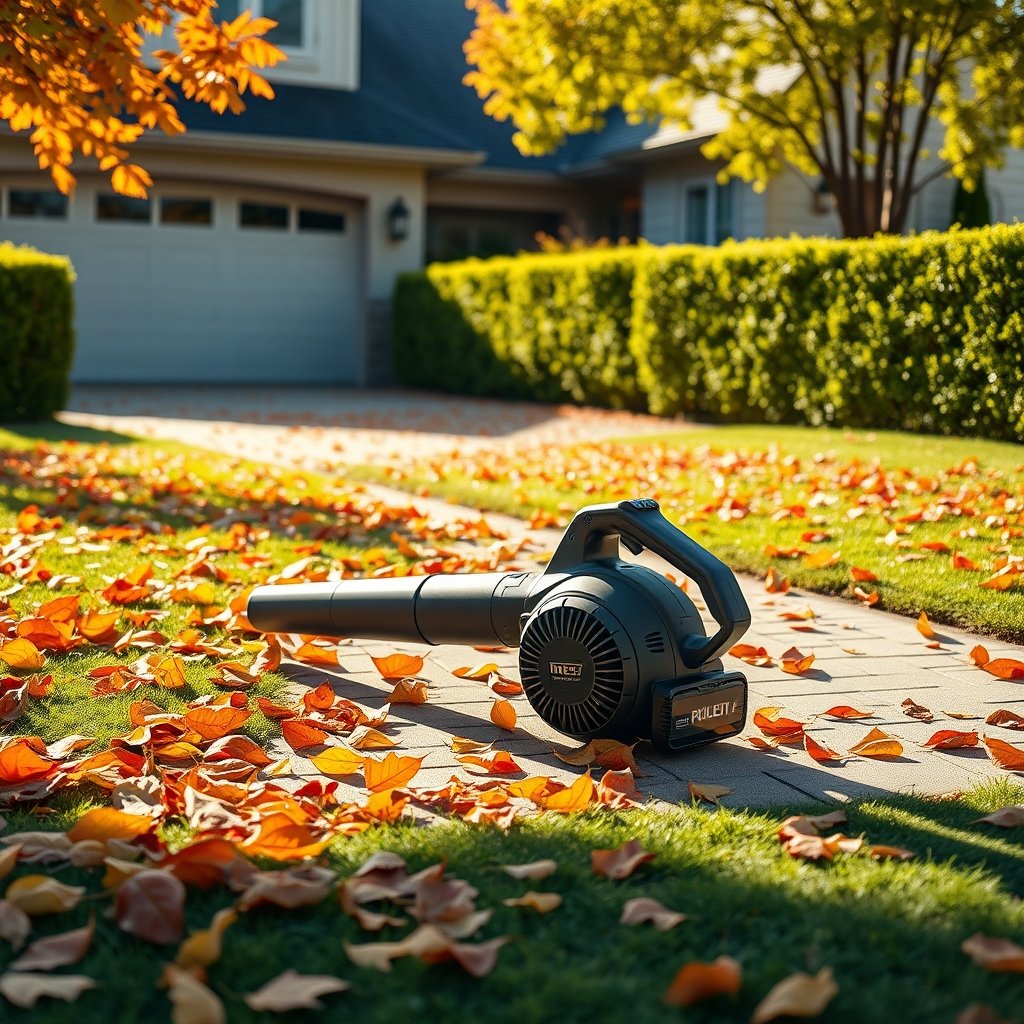
Still, in the “prosumer” and professional landscape, corded and gas models remain significant. Corded units keep upfront costs low—with zero gas bills or battery replacements—but they are tied to the availability of outdoor outlets. Gas models remain vital for large yards and tough debris, with unmatched throughput and runtime, though at the cost of emissions and regular engine maintenance.
For more advice on backyard maintenance tools, see our guide to the Best Lawn Mowers.
The Real-World Pros and Cons of Cordless Leaf Blowers
The biggest driver of battery leaf blower growth is user-friendly design. But the promise of “gas-killer” performance has real limitations that most first-time buyers only discover after a few weekends of use.
Here’s what actual owners report most often:
- Many cordless models deliver just 10–20 minutes of full-power runtime, even when advertising 30+ minutes. Runtimes plummet in cool weather or under heavy-load (think wet leaves).
- Airflow on battery leaf blowers can stall out below 500 CFM, especially on budget options—often not enough for heavy yard cleanup, pine needles, or wet debris. Frustration often leads to second passes, longer cleanups, or buyers regret.
- The lithium batteries that enable cordless function are surprisingly heavy, shifting the balance forward and causing premature arm fatigue (even with padded straps and grips). Some users report tubes coming loose or seals leaking air after repeated battery swaps.
Even among top-rated units, negative reviews cite the same issues: fast-draining batteries, overheating if pushed too hard, and replacement packs costing as much as a budget new blower. One user review roundup notes models that can’t keep tubes attached or power through grass clumps—critical for those with large properties.
For eco-friendly alternatives to classic grass lawns, check out our primer on Clover Lawn Pros and Cons.

Cordless vs Gas vs Corded: What’s Best for Your Yard Size and Tasks?
Choosing the right cordless leaf blower (or gas/corded) hinges on yard size, debris type, and the kind of tasks you handle most:
| Type | Best for… | Power (CFM/Amp) | Limitations |
|---|---|---|---|
| Cordless/Battery | Small to medium yards; quick cleanups; eco-conscious buyers | 300–700 CFM (variable), voltage from 18V to 80V+ | Shorter runtime, battery costs, moderate power (wet/deep debris challenge) |
| Corded Electric | Tight budgets, close-to-house use, smaller yards | 7–12 amps (approx. 350–600 CFM) | Must stay near power outlet, limited range/portability |
| Gas | Large properties, heavy debris, commercial use | 600–1000+ CFM (varies by engine) | noise, emissions, regular maintenance, higher weight |
When in doubt, always check a unit’s CFM (cubic feet per minute) rating at working speeds, not just the advertised peak, and compare the weight (with battery installed). Corded units, for example, max out at 12 amps; yard size and the presence of mature trees or sticky needles may make gas units a safer bet even if you hesitate on emissions.
Large yard? Prioritize a backpack gas model. Townhome or urban lot? Cordless will save time, noise, and hassle. For broader home upgrade ideas, explore Home Improvement Ideas.
For a deep dive into electric versus gas performance, see Consumer Reports’ expert analysis.
Essential Leaf Blower Features Most Buyers Overlook
When researching the Best Leaf Blower, most guides and sales reps will fixate on only CFM or MPH. This misses the features that day-to-day owners value most (especially after a season or two):
- Smart battery monitoring: Displays estimated runtime and battery “health” so you don’t get stranded mid-task (or overcharge, shortening battery life).
- Rapid-swap battery design: Swapping batteries should take seconds—if your blower shares its pack with other tools, you’ll save serious money over time. Learn more about tool battery compatibility here.
- Ergonomic counterbalance/harnesses: Models with better weight distribution and soft-handle grips dramatically reduce fatigue, even with heavier lithium batteries.
- Low-noise brushless motors: Quieter, cooler, longer lasting—and compliant with residential noise limits. If possible, compare decibel ratings in store.
- Dust and water protection: Even a quick garden cleaning can trash electronics in cheap units; look for IP-rated or “jobsite-hardened” claims for real durability.
- Transparent battery cost and warranty: Aftermarket battery sales (and replacements) are the #1 long-term wallet drain! Always compare price per amp-hour and factor warranty/support into your cost math. Some brands lock you in with expensive proprietary packs.
Our readers also report noise reduction and no-fuss battery swaps as the make-or-break features for long-term happiness.
Looking for ways to get the most value on home tech? Try our Smart Home Energy Monitor Guide for energy-saving ideas that pair well with battery tools.
Choosing the Best Leaf Blower for YYYY: Key Takeaways and Shopping Advice
Here’s a data-driven framework for choosing the Best Leaf Blower in YYYY—for your yard size and needs:
- Small yards (under 1/8 acre): Choose a modern cordless leaf blower with at least 400 CFM and brushless motor. Budget for a second battery if you want true grab-and-go performance.
- Medium/large suburban yards: Consider higher-CFM battery models—65V+ packs, rapid-swapping batteries, and smart monitoring—or stick to gas if you regularly tackle wet leaves, pine needles, or storm debris. Corded might suffice if you always work near power.
- Heavy duty or commercial: Gas is still king for unbroken runtime and high debris loads, but high-end battery backpack models are closing the gap, especially if noise/emissions matter.
Avoid these common pitfalls:
- Underbuying: Skimping on airflow or battery amperage leads to frustration and do-overs. Buy for your “worst day” (heavy leaves, not just light dusting).
- Replacement batteries cost $80–200+ each. Factor this into your three-year tool budget, especially if your chosen brand has expensive, proprietary packs.
- Ignoring tool compatibility: Batteries shared across drill, trimmer, and blower = less redundancy, better long-term value.
- Not testing ergonomics: Buy in-store if possible to gauge balance/feel with installed battery—especially if you have wrist/shoulder concerns.

In summary: The ideal Best Leaf Blower for YYYY depends as much on overlooked daily features, lifetime costs, and honest runtime as headline CFM. Arm yourself with real-world knowledge—and don’t forget that replacement batteries and build quality are what separate the “worth it” tools from those gathering dust in your garage.
For more outdoor improvement insight, browse our Outdoor Living Spaces Guide and keep your tools ready for every season.
FAQ Section
How long do battery-powered leaf blowers actually last on a single charge?
Most battery leaf blowers deliver 10–20 minutes of full-power use per standard battery (not the 30–60 minutes many brands claim). Full load, cold weather, and heavy debris reduce run time further. Buy a second pack to make sure you finish your cleanup in one go.
Are cordless leaf blowers powerful enough for wet leaves?
Entry-level cordless blowers (under 400 CFM) often struggle with wet or dense debris. Mid-to-high end models (600+ CFM) can match light-duty gas units, but heavy rains or big properties still favor gas or pro-grade battery backpacks.
How much do replacement batteries cost for modern leaf blowers?
Expect to pay $80 to $200+ per extra battery, depending on brand and amp-hour rating. Always check battery pricing (and warranty) before buying. Some ecosystems, like Milwaukee or Ryobi, offer cross-compatibility with drills or saws.
Is a corded leaf blower worth considering in YYYY?
Corded units are the best budget pick for small to medium yards with easy power access. Their main downsides are tethered range and the hassle of long extension cords. They’re not suitable for large yards or properties with few outlets.
What features should I prioritize beyond power and brand?
Tool-compatible rapid-swap batteries, smart charge indicators, noise reduction, ergonomic grips, and warranty transparency are all key. This helps avoid the most frequent complaints: fatigue, unfinished jobs, and expensive replacement parts.